Understanding NVH in Off-Road Vehicles
NVH, which stands for Noise, Vibration, and Harshness, is a critical aspect of vehicle performance, particularly in high-performance off-road upgrades. These vehicles often encounter extreme conditions that can amplify noise and vibration levels, leading to an unpleasant driving experience. Thus, enhancing the NVH characteristics becomes paramount for manufacturers and enthusiasts alike.
Sources of Noise and Vibration
The sources of NVH in off-road vehicles can vary significantly. Common culprits include:
- Engine Performance: A powerful engine produces not only more horsepower but also additional noise and vibrations.
- Tire Characteristics: The type and condition of tires play a crucial role in how much road noise is transmitted to the cabin.
- Suspension System: Upgrades or modifications to the suspension can lead to changes in how vibrations are absorbed or transmitted throughout the vehicle.
- Drivetrain Components: Elements like the transmission and differential can also contribute to overall NVH levels.
Effective Strategies for NVH Reduction
To effectively reduce NVH, several strategies can be employed. These strategies should ideally be integrated into the design and upgrade phases of the vehicle.
1. Sound Insulation Materials
The application of high-quality sound insulation materials within the cabin can significantly mitigate external noise. Materials such as acoustic foam, mass-loaded vinyl, and specialized rubber can help dampen sounds originating from the engine and the tires.
2. Upgrading Sealing Components
Sealing components, including O-Rings & Rubber Sealing Rings , play an integral role in reducing noise infiltration. By ensuring tight seals around doors, windows, and panels, unwanted sound transmission can be minimized.
3. Aftermarket Exhaust Systems
While upgrading to an aftermarket exhaust system may enhance engine performance, it’s essential to choose systems engineered specifically for NVH reduction. Some systems utilize resonators and mufflers designed to dissipate harmful frequencies while enhancing exhaust flow.
4. Suspension Modifications
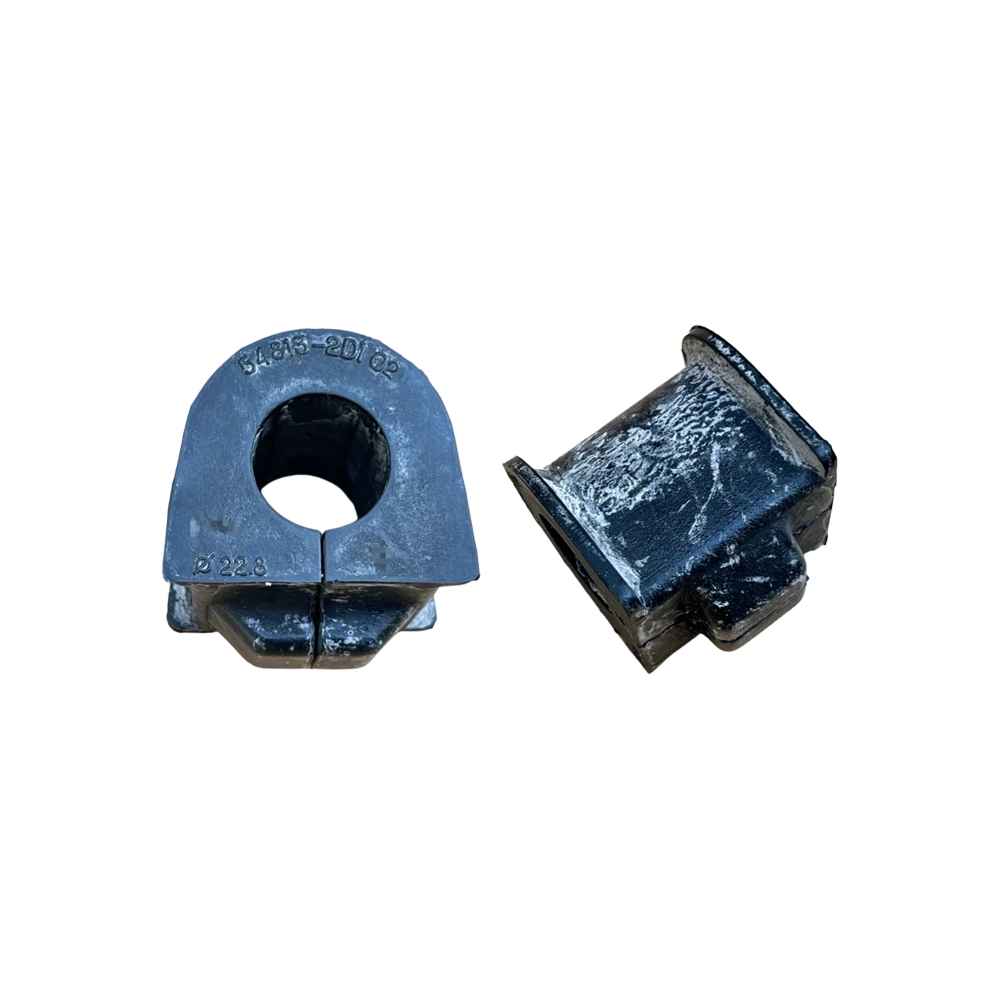
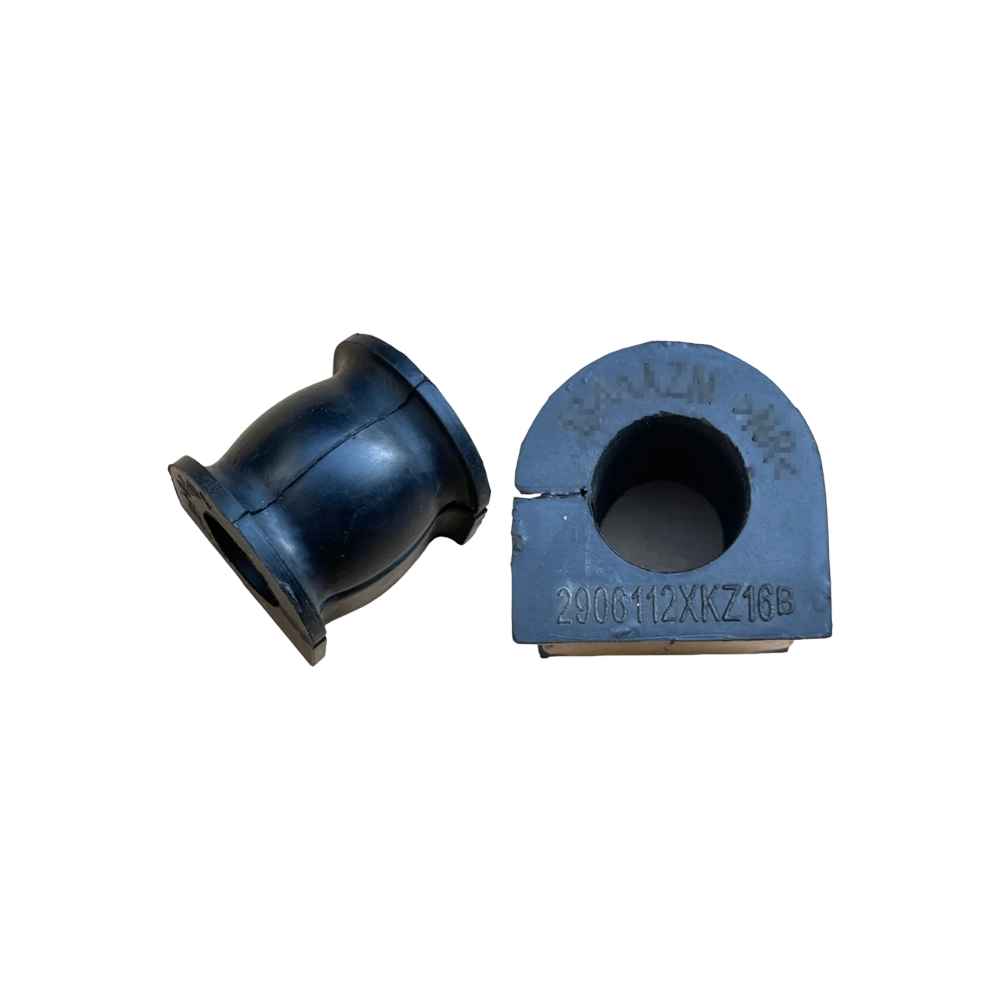
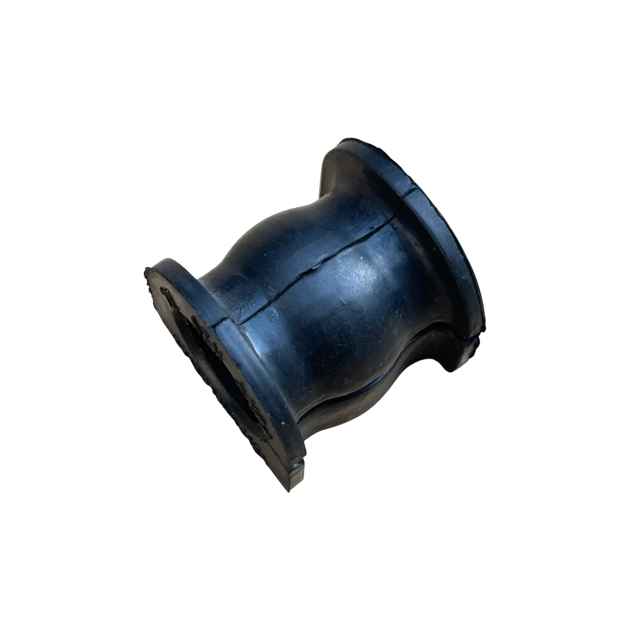
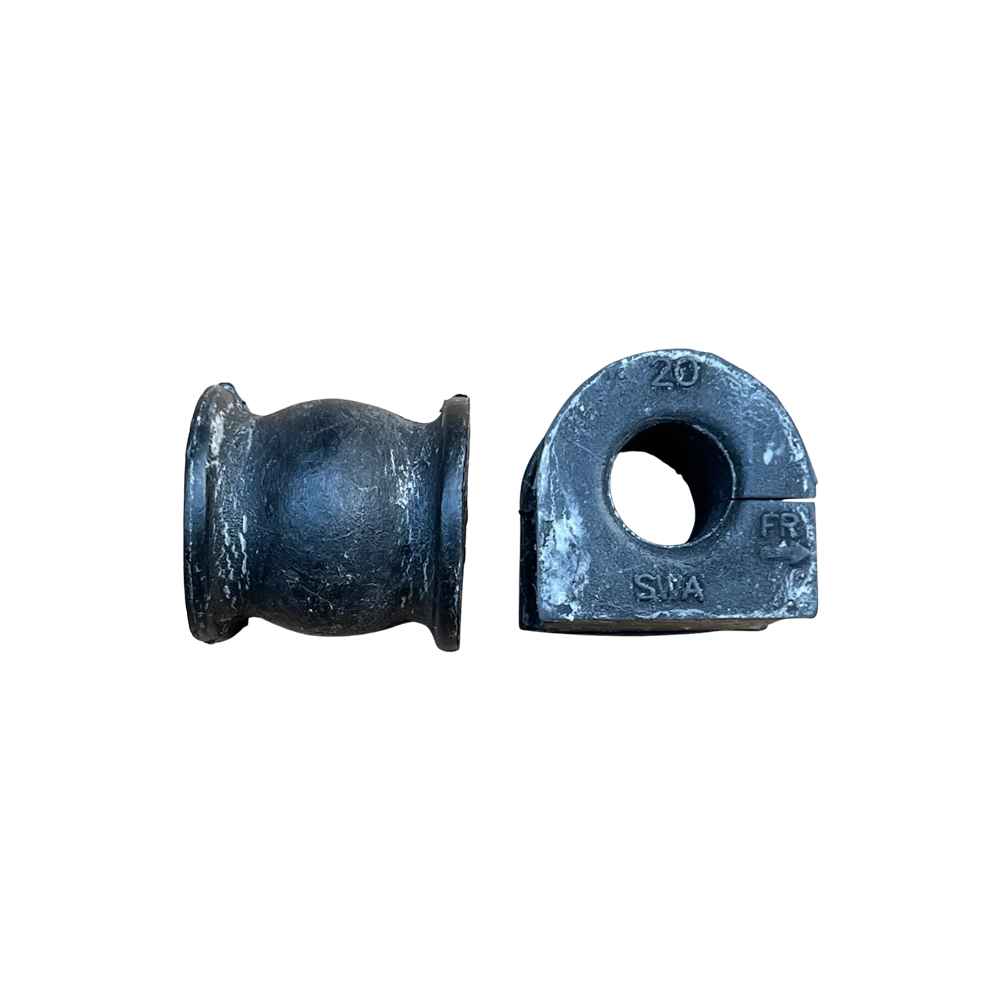
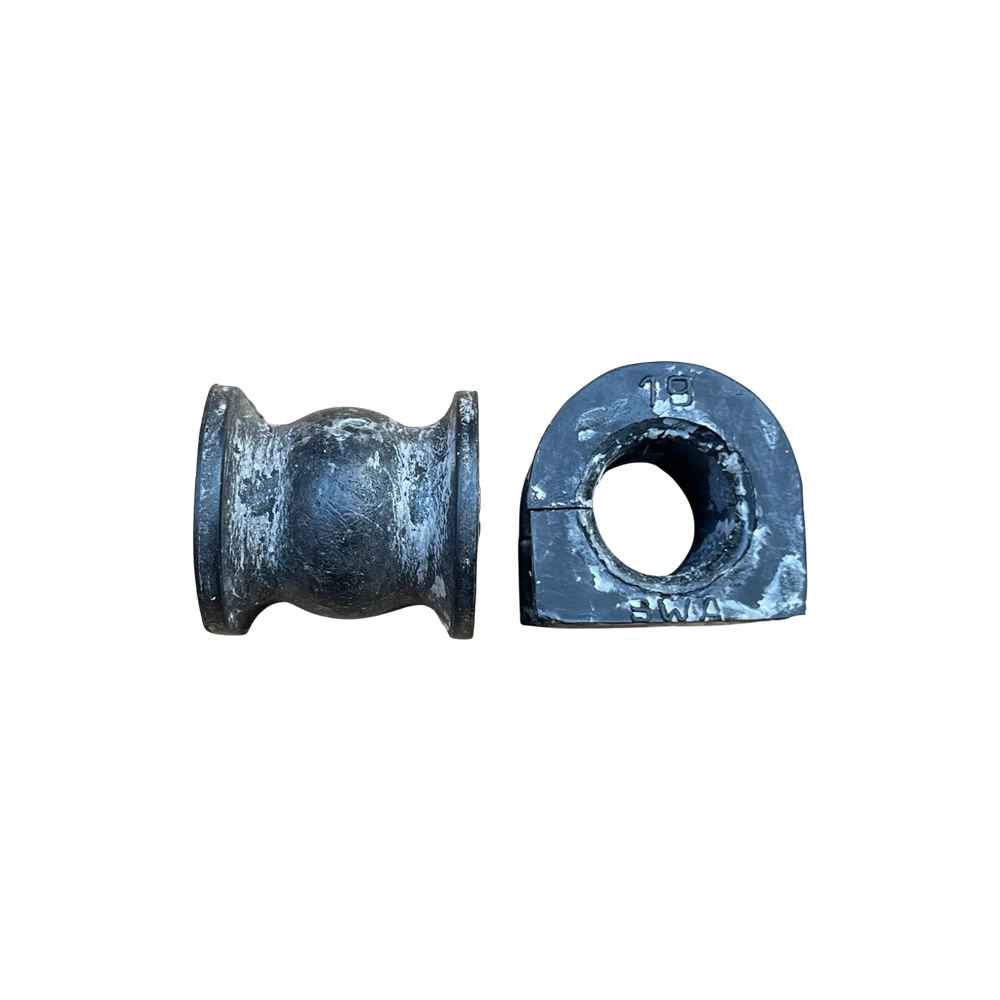
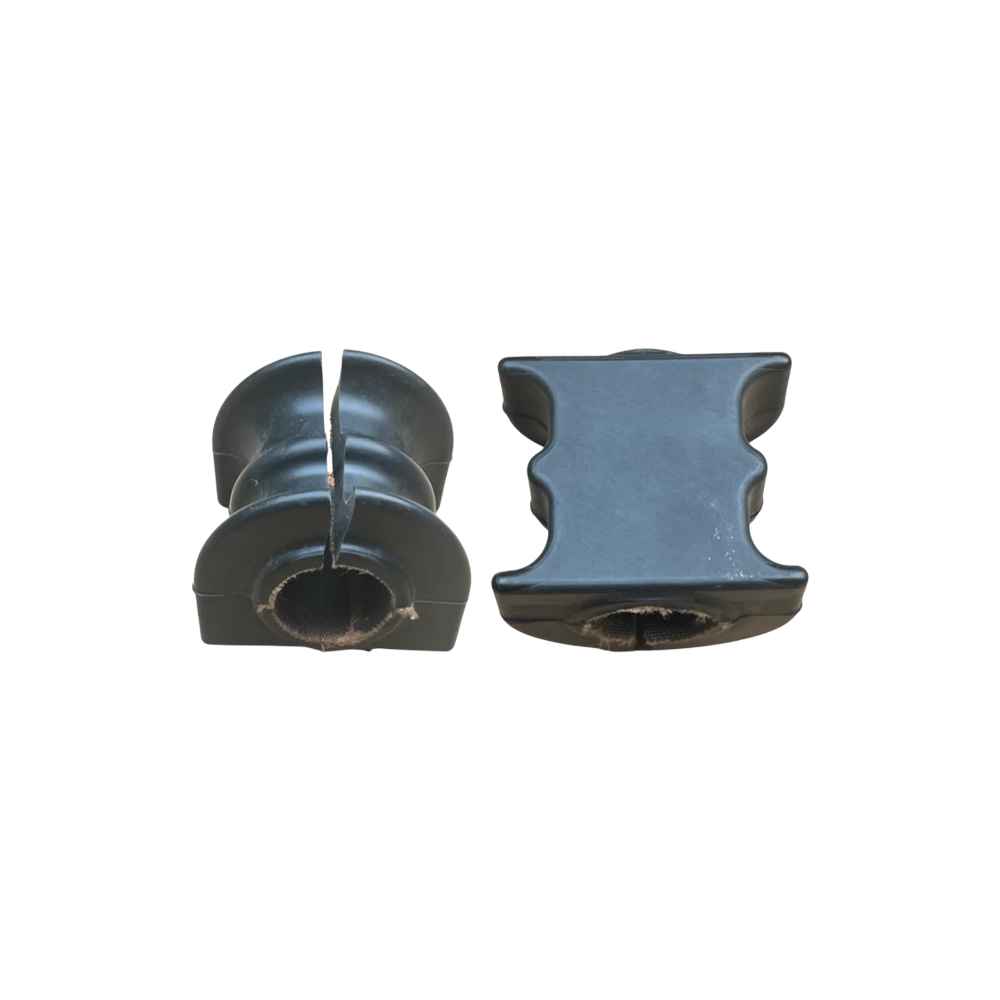
Investing in advanced Shock Absorber Boots and Stabilizer Bar Bushings can lead to improved suspension performance. These components can minimize the transfer of vibrations through the chassis, resulting in a smoother ride over rough terrain.

5. Drivetrain Enhancements
When considering drivetrain upgrades, one must look into the quality of the CV joint boots. High-quality boots not only protect vital components but also reduce noise emitted from the drivetrain during operation.
Choosing the Right Products
Selecting the appropriate products for NVH reduction can be daunting, given the plethora of options available on the market. Brands like Guanghua are recognized for their reliable automotive components that cater specifically to enhanced NVH performance. It’s advisable to consult with experts who can recommend suitable parts based on individual requirements.
Testing and Validation
Post-upgrade testing is vital to assess the effectiveness of implemented NVH reduction measures. Utilizing specialized equipment, one can measure sound levels and vibrations under various conditions. This data will provide insights into whether further refinements are needed.
Conclusion
Reducing NVH in high-performance off-road vehicles involves a multifaceted approach, from selecting the right materials and components to rigorous testing. As these vehicles continue to evolve, so too will the technologies aimed at improving comfort and performance, ensuring that drivers can enjoy their adventures without compromising on experience due to excessive noise and vibrations.