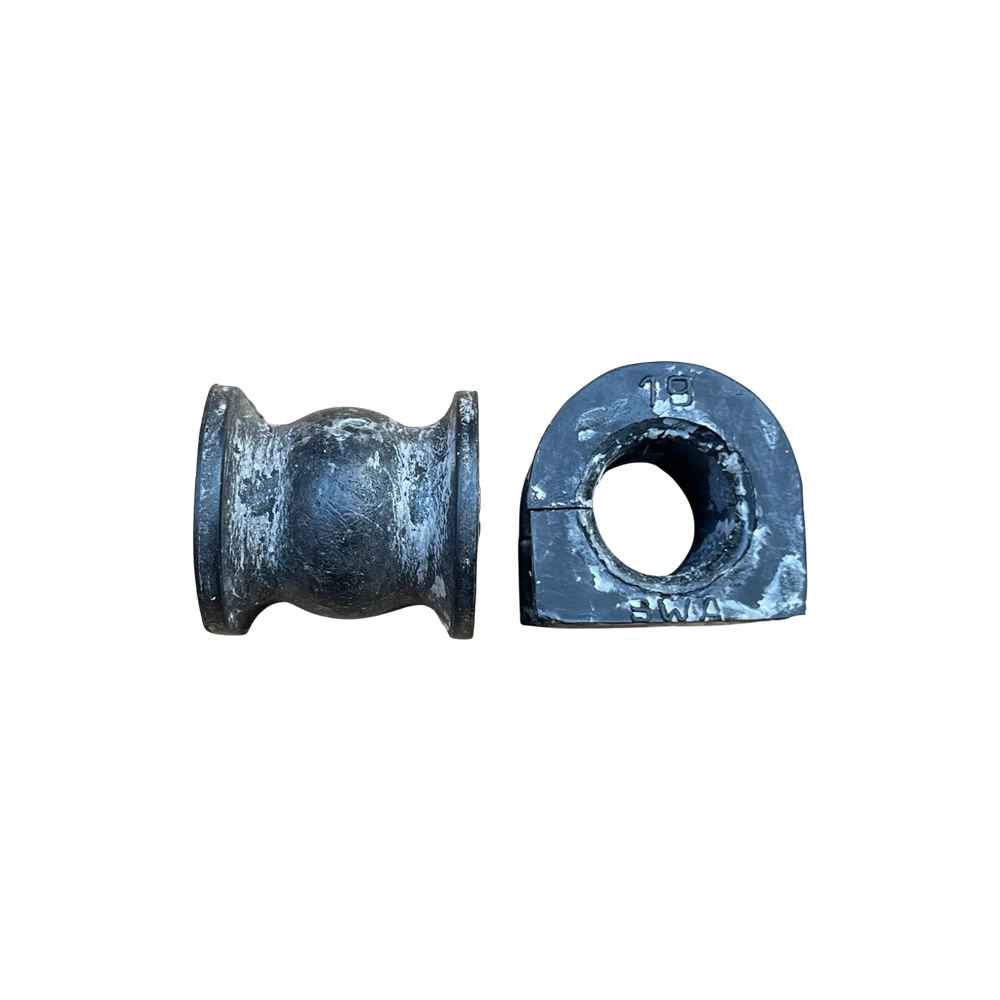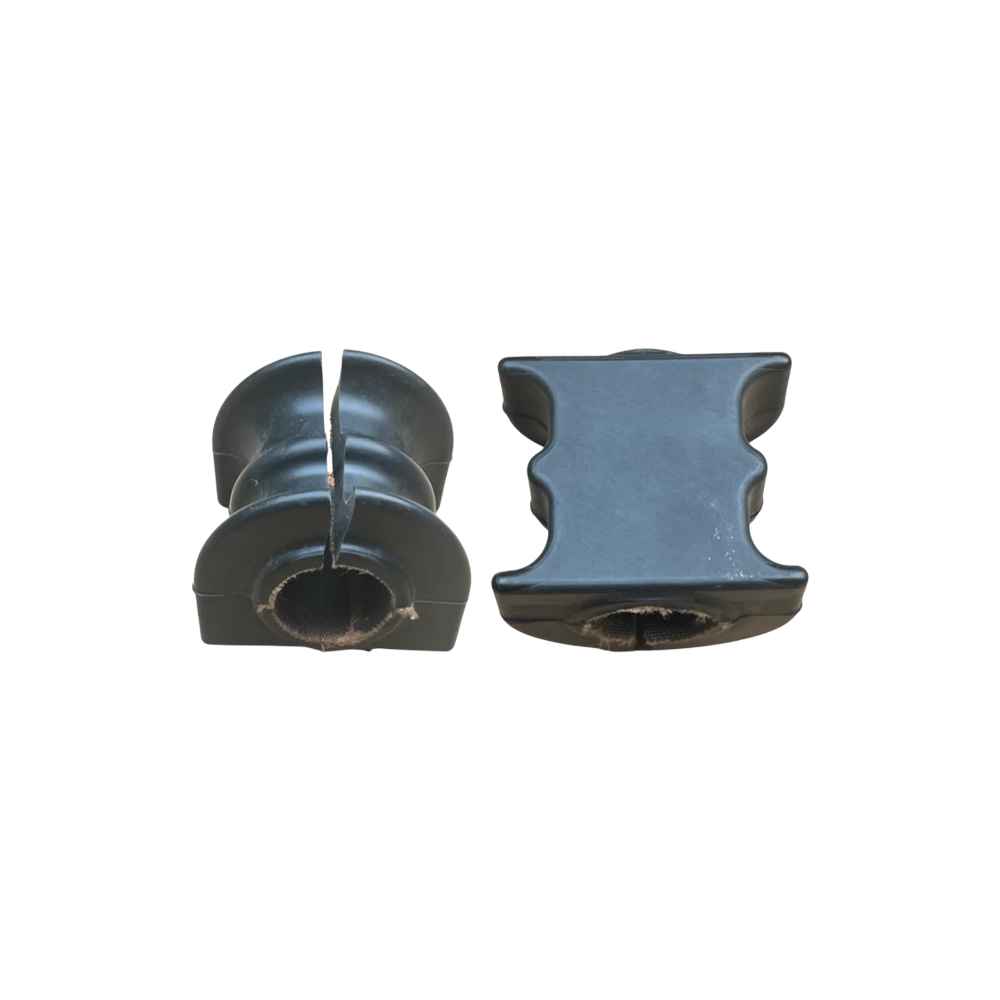
Understanding O-Ring Seals in Chassis Steering & Suspension Systems
The significance of O-rings in the automotive sector cannot be overstated. Take, for instance, the chassis steering and suspension systems. These components undergo immense stress and pressure during operation. Yet, it’s often the humble O-ring that plays a crucial role in maintaining integrity. Have you ever considered how a tiny rubber ring can prevent fluid leaks and protect critical parts?
What are O-Rings?
O-rings are circular seals made from various elastomers, designed to prevent leaks in dynamic and static applications. In steering racks, they ensure hydraulic fluids remain contained, enhancing performance. The choice of material is vital; common choices include Nitrile and Viton. The right selection minimizes wear and optimizes longevity.

Applications in Steering Systems
- Sealing hydraulic fluid in power steering systems
- Preventing contamination in Steering Rack Boots
- Enhancing the efficiency of steering assemblies
Consider a scenario where a fleet of trucks experiences unusual steering issues. Upon inspection, the culprit is identified – worn-out O-rings in the Steering Rack Boots . A simple fix, yet without these seals, steering precision would plummet, leading to unsafe driving conditions. It’s astonishing how something so small can derail an entire operation!
Durability and Performance Factors
Several factors affect the performance and lifespan of O-rings in this system. Temperature fluctuations, exposure to chemicals, and mechanical stresses all play their roles. For example, high-performance vehicles like those equipped with Guanghua components demand superior O-ring quality. Choosing O-rings that withstand extreme temperatures and pressures ensures optimal functionality.
Installation Tips
Proper installation is just as critical as the quality of the O-ring itself. Here are some key points to consider:
- Clean the groove before installation to avoid contaminants.
- Inspect for damage or deformities in the O-ring.
- Use lubrication, but ensure it's compatible with the O-ring material.
Have you ever tried installing an O-ring only to find it gets pinched? Frustrating, right? That’s why attention to detail is paramount!
Common Issues and Solutions
O-rings can fail due to several reasons, leading to severe repercussions. Here’s a brief rundown:
- Compression Set: This occurs when the O-ring loses its ability to return to shape after being compressed. Solution: Opt for a higher-quality elastomer with better memory.
- Extrusion: Happens when the O-ring is forced out of its groove under pressure. Solution: Use backup rings or increase the groove size.
- Aging and Cracking: O-rings can degrade over time, especially in harsh environments. Solution: Regularly scheduled maintenance checks can mitigate this issue.
The Future of O-Rings in Automotive Engineering
The automotive industry is evolving rapidly. Innovations such as 3D printing have opened new avenues for creating custom O-ring designs. Imagine a world where each vehicle can be fitted with bespoke O-rings tailored to specific conditions. Such advancements could boost efficiency and durability significantly. What a game changer that would be!
Conclusion
In summary, O-rings may appear insignificant compared to more prominent automotive components, yet they are fundamental to maintaining performance and safety in chassis steering and suspension systems. Investing in quality O-rings and adhering to best practices for installation and maintenance can save time, money, and potential accidents down the line.