Understanding the Importance of Oil Leak Prevention
Oil leaks in chassis steering and suspension systems can lead to significant mechanical issues, affecting vehicle performance and safety. As these systems operate under high stress, ensuring they remain properly sealed is crucial for longevity and reliability.
Common Sources of Oil Leaks
Identifying potential leak sources is essential for effective prevention. The following components are often responsible:
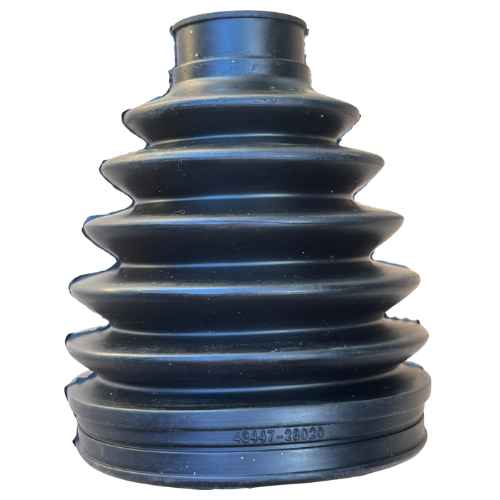
- CV Joint Boots : These protect the constant velocity joints from dirt and moisture, but if they crack or tear, oil can escape.
- Steering Rack Boots : Similar to CV Joint Boots , these prevent contaminants from damaging the steering rack, and their failure can result in fluid leakage.
- Shock Absorber Boots: These boots safeguard the piston rod of shock absorbers; wear can lead to oil seepage.
- O-Rings & Rubber Sealing Rings: Critical for creating airtight seals, deterioration of these components can cause oil leaks in various fittings.
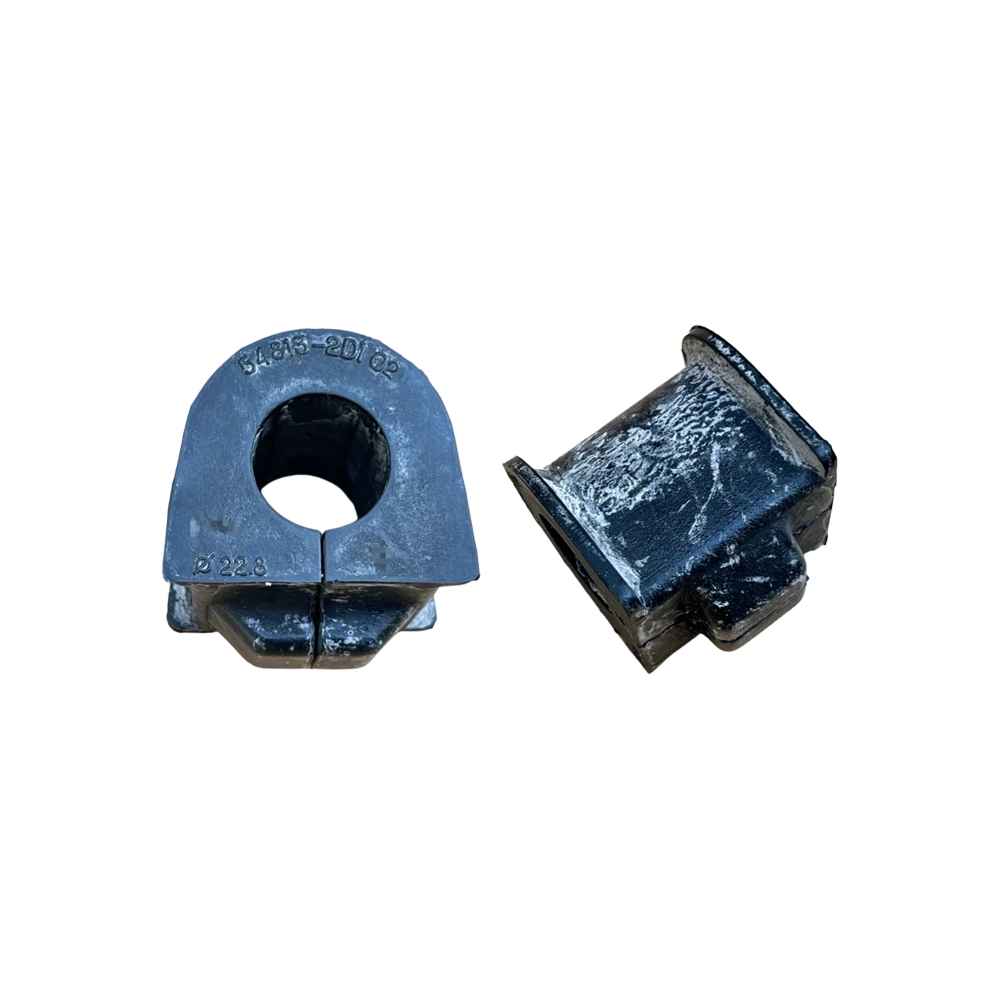
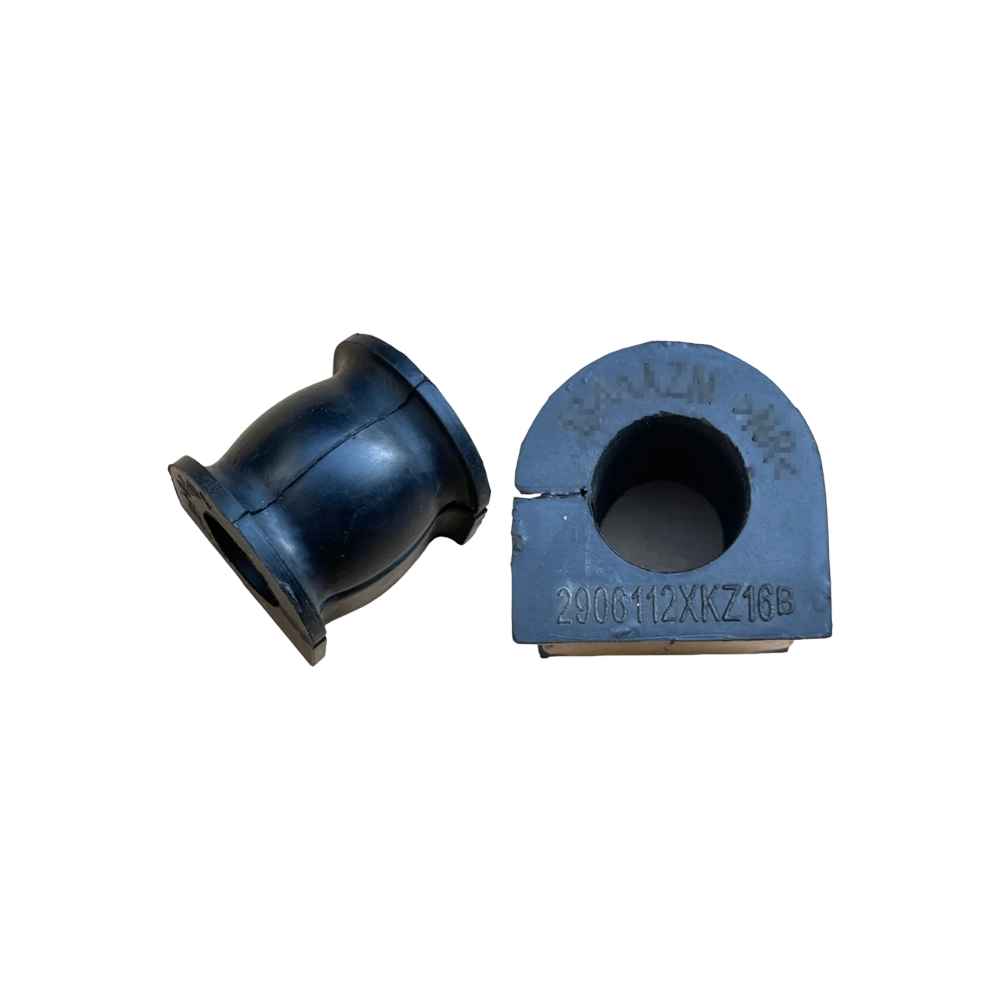
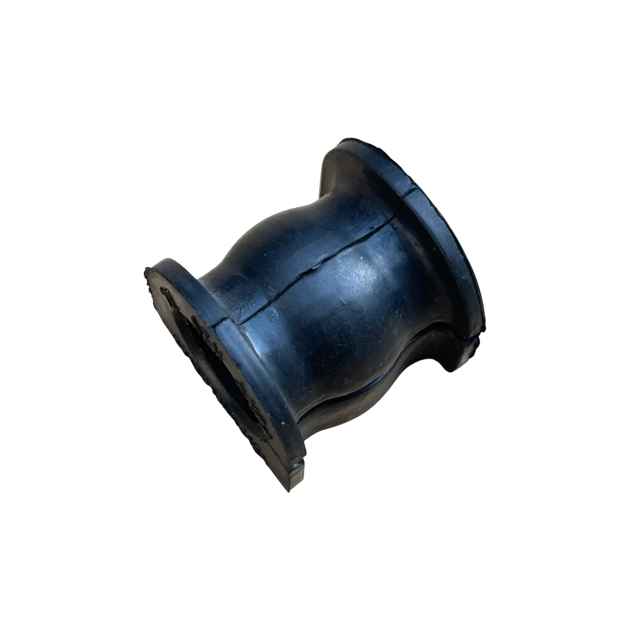
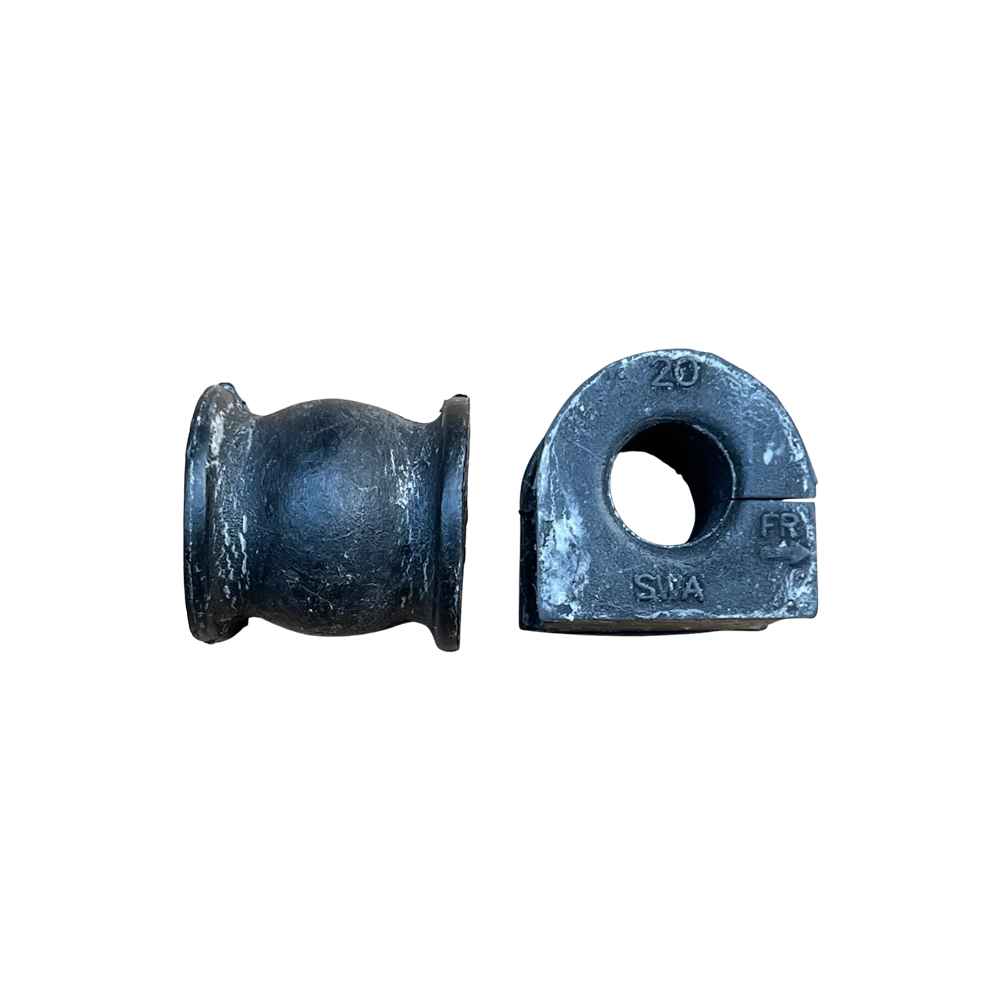
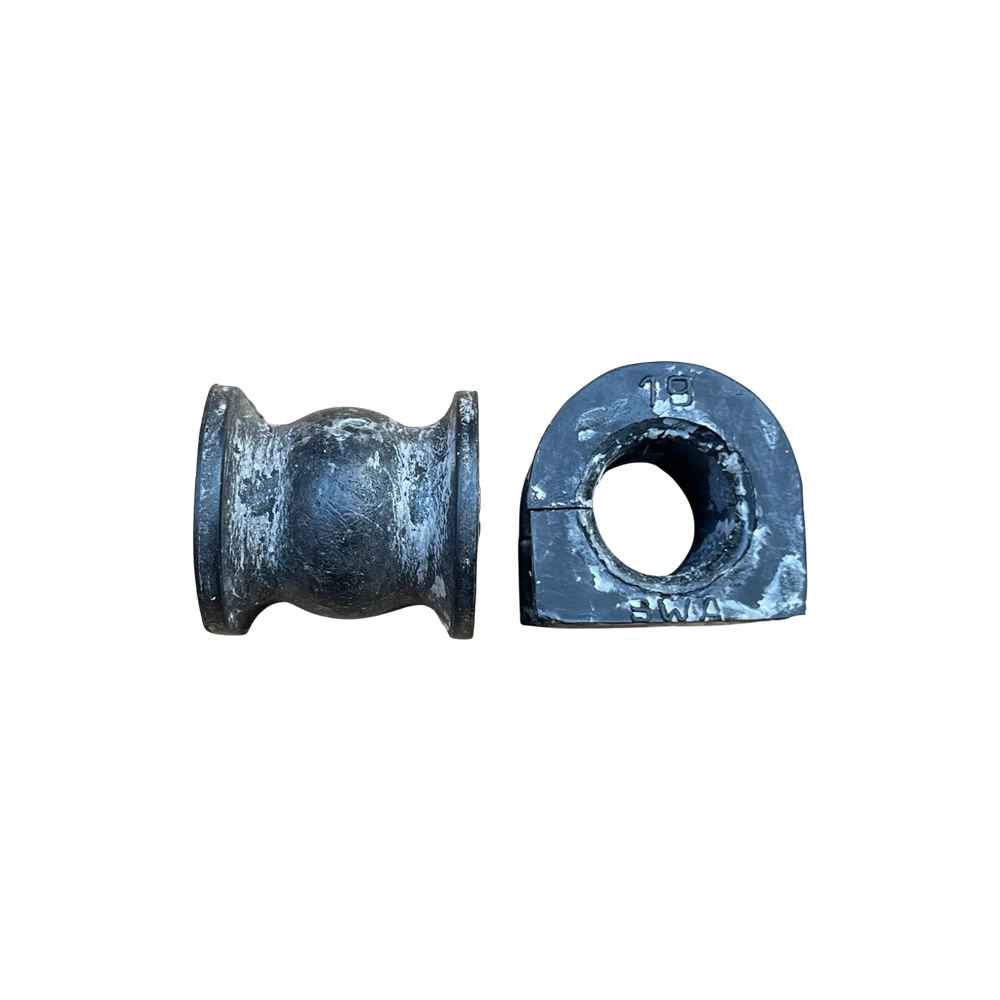
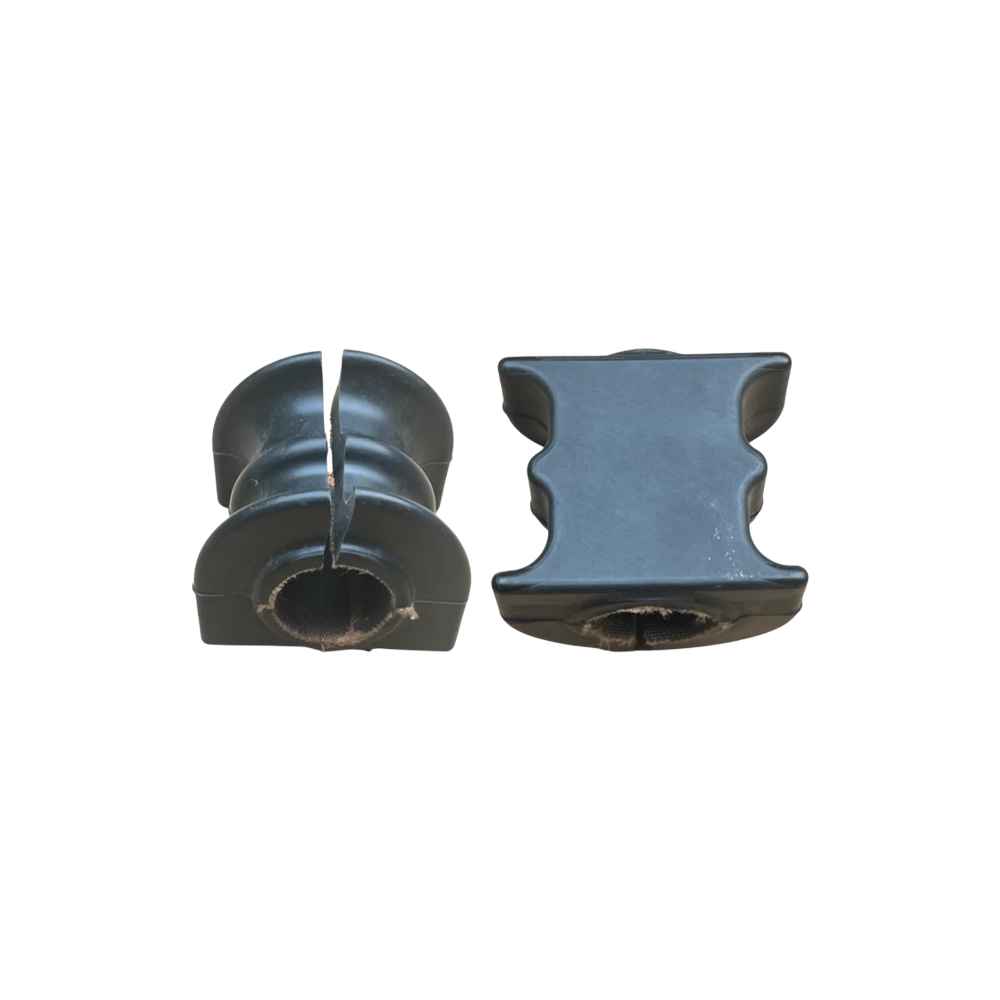
- Stabilizer Bar Bushings: While primarily serving to dampen vibrations, damaged bushings can also affect fluid retention.
- Valve Cover Gasket: This gasket prevents oil from leaking out of the engine; its failure can lead to significant leakage problems.
Preventive Maintenance Practices
To ensure that oil leaks do not occur, regular maintenance practices should be followed. A proactive approach can save time and money in the long run.
Regular Inspections
Conducting routine inspections of all steering and suspension components is paramount. Pay close attention to the condition of protective boots and seals. Any signs of cracking, dryness, or deformation should prompt immediate replacement to avert potential leaks.
Proper Installation Techniques
Whether replacing a CV joint boot or installing a new valve cover gasket, using the correct installation techniques can greatly enhance the durability of these components. Ensuring that O-rings and sealing rings fit snugly without twists or kinks helps maintain pressure integrity.
Quality Components Matter
Utilizing high-quality parts, such as those from the Guanghua brand, can significantly reduce the likelihood of oil leaks. Quality components are often made from superior materials that resist wear better than cheaper alternatives.
Fluid Compatibility and Management
Using the correct type of fluid in steering and suspension systems is crucial. Incompatible fluids can degrade seals and gaskets, leading to leaks. Always refer to the manufacturer's specifications when selecting oils and lubricants.
Monitoring Fluid Levels
Regularly checking fluid levels in the steering system can provide early indicators of leaks. If levels drop unexpectedly, it may signal a breach somewhere in the system. Timely action can prevent further damage.
Environmental Considerations
Environmental factors can also impact the effectiveness of sealing elements. Extreme temperatures, exposure to UV light, and corrosive substances can accelerate the aging process of rubber components. Utilizing protective sprays can mitigate these risks.
Storage Conditions
When vehicles are stored for extended periods, it is wise to elevate them off the ground and shield them from direct sunlight. This will help prolong the life of rubber components and minimize potential leaks upon resuming use.
Signs of Potential Issues
Awareness of symptoms indicating possible oil leaks can facilitate quicker resolutions. Drivers should be vigilant for:
- Unusual fluid spots on the ground where the vehicle is parked.
- The smell of burning oil during operation.
- Unresponsive steering, which may indicate low fluid levels.
- Increased wear on tires, possibly due to compromised suspension components.
Conclusion on Proactive Measures
Ultimately, preventing oil leaks in chassis steering and suspension systems requires an integrated approach involving quality components, regular maintenance, and vigilant monitoring. By committing to these practices, one can ensure both vehicle performance and safety are upheld.