Understanding Stabilizer Bar Bushings
Stabilizer Bar Bushings play a crucial role in the chassis of a vehicle, particularly in steering and suspension systems. These small yet significant components help to maintain vehicle stability during cornering by reducing body roll. When it comes to performance and safety, understanding how Stabilizer Bar Bushings function can significantly impact your driving experience.
What Are Stabilizer Bar Bushings?
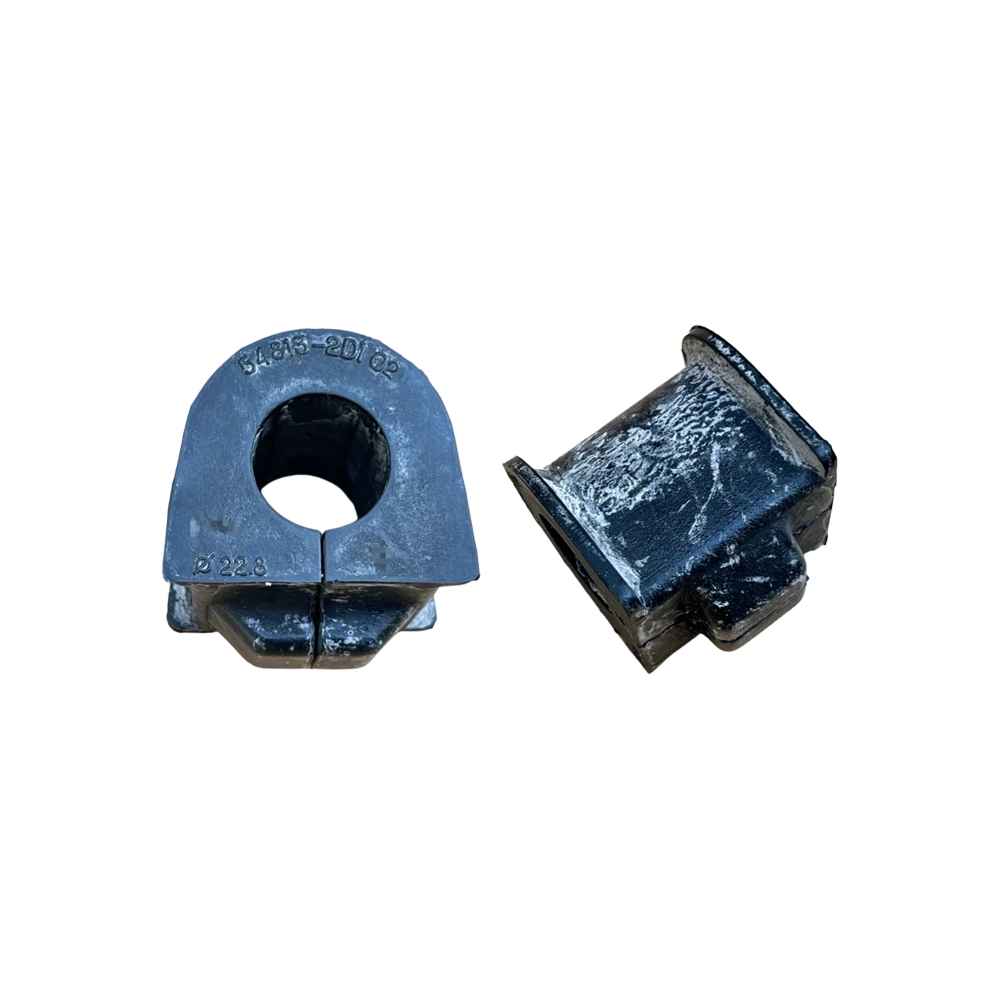
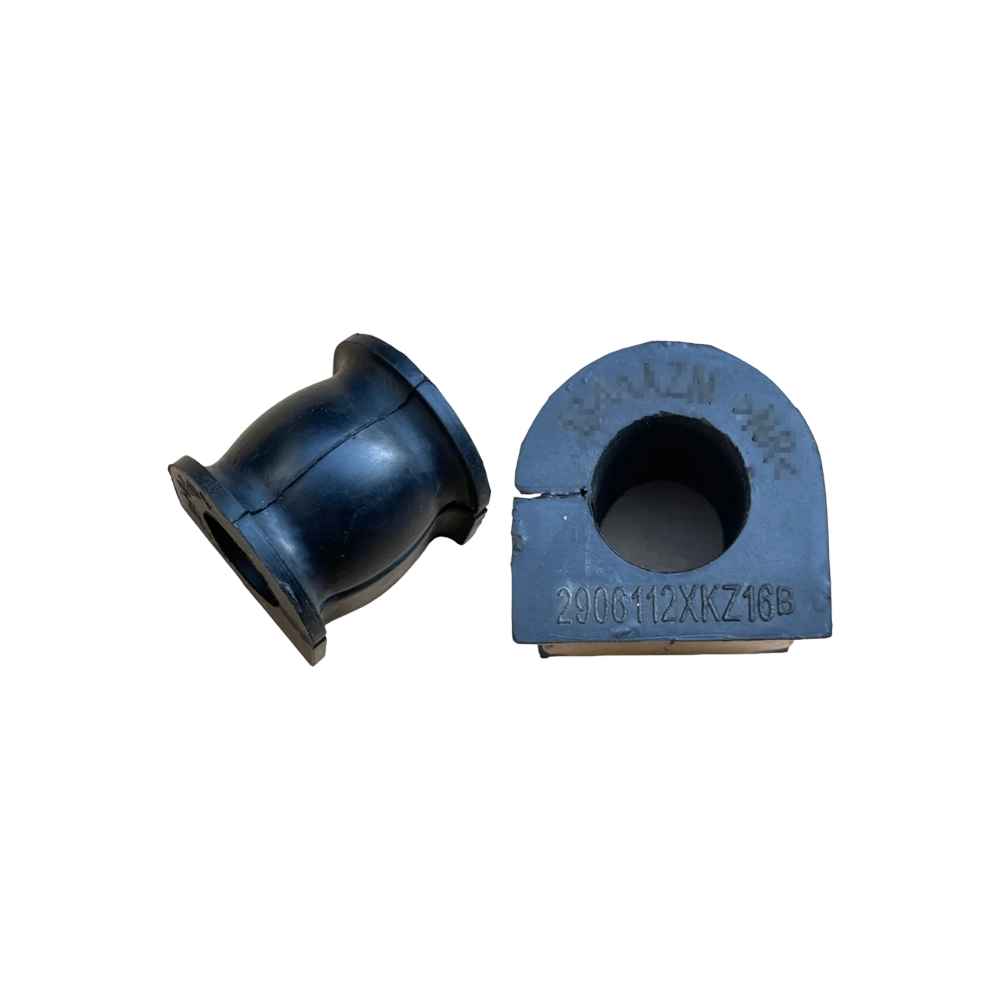
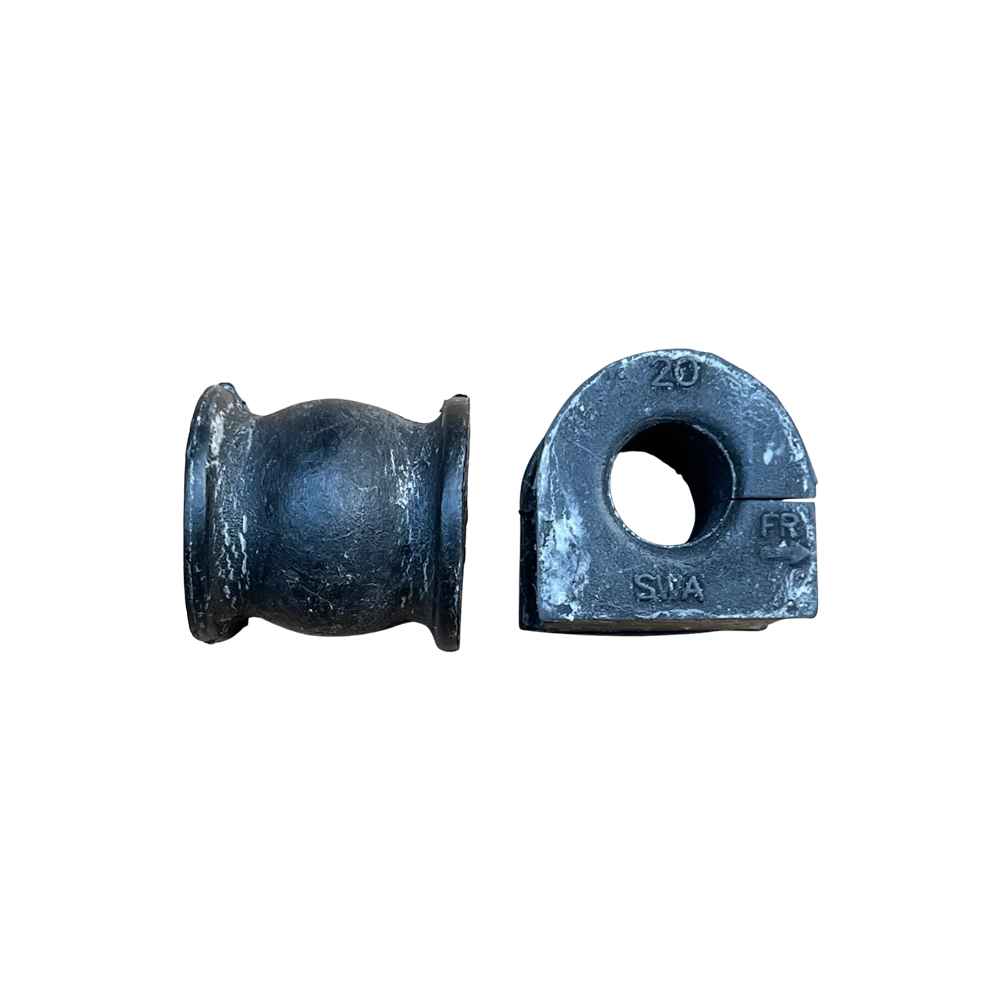
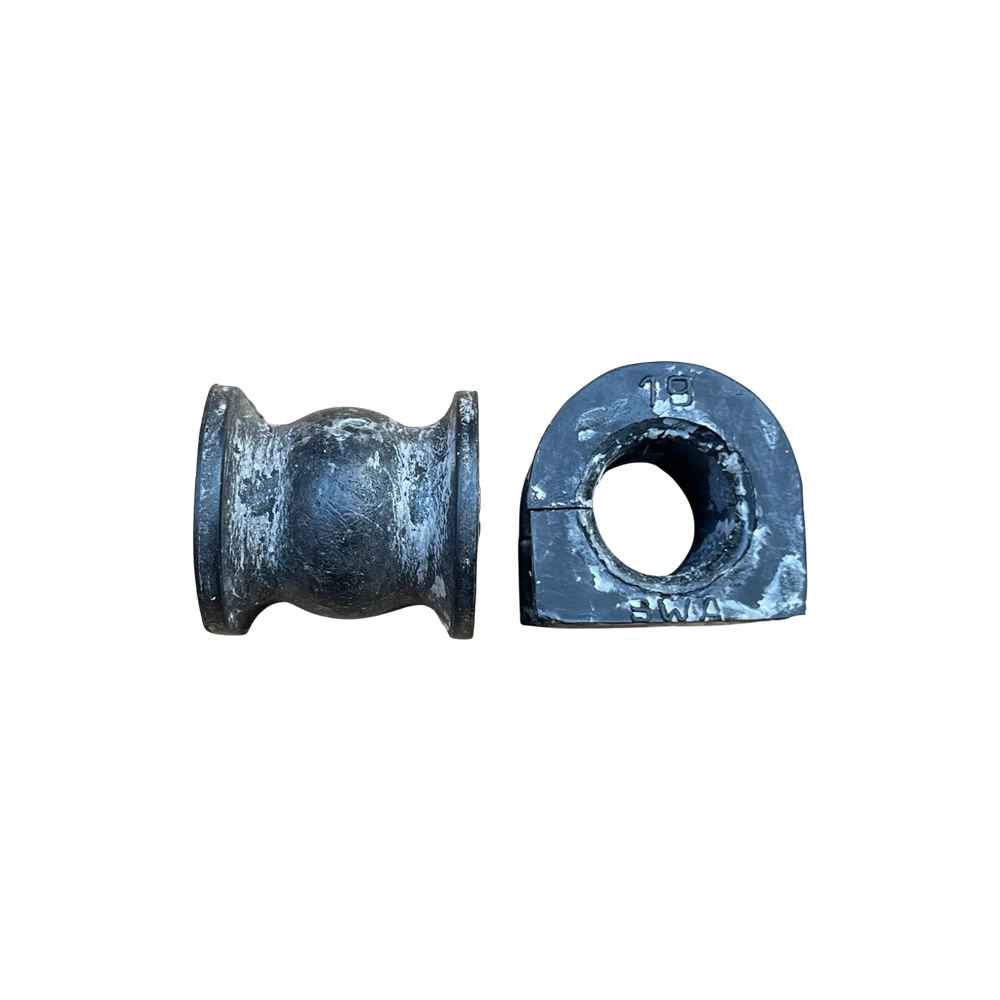
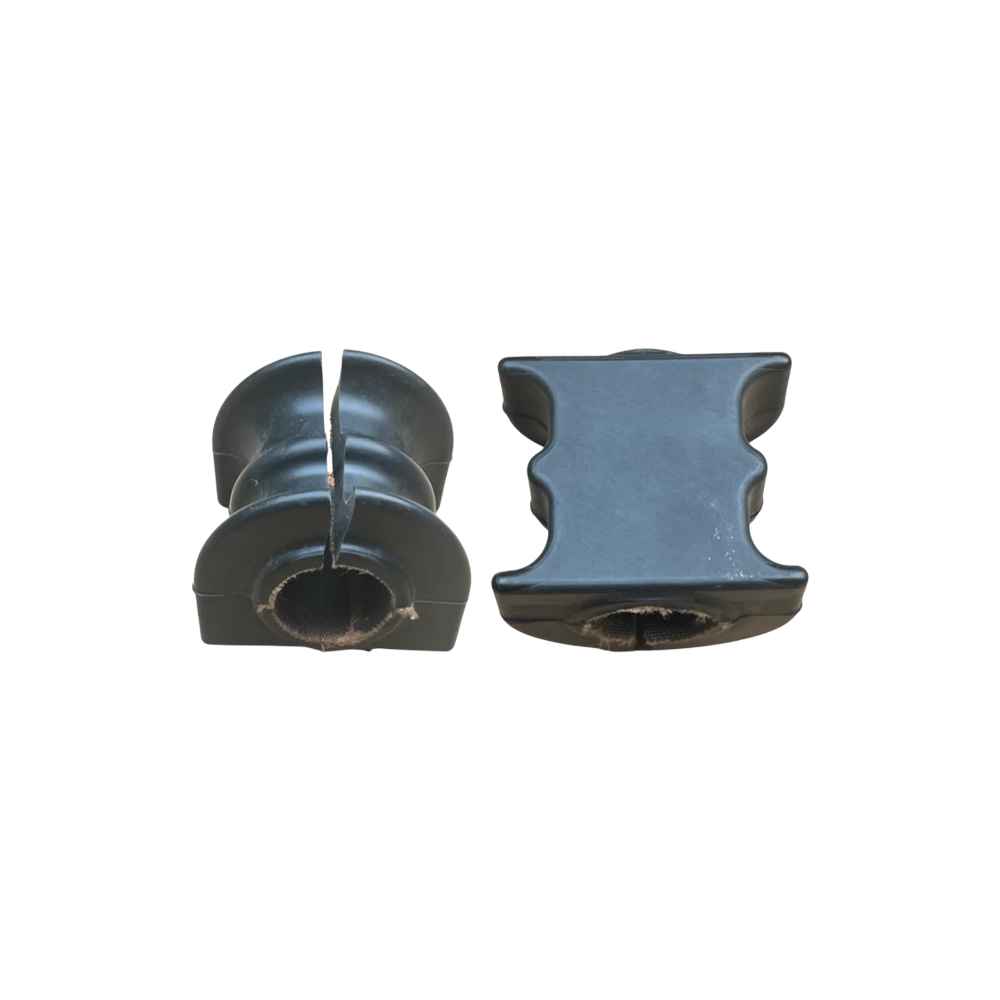
Stabilizer bar bushings are rubber or polyurethane mounts that connect the sway bar to the vehicle's frame or subframe. They act as cushions that dampen vibrations while also allowing for smooth movement of the stabilizer bar. Typically, they absorb shock from road irregularities, ensuring that the car remains stable and predictable when navigating turns.
Importance in Steering and Suspension Systems
When you think about steering dynamics, stabilizer bar bushings often don't take center stage, yet their importance cannot be understated. Here are the primary functions they serve:
- Reduction of Body Roll: As a vehicle takes a turn, centripetal forces act on it, causing it to lean toward the outside of the curve. Stabilizer bar bushings counteract this tendency, helping keep the vehicle level.
- Improved Handling: Quality bushings enhance the overall responsiveness of your vehicle. With effective stabilizer bar bushings, drivers can expect enhanced control and performance.
- Noise Reduction: Worn or damaged bushings can lead to increased noise and vibration within the cabin. New, high-quality bushings minimize these disturbances, creating a more pleasant driving environment.
Material Choices: Rubber vs. Polyurethane
When selecting stabilizer bar bushings, the material choice is critical. Traditional rubber bushings are generally softer and quieter but may wear out faster, especially in harsh conditions. On the other hand, polyurethane bushings offer greater durability and resistance to wear but can transmit more noise and vibration to the cabin.
In my experience, many enthusiasts opt for polyurethane options for performance applications. However, it's essential to consider the end-use of your vehicle. For daily drivers, rubber may still be the preferred choice.
Signs of Worn Stabilizer Bar Bushings
As with most automotive components, stabilizer bar bushings can wear out over time. Some signs indicate it might be time for replacement:
- Clunking Noises: If you hear strange noises coming from the suspension area when going over bumps, your bushings could be worn.
- Increased Body Roll: A noticeable increase in body roll during cornering can signal that your stabilizer bar bushings have lost their effectiveness.
- Vibration and Harshness: Excessive vibrations felt in the steering wheel or throughout the cabin could also point to deteriorating bushings.
Maintenance Tips for Longevity
To maximize the lifespan of your stabilizer bar bushings, consider the following maintenance tips:
- Regular Inspections: Periodically check your suspension components, including the bushings, for signs of wear or damage.
- Quality Parts: When replacing bushings, choose reputable brands like Guanghua to ensure you're getting durable and reliable components.
- Professional Installation: If you're unsure about installing bushings yourself, it’s best to consult with a professional mechanic.
Replacement Process
Replacing stabilizer bar bushings isn't overly complicated but requires some basic mechanical knowledge. Here’s a simple overview of the process:
- Lift the vehicle using a jack and secure it on jack stands.
- Remove the wheels for easier access to the suspension components.
- Unbolt the stabilizer bar from the control arms and frame.
- Carefully remove the old bushings and clean any debris from the mounting areas.
- Install the new bushings, ensuring they're seated correctly, then reattach the stabilizer bar.
- Reinstall the wheels, lower the vehicle, and perform a test drive.
Innovations in Stabilizer Bar Bushings
As technology advances, so do the materials used in stabilizer bar bushings. Modern compounds often incorporate synthetic rubbers, enhancing performance and extending lifespan. Additionally, some manufacturers offer adjustable bushings, which allow drivers to tune stiffness according to their preferences.
In practical terms, this means that performance vehicles can see improved handling characteristics while maintaining ride comfort. The choices available today empower drivers to customize their vehicles' performance even further.
The Role of Other Components
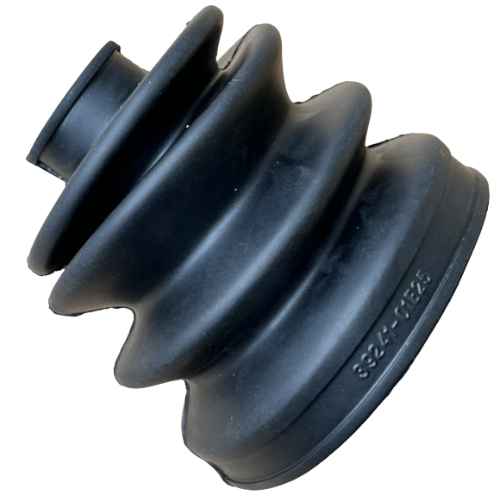
While stabilizer bar bushings are essential, it's important to remember that they work in conjunction with various other components. Items such as CV joint boots, O-rings & rubber sealing rings, and shock absorber boots all contribute to a well-functioning suspension system. Neglecting one component can affect the others, leading to premature wear and potential failure.
Conclusion
Understanding the intricacies of stabilizer bar bushings is vital for any vehicle owner who values safety and performance. Regular inspections and timely replacements can make all the difference in maintaining optimal steering and suspension functionality. Remember to choose quality parts and, if necessary, seek professional guidance to ensure the best results for your vehicle.