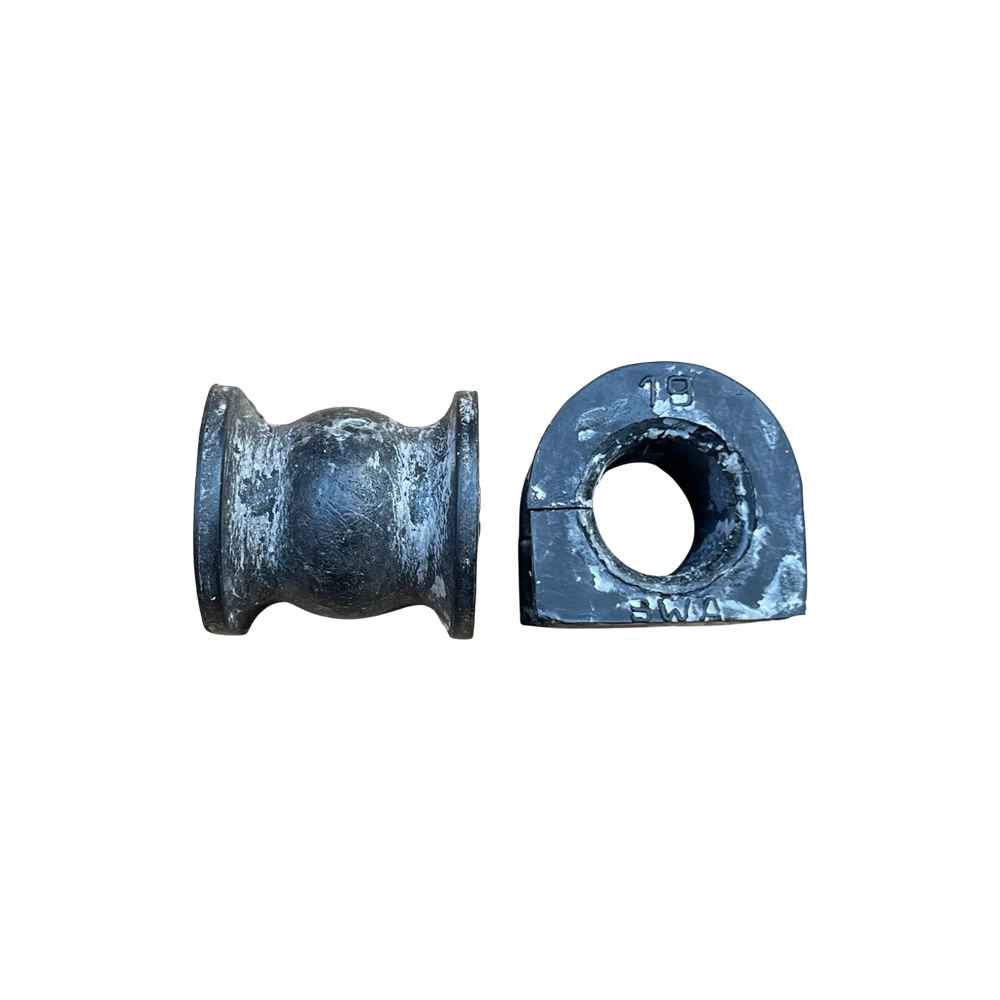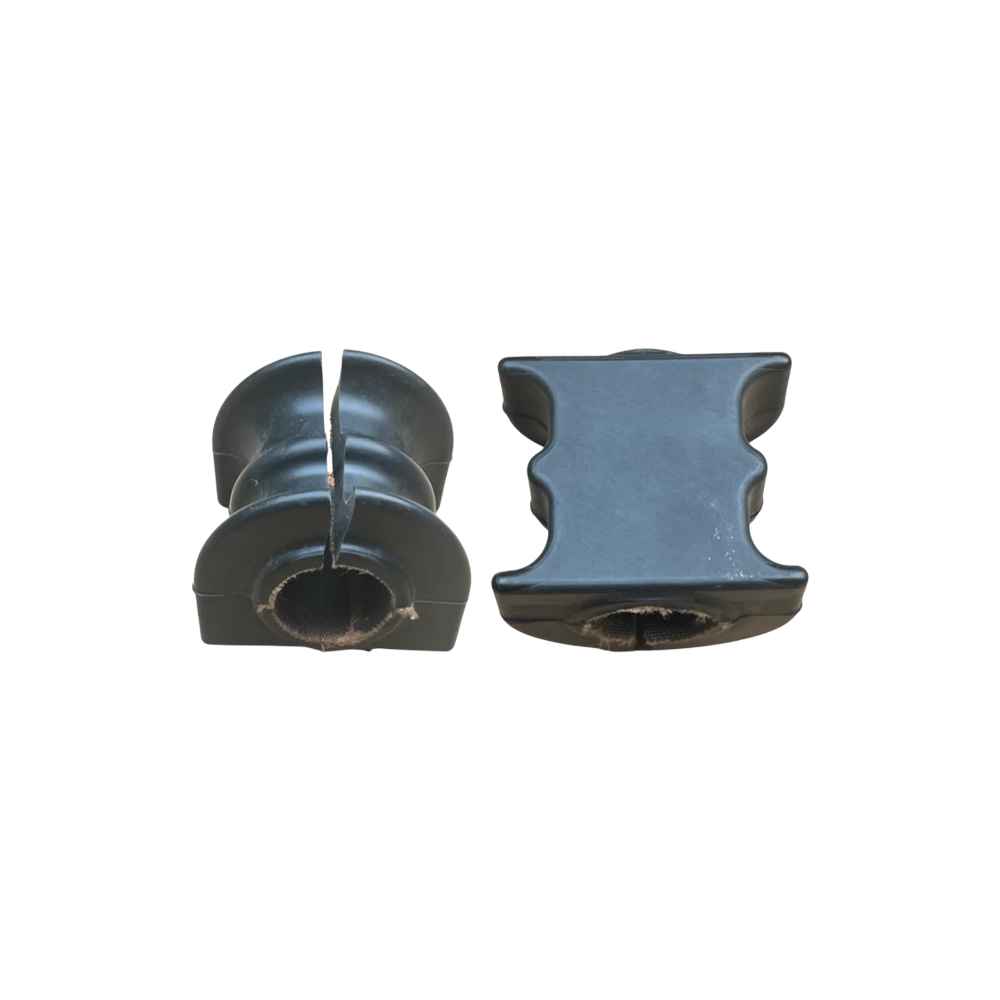
Understanding Steering Gear Boots
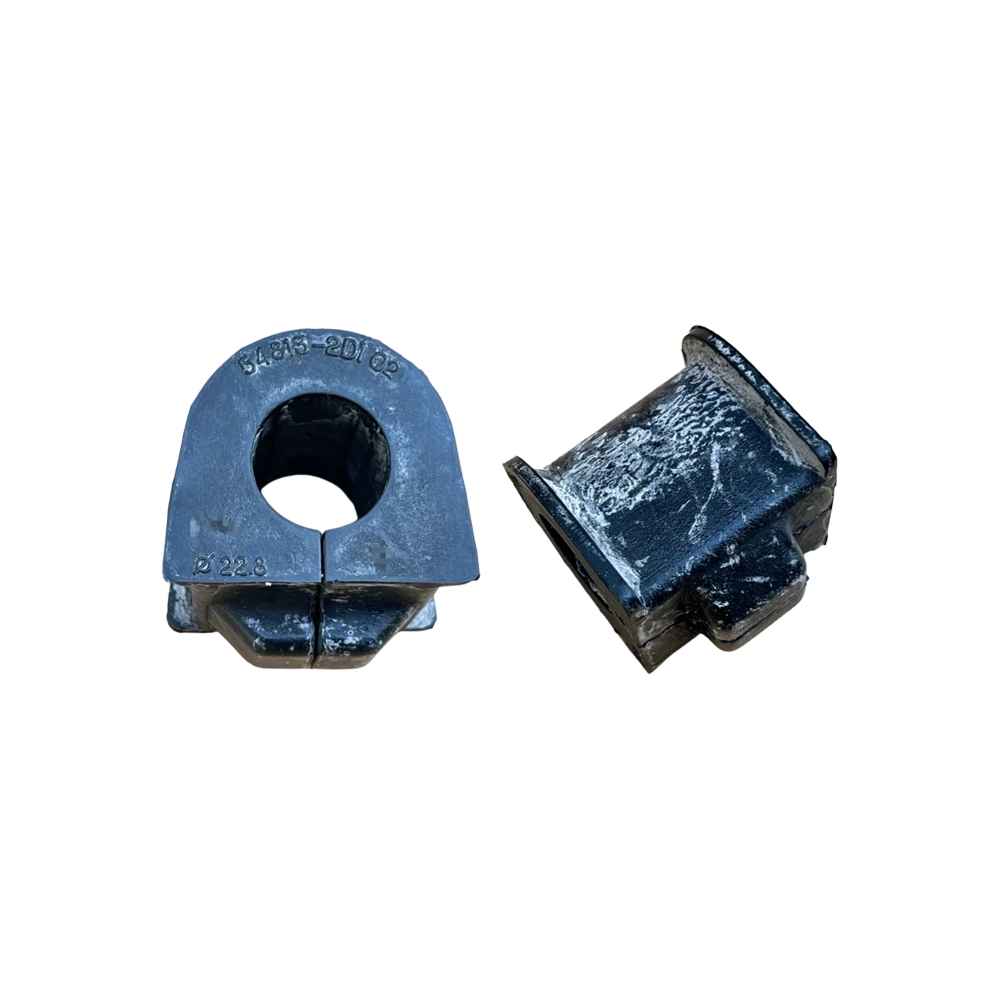
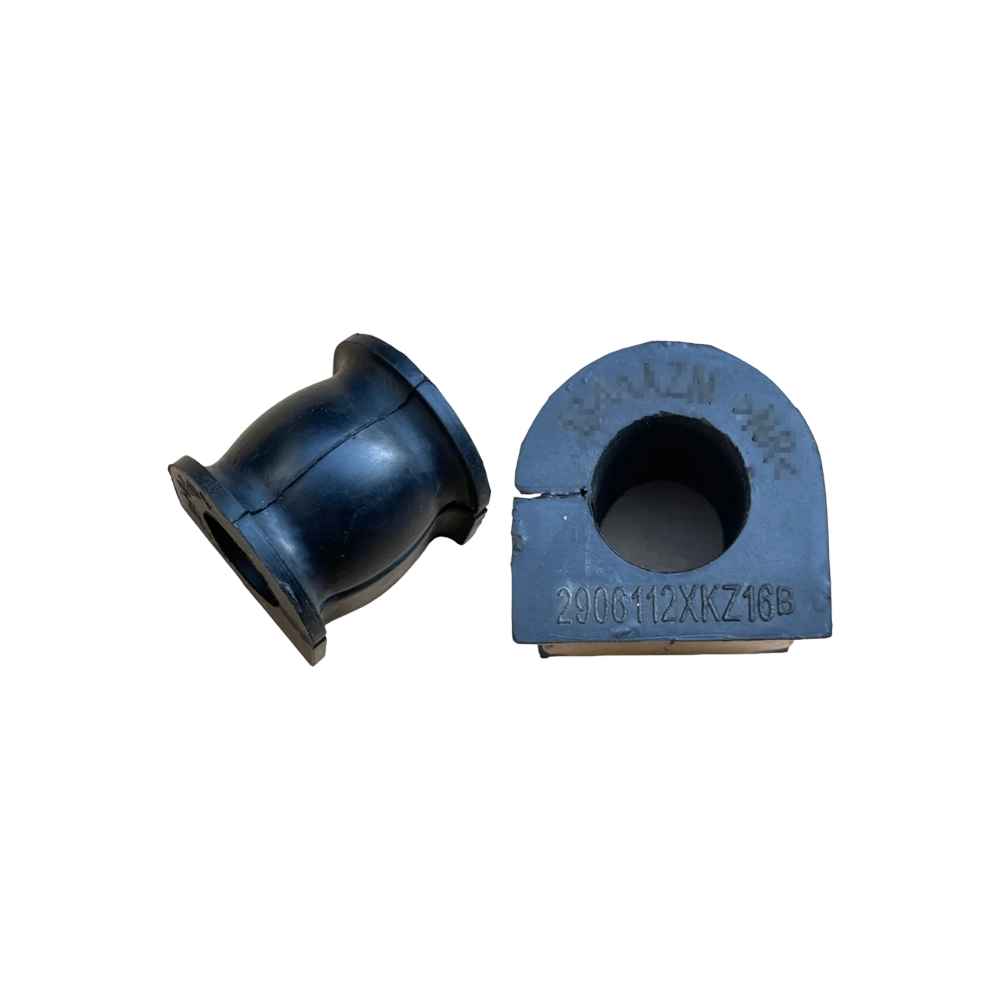
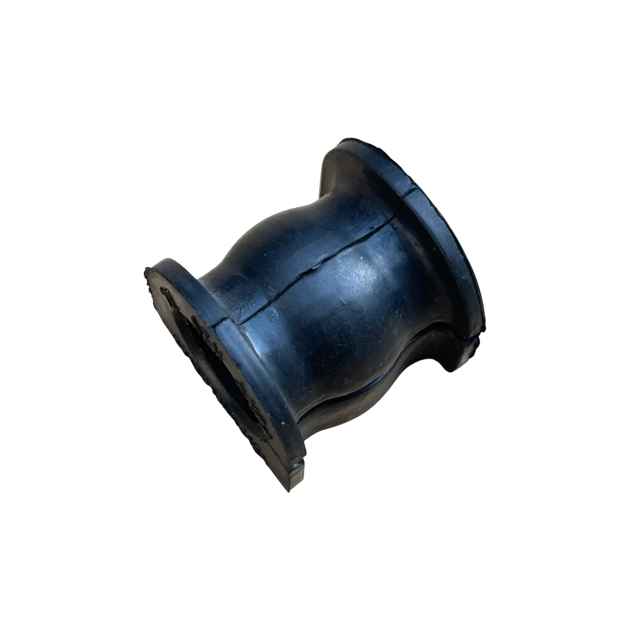
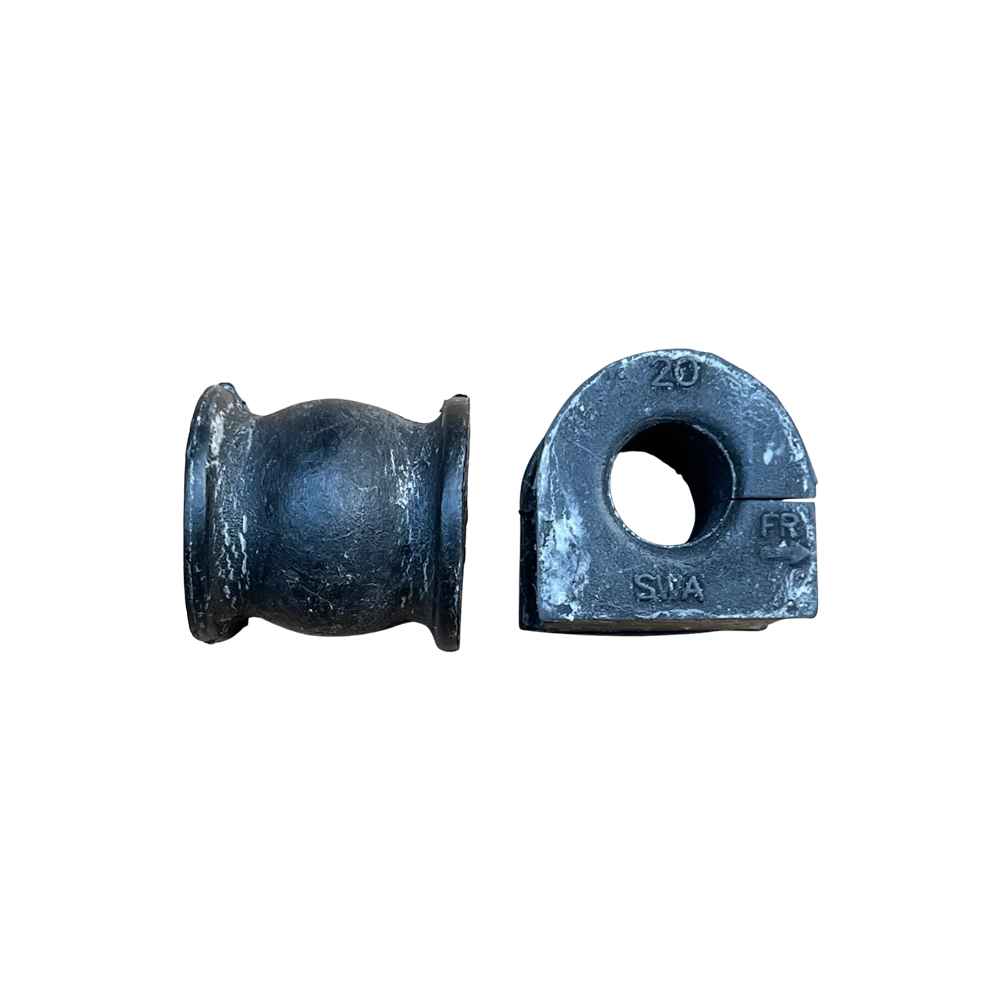
Steering gear boots play a crucial role in the overall functionality and longevity of a vehicle's driveline and axle systems. These components are designed to protect sensitive steering mechanisms from environmental contaminants such as dirt, water, and debris, which can lead to premature wear and failure.
Functions of Steering Gear Boots
The primary function of steering gear boots is to act as a protective barrier. By sealing the steering gear, they prevent foreign particles from entering the intricate gears and linkages, thereby ensuring smoother operation. Moreover, they retain lubricant within the steering assembly, which is vital for reducing friction and enhancing performance.
Materials Used in Manufacturing
Typically, steering gear boots are constructed from durable rubber or thermoplastic elastomers (TPE). The choice of material serves as a compromise between flexibility and resistance to wear. High-quality products, such as those offered by brands like Guanghua, often feature enhanced resistance to UV rays and temperature fluctuations, extending their lifespan significantly.
Installation Process
Correct installation of steering gear boots is critical to ensure optimal performance. The process generally involves the following steps:

- First, elevate the vehicle securely using jack stands.
- Next, remove the wheels to gain access to the steering components.
- Detaching the old boot must be done with care to avoid damaging the steering rack.
- Before installing the new boot, it’s essential to clean the area thoroughly.
- Finally, secure the new boot in place, ensuring proper alignment and sealing.
Common Issues and Solutions
Over time, steering gear boots may suffer from cracks or tears due to exposure to harsh conditions. This damage can compromise the entire steering system, leading to costly repairs if not addressed promptly. Regular inspections can help identify these issues early on. If damage is detected, replacing the boot promptly alongside checking O-Rings & Rubber Sealing Rings may prevent further complications.
The Importance of Quality Components
Utilizing high-quality components during repairs is paramount. While it might be tempting to opt for cheaper alternatives, the long-term costs associated with premature failures often outweigh initial savings. Brands that focus on quality, such as Guanghua, typically offer better warranties and guarantees, reflecting confidence in their product’s durability.
Comparing Steering Rack Boots with Other Boot Types
It is interesting to note how steering rack boots differ from other types, such as CV Joint Boots and Shock Absorber Boots . Each type is engineered for specific applications and environments, necessitating an understanding of their respective functionalities. For example, while CV Joint Boots are primarily focused on protecting joints from contaminants, Shock Absorber Boots serve to shield shocks from debris and moisture.
Regular Maintenance Practices
To maximize the lifespan of steering gear boots, regular maintenance is advised. This includes:
- Frequent visual inspections for signs of cracking or wear.
- Keeping the area around the boots clean and free of debris.
- Checking for leaks in the steering system, which could indicate a need for immediate attention.
Implementing these proactive measures can greatly reduce the likelihood of serious issues arising down the line.
When to Replace Steering Gear Boots
Determining when to replace steering gear boots can sometimes be tricky. Signs indicating replacement include:
- Visible cracks or tears on the boot.
- Any noticeable fluid leakage around the boot area.
- Poor steering response or unusual noises during turns.
Addressing these symptoms early can prevent more severe problems, such as steering rack damage or complete failure.
Conclusion
In summary, steering gear boots are essential components that require careful consideration during maintenance and repair. Investing in quality parts and performing regular inspections can enhance a vehicle's overall performance and reliability, ultimately providing a safer driving experience.