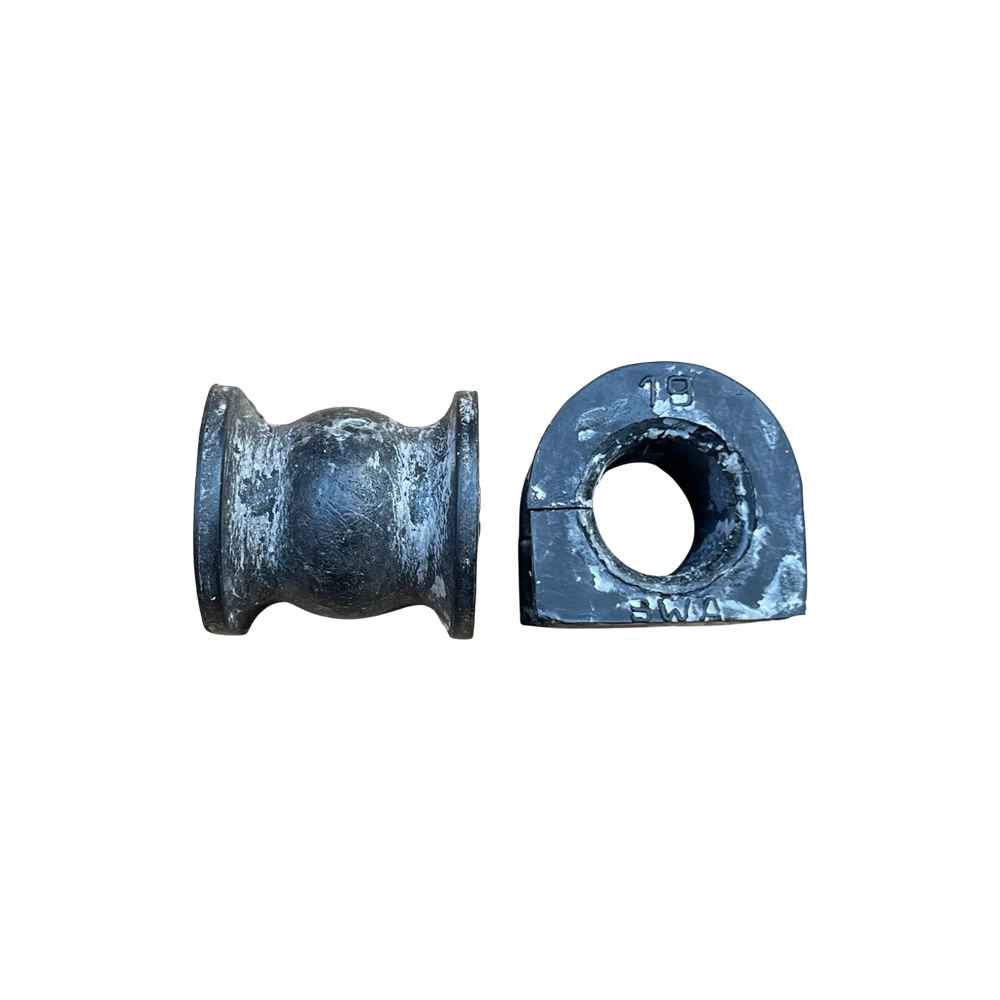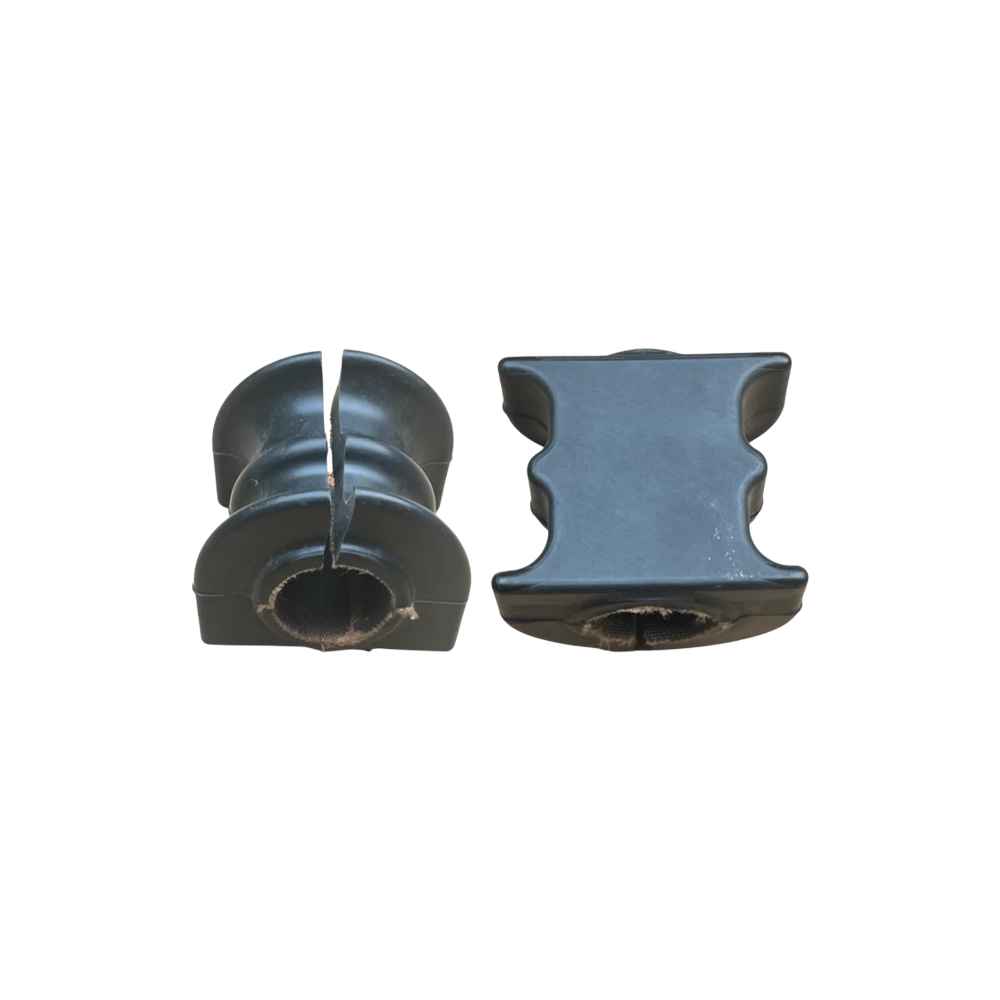
Understanding Sway Bar Bushings
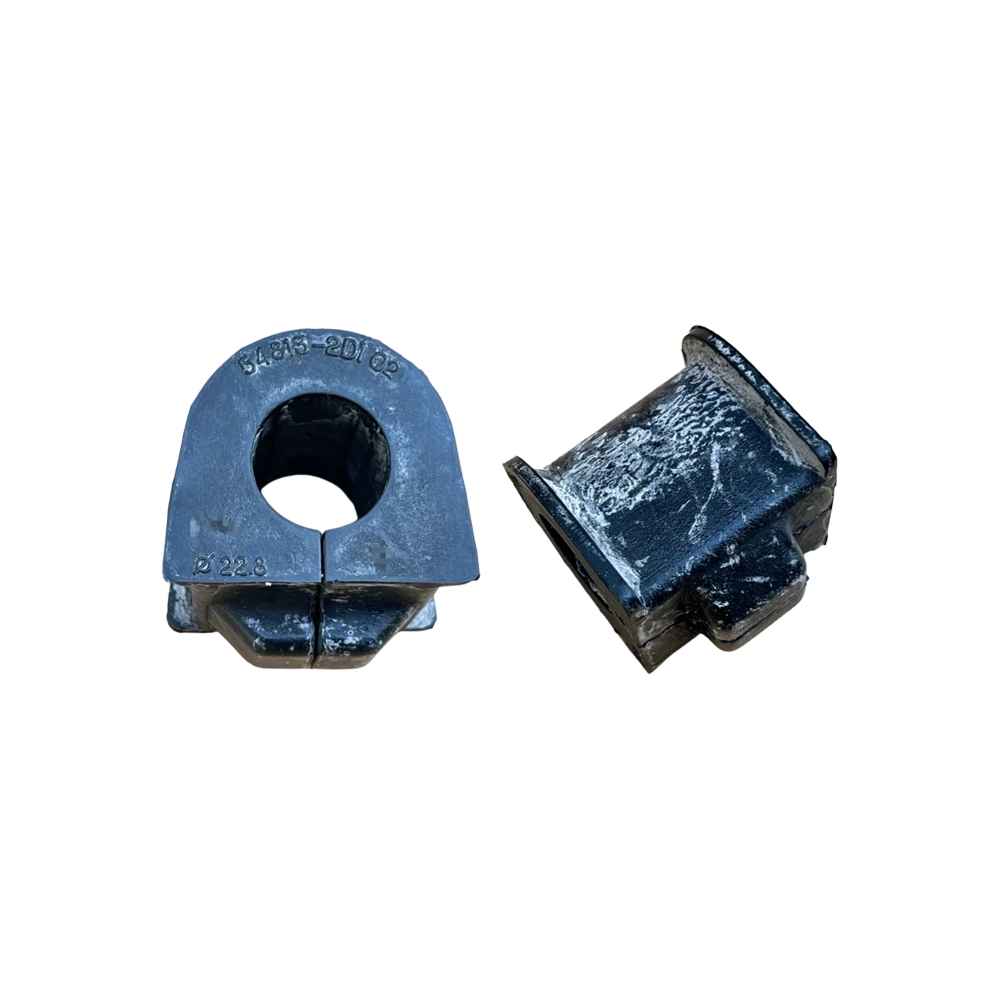
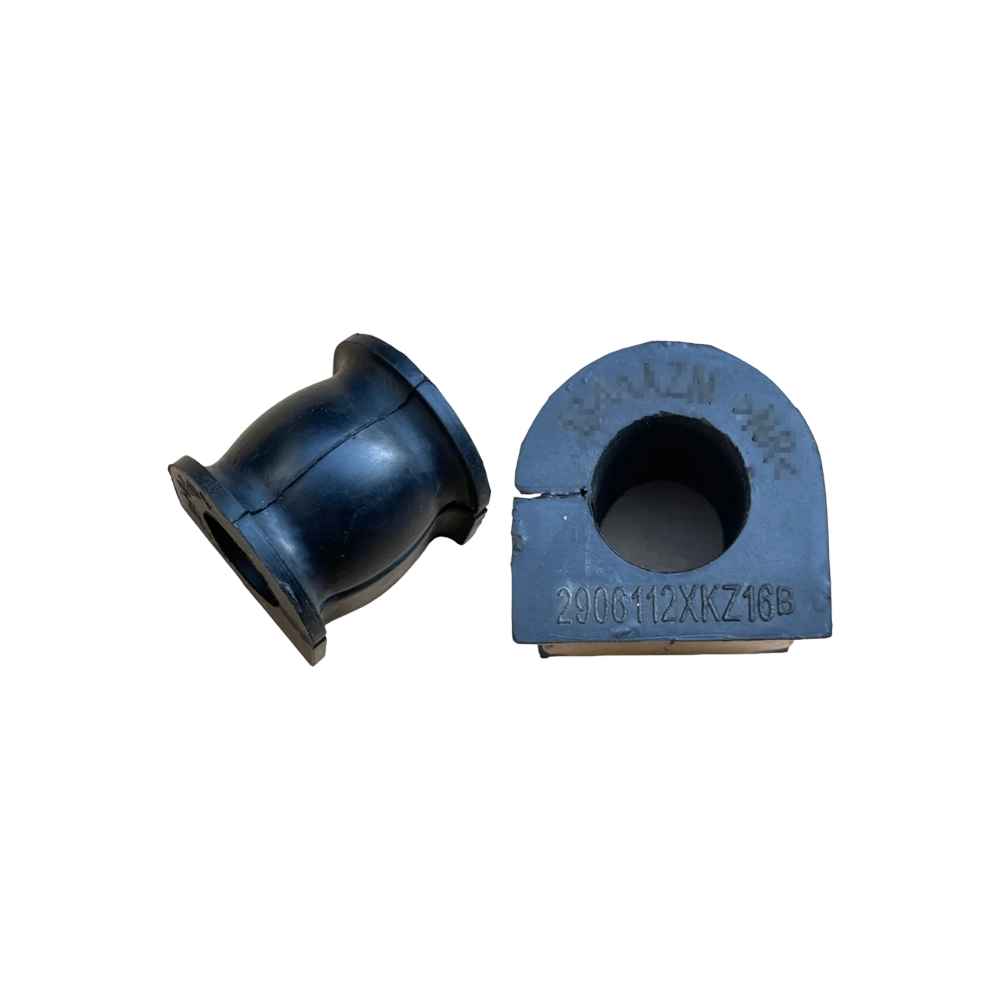
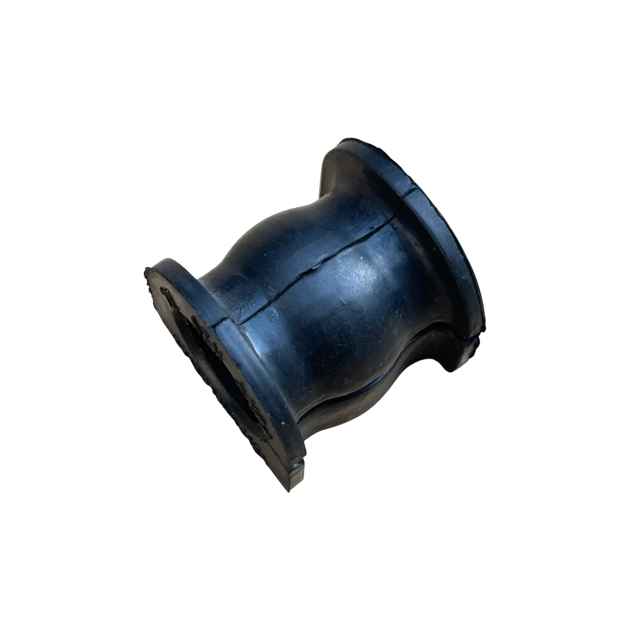
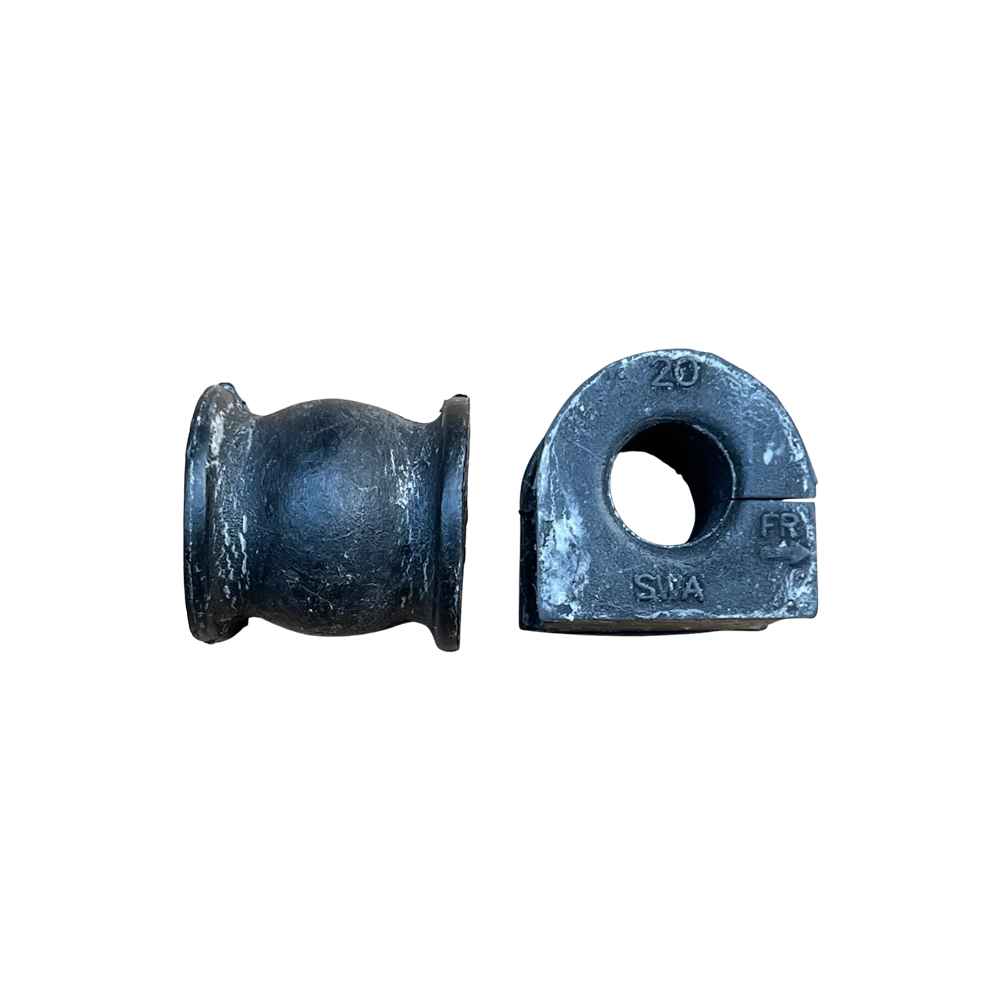
Sway bar bushings play a crucial role in the suspension system of off-road vehicles. Their primary function is to provide a pivot point for the sway bar, which helps reduce body roll during cornering and enhances overall stability. In high-performance off-road upgrades, selecting the right sway bar bushings can make a significant difference in vehicle handling and performance.
What Are Sway Bar Bushings?
Sway bar bushings are typically made from rubber or polyurethane, designed to cushion the connection between the sway bar and the vehicle frame. The materials used can significantly affect the ride quality and responsiveness of the suspension system. For off-road enthusiasts, upgrading to higher-quality bushings can improve articulation and allow for better handling on rugged terrains.
Importance of Upgrading Sway Bar Bushings
- Improved Stability: High-performance sway bar bushings minimize lateral movement, enhancing the vehicle's stability during sharp turns and uneven surfaces.
- Enhanced Durability: Performance-oriented bushings, such as those offered by Guanghua, are engineered to withstand extreme conditions, providing longevity even in the toughest environments.
- Better Responsiveness: Upgraded bushings improve feedback from the suspension, allowing drivers to feel more connected to the road or trail.
Selecting the Right Sway Bar Bushings
Choosing the right sway bar bushings entails considering several factors. Different driving styles and terrain types will require different levels of stiffness and material properties.

Material Considerations
When it comes to materials, there are primarily two choices: rubber and polyurethane. Rubber bushings tend to be softer, providing a smoother ride but may wear out quickly under demanding conditions. Polyurethane, on the other hand, offers increased stiffness and durability, making them an excellent choice for high-performance scenarios.
Stiffness Levels
The stiffness of the bushings also plays a vital role. Softer bushings can absorb more shock, making them suitable for everyday driving and light off-road use. However, for serious off-roaders, stiffer bushings are recommended to achieve maximum control over the vehicle’s dynamics.
Installation Tips
Installing sway bar bushings isn’t overly complex, but attention to detail is key. Here are some tips to ensure a successful upgrade:
- Preparation: Before beginning, ensure you have all necessary tools and parts, including new O-Rings & Rubber Sealing Rings if needed.
- Jack Up the Vehicle: Secure the vehicle on jack stands to ensure safety while working underneath.
- Remove Old Bushings: Carefully pry off the old bushings. You may need to use some lubricant to ease the process.
- Install New Bushings: Align the new bushings with the sway bar, ensuring they fit snugly into place. Don't forget to check the Shock Absorber Boots for any damage that could impact performance.
- Test Drive: Once everything is reassembled, take the vehicle for a test drive to ensure proper installation and functionality.
Common Issues and How to Spot Them
Even with high-quality parts, issues can arise. Here are common signs indicating that your sway bar bushings might be failing:
- Squeaking Noises: A common indication of worn-out bushings, often due to lack of lubrication.
- Increased Body Roll: If you notice more sway than usual during turns, this could indicate that your bushings need replacement.
- Vibration: Excessive vibration felt through the steering wheel can also signal that the bushings aren't performing optimally.
Conclusion
Upgrading sway bar bushings is one of the most effective ways to enhance your off-road vehicle's performance. By considering factors like material and stiffness, you can find the perfect balance for your specific needs. Brands like Guanghua offer reliable options that stand up to challenging terrains. Don’t overlook this essential component; it could mean the difference between a smooth ride and a rough journey.