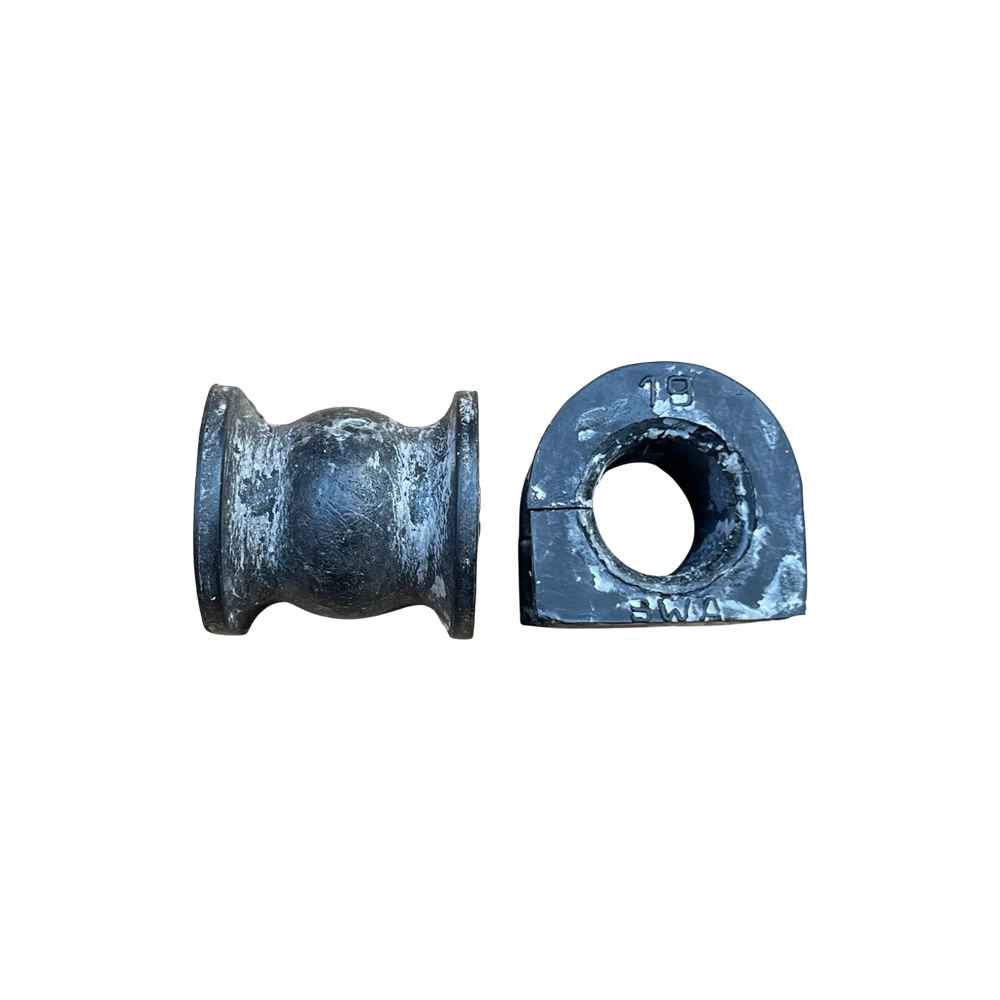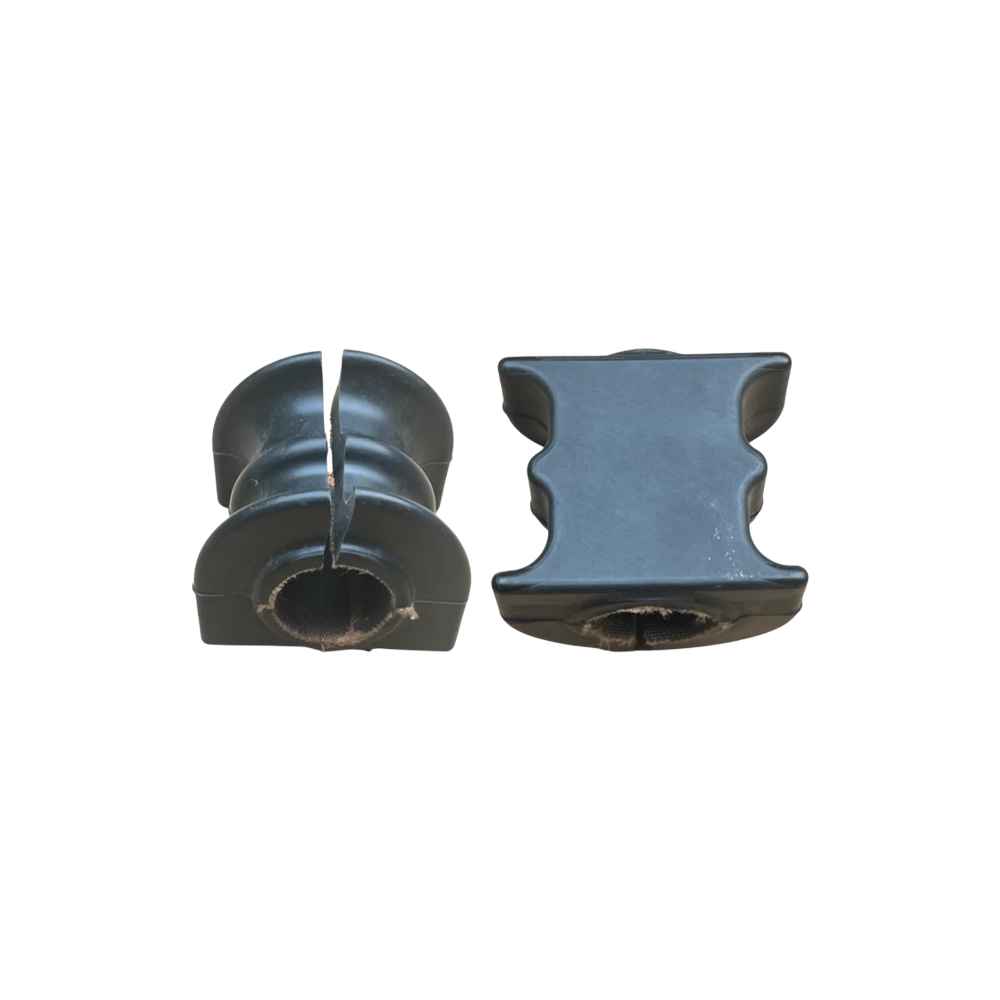
Trends Impacting the Steering Rack Boot Market
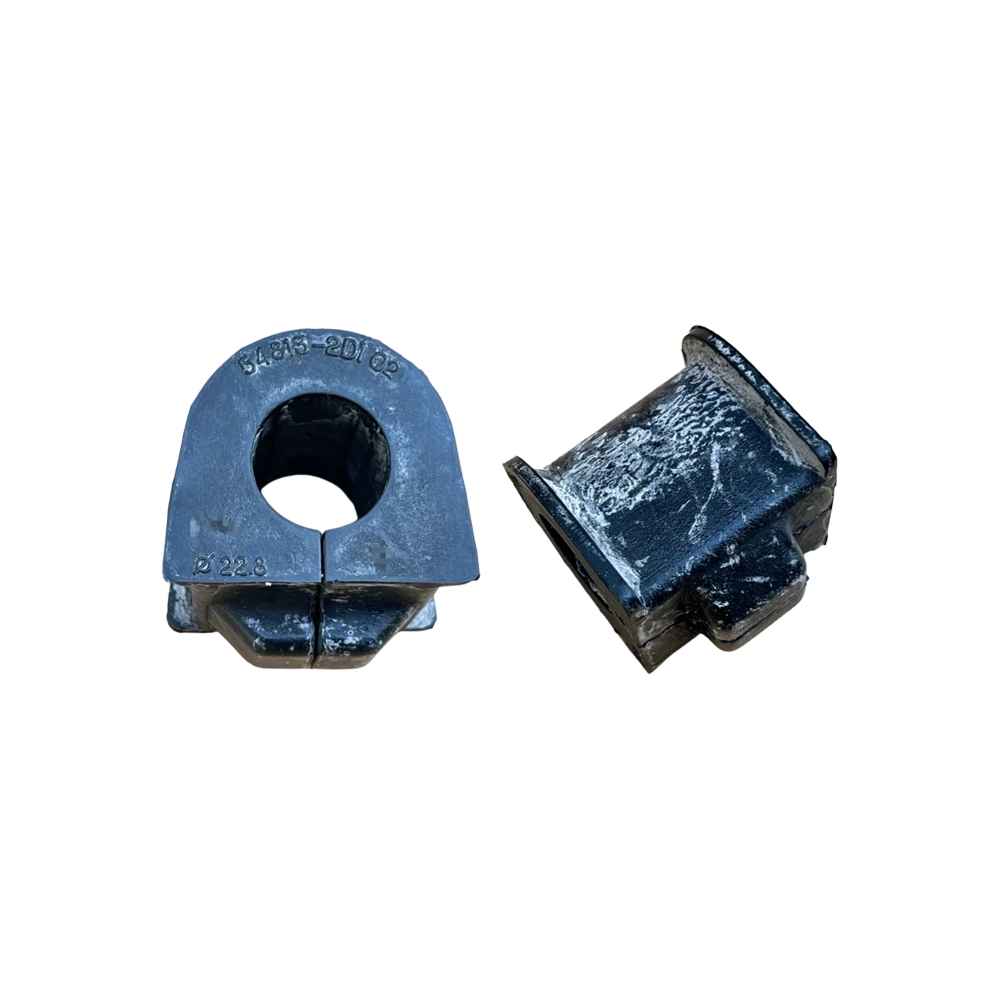
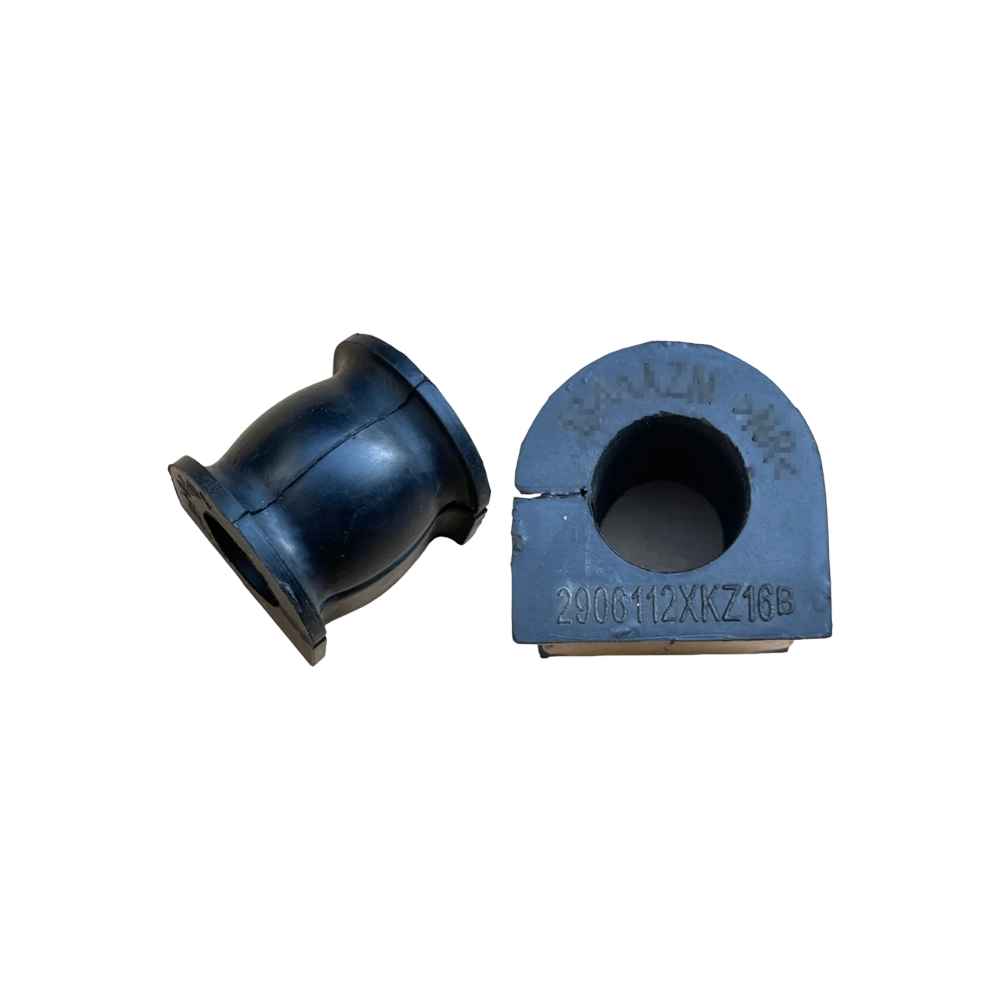
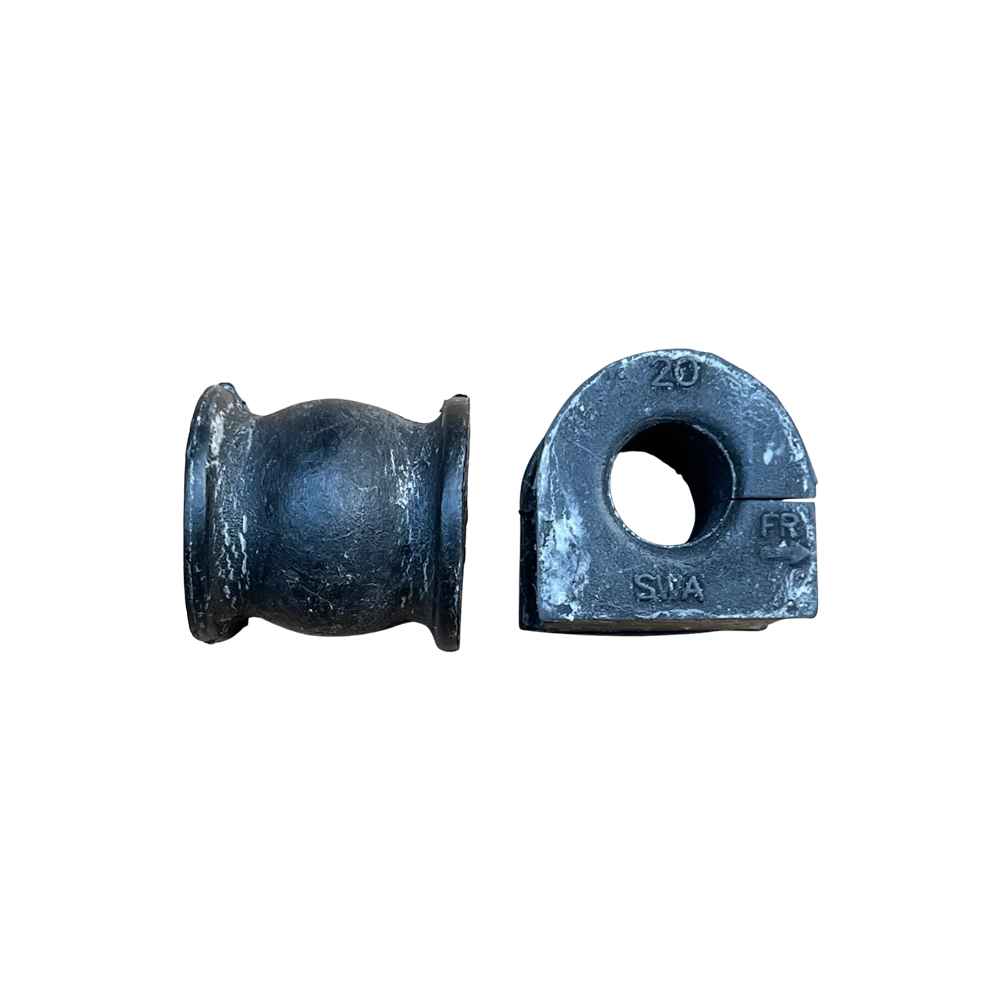
The automotive aftermarket is witnessing a paradigm shift as we approach 2025. One of the significant components in this evolution is the steering rack boot, an integral part of vehicle steering systems designed to protect essential components from dirt and debris. The demand for these boots is expected to surge, driven by several key trends.
Increasing Vehicle Sales and Ownership
As global vehicle sales continue to rise, particularly in emerging markets, the need for replacement parts like Steering Rack Boots will naturally increase. More vehicles on the road mean more maintenance and repair work, creating opportunities for B2B wholesale suppliers to capitalize on the growing market. Moreover, younger generations are increasingly leaning towards owning personal vehicles, which is likely to boost the aftermarket sector even further.
Technological Advancements
Innovation in materials and design is another factor that will shape the steering rack boot market. Manufacturers are now focusing on enhanced durability and better performance through advanced rubber compounds. Companies such as Guanghua are leading the way by introducing products that offer superior resistance to wear and environmental conditions. These advancements not only improve longevity but also enhance consumer trust in aftermarket parts.
Rise in DIY Maintenance
There's a noticeable trend toward do-it-yourself (DIY) vehicle maintenance among car enthusiasts and average consumers alike. This rising demand for accessible and high-quality parts has opened the doors for wholesale suppliers to cater not just to traditional mechanics but to everyday users. The availability of Steering Rack Boots at competitive prices and online platforms enables consumers to easily source what they need without relying solely on service centers.
Challenges in the Steering Rack Boot Supply Chain
While there are numerous opportunities, there are also challenges that suppliers must navigate. The complexity of supply chains, especially post-pandemic, has highlighted vulnerabilities in sourcing materials and logistics. Ensuring timely delivery while maintaining quality standards will be crucial for businesses looking to thrive in this competitive market.
Quality Control and Compliance
With various regulations governing automotive parts, maintaining compliance can be a daunting task for B2B suppliers. Quality control is paramount; failing to meet industry standards could lead to recalls or reputational damage. Therefore, investing in robust quality assurance processes is not just beneficial – it’s essential.
Market Forecast and Potential Growth
Looking forward, the steering rack boot segment of the automotive aftermarket is primed for growth. Market analysts predict a compound annual growth rate (CAGR) as manufacturers respond to both consumer demands and regulatory requirements. Businesses that actively monitor these trends and adapt their offerings accordingly will be well-positioned to capture market share.
Emerging Markets
Particularly in Asia-Pacific regions, the automotive aftermarket is expected to grow significantly. A burgeoning middle class coupled with increased disposable income means that consumer spending on vehicle maintenance will likely soar. For suppliers, this translates into a lucrative opportunity to establish strong footholds in new territories.

Digital Transformation in B2B Sales
The digitalization of the B2B space cannot be overstated. Online marketplaces and e-commerce platforms are becoming crucial channels for reaching customers. Suppliers of Steering Rack Boots must prioritize building user-friendly online interfaces, utilizing SEO strategies, and engaging in digital marketing to attract a broader customer base.
Conclusion: Strategic Road Ahead
In summary, the future of steering rack boots in the global automotive aftermarket looks promising, with ample opportunities for growth and innovation. As players in this niche, it is vital to stay informed about industry developments, embrace technological advancements, and invest in quality to remain competitive. With the right strategies, businesses can navigate challenges and harness the potential of this evolving market landscape.