Understanding O-Ring Materials
When it comes to custom rubber O-rings, the choice of material is crucial. After all, you want something that not only fits perfectly but also withstands the harsh conditions of off-road adventures. So, let’s dive into some materials that stand out.
Nitrile Rubber (NBR)
Nitrile rubber, commonly used for O-rings, has excellent resistance to oils and fuels. This makes it a popular choice for applications where these elements are present, especially in off-road vehicles where ruggedness is key. Plus, it's affordable!
Fluoroelastomer (FKM)
If you're looking for something more specialized, fluoroelastomers like FKM are great for high-temperature environments. They handle extreme conditions like champs. Just a heads-up, they tend to be pricier than NBR, but hey, you get what you pay for, right?
Temperature and Chemical Resistance
High-performance off-road upgrades can expose your O-rings to a variety of temperatures and chemicals. Whether it’s mud, oil, or coolant, the right material will ensure longevity and reliability.
- Low Temperatures: Consider silicon rubber if your vehicle often encounters frost or snow.
- High Temperatures: For those scorching summer days, go with FKM.
Environmental Factors
Environment matters too! If your rig rolls through wet conditions, then you should look at EPDM (ethylene propylene diene monomer) rubber. It's fantastic for resisting water and UV rays. Trust me; you don’t want your O-rings cracking under pressure!
Durability Expectations
Now, durability should be on everyone’s checklist. Off-roading is no cakewalk, so your O-rings need to be tough enough to handle vibrations, impacts, and whatever else nature throws at them.
Customization Options
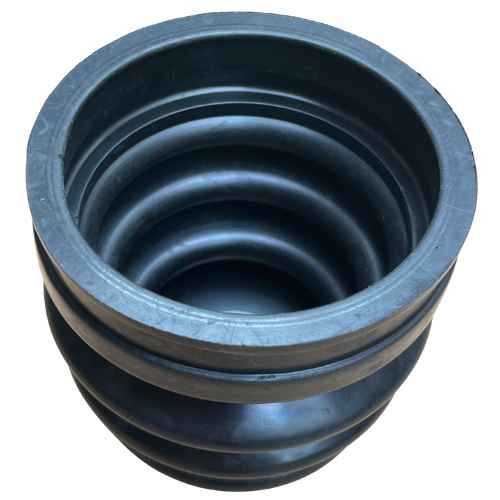
Did you know you can customize O-rings to fit your specific needs? Many manufacturers, including brands like Guanghua, offer custom sizes and shapes. This means you can fine-tune your setup for optimal performance in challenging terrains.
Common Mistakes to Avoid
Choosing the wrong material can lead to leaks, failures, and maybe even hazardous situations. A couple of common pitfalls are:
- Overlooking chemical compatibility—make sure your O-ring can handle the substances it’ll encounter.
- Ignoring temperature ranges—always check that your material is rated for your operational environment.
Why Go Custom?
While off-the-shelf O-rings can work for many applications, custom options allow you to fine-tune performance. This is particularly true when making high-performance modifications. Custom O-rings stay sealed better and last longer, which translates to fewer headaches down the road.
Installation Tips
It's not just about selecting the right material; installation matters too. Always make sure your O-rings are clean before applying them. Any dirt or debris can compromise the seal. And remember, lubricating the O-ring lightly can help it slide into place without damaging it.
Maintenance Matters
Regular inspection is vital. Check for wear and tear, especially after intense off-road sessions. Replacing worn-out O-rings promptly prevents bigger issues down the line, keeping your vehicle running smoothly.
Final Thoughts: Get It Right!
Investing time in choosing the right material for your custom rubber O-rings can drastically improve your off-road experience. Don’t skimp on quality. Whether it’s for sealing or protection, the right O-rings play an essential role in your vehicle’s performance.