Understanding Engine Gaskets
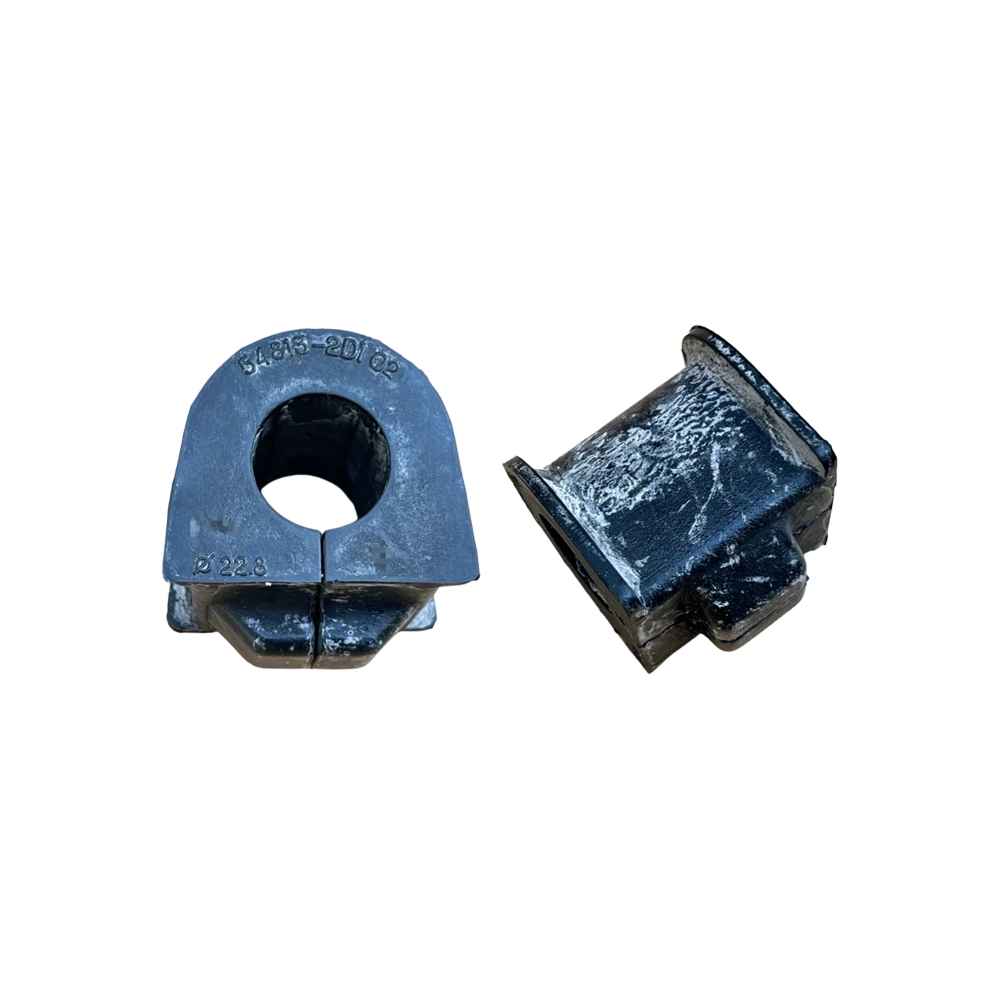
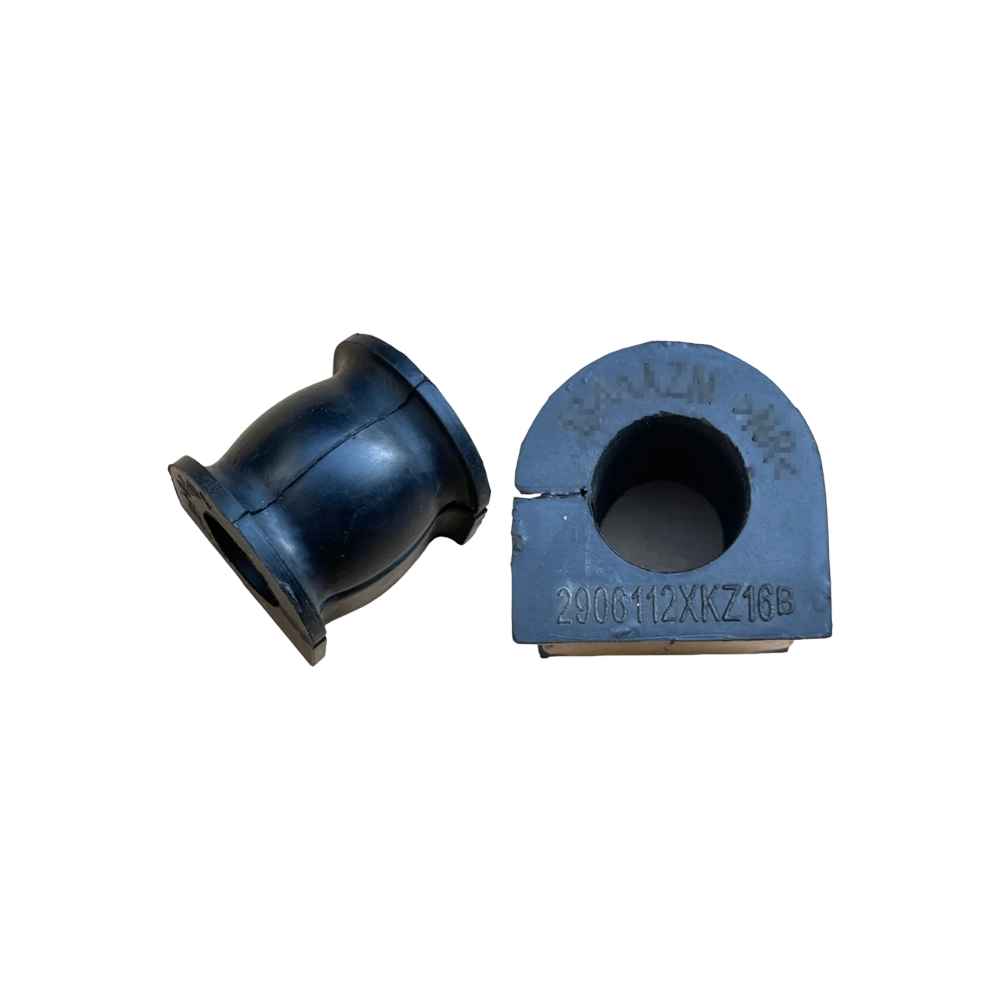
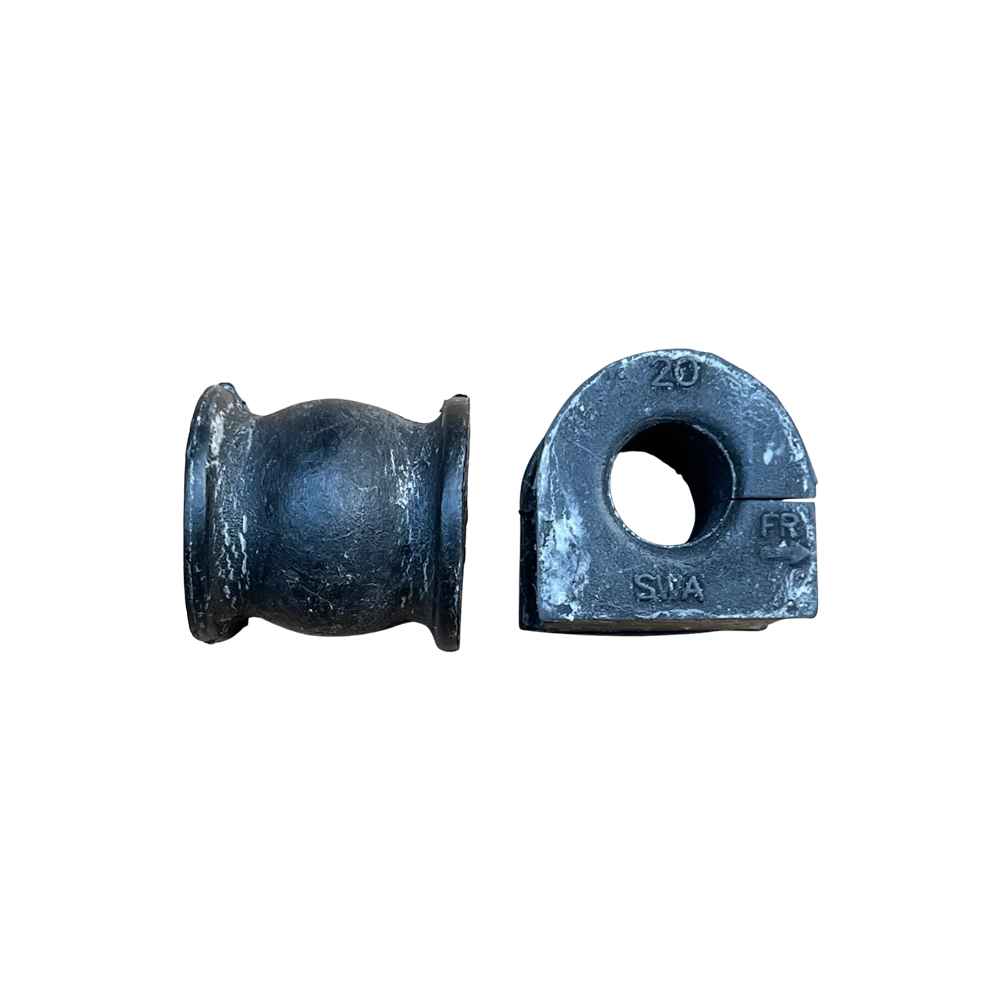
Engine gaskets play a crucial role in the integrity and performance of your vehicle's driveline and axle systems. They're essentially seals that prevent fluids from leaking between two or more mating surfaces. Choosing the right material for these gaskets can make all the difference when it comes to durability and efficiency.
Types of Gasket Materials
When selecting the appropriate gasket material, you’ve got several options. It's not just about picking one at random; various factors come into play, such as operating temperatures, pressure levels, and exposure to chemicals.
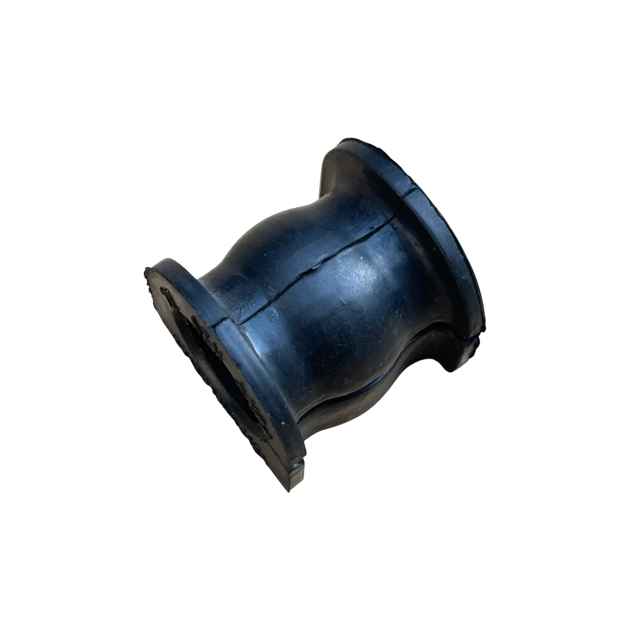
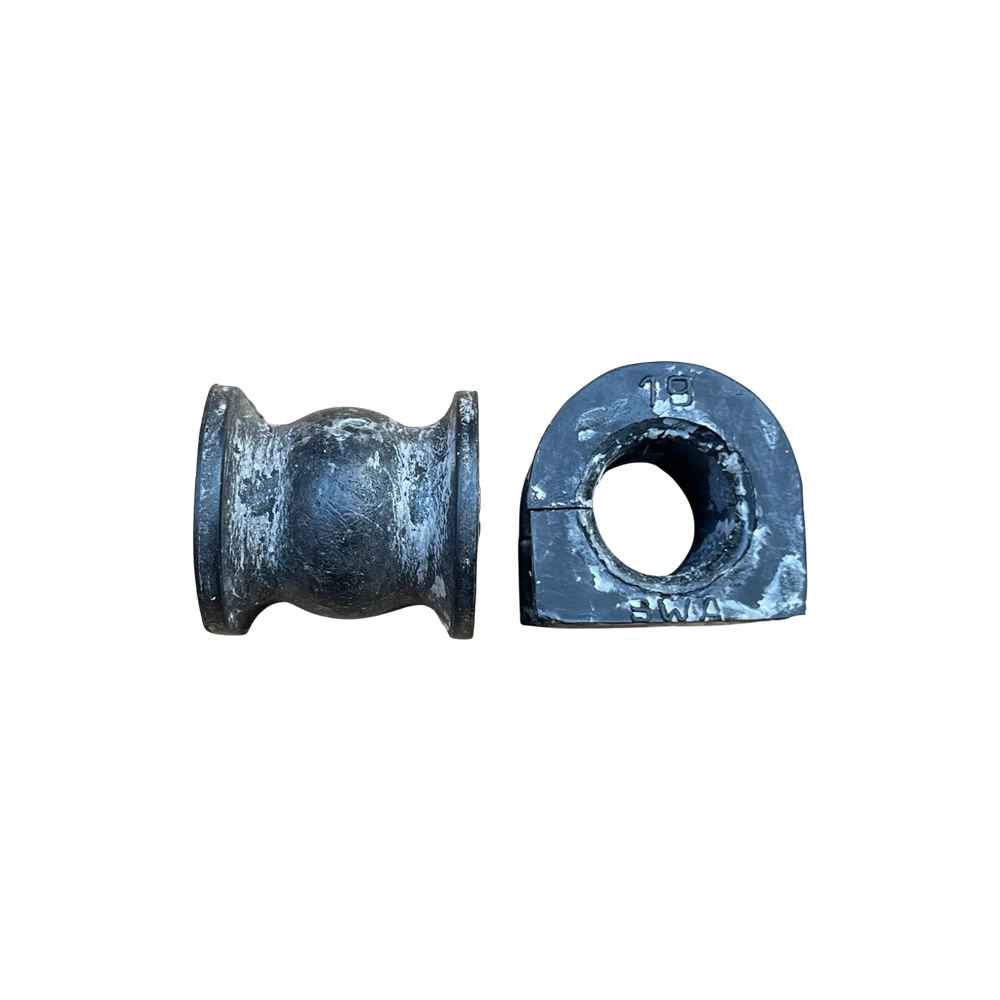
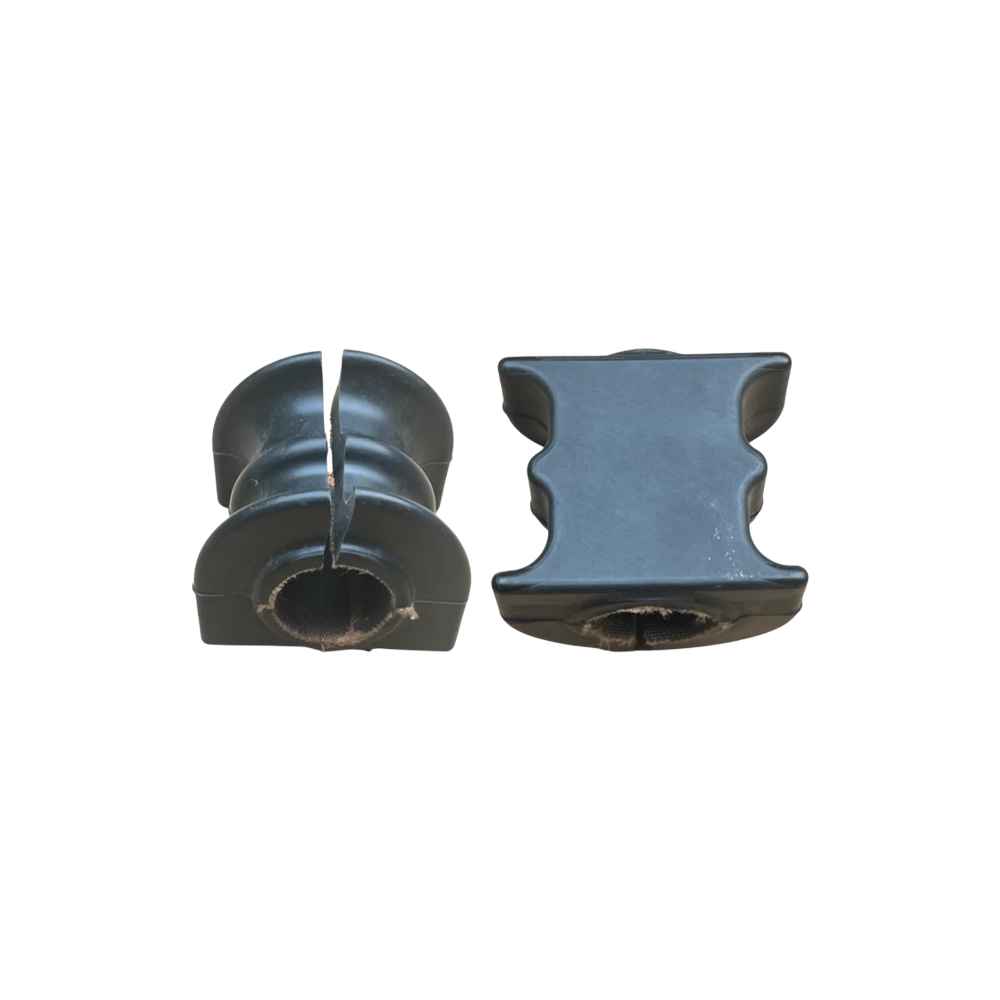
- Rubber Gaskets: These are quite popular due to their flexibility and ability to seal under compression. They can commonly be found in applications like O-Rings & Rubber Sealing Rings .
- Metal Gaskets: Often used in high-pressure situations, metal gaskets provide superior strength and longevity. They are usually made from materials like aluminum or steel.
- Composite Gaskets: These are often a hybrid of different materials, combining the best properties of rubber and metal. They're designed to endure varying conditions while maintaining an effective seal.
Factors Influencing Material Choice
Alright, let's dive into what influences your choice of gasket material. It’s not merely a matter of preference; there are some practical considerations involved.
Temperature Resistance
One key factor is temperature—engine compartments can get seriously hot. If you're dealing with a gasket exposed to high heat, you'll want something that won't warp or degrade. For instance, composites often handle high temperatures better than standard rubber.
Chemical Compatibility
Another important point is chemical resistance. Different vehicles have varying types of fluids flowing through them, and the last thing you want is a gasket that breaks down because it can't handle coolant or oil. Metal gaskets tend to do well here, especially in environments where chemical exposure is a common occurrence.
Specific Applications
Let’s talk specifics. Depending on the part of the driveline or axle system you’re repairing, the choice of gasket material may vary.
Valve Cover Gaskets
For valve cover gaskets, rubber or composite materials are typically preferred. They need to withstand engine vibrations and thermal cycling without failing.
Transmission Gaskets
In the case of transmission gaskets, metal or high-performance composites are often utilized due to the high pressures involved. A good seal here means smoother shifting and improved overall function.
Common Mistakes When Choosing Gasket Materials
Even seasoned mechanics sometimes slip up when it comes to selecting gasket materials. Here are a few common mistakes to avoid.
- Not considering the environment: Always evaluate whether the gasket will encounter extreme temperatures or harsh chemicals.
- Ignoring manufacturer specifications: Some vehicles, like those made by Guanghua, may have specific recommendations for gasket materials based on their unique designs.
- Overlooking installation techniques: Incorrect installation can lead to premature gasket failure, irrespective of the material chosen.
Final Thoughts on Gasket Selection
Choosing the right gasket material isn’t just about grabbing whatever looks good. It’s a blend of science and experience. Remember to consider all the influencing factors, and don’t forget to consult your vehicle's manual for guidance. A little research goes a long way to ensuring longevity and peak performance in your vehicle's driveline and axle systems.