Understanding Hydraulic Systems in Automotive
When it comes to automotive hydraulic systems, selecting the right materials for both inner and outer components is crucial. These systems rely heavily on optimal performance and durability, given the high-pressure environments they operate in. You see, whether it's the brake system or power steering, the materials you choose can significantly impact efficiency and longevity. Let's dive into what makes a good candidate for these applications.
Key Materials Used in Hydraulic Systems
There are several materials commonly used in hydraulic systems, each with its unique properties. Here’s a list of some essentials:
- Steel: Often used for tubing due to its strength and ability to withstand high pressures.
- Aluminum: Lightweight and corrosion-resistant, making it ideal for components where weight savings are critical.
- Rubber: Commonly used for seals and O-rings, rubber provides excellent flexibility and resistance to wear.
- Thermoplastics: These are gaining popularity; they're lightweight and can offer great chemical resistance.
Inner Components: The Heart of the System
The inner components of hydraulic systems typically include hoses, tubes, and fittings. Selecting the right material here is vital. For instance, the inner hoses need to be resilient enough to handle the fluid dynamics without rupturing. Rubber and thermoplastic elastomers often do the trick.
As an expert who's been around the block a few times, I've seen many folks skimp on quality when choosing inner materials. Trust me, using substandard products can lead to leaks and failure down the line, affecting performance drastically.
Outer Components: Protection Matters
Now let’s talk about the outer components—these guys need to protect the inner workings from external threats like dirt, moisture, and road debris. This is where things like CV Joint Boots and Steering Rack Boots come into play. They’re designed to keep the elements at bay while allowing smooth operation.
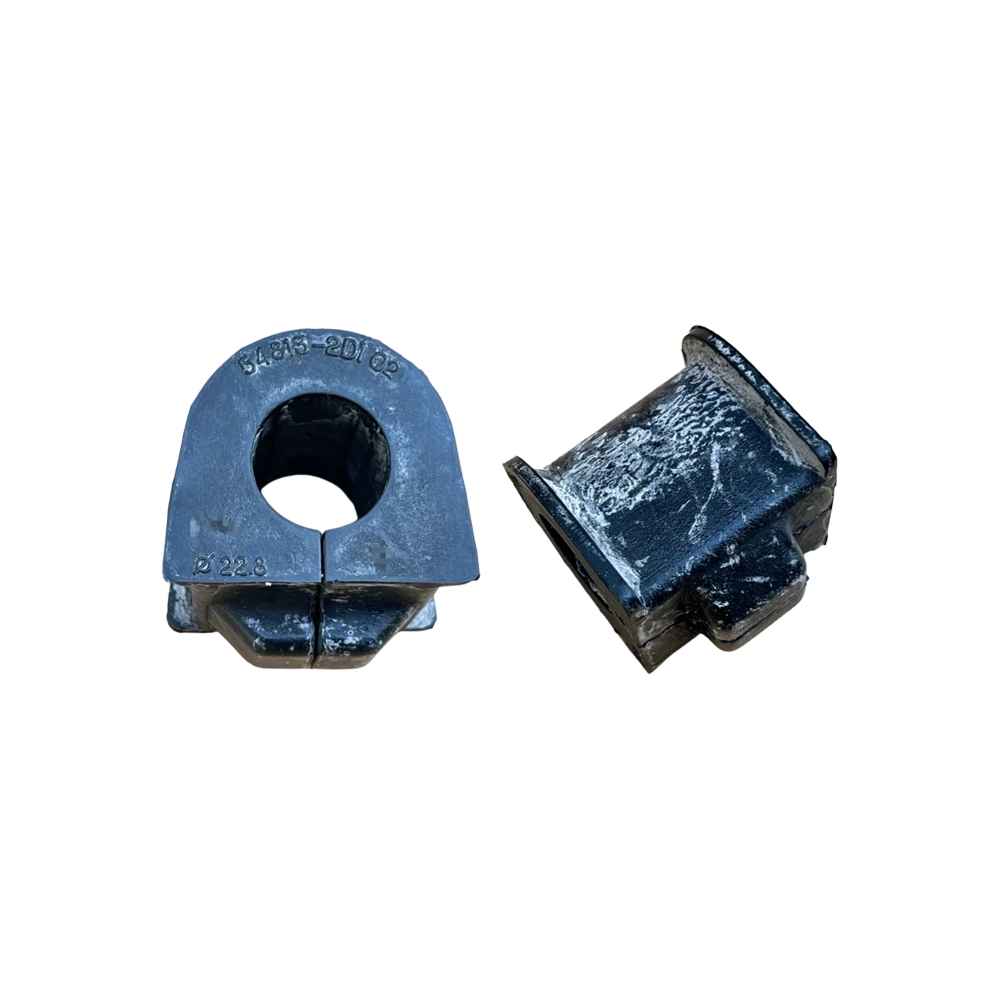
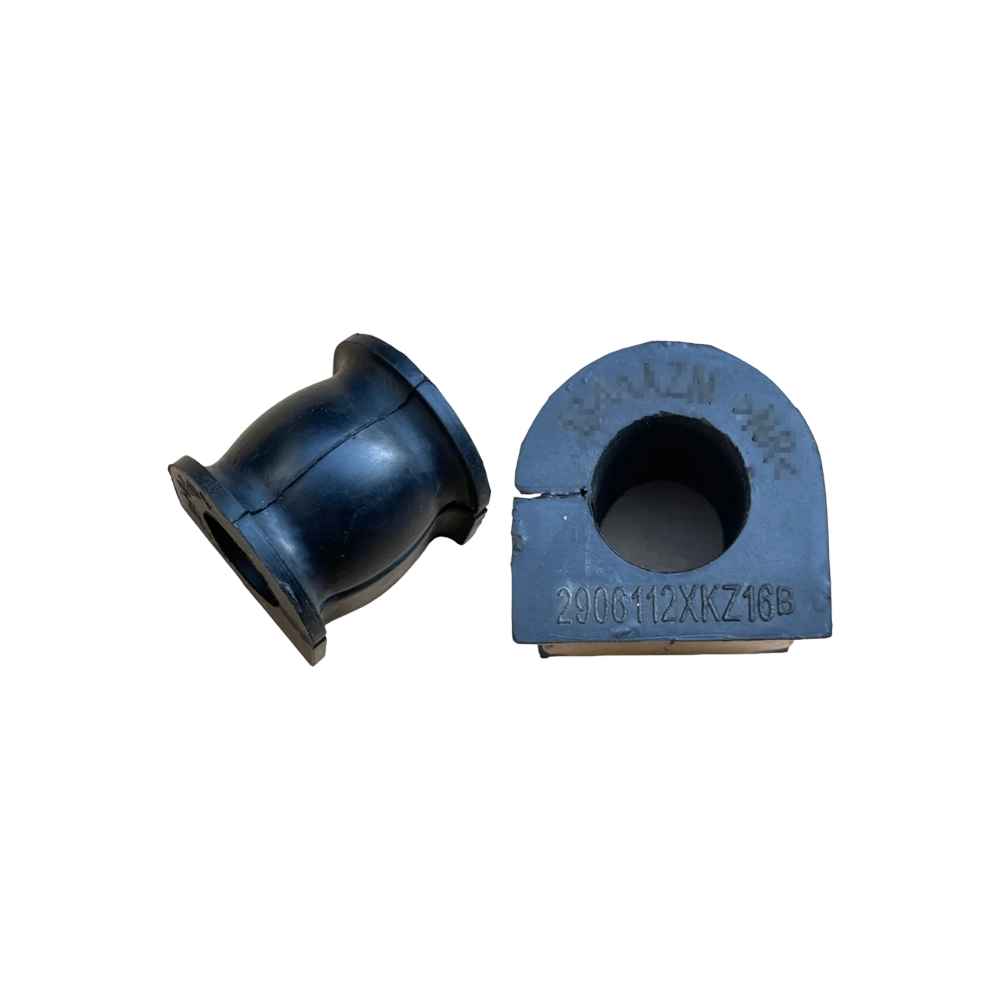
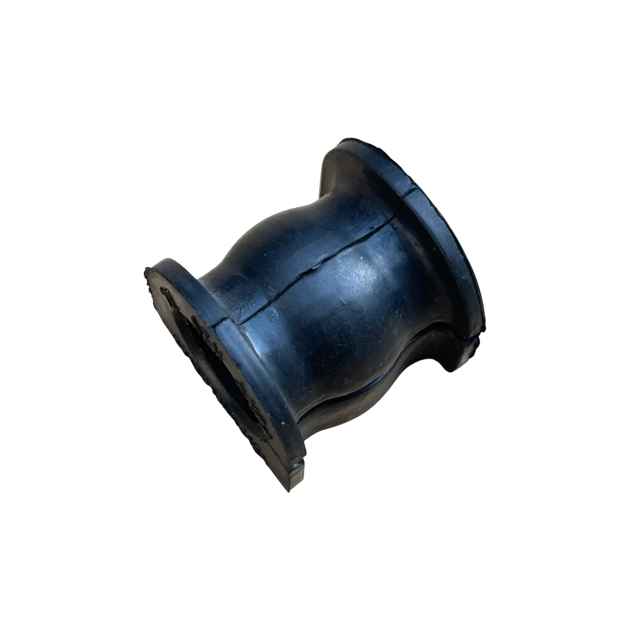
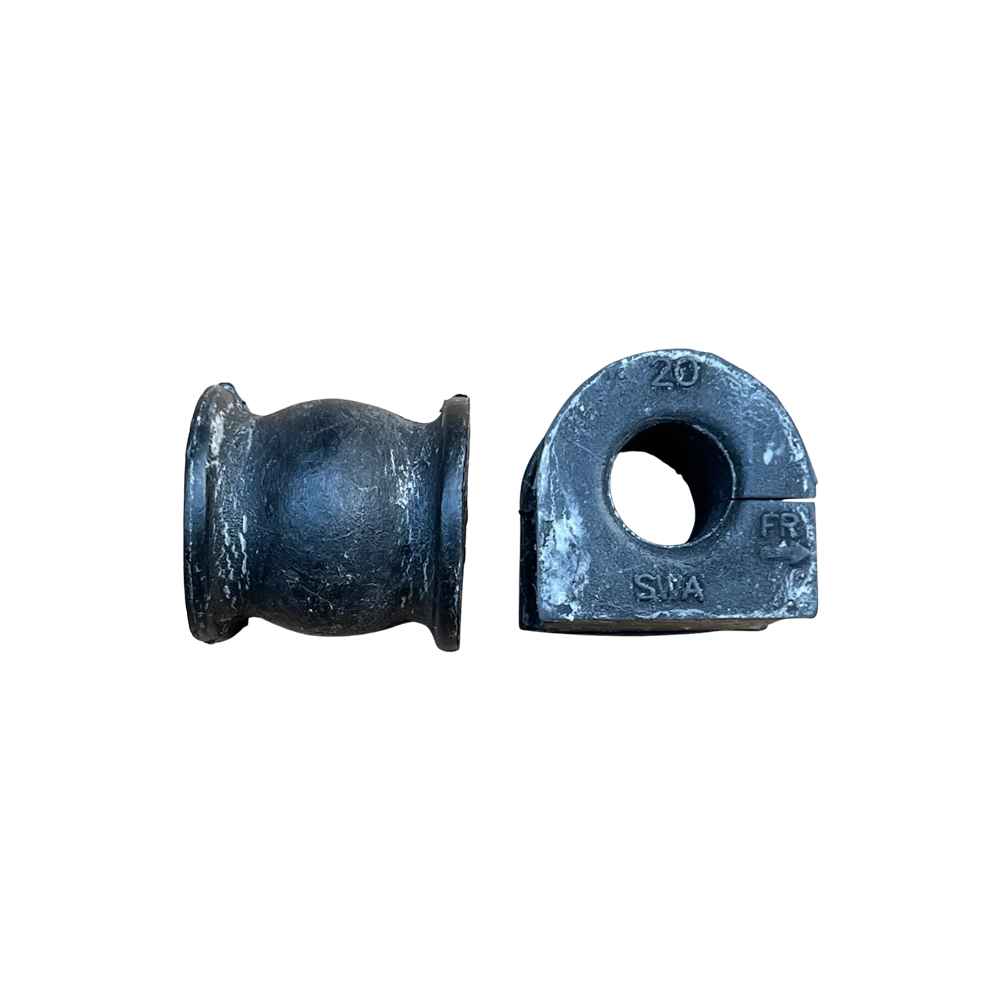
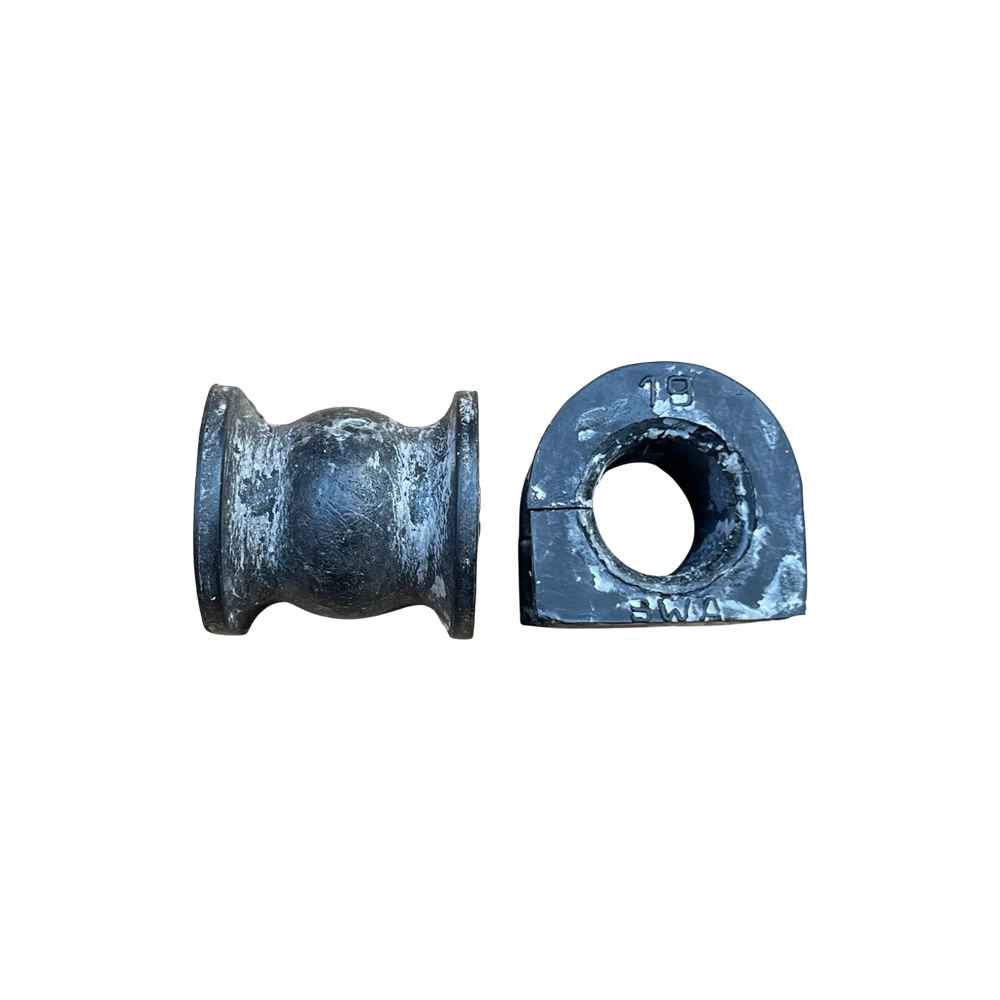
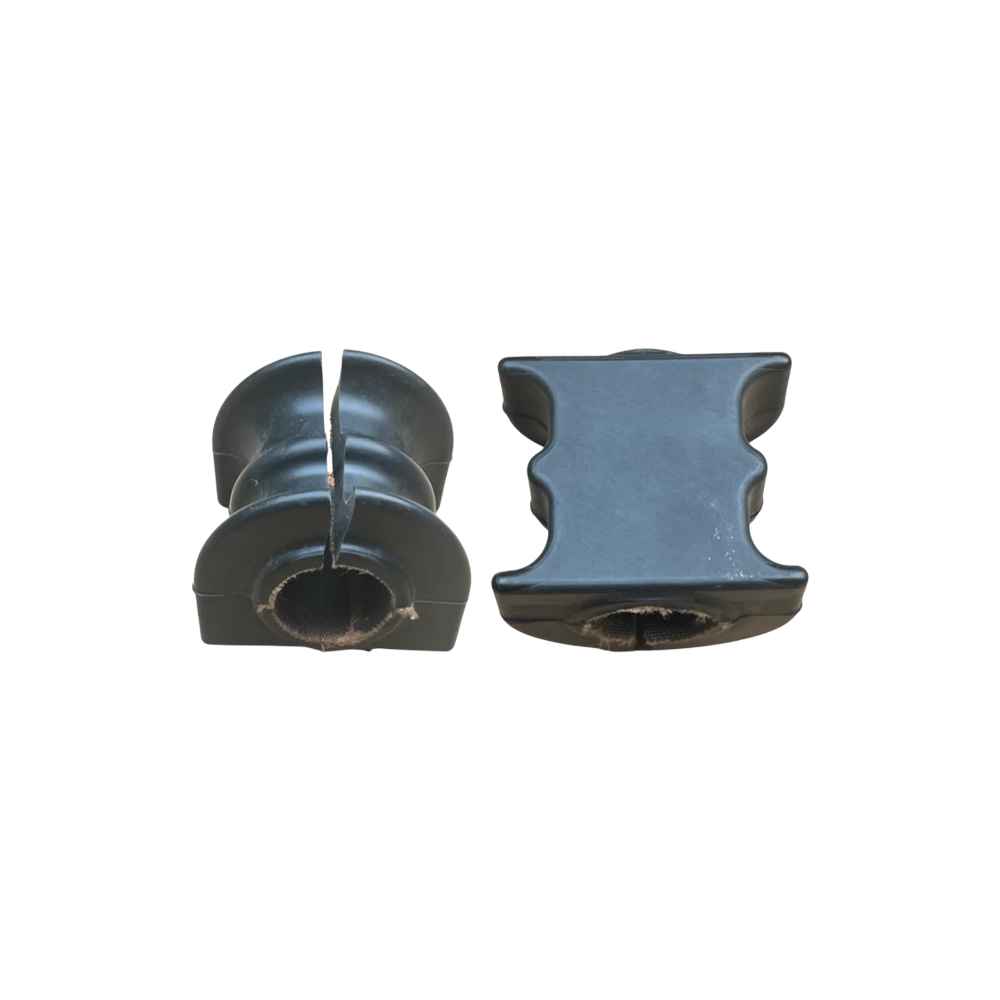
In my experience, investing in high-quality Stabilizer Bar Bushings can also make a world of difference, not just for durability but enhancing overall ride quality. It's all about achieving that perfect balance between function and protection.
Choosing the Right Sealing Solutions
Seals play a major role in hydraulic systems, preventing leaks and ensuring system integrity. O-Rings & rubber sealing rings are among the most common types used. It’s essential to select the right size and material based on the fluid type and operating temperatures.
For example, if you're working with hydraulic fluids that are particularly aggressive, you’ll want to opt for specialized rubber compounds that can withstand those conditions. Brands like Guanghua often provide reliable options for these types of components.
Performance Under Pressure
Remember that in hydraulic systems, pressure can reach significant levels. Therefore, the materials selected must not only be durable but also flexible enough to accommodate movement without cracking. This is why steel is often the go-to choice for rigid components, while rubber takes care of the joints and connections.
One tip I can share: always check the specifications and ratings of your chosen materials. Sometimes, manufacturers will have recommendations based on their own tests, which can guide you toward better choices.

Final Thoughts on Material Selection
In summary, picking the right materials for both inner and outer components in automotive hydraulic systems isn't something to take lightly. Each piece plays a pivotal role, and the right choices can enhance both performance and longevity. Whether it’s the robustness of steel or the flexibility of rubber, every decision adds up.
Take your time, do your research, and don’t hesitate to consult experienced professionals if you're unsure. A little investment upfront can save you a lot of hassle down the line!