Understanding Inner and Outer Materials
When it comes to high-performance off-road upgrades, choosing the right materials for inner and outer components can make a significant difference in performance and durability. You see, different terrains demand different strengths and flexibilities. So, let’s dive into this headfirst!
Metals vs. Composites
Now, one of the first things that pops up is the debate between metals and composites. Metals, like aluminum and steel, offer great strength but can be heavy. On the flip side, composites are lighter and often more resistant to corrosion, which makes them pretty appealing. However, they may not always withstand impacts as well as metals.
- Aluminum: Lightweight and corrosion-resistant, great for off-road applications.
- Steel: Heavy-duty and durable; perfect for rugged terrains but at the cost of weight.
- Composites: Super lightweight, excellent for shock absorption, yet can be pricier.
Specific Applications
You gotta consider what each component does. For example, CV Joint Boots need flexibility to handle extreme angles. If you’re looking at something like the Steering Rack Boots , durability against dirt and moisture is key. Here’s a breakdown:
- CV Joint Boots : Look for rubber compounds that can flex without cracking.
- Steering Rack Boots: Opt for reinforced materials to avoid tears from debris.
- Shock Absorber Boots: These should be made from tough rubber to withstand road impacts.
Weather Resistance
You know, the weather can throw a wrench in your off-roading plans. From hot deserts to cold mountains, your materials need to hold up. This means considering UV resistance and the ability to withstand temperature swings. For instance, Guanghua offers products designed specifically for harsh environments—definitely worth checking out!
Cost vs. Performance
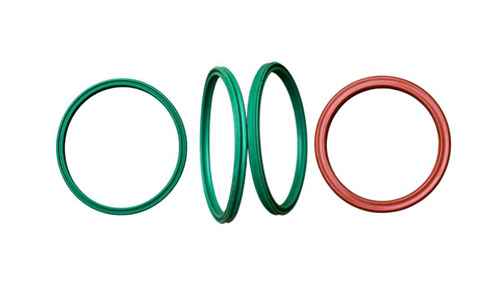
Let’s talk about budget. It’s tempting to go for the cheapest option, but remember, sometimes you get what you pay for. Investing in quality materials now can save you money down the line. Consider O-Rings & Rubber Sealing Rings; better quality means fewer leaks and less maintenance later on.
Maintenance and Upkeep
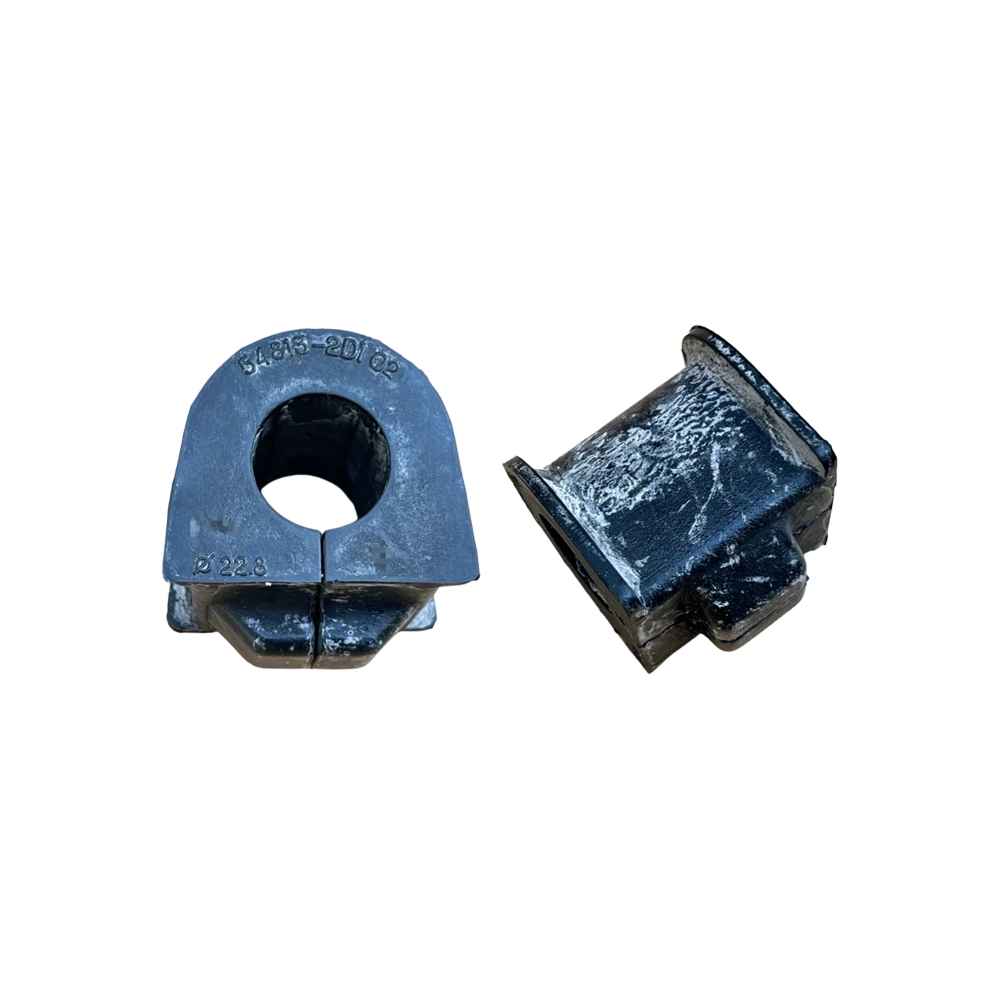
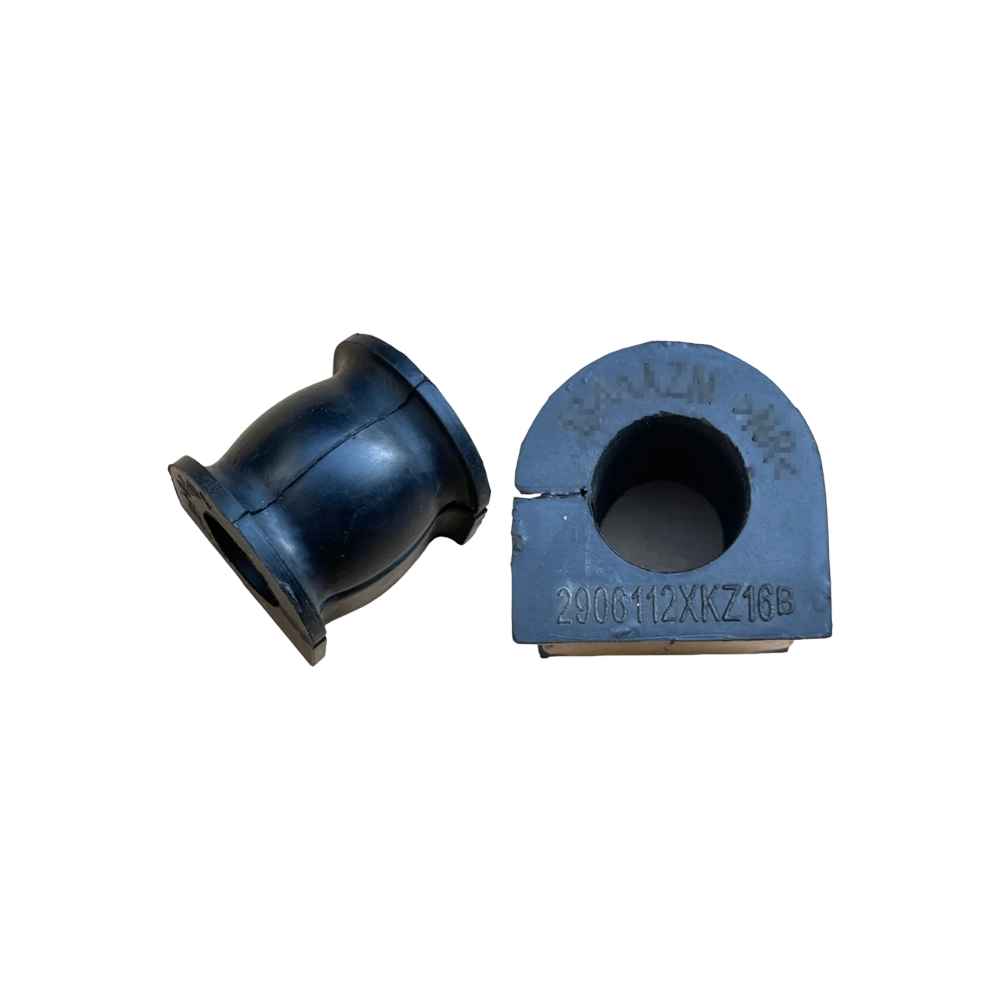
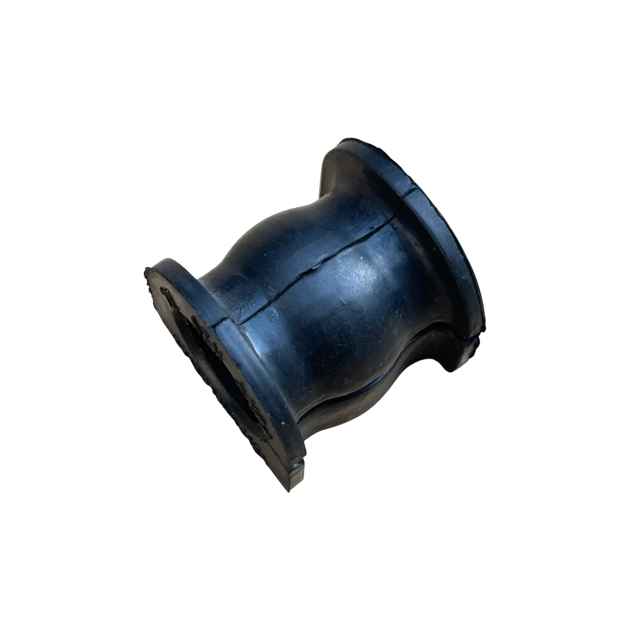
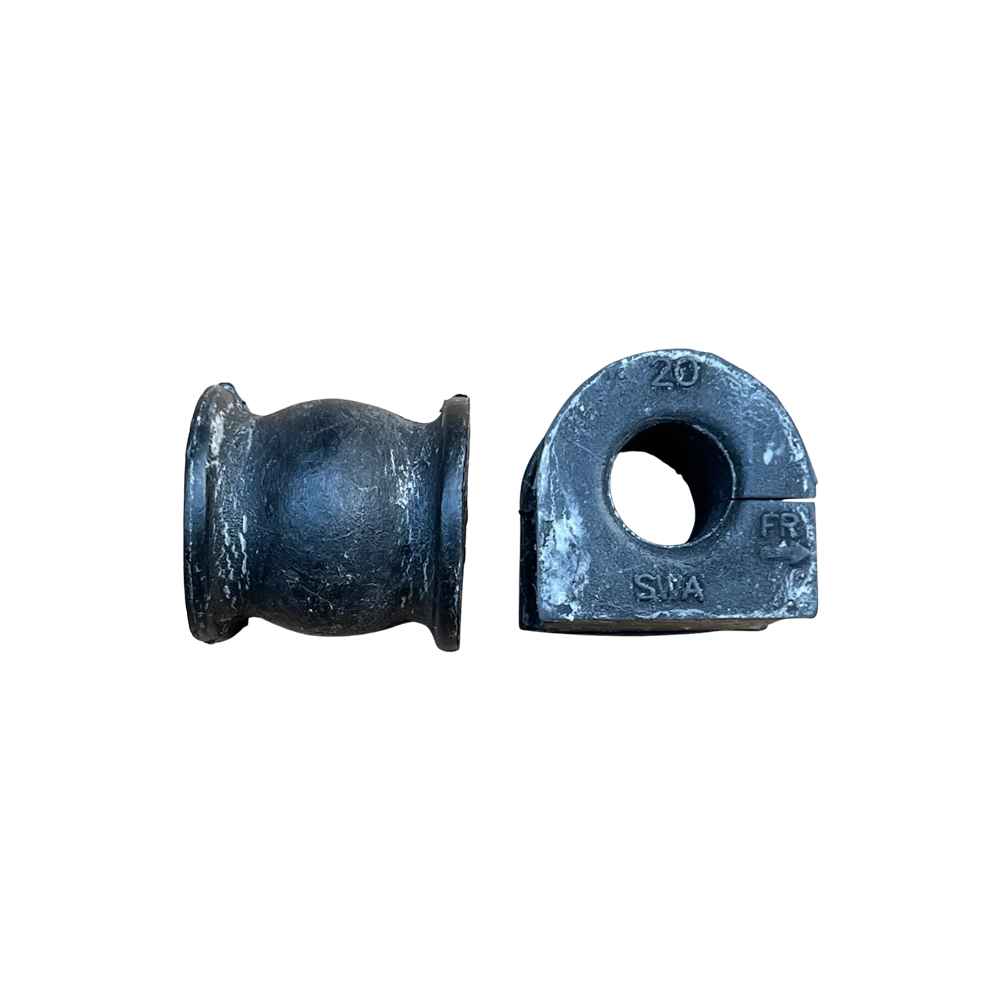
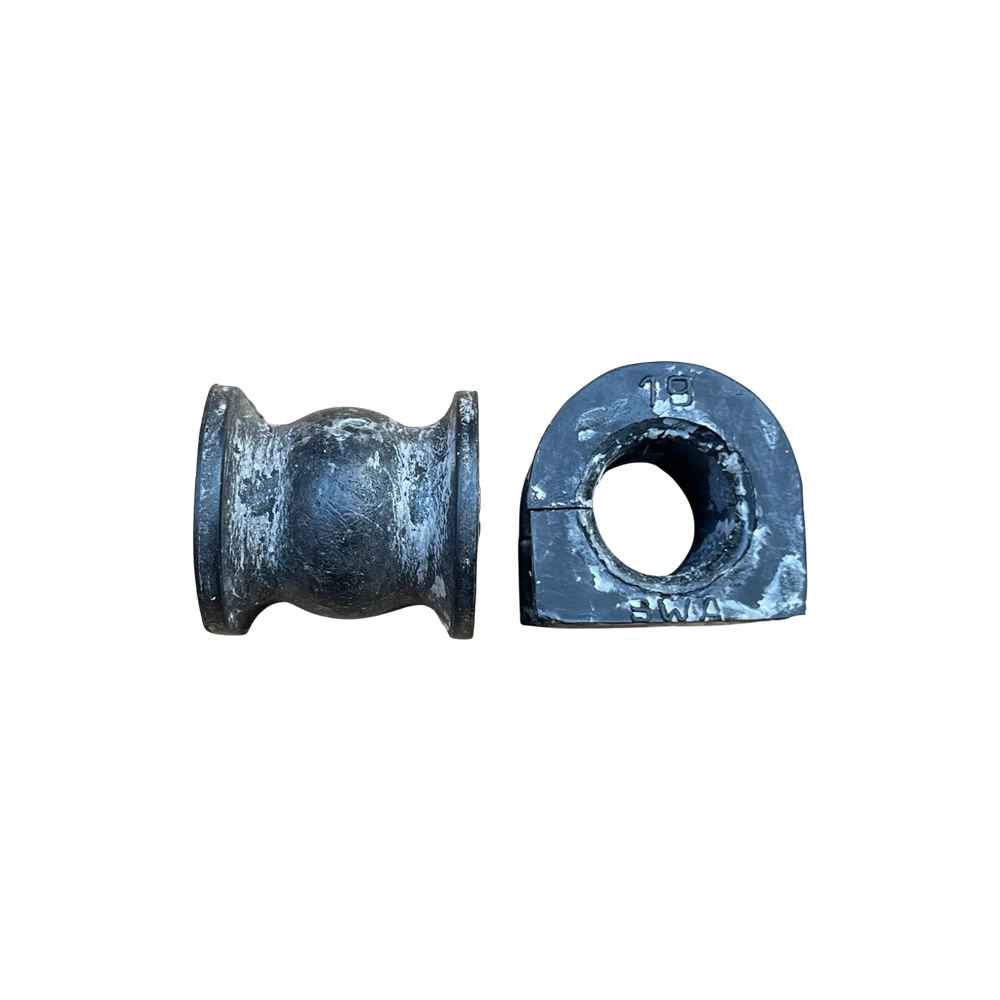
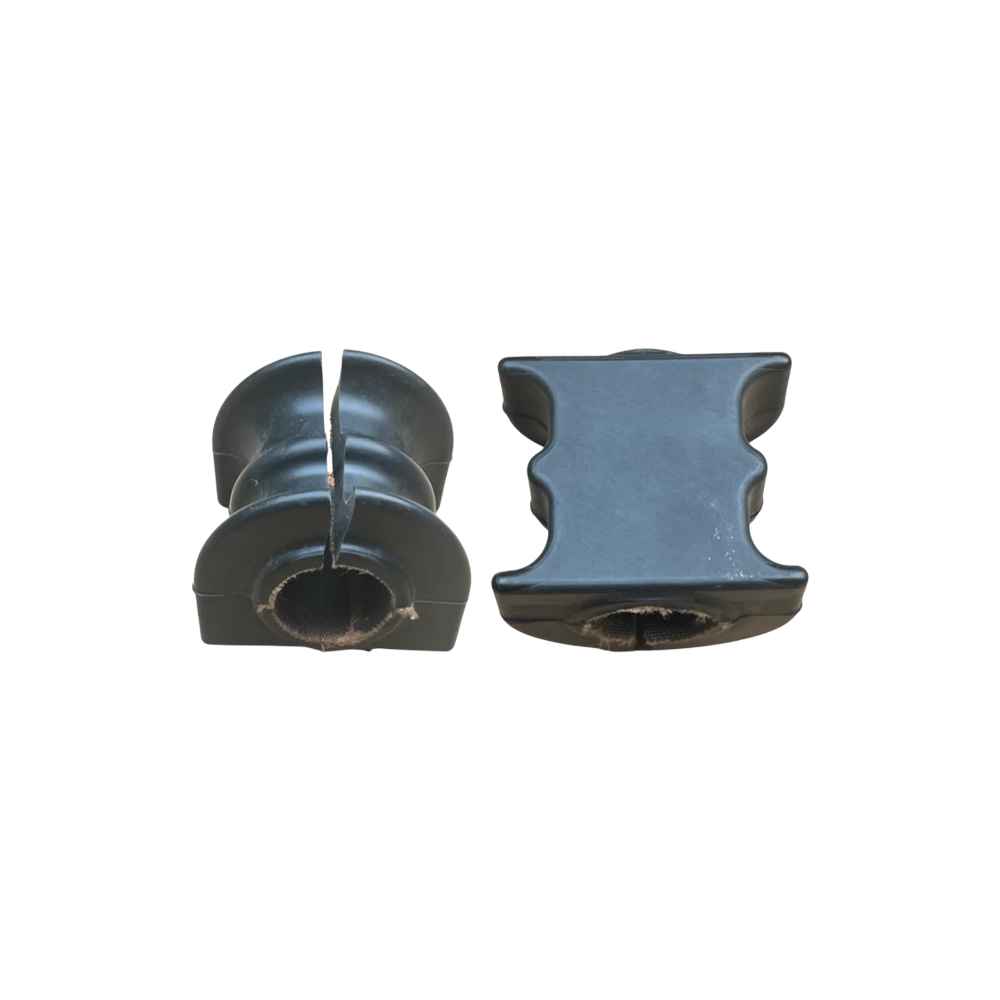
No matter how great your materials are, they’ll need some TLC. Regular inspection of parts like stabilizer bar bushings can prevent bigger problems later. If you neglect them, the performance dips and repairs could hit your wallet hard.
Testing and Trials
Before you settle, testing is a must! Whether you're upgrading your suspension or dealing with drive shafts, try different materials under real conditions. That’s where you see true performance—nothing beats getting your hands dirty! And yes, don’t forget to factor in the type of terrain you’ll be conquering.
Final Thoughts on Material Choices
So, to wrap it all up (not really!), choosing the right material is all about balancing performance, cost, and the specific requirements of your off-road adventures. Mix and match based on personal preferences and actual needs, and you'll be golden. Just keep an eye out for those little details that make a big difference.
Remember: the right components lead to a smoother ride, and who doesn’t want that when they’re tearing up the trails? Happy off-roading!