Understanding the Importance of Leak-proof Materials
Leak-proof materials in chassis steering and suspension systems are crucial. Why is that? Well, simply put, if there's a leak, the whole system can fail. Take, for example, the vital role of CV Joint Boots . They protect the CV joints from dirt and debris while retaining lubrication. A small tear could lead to catastrophic failures; who wants their car breaking down at a critical moment?
Common Leak Points in Steering and Suspension Systems
- Steering Rack Boots
- Shock Absorber Boots
- O-Rings & Rubber Sealing Rings
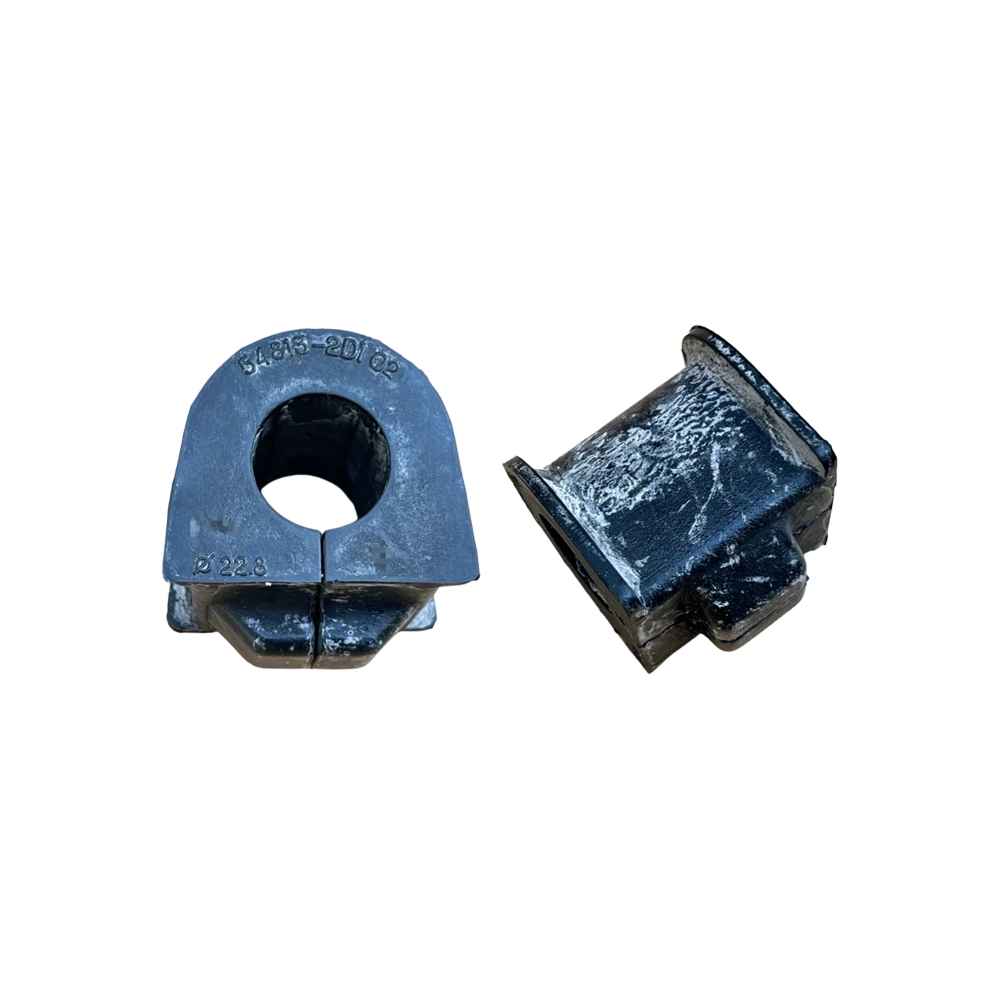
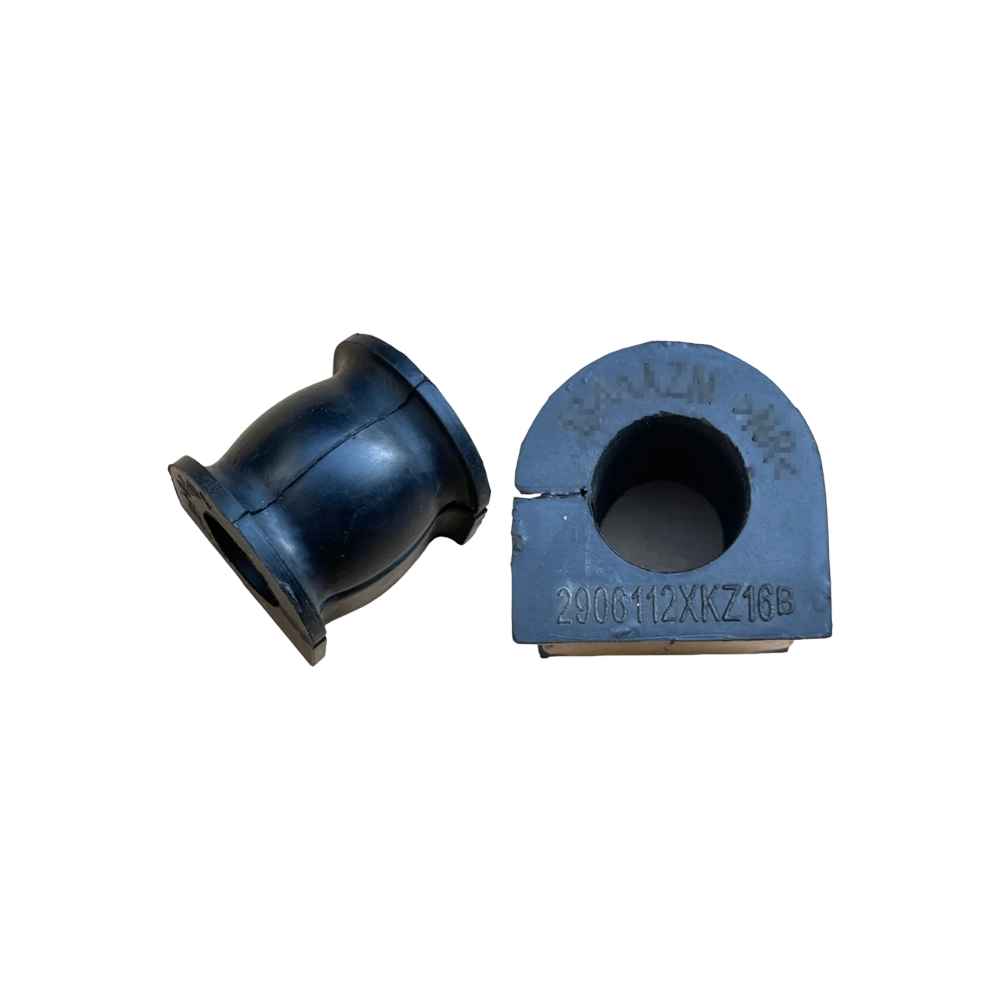
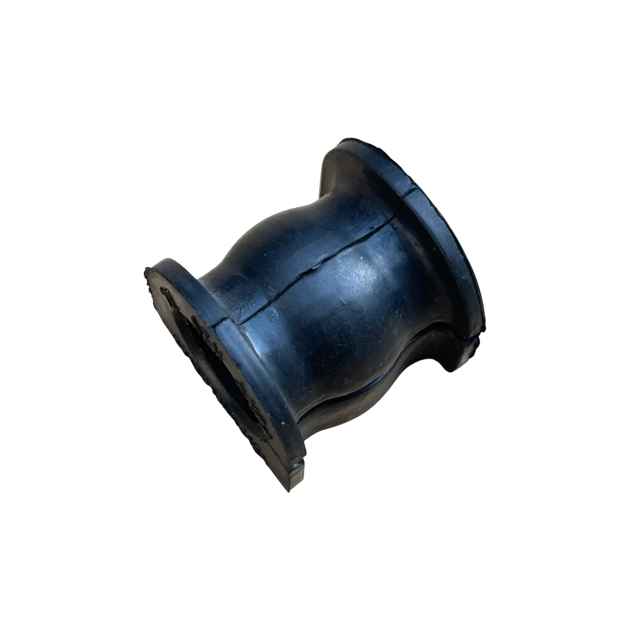
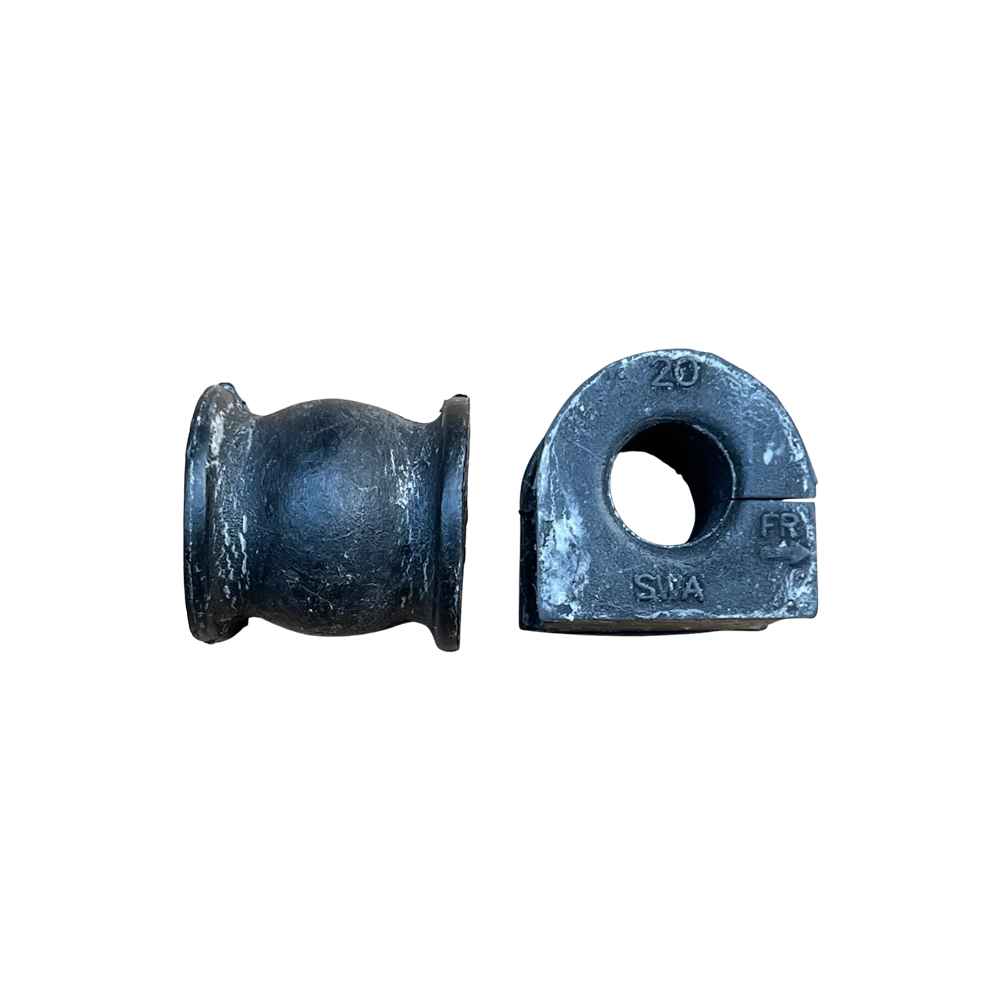
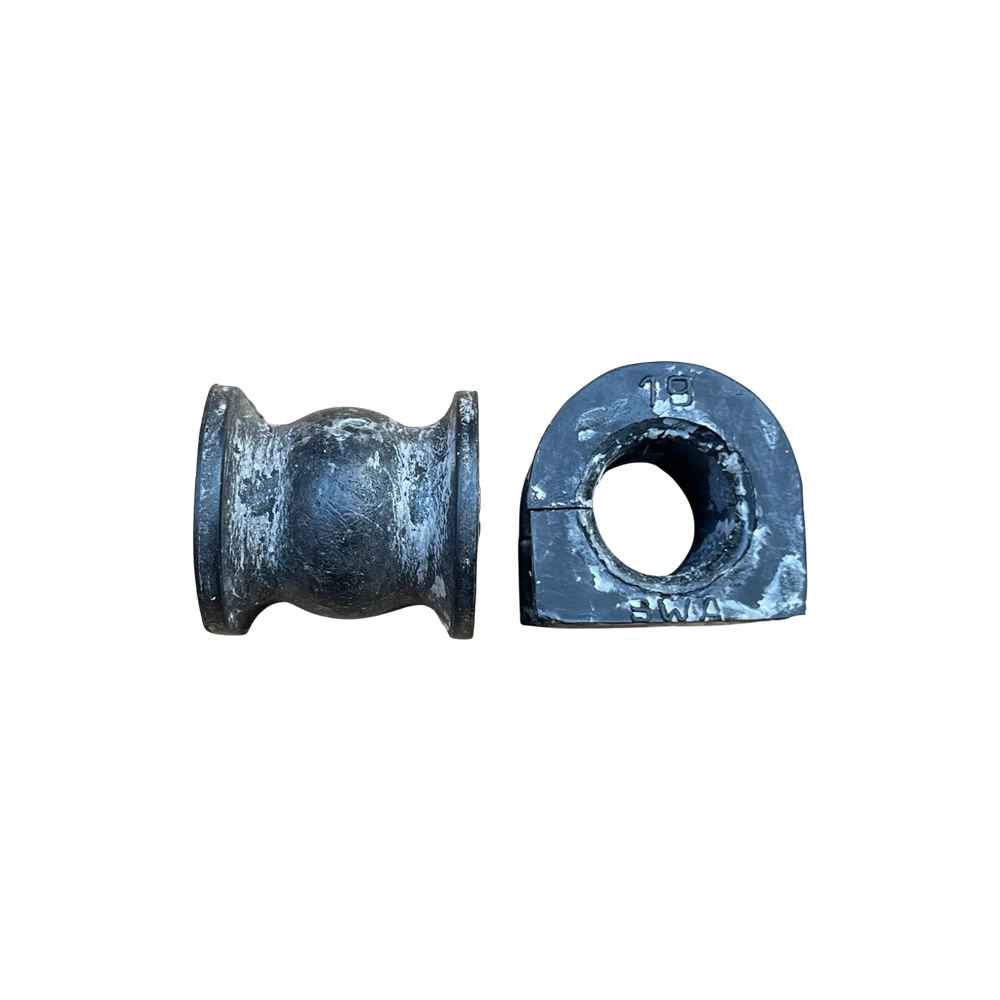
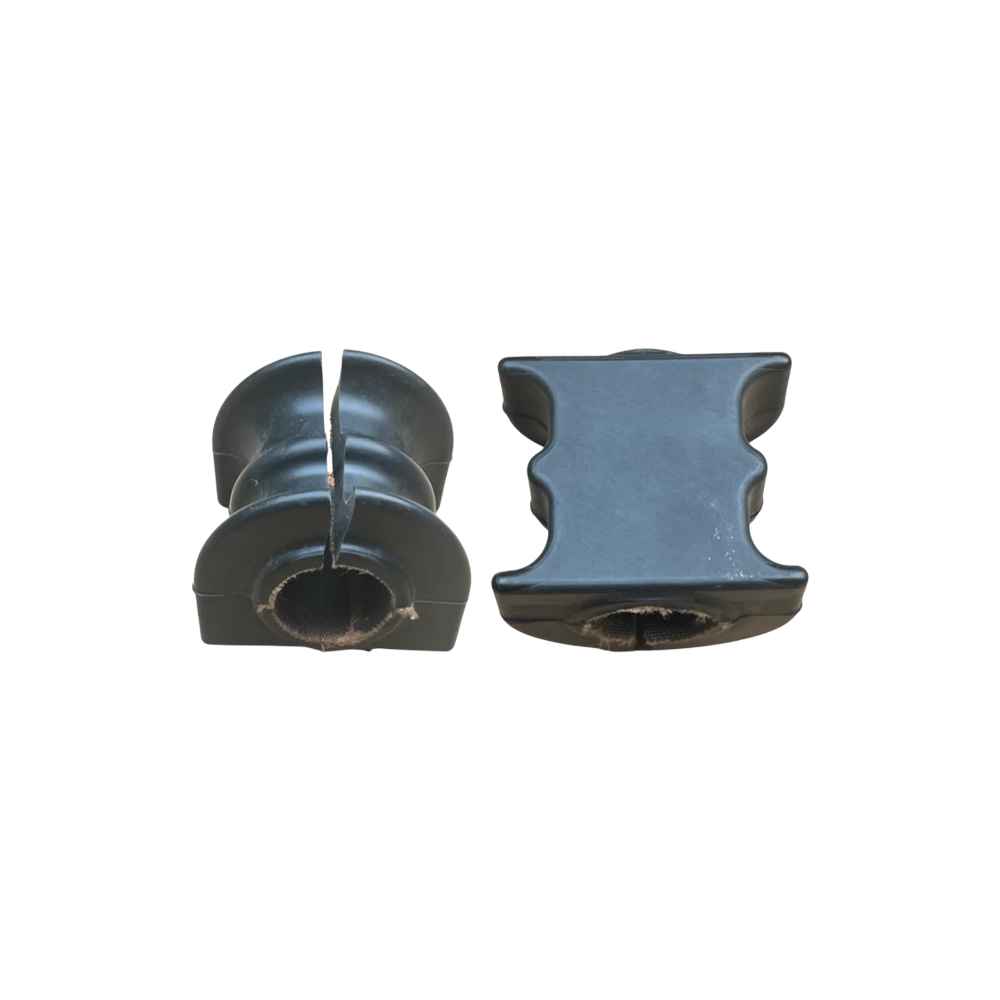
- Stabilizer Bar Bushings
- Valve Cover Gasket
Each of these components has its own specific requirements when it comes to materials. For instance, consider the O-rings. They're usually made of nitrile rubber or silicone. Both have their pros and cons. Nitrile is excellent for oil resistance, while silicone excels in temperature extremes. Choosing one over the other isn't always straightforward.
The Case of Guanghua Products
Guanghua is a well-known brand in this space. They manufacture high-quality rubber sealing solutions designed for durability. A friend of mine once used their stabilizer bar bushings on his vehicle, and he couldn't stop raving about the performance. It’s not every day you come across a product that genuinely exceeds expectations.
Material Properties to Consider
When selecting a material, several factors come into play:
- Tensile Strength: The material should withstand significant pulling forces.
- Elasticity: This affects how well the component can return to its original shape after deformation.
- Temperature Resistance: Especially important for shock absorber boots during extreme weather.
- Chemical Compatibility: The material must resist degradation from oils and other fluids.
Imagine using a material that can't handle high temperatures in a brake system. The result would be disastrous, right? You really don’t want to cut corners here.
Comparative Analysis: Common Materials
Let's break down some popular materials used in these applications:
- Nitrile Rubber: Good oil resistance but limited heat tolerance; typically lasts well under normal conditions.
- Silicone: Excellent heat resistance but can be more costly; great for high-heat environments.
- Polyurethane: Highly durable but can be less flexible than rubber options; often used for bushings.
- EPDM Rubber: Great weather resistance; ideal for outdoor applications.
Consider a scenario where you’re racing against time on a busy street. Your choice of material can mean the difference between smooth handling and disaster. It's mind-boggling to think about the consequences of a single faulty component!
Real-life Impact of Material Selection
Take a vehicle with a bad valve cover gasket due to poor material choice. It leads to oil leaks, causing engine problems over time. A simple fix can save thousands in repairs. And those who opt for reliable brands like Guanghua often see substantial long-term savings—a win-win situation!
Final Thoughts
Choosing the right material is no small task. Each component's performance is heavily influenced by what it’s made of. It’s all about balancing cost and quality. Can’t stress enough how tempting it might be to go cheap, but in the end, your vehicle's performance hinges on these choices. As we move into an era of advanced automotive technology, understanding these materials will only grow in importance.