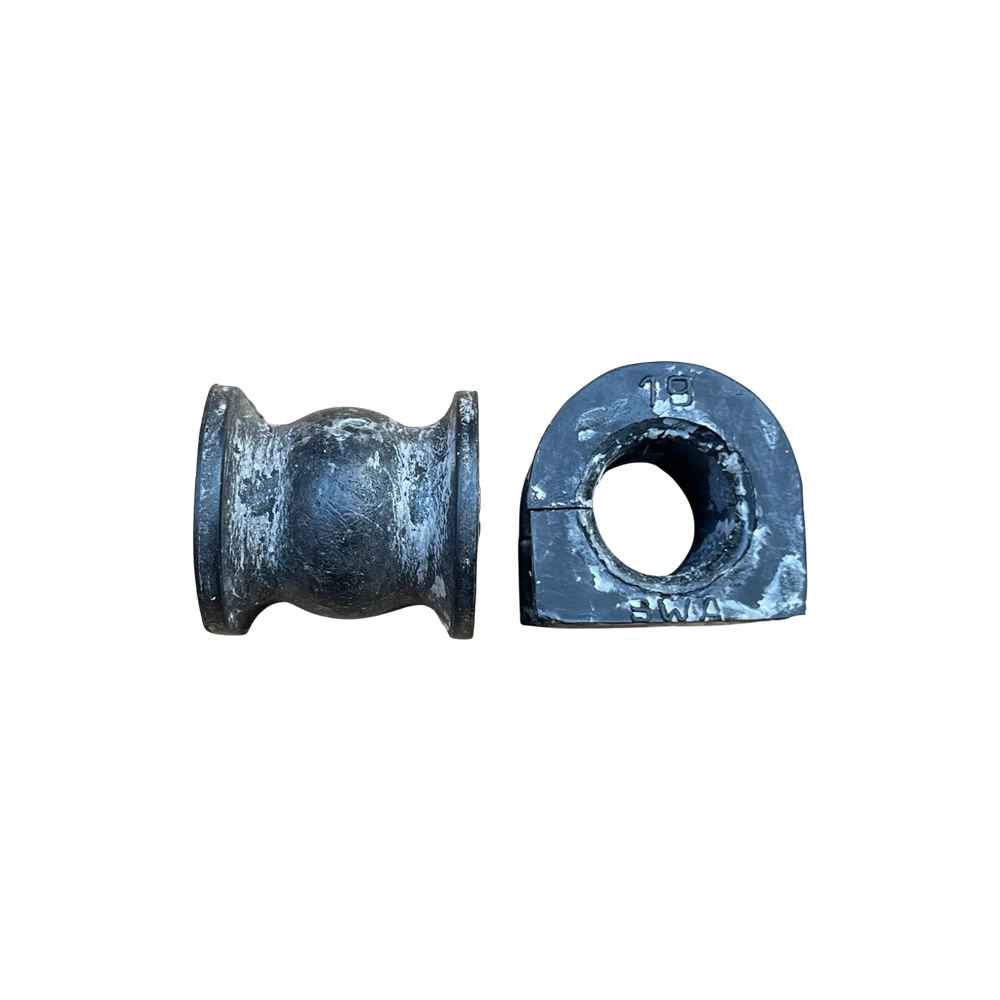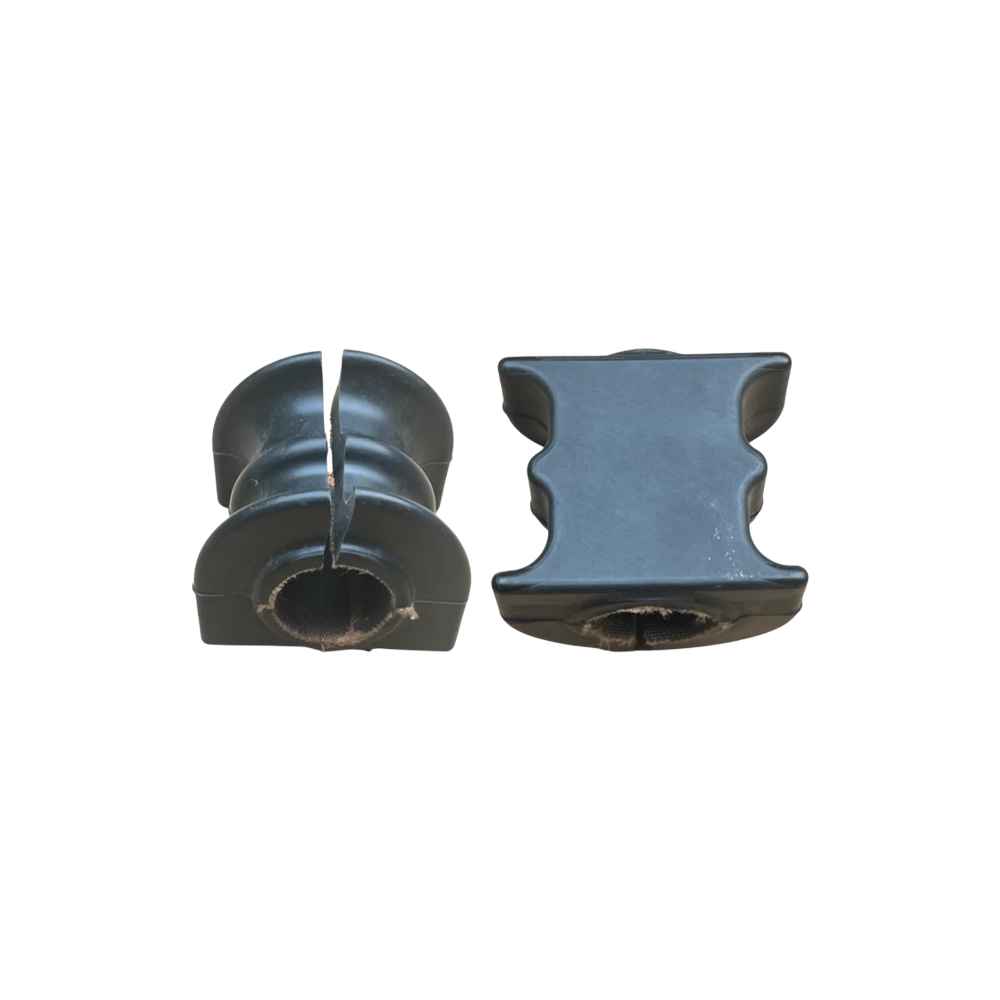
The Quest for Perfection
Choosing the right material for O-ring seals in high-performance off-road upgrades can feel overwhelming. So many options! Why does it matter? The answer lies in performance, durability, and the ability to withstand harsh conditions.
Understanding O-Ring Applications
In the realm of off-road upgrades, O-rings play a crucial role. They are not just simple rings; they are the guardians of your machinery. From sealing hydraulic systems to preventing fluid leaks in steering racks, the right O-ring material ensures functionality under extreme pressure and temperature.
Material Options
- Nitrile (Buna-N) : Excellent for oil resistance but struggles with high temperatures.
- Fluoroelastomer (Viton) : A powerhouse against heat and chemicals—ideal for extreme conditions!
- Silicone : Great for flexibility and extreme temperatures, but less effective against oils.
- Polyurethane : Combines strength and abrasion resistance, perfect for off-road terrains.
The Real-World Impact
Consider this scenario: You’re out on a rugged trail, powering through mud and rocks. Your vehicle is equipped with O-rings made from subpar materials. Suddenly, you hear a hissing sound. What was that? Fluid escaping through a damaged seal! It’s easy to underestimate these components until something goes wrong.
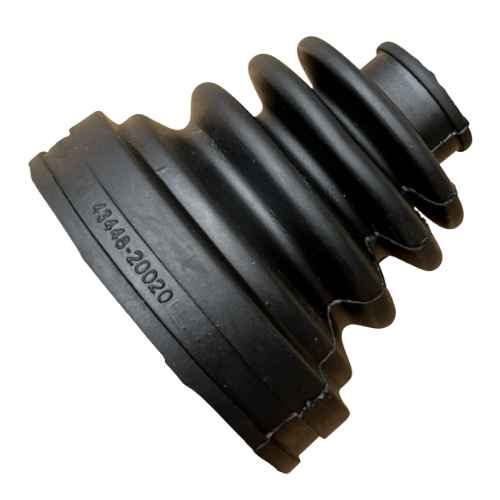
Let’s dive into real-world examples. A well-known brand, Guanghua, recently released an upgrade kit for popular off-road vehicles. This kit includes custom-engineered O-rings made of fluoroelastomer, ensuring performance even at higher temperatures encountered during strenuous trails.
Performance Testing
How do you determine the best material? Performance testing! Brands typically run tests measuring tensile strength, compression set, and resistance to various fluids. A comparative analysis shows that O-rings made from polyurethane exhibit superior durability compared to traditional nitrile versions. Why settle for less when your adventure depends on it?
Environmental Considerations
Weather matters too. Hot summers and cold winters can take a toll on your O-rings. Using silicone O-rings might be ideal if you live in areas with significant temperature fluctuations. They maintain their integrity better than others in such conditions. Yet, that doesn’t mean they’re right for every application. It's like choosing a tire for a truck versus a sports car—a critical decision!
Compatibility Is Key
Compatibility with the fluids the O-rings will encounter is a game changer. Nitrile O-rings may be great for oil but will fail spectacularly in cooling liquids. The combination of materials must match the environment where they'll be operating; otherwise, you're asking for trouble. Have you ever seen how quickly a seal can fail under the wrong circumstances? It's a sight to behold—unfortunate, yet fascinating!
The Cost Factor
Consider cost versus value. Sure, premium materials like fluoroelastomers come at a higher price tag. But, over time, their durability can save you money on repairs and replacements. It's an investment—one that pays off in reliability during those intense off-road excursions.
Conclusion
Choosing the right O-ring seal material isn't merely a technical choice; it's about enhancing your entire off-road experience. Make informed decisions based on your specific applications, environmental factors, and overall vehicle demands. Remember: Each trail presents new challenges. Equip your vehicle with components designed to conquer them.