Understanding Rocker Cover Seals
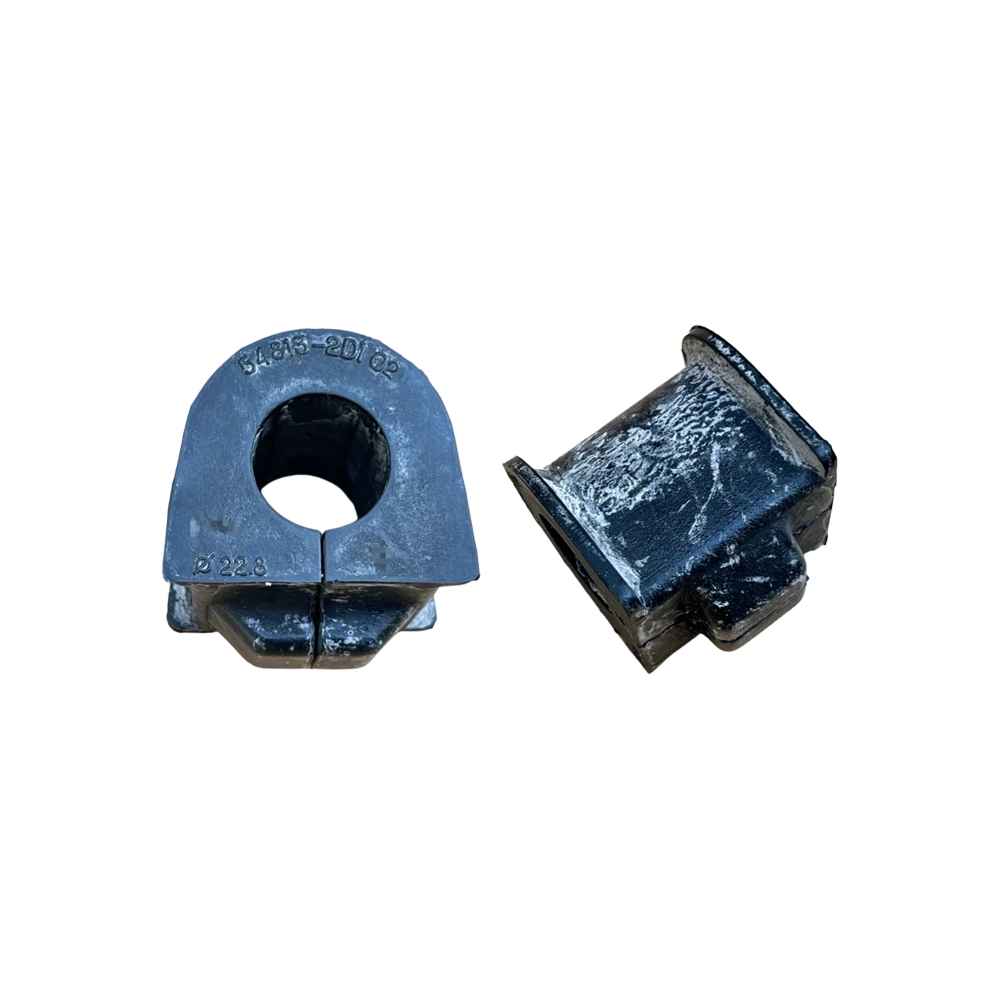
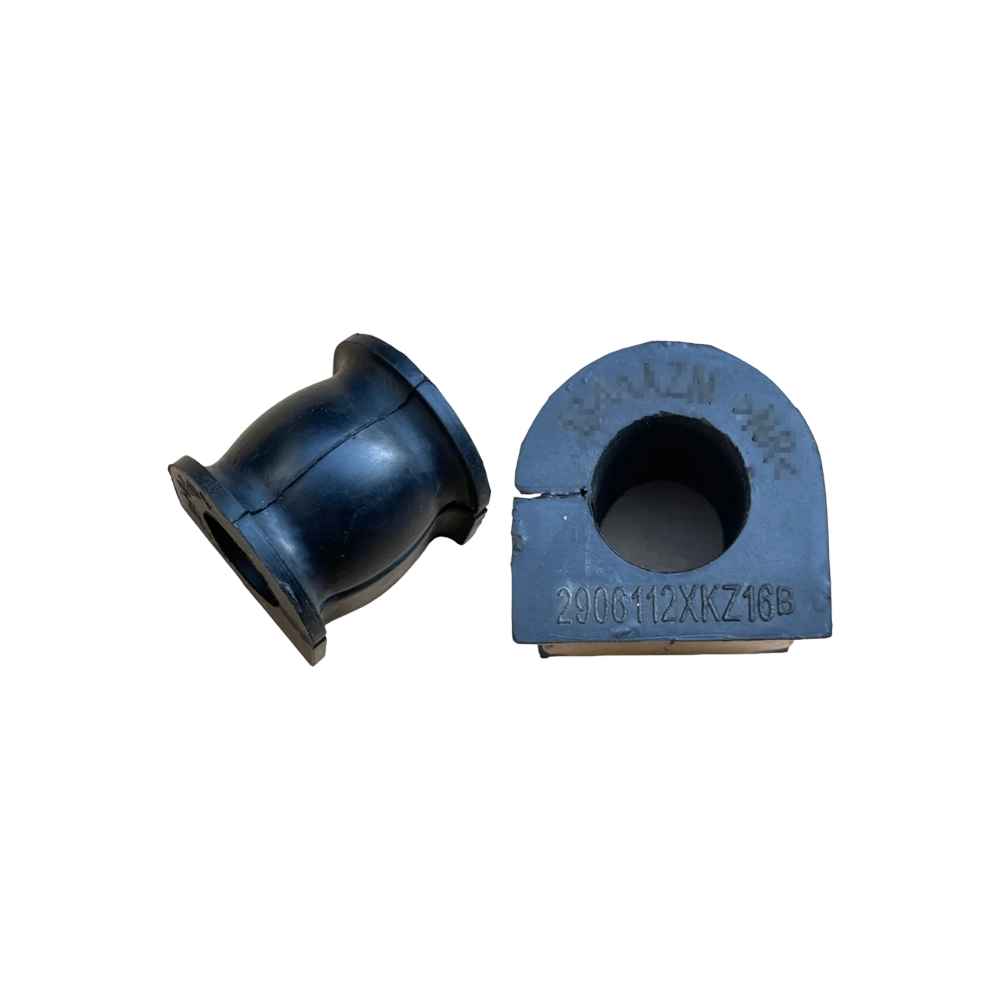
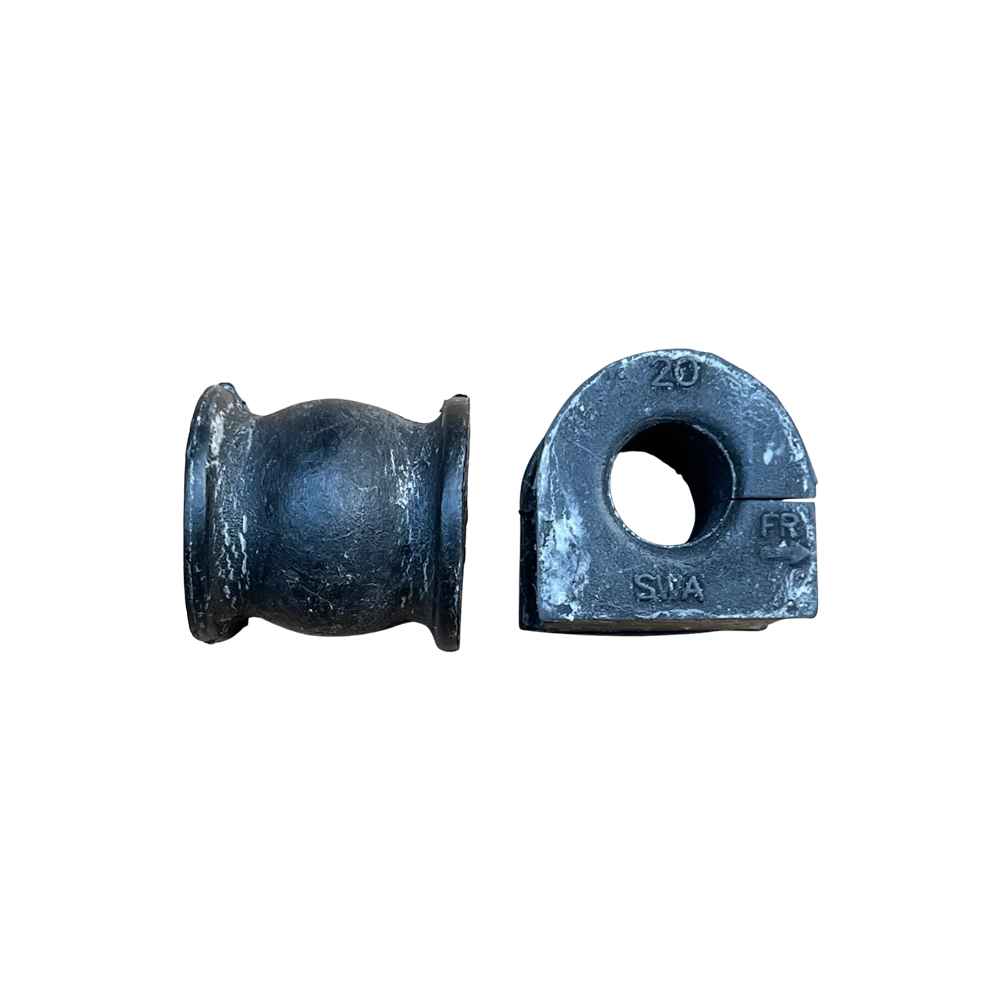
Rocker cover seals are crucial components in any engine. These seals ensure that oil does not leak from the rocker cover, maintaining proper lubrication and efficiency. The selection of materials for these seals can significantly affect the performance and longevity of both OEM and aftermarket parts.
Material Types
When it comes to rocker cover seals, several materials are commonly used:
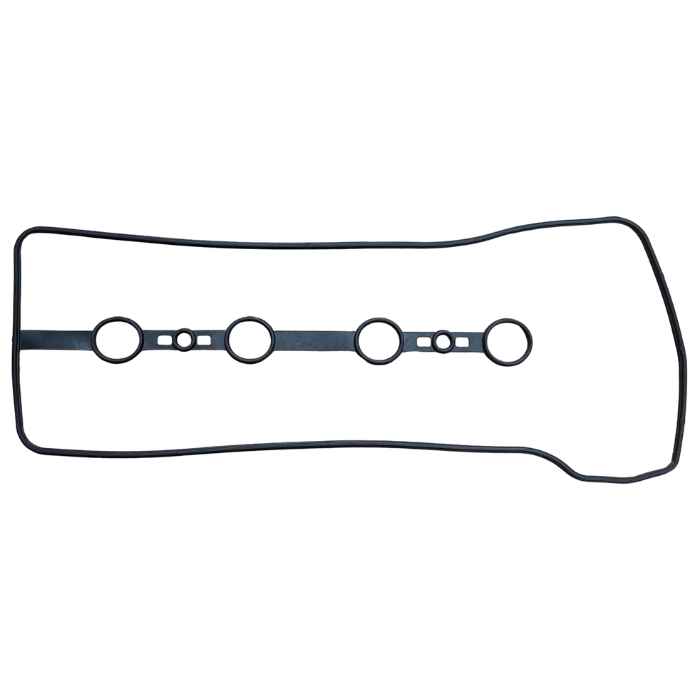
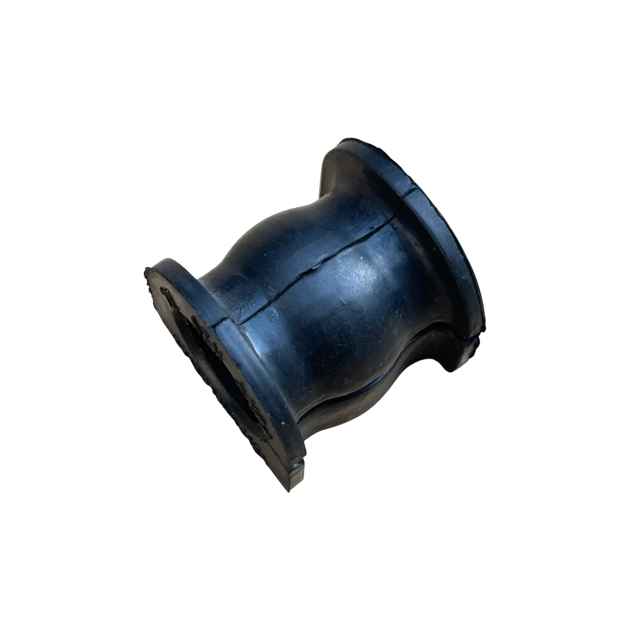
- Rubber : Flexible and resilient, rubber is often used for its ability to create a tight seal.
- Silicone : Known for its high-temperature resistance, silicone can withstand extreme conditions.
- Gasket Materials : Multi-layer gaskets, such as those with metal reinforcement, are also popular.
Why Material Matters
What makes one seal better than another? It boils down to the application and environmental factors. For instance, in racing situations, where temperatures soar, silicone might be the go-to because of its stability under heat.
On the other hand, standard vehicles benefit from rubber seals that provide a good balance of flexibility and durability. A case study conducted on the performance of Guanghua rubber seals revealed that they last up to 30% longer compared to lower-grade alternatives. Isn’t that impressive?
OEM vs. Aftermarket Part Considerations
Choosing between OEM and aftermarket parts requires a deep dive into the specifics. OEM parts often utilize higher-quality materials and have undergone rigorous testing. In contrast, some aftermarket options may offer cost benefits but could compromise quality.
Performance Testing
In a recent test, two different rocker cover seals—one OEM and one aftermarket—were subjected to extreme conditions. The OEM seal, made from a premium rubber compound, performed flawlessly even after extended exposure to high temperatures. Meanwhile, the aftermarket seal began to show signs of wear and leaks within weeks.
It's not merely about price; consider the long-term implications. Would you risk your engine's performance for a few bucks saved?
Environmental Factors
The environment plays a key role in material degradation. Humidity, temperature fluctuations, and exposure to chemicals can all shorten the lifespan of rocker cover seals. For example, in coastal areas where saltwater is prevalent, seals made from silicone may hold up better than rubber due to their enhanced resistance to corrosive elements.
Installation Best Practices
Proper installation is just as important as the choice of material. A poorly installed seal can lead to catastrophic failures, regardless of how high-quality the seal is. Here are some tips:
- Thoroughly clean the mating surfaces before installation.
- Use an appropriate torque specification when fastening the rocker cover.
- Inspect for any signs of damage or wear on the surface before placing the new seal.
Future Trends in Seal Technology
Innovation never stops. New materials are being researched, including composites that combine the best attributes of both rubber and silicone. Imagine a seal that can withstand both extreme temperatures and harsh chemical environments! This could revolutionize the way we think about sealing technologies.
Conclusion Thoughts
As you consider replacing rocker cover seals, remember the impact of material choice on overall vehicle performance. Whether sticking with trusted OEM parts or exploring aftermarket options, understanding the nuances will lead to better decisions. So, pay attention to the details!