Understanding Steering Gear Boots
When it comes to chassis steering and suspension systems, the importance of choosing the right material for steering gear boots cannot be overstated. Steering gear boots serve as protective covers, shielding critical components from dirt, moisture, and contaminants that could lead to premature failure. But what makes one material better than another?
Material Options Available
There's a variety of materials to consider:

- Rubber: Offers flexibility, but can degrade over time.
- Polyurethane: Provides excellent abrasion resistance and durability.
- Neoprene: Known for its resistance to oil and chemicals.
Real-World Application: A Case Study
Imagine an automotive manufacturer, Guanghua, which faced increasing warranty claims due to steering system failures. Upon investigation, it was discovered that their choice of rubber steering gear boots was leading to accelerated wear and tear. Switching to polyurethane not only reduced the failure rates by 30%, but also satisfied the customers.
Performance Under Stress
Let’s break it down further. In high-stress scenarios, such as off-road conditions, the demands on steering gear boots are immense. Polyurethane stands out here, with a tensile strength significantly greater than traditional rubber. Can you believe that? A simple material change led to a direct impact on vehicle performance.
The Cost Factor in Material Selection
Cost is always a consideration. Rubber might be cheaper upfront, but what about the long-term effects? When you calculate replacement costs, labor, and customer dissatisfaction, suddenly, polyurethane doesn’t seem that expensive after all.
Compatibility with Other Components
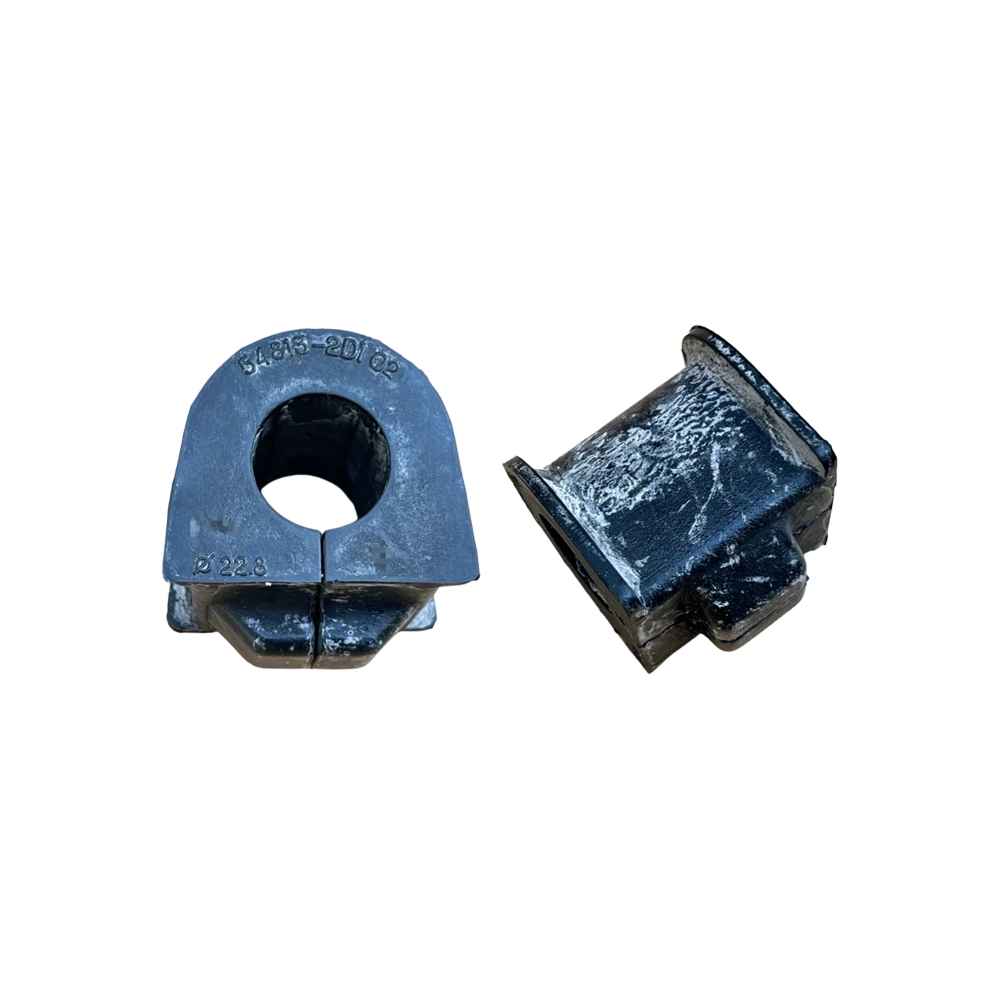
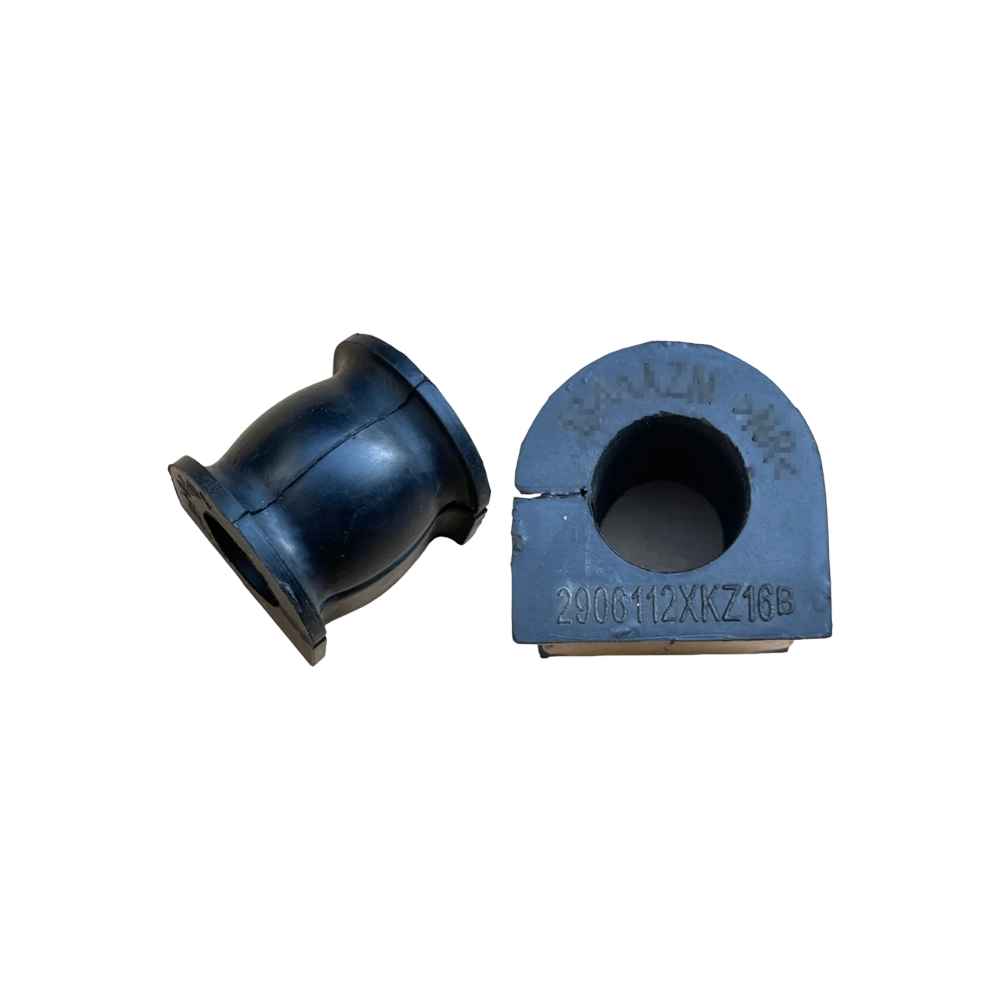
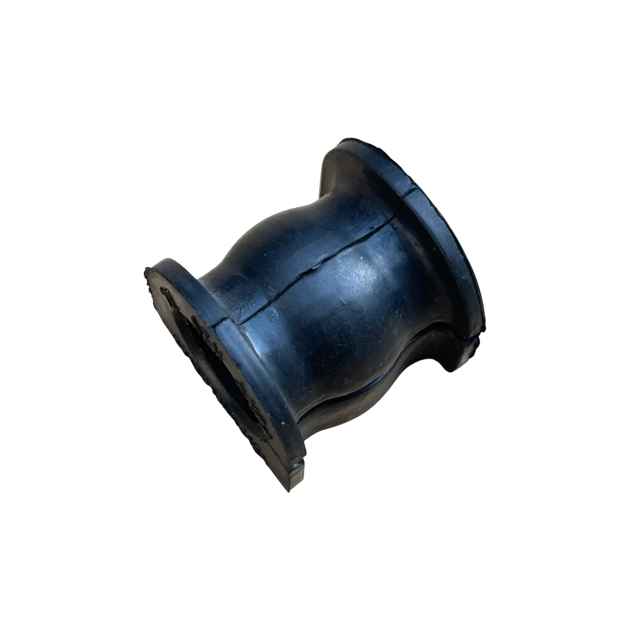
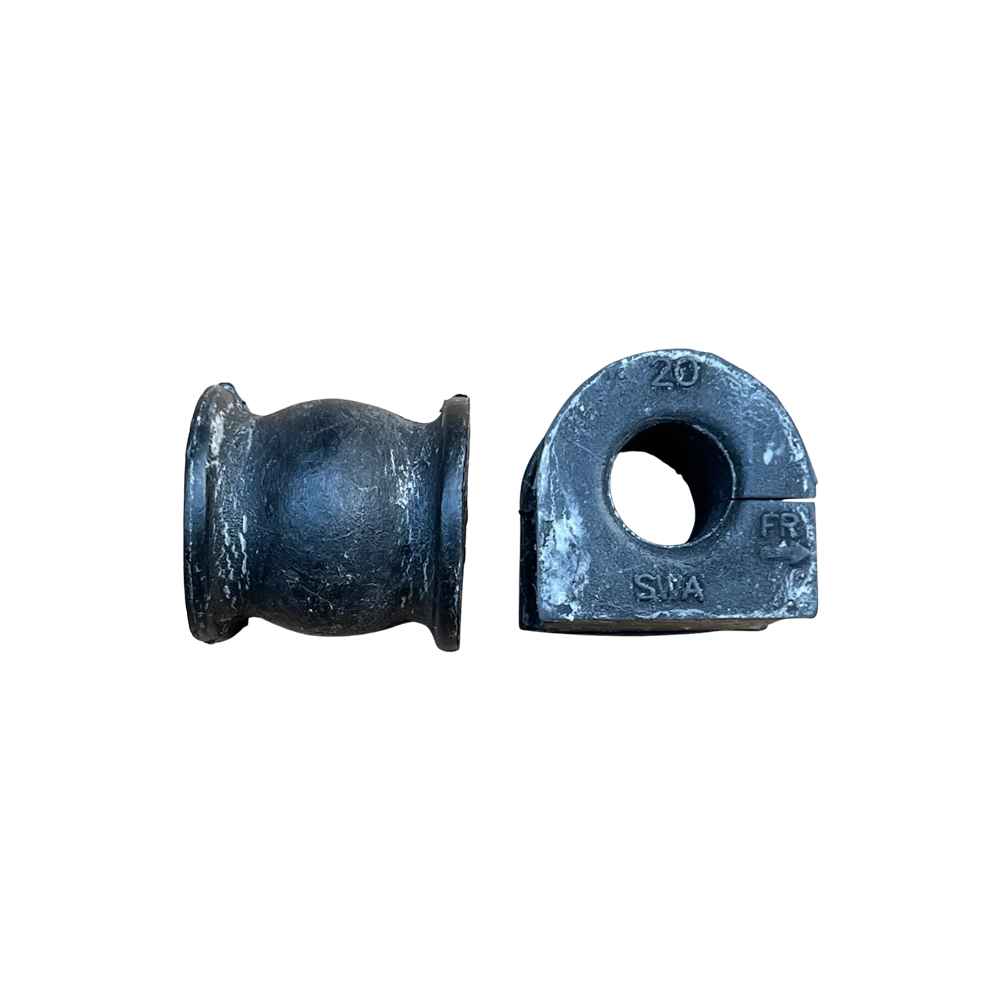
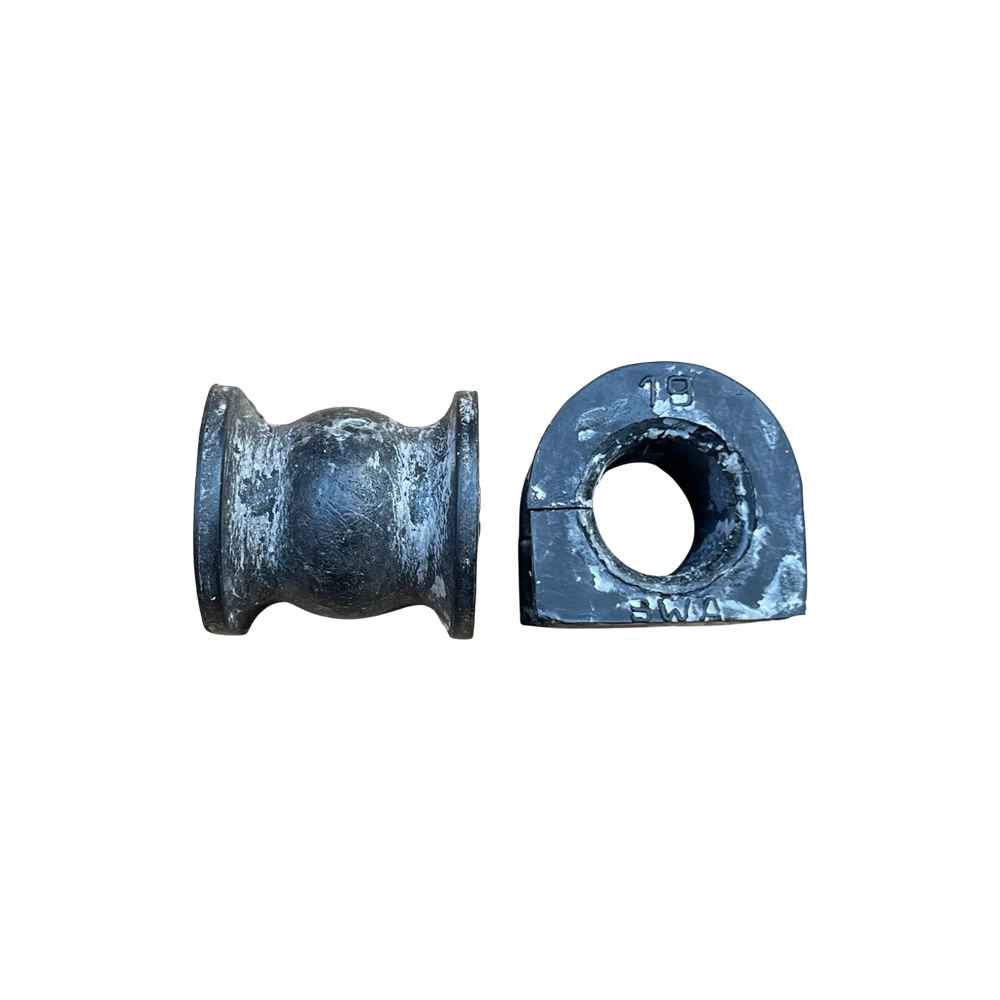
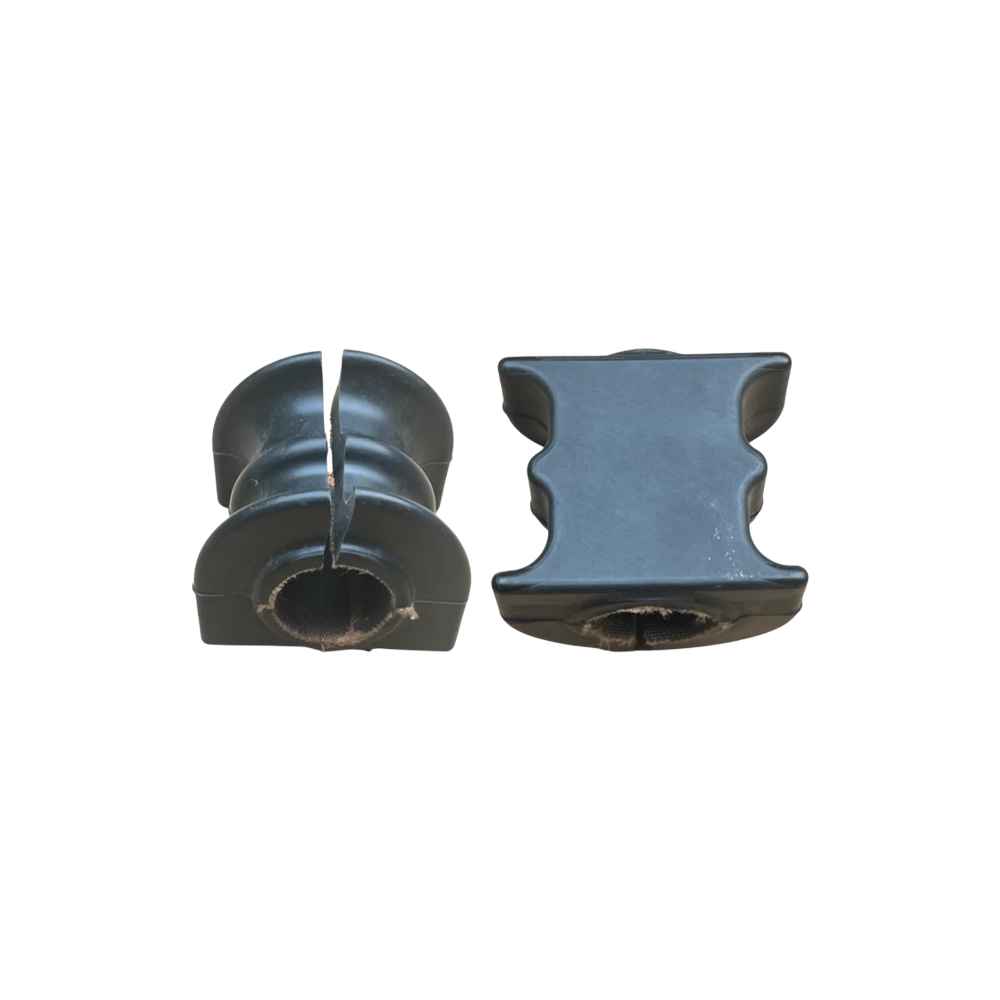
Choosing the right material isn’t just about standalone performance. How does it integrate with other parts? For instance, when combined with Stabilizer Bar Bushings made of high-performance rubber, polyurethane steering gear boots create a synergistic effect, enhancing the overall functionality of the steering and suspension system.
Environmental Resistance
Another aspect is how different materials cope with various environmental factors. Neoprene, for example, excels in environments with high oil exposure. In contrast, polyurethane can tolerate extreme temperatures. The selection should therefore align with the operational environment of the vehicle.
Testing is Key
So, how do we know if we made the right choice? Rigorous testing. Manufacturers should conduct real-world tests simulating conditions faced during typical use. It’s not merely a numbers game; it’s about ensuring longevity and performance.
Installation Considerations
Lastly, let’s talk installation. Some materials are easier to work with than others. Rubber might be more pliable, allowing quicker installations, but does that justify the potential trade-offs in durability?
Final Thoughts
In the end, selecting the right material for steering gear boots is crucial for longevity and reliability in chassis steering and suspension systems. Whether you opt for rubber, polyurethane, or neoprene, understanding the unique benefits will guide you toward making an informed decision. After all, who wants to face extra maintenance costs due to poor choices?