Understanding the Steering Rack Boot
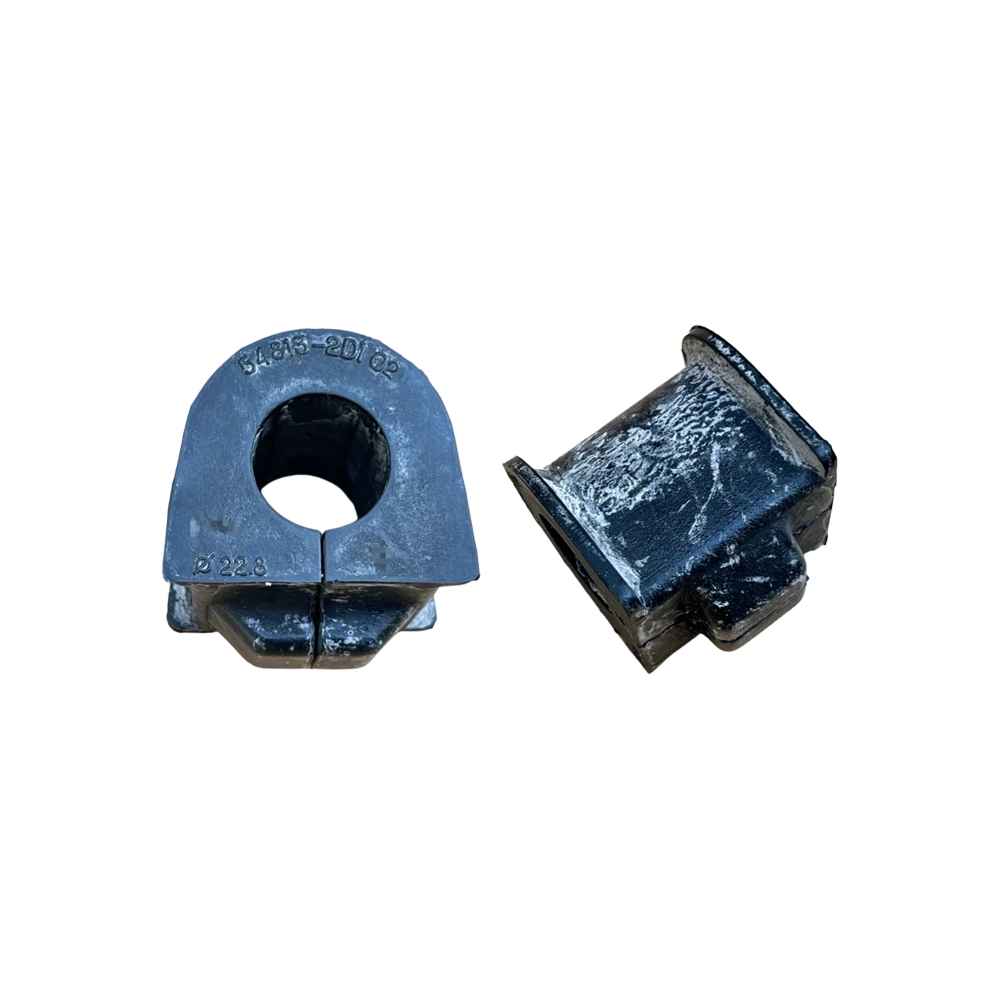
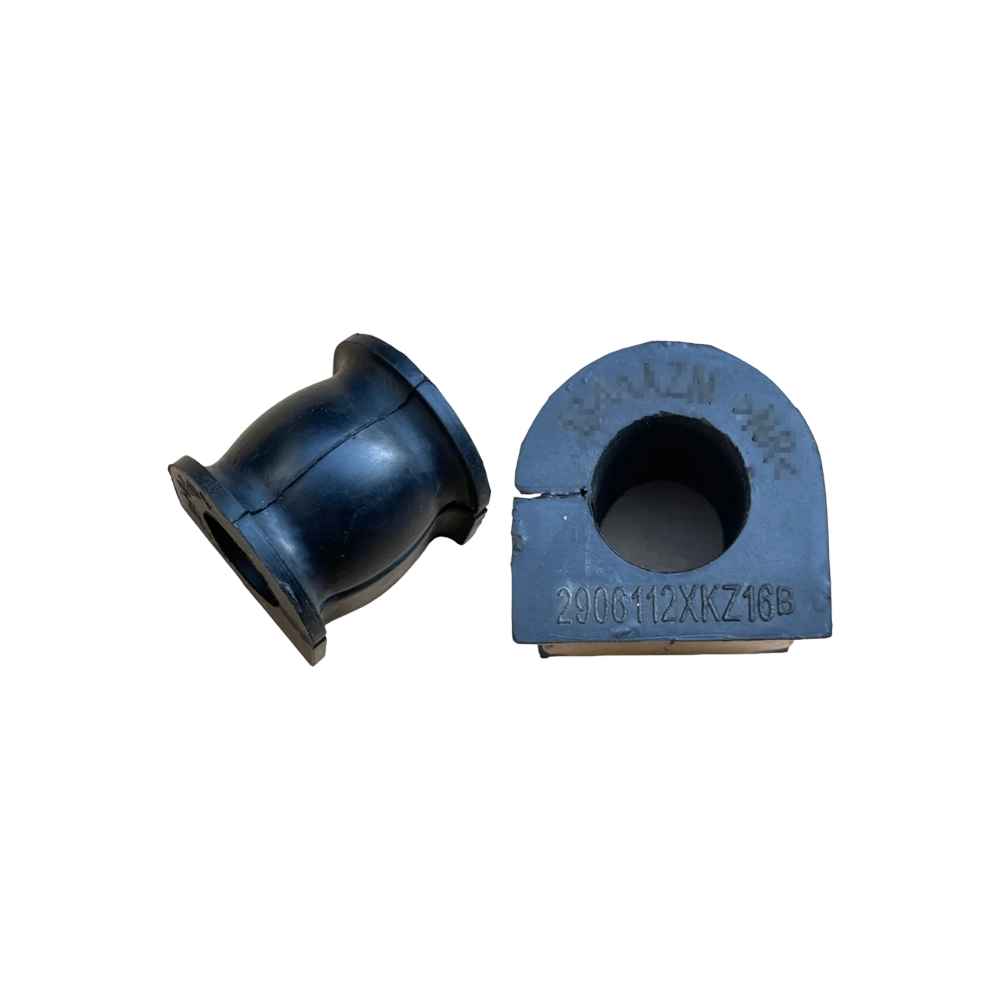
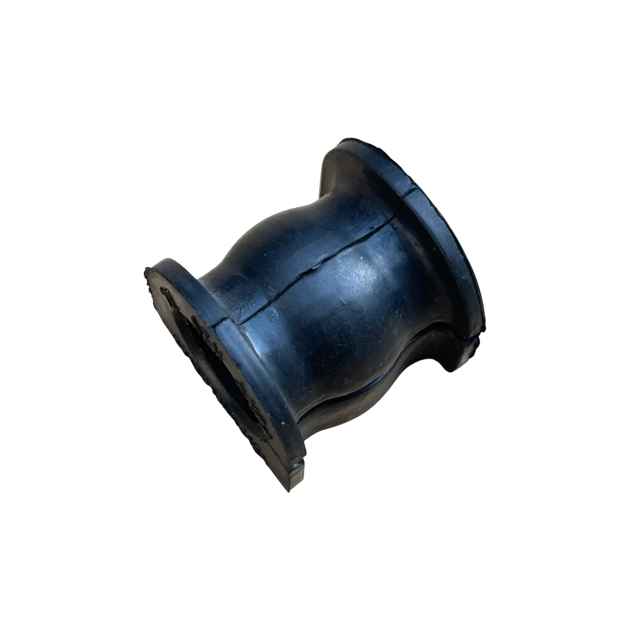
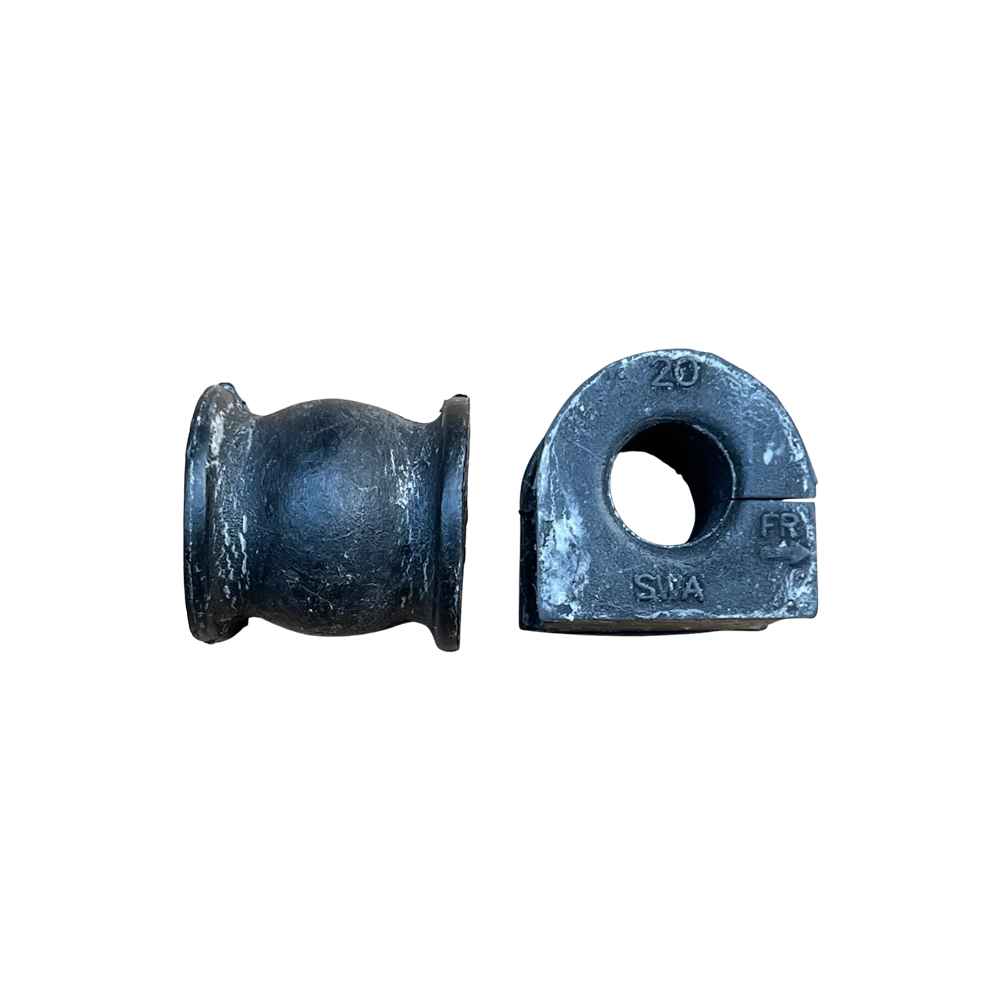
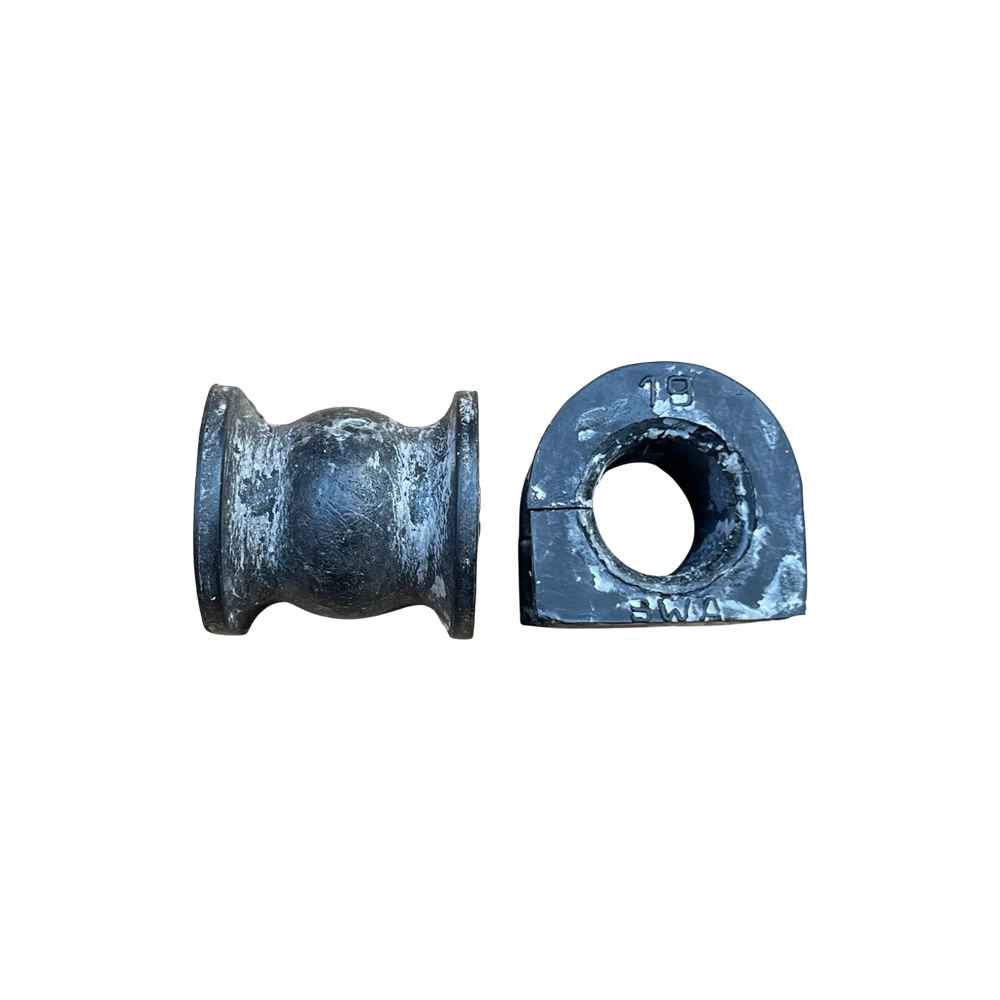
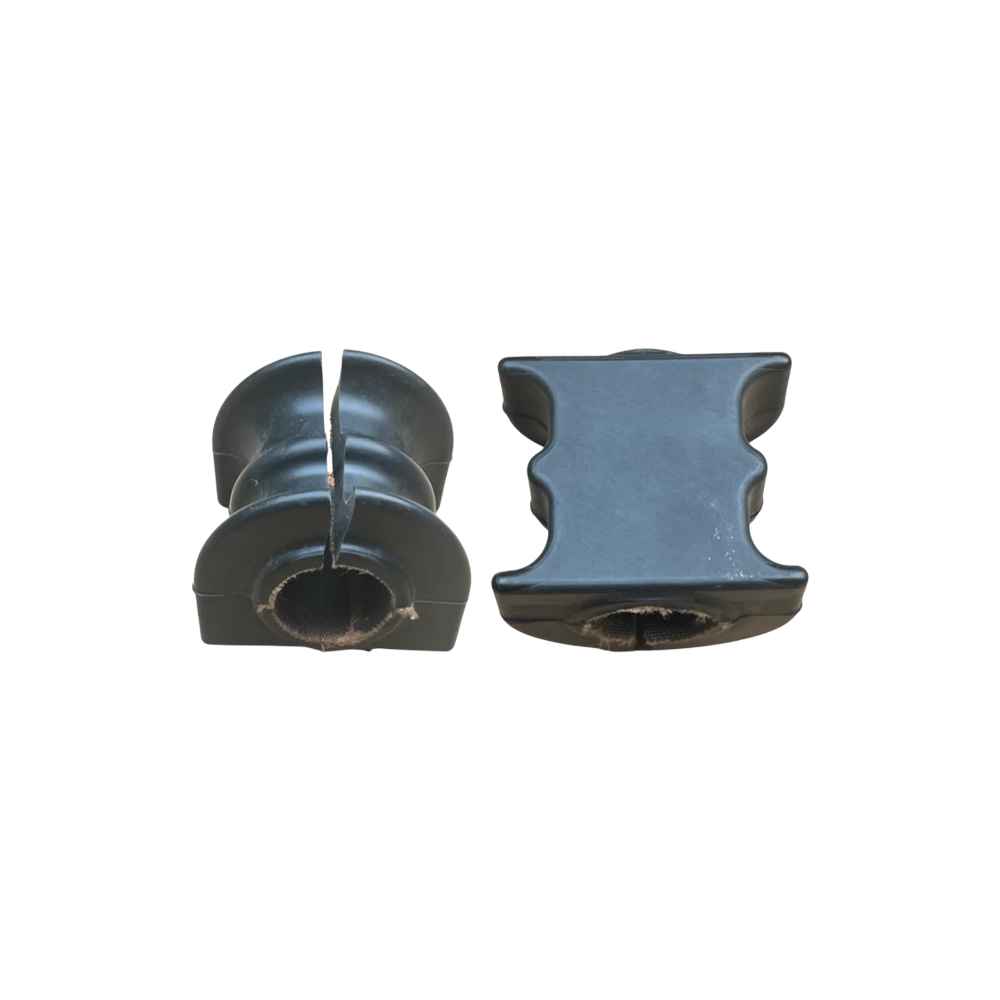
The steering rack boot serves a crucial role in protecting the steering mechanism of vehicles, particularly within the driveline and axle systems. This component is designed to keep dirt, moisture, and other contaminants away from the steering rack, which can significantly impact its performance and longevity. In selecting an appropriate material for Steering Rack Boots , several factors must be considered to ensure optimal functioning under varying conditions.
Material Options for Steering Rack Boots
When it comes to materials used for manufacturing Steering Rack Boots , various choices exist, each with distinct properties that cater to specific operational demands.
Rubber Materials
- Natural Rubber: Frequently utilized due to its excellent flexibility and resilience, natural rubber can withstand various environmental conditions but may not be the best choice for extreme temperatures.
- Synthetic Rubber: Commonly used materials such as neoprene or EPDM (ethylene propylene diene monomer) offer enhanced resistance to heat, ozone, and abrasion. These materials are often preferred in modern applications due to their durability.
Thermoplastic Elastomers (TPE)
Thermoplastic elastomers combine the properties of rubber with the recyclability of plastics. TPE is increasingly favored for steering rack boots because it offers a balance between elasticity, temperature resistance, and ease of production. Additionally, TPE can provide better chemical resistance compared to traditional rubber options.
Performance Requirements
The material chosen for steering rack boots must meet specific performance requirements. Factors such as tensile strength, elongation, and resistance to wear play a pivotal role in determining the suitability of the material.
Tensile Strength and Durability
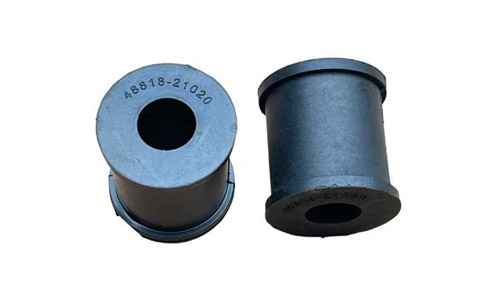
It is imperative that the steering rack boot possesses adequate tensile strength to withstand the stresses encountered during vehicle operation. For instance, materials that exhibit lower tensile strength may lead to premature failure, compromising the integrity of the steering system. Synthetic rubbers, such as those produced by brands like Guanghua, often demonstrate superior tensile properties, making them ideal candidates.
Environmental Resistance
Given that steering rack boots are exposed to various environmental elements, including road debris, chemicals, and temperature fluctuations, selecting a material with high resistance to these factors is essential. Materials such as EPDM are known for their exceptional performance under harsh conditions, ensuring longevity and reliability.
Installation Considerations
Proper installation of steering rack boots cannot be overlooked, as even the most durable materials can fail if improperly fitted. Care should be taken to ensure that the boot is securely fastened and that the sealing rings, such as O-rings, are intact to prevent contaminants from entering the steering system.
Cost and Availability
Another critical aspect involves assessing the cost-effectiveness of the selected material against its performance characteristics. While synthetic options may present a higher initial investment, their extended lifespan and reduced maintenance needs often make them more economical in the long run. Furthermore, availability plays a significant role; materials with widespread production capabilities are generally more accessible and can reduce lead times for repairs.
Common Issues Related to Steering Rack Boots
Over time, steering rack boots may experience wear and tear, leading to various issues, including fluid leakage and increased contamination risk. Regular inspection and timely replacement are necessary to maintain the integrity of the steering mechanism.
Signs of Wear
- Cracks or tears visible on the surface of the boot.
- Fluid leaks around the steering rack area.
- Unusual noises or stiffness when turning the steering wheel.
Conclusion: Making the Right Choice
Choosing the right material for steering rack boots involves a careful evaluation of the vehicle's operating conditions, material properties, and installation practices. As advancements in material science continue, options such as thermoplastic elastomers provide promising alternatives to traditional rubber materials, offering enhanced performance and longevity. Ultimately, the success of maintaining an efficient steering system rests not only on the material itself but also on proper application and regular maintenance routines.