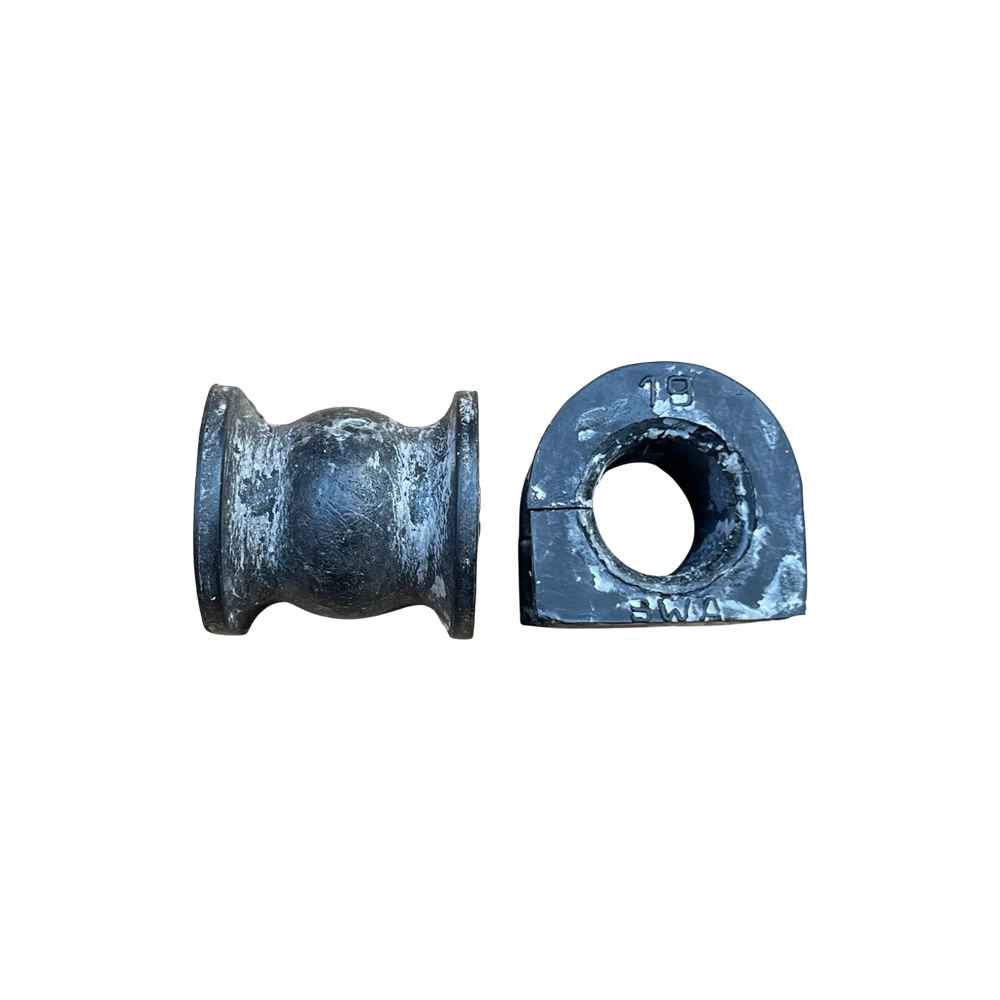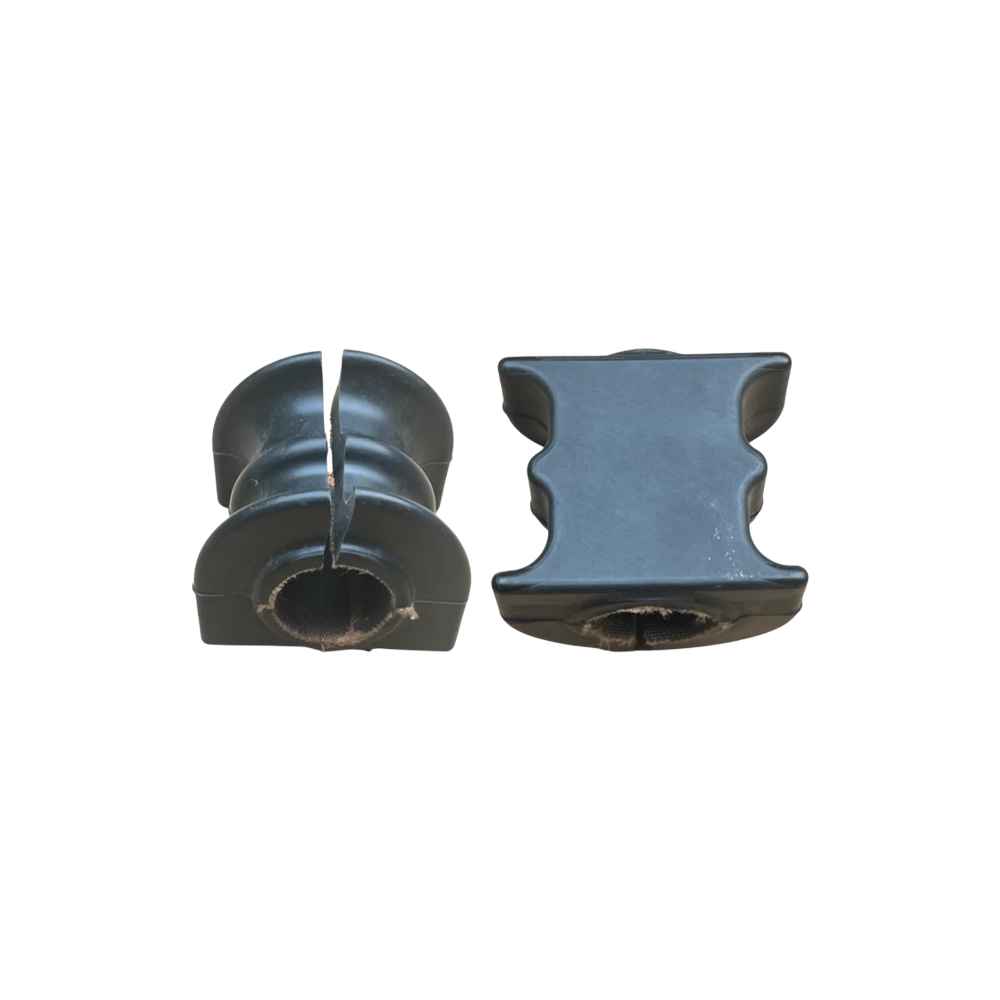
Understanding the Importance of Valve Cover Seals
High-performance off-road vehicles are not just about power. They demand precision and reliability, particularly when it comes to managing engine components. Valve cover seals play a critical role in ensuring that oil remains contained, preventing leaks that can lead to catastrophic engine failures. Have you ever thought about what happens if those seals fail? It's not pretty!
Material Options for Valve Cover Seals
Choosing the right material is vital. Different environments require different materials. Here’s a breakdown:
- Rubber: Commonly used due to its flexibility and durability. However, it may degrade over time, especially under extreme conditions.
- Silicone: Known for temperature resistance. A favorite among racers! But, watch out for costs; they can be higher than rubber.
- Polymer Composites: These have been gaining popularity for their strength and lightweight properties.
Why Not Just Stick with Rubber?
Let’s face it, rubber has been the go-to material for decades. But is it enough? With vehicles like the Guanghua X10—known for its rugged performance—using standard rubber seals might just spell disaster. At temperatures exceeding 250°F, rubber can begin to lose integrity, which is a risk you don't want to take.
The Case Study: Material Comparison
A recent study compared the longevity of silicone versus traditional rubber valve cover seals in high-performance off-road conditions. Over a period of 500 hours at high RPMs, silicone seals retained their form while rubber showed significant wear.
Can you imagine the implications? In a world where every fraction of a second counts, a worn seal could mean the difference between victory and failure.
Installation and Compatibility Issues
Another layer to consider is installation. Certain materials, like silicone, require careful application. Applying too much can create excess squeeze-out, which may cause blockage. Do you want your engine to choke on its own gunk? I didn’t think so!
Complementary Components
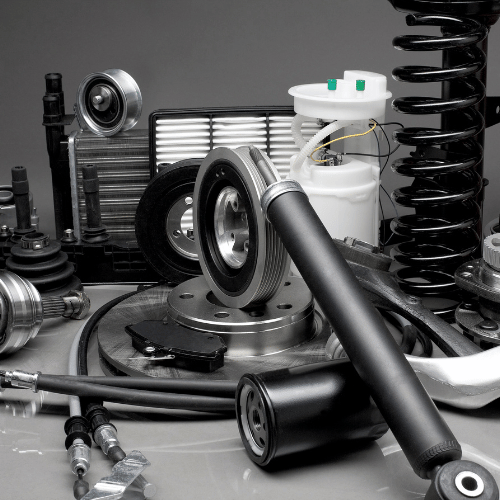
Your valve cover seals are part of a larger ecosystem. Consider how other components interact with them:
- CV Joint Boots : Ensure these are intact; they protect vital joints from dirt and debris.
- Steering Rack Boots : Faulty boots can lead to steering issues, complicating performance.
- Shock Absorber Boots : They keep shock rods clean. Don't underestimate their importance!
Brand Quality Matters
When sourcing your materials, brands matter. Take Guanghua’s offerings, for instance. Their silicone valve cover seals have shown remarkable performance in rigorous testing environments. You wouldn't want to skimp on quality here.
Final Thoughts on High-Performance Needs
The choice of valve cover seal material should not be taken lightly. It impacts not only performance but also the overall reliability of your vehicle. The wrong material can lead to leaks, which can cause oil starvation and irreparable damage.
In the end, do your homework. Evaluate your specific needs, and make an informed decision. Because let’s face it: you can't afford downtime in the middle of nature's wildest terrains!