Understanding Valve Cover Seals
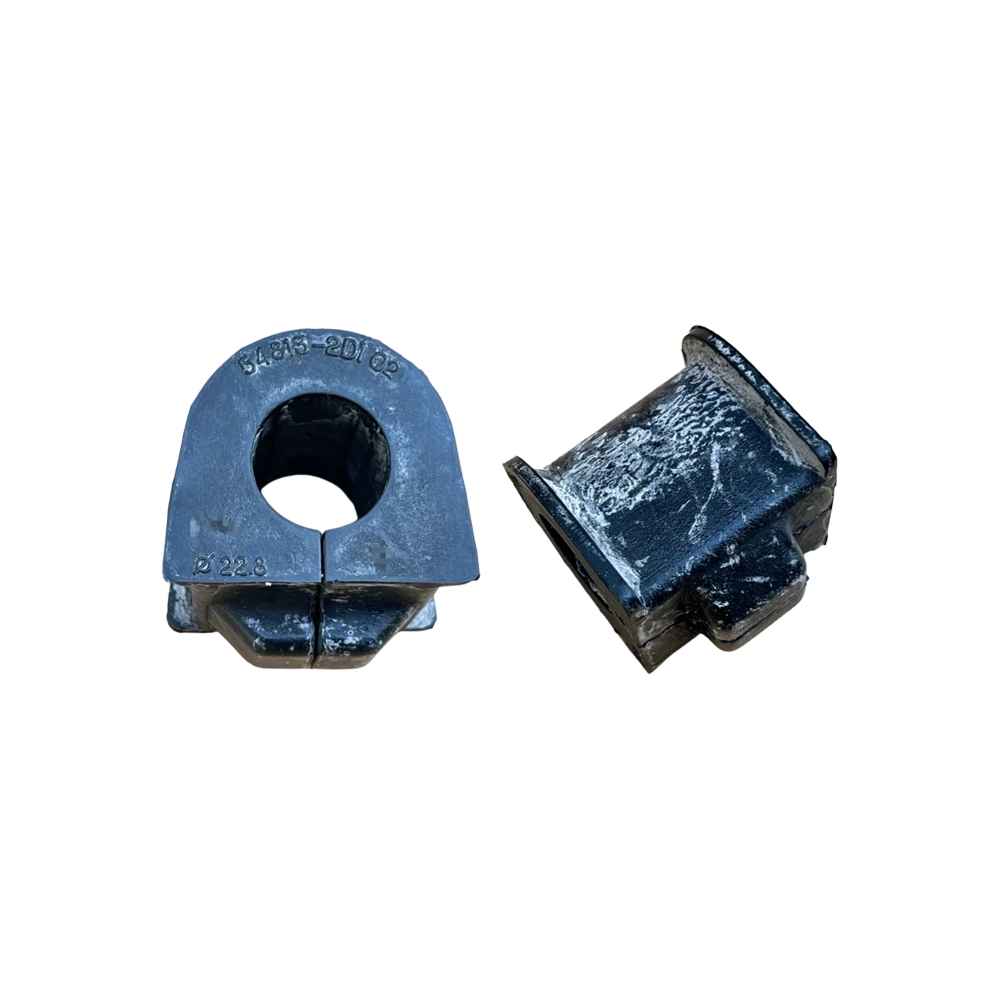
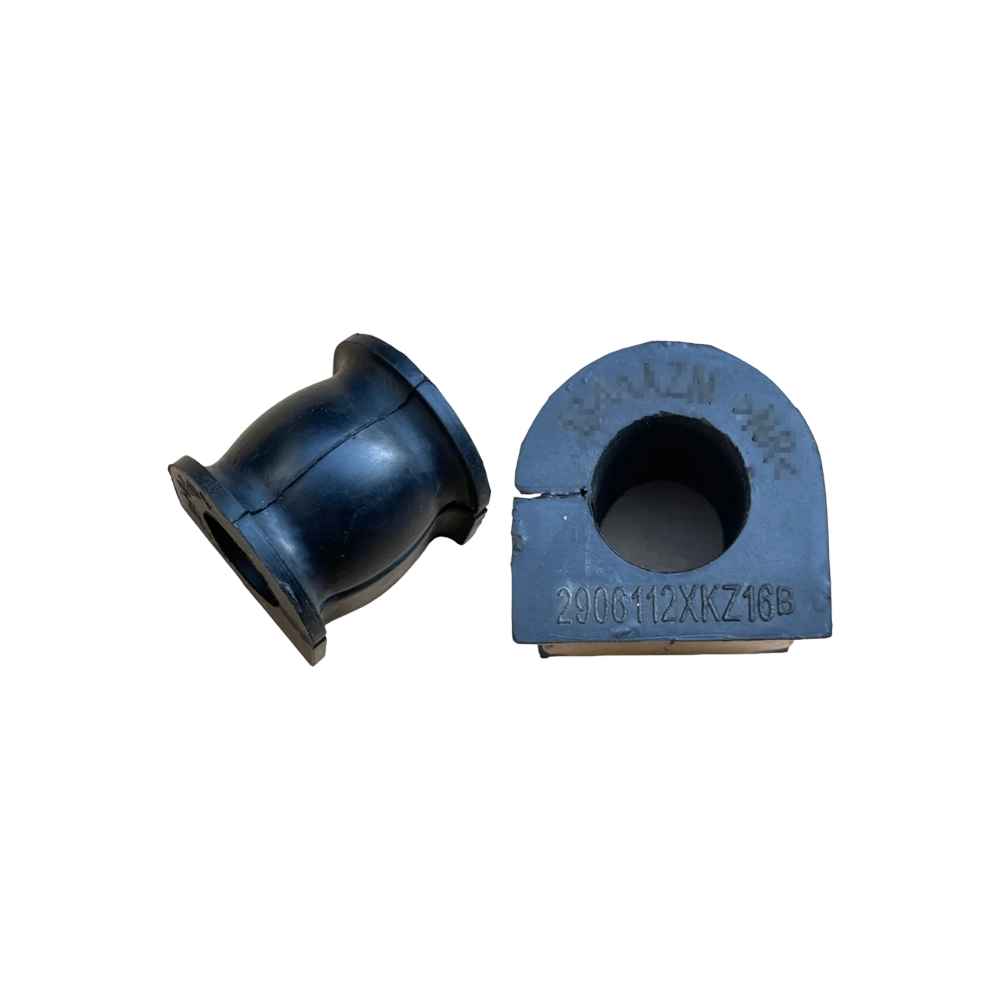
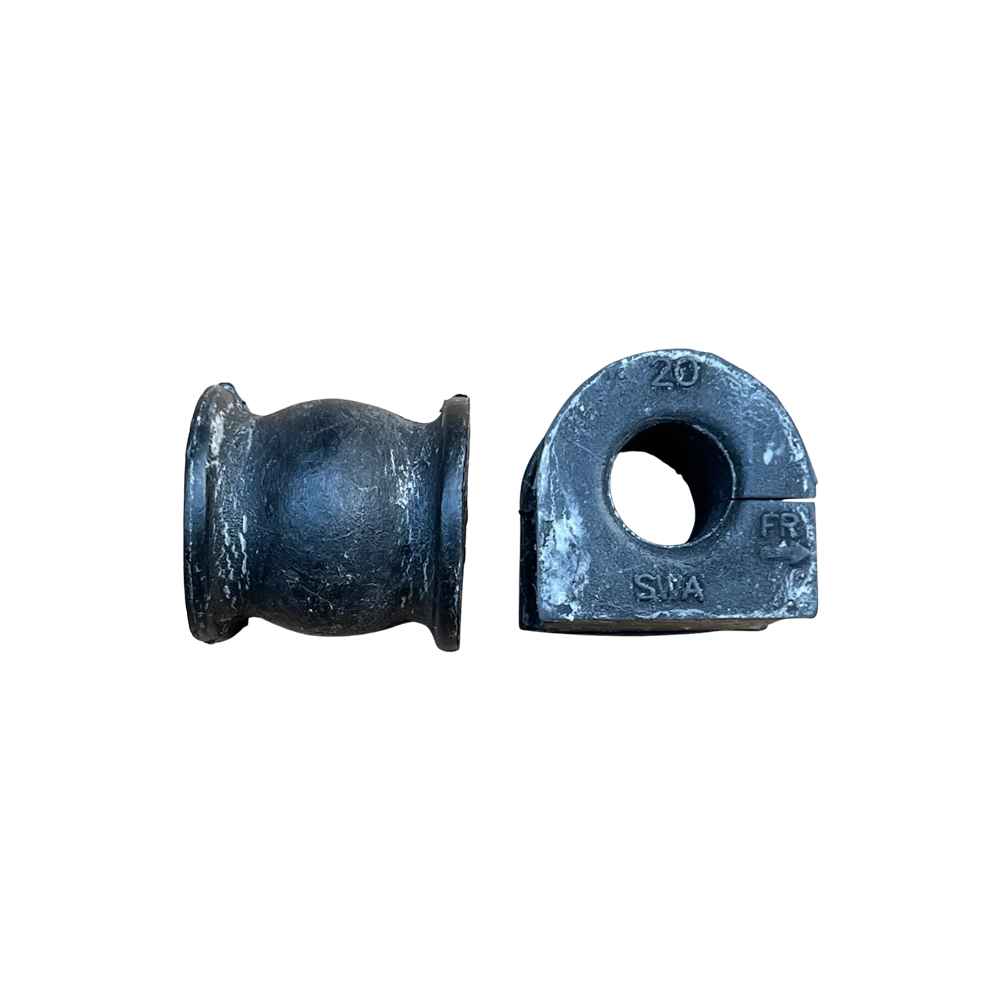
Valve cover seals play a critical role in maintaining the integrity of an engine. They prevent oil leaks, which can lead to significant damage if left unaddressed. Whether you are dealing with OEM (Original Equipment Manufacturer) parts or aftermarket replacements, selecting the right material for these seals is essential.
The Importance of Material Selection
Choosing the appropriate material is not just about sealing capabilities; it also involves understanding the operational temperatures, chemical resistance, and durability. Many aftermarket suppliers offer various materials, but not all are created equal. For example, rubber compounds may vary in quality, affecting their performance over time.
Common Materials Used for Valve Cover Seals
- Rubber: This is one of the most common materials used for valve cover gaskets. It provides excellent sealing properties and can withstand high temperatures.
- Silicone: Known for its flexibility and ability to maintain its shape, silicone is often used in higher-end applications. It can resist extreme temperatures and chemicals better than traditional rubber.
- Felt and Cork: These materials are less common today but were once popular due to their availability and cost-effectiveness. Their lifespan and sealing abilities are generally inferior compared to modern materials.
OEM vs. Aftermarket: What’s the Difference?
OEM parts are designed specifically for a vehicle by the manufacturer, ensuring a perfect fit and optimal performance. On the other hand, aftermarket parts can vary widely in quality. Some reputable brands, like Guanghua, produce high-quality replacement parts that rival OEM specifications.
Performance Considerations
When selecting valve cover seals, consider how they will perform under specific conditions. For example, if you live in an area with extreme heat, silicone seals may be a better choice due to their heat resistance. Additionally, the compression characteristics of the material can impact how well the seal conforms to the surfaces it contacts.
Installation Tips
Proper installation is crucial for any seal. Make sure the mating surfaces are clean and free from old gasket material. Using a torque wrench to tighten bolts to the manufacturer's specifications can prevent future leaks caused by over-tightening. Also, remember to apply a light coating of oil on the seal before installation for easier fitting.
Evaluating Aftermarket Options
When shopping for aftermarket valve cover seals, pay attention to customer reviews and brand reputation. Not all products labeled as 'premium' are necessarily superior. Look for warranties and guarantees that indicate confidence from the manufacturer. Brands like Guanghua often provide detailed product information and customer support, making them a solid choice for both DIYers and professional mechanics.
Common Issues with Valve Cover Seals
- Oil Leaks: Over time, even the best seals can wear out. Regular inspections can help catch potential problems early.
- Compression Loss: If the seals don’t compress properly, it can lead to loss of pressure within the engine.
- Material Degradation: Exposure to harsh chemicals and extreme temperatures can cause seals to break down faster than expected.
Conclusion on Material Choices
In summary, choosing the right material for valve cover seals is vital for optimal engine performance. Understanding the differences between OEM and aftermarket options allows consumers to make informed decisions. Whether you opt for rubber, silicone, or another material, always prioritize quality. Investing in reliable parts can save you time and money in the long run, preventing unwanted engine issues.