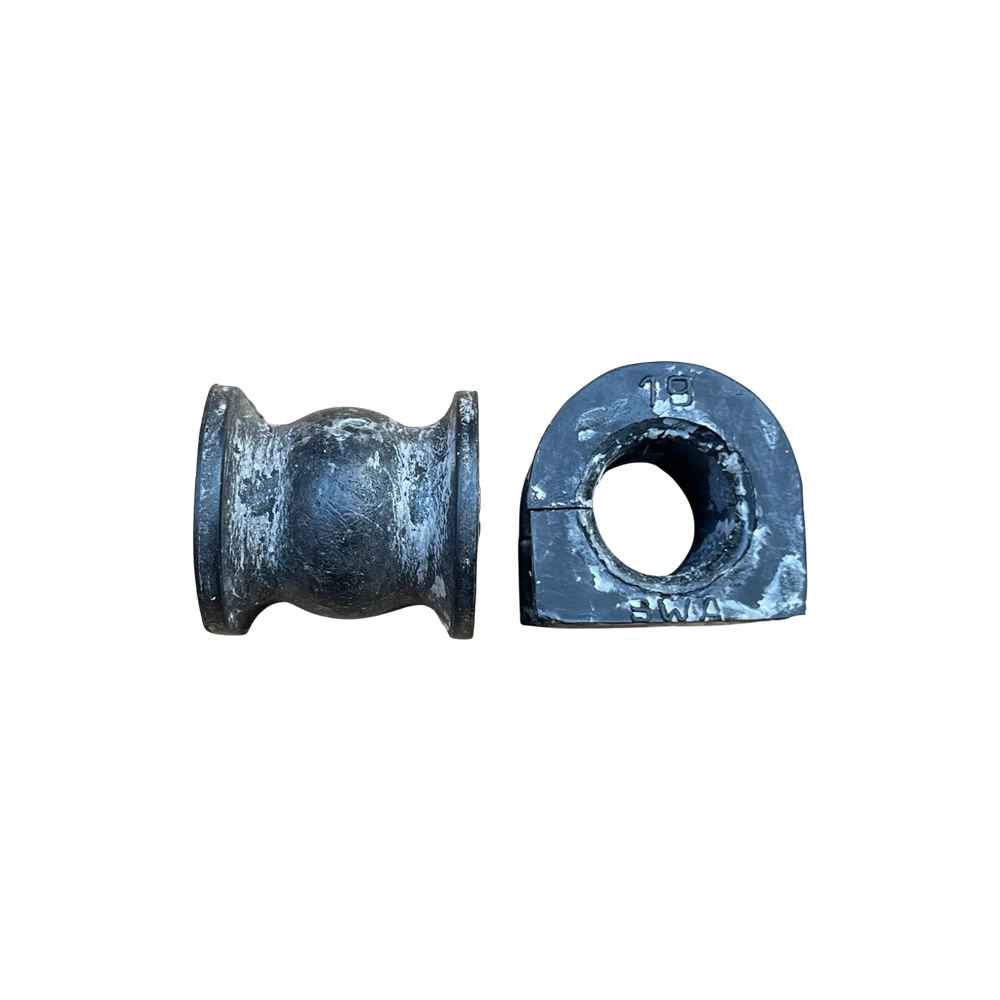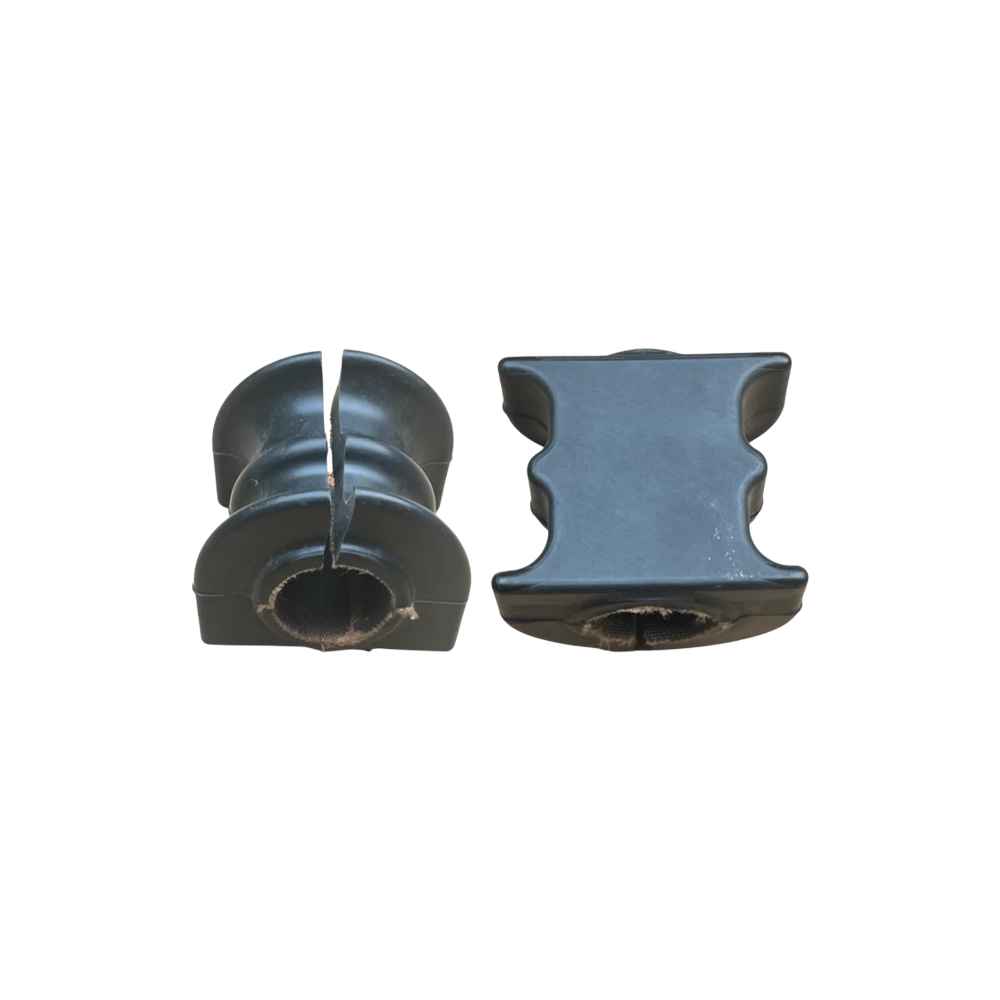
Understanding Constant Velocity Bellows
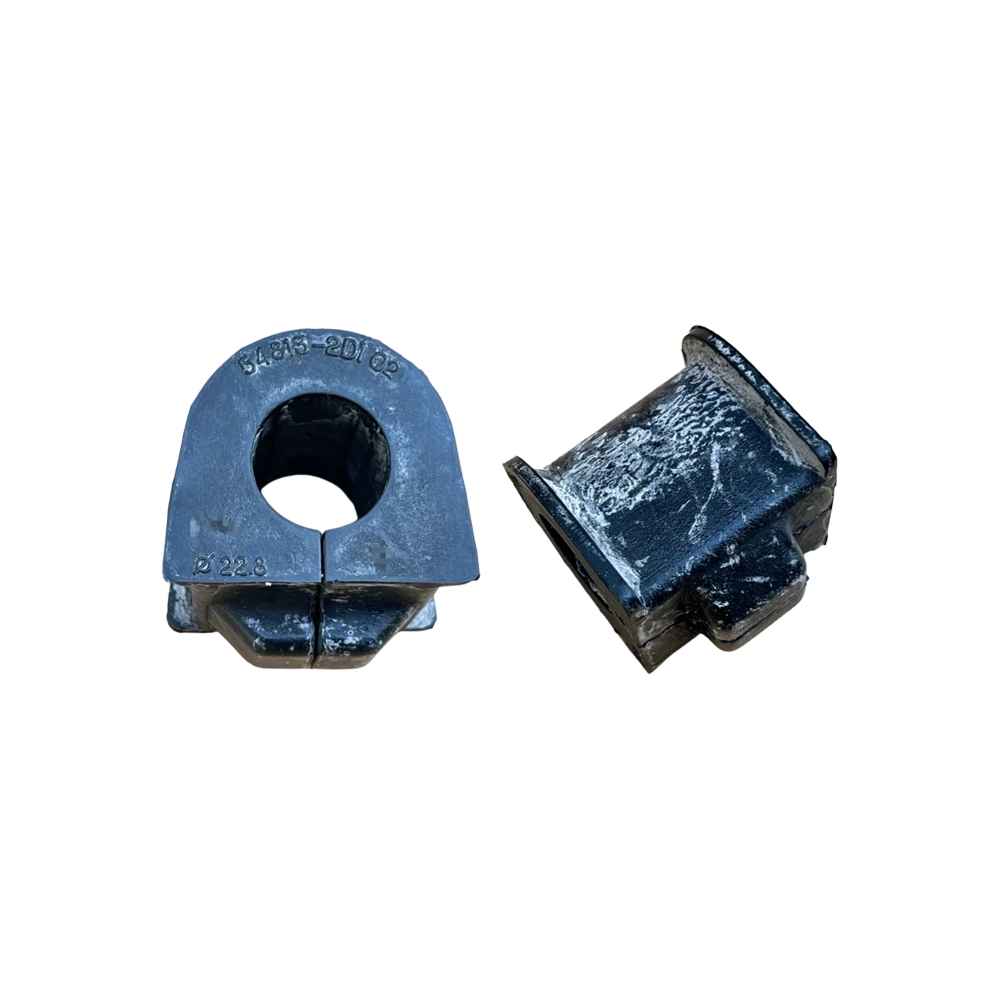
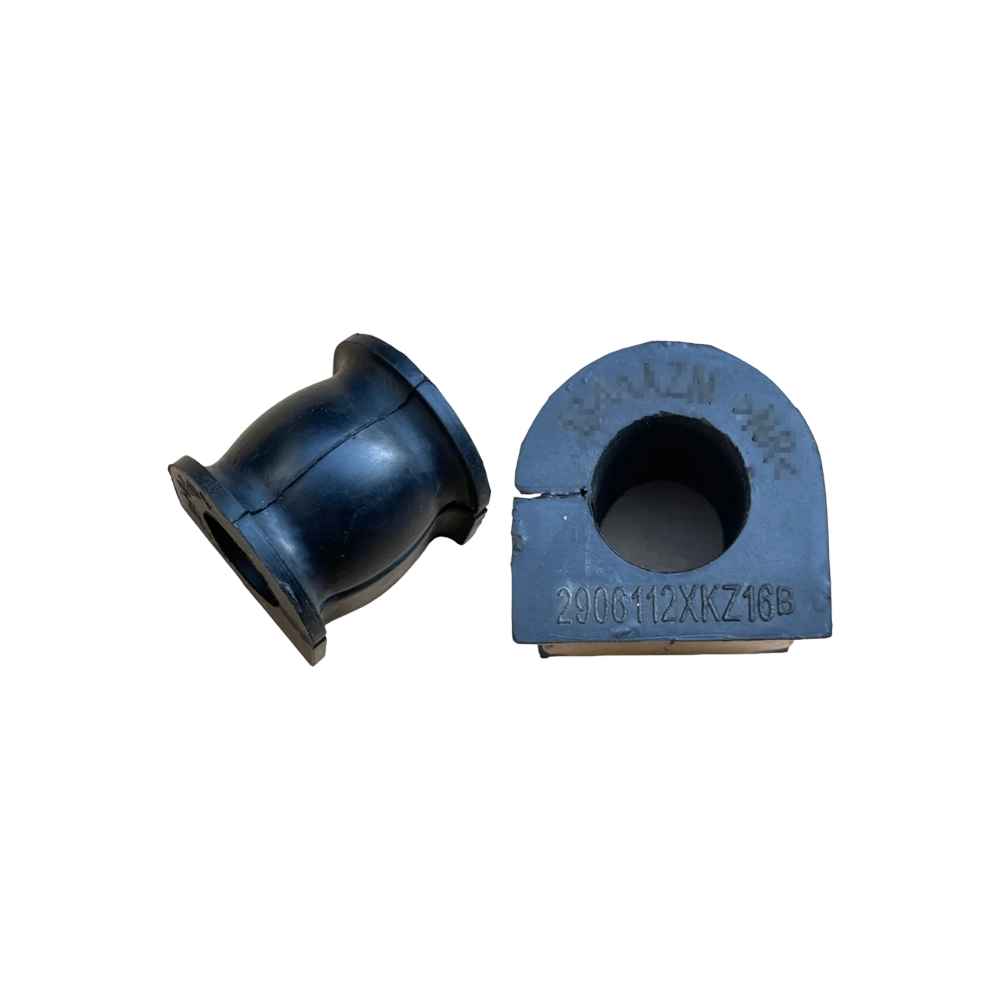
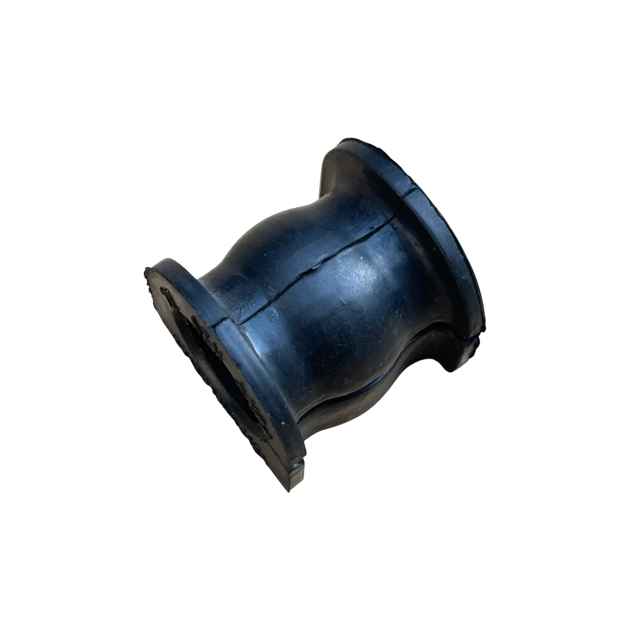
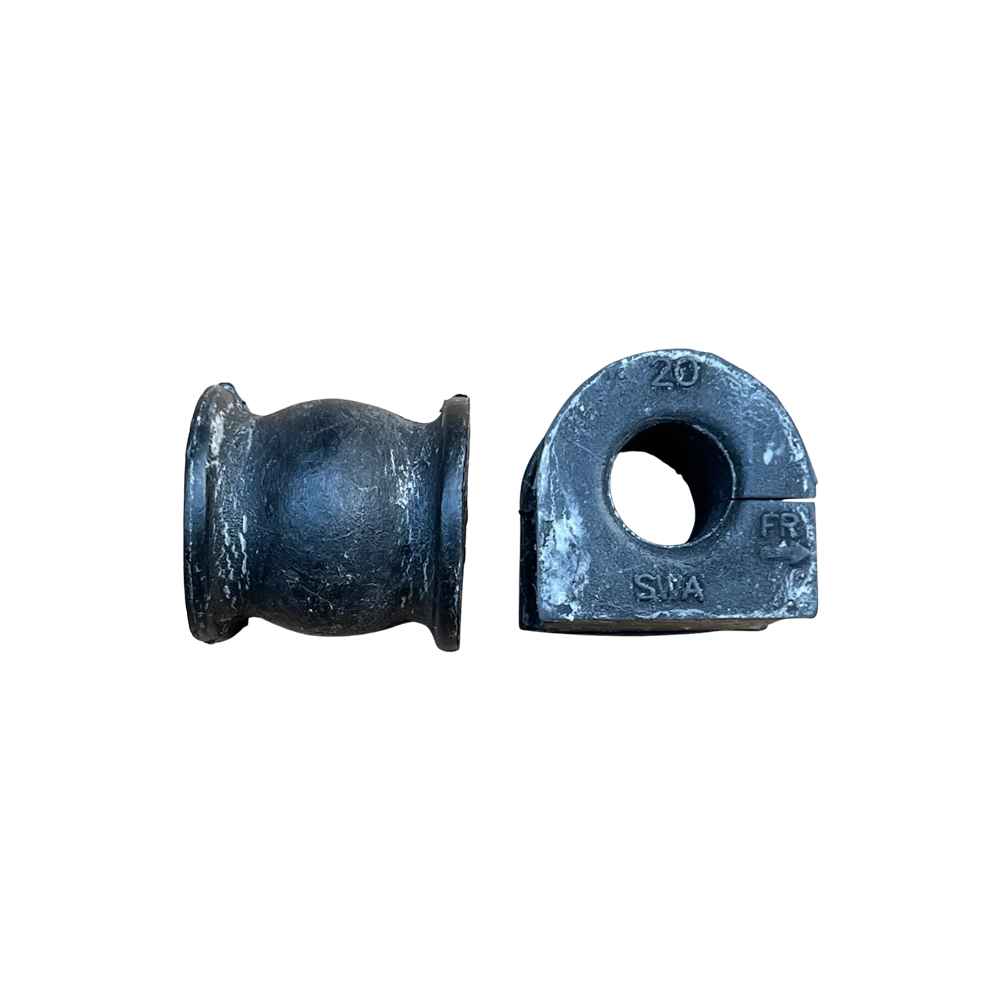
Constant velocity bellows, often referred to in the industry as CV Joint Boots , play a crucial role in the functionality of your vehicle's drivetrain system. They are designed to protect the constant velocity joint from dirt and moisture, ensuring smooth operation. The material used in these boots is typically rubber, which provides flexibility and resilience. It's fascinating how they can maintain performance even under extreme conditions. A little tear or crack, though, and you've got some serious trouble brewing!
Performance Insights
When it comes to performance, CV Joint Boots have an edge due to their ability to withstand high levels of torque and angular movement. This makes them particularly beneficial for vehicles that require sharp turning and acceleration. However, if you're considering a budget option, be cautious—some cheaper brands might not offer the same durability. For example, I’ve seen folks use Guanghua products, which tend to hold up well over time. But always check reviews before diving in!
The Role of Rack and Pinion Boots
On the flip side, we have rack and pinion boots, which are another kind of protective covering. These guys shield your steering components from grime and debris. If you think about it, they’re like the unsung heroes of steering systems, quietly working to keep everything moving smoothly.
Durability Factors
Durability is where rack and pinion boots really shine, especially when made from high-quality materials. They’re built to endure regular wear and tear from the road. When you compare them to CV Joint Boots , you'll find that while both types face challenges, the stresses are different. For instance, rack and pinion boots usually deal with less extreme forces compared to CV joint boots. That said, if you frequently drive on rough terrain, keeping an eye on your rack and pinion boots is essential.
Cost Considerations
Now, let's talk about cost. Generally speaking, CV joint boots can be a bit pricier than rack and pinion boots. Why? Well, it’s all about the complexity and the materials involved. CV joint boots have to handle more dynamic loads, which often requires better quality rubber compounds. In contrast, rack and pinion boots may be simpler and thus more affordable. But don’t forget to factor in installation costs—sometimes paying a little more for a part can save you in labor down the line.
Cost Breakdown
- CV Joint Boots: Expect to pay anywhere from $20 to $50 per boot.
- Rack and Pinion Boots: Usually range from $10 to $30 each.
- Labor Costs: Installation can vary; a shop might charge around $100 to $150 for labor purposes.
Choosing the Right Boot for Your Vehicle
Ultimately, your choice between CV joint boots and rack and pinion boots boils down to your specific vehicle needs. Do you prioritize performance and handling? Then CV joint boots might be your best bet. On the other hand, if you need something more straightforward and durable for daily driving, rack and pinion boots could be what you’re after. Remember to consider the environment you’re driving in—harsh conditions will increase wear and tear regardless of which boot you choose.
Installation Advice
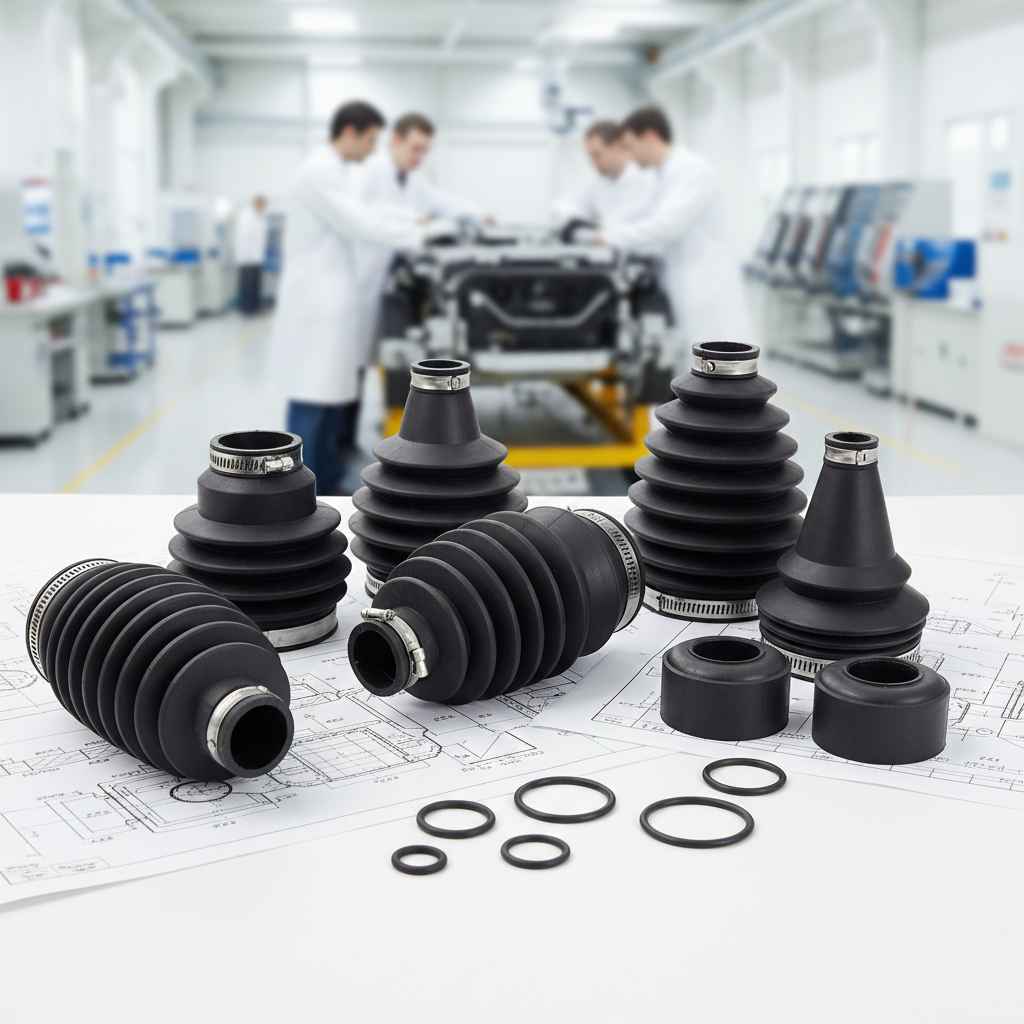
When it’s time to install either type of boot, make sure you're equipped with the right tools. A solid set of pliers, a jack, and some patience can go a long way. And hey, sometimes it’s worth watching a few online tutorials if you’re unsure. I've found some gems out there! Also, don’t skimp on using O-rings & rubber sealing rings during the installation; they can be lifesavers when it comes to preventing leaks.
Final Thoughts on Performance and Maintenance
In the end, both CV joint boots and rack and pinion boots serve vital functions in your vehicle's lifespan. Keeping them well-maintained can significantly extend the longevity of your car’s critical systems. Always remember to inspect them regularly, especially if you notice any strange noises or handling issues. Proactive maintenance is key! And who knows, sticking with trusted brands like Guanghua might just save you from unexpected repairs down the road!