Understanding CV Axle Boots
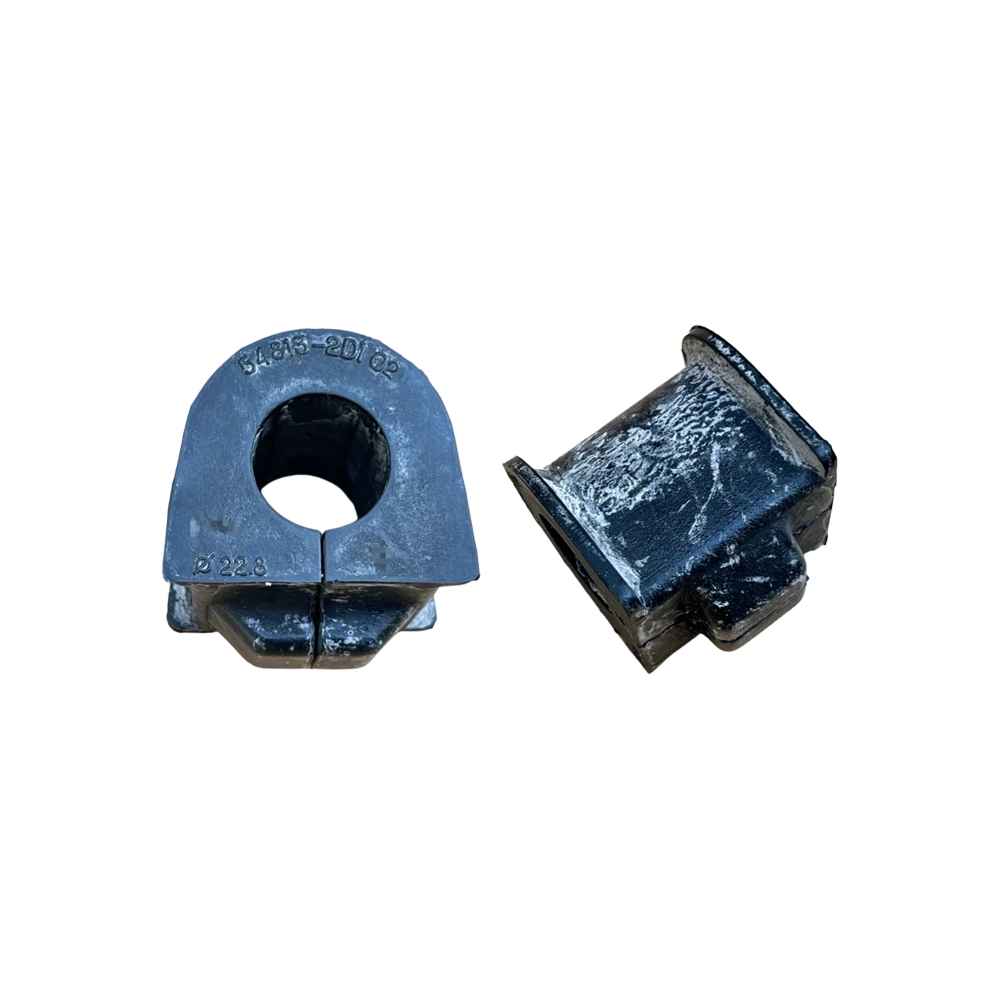
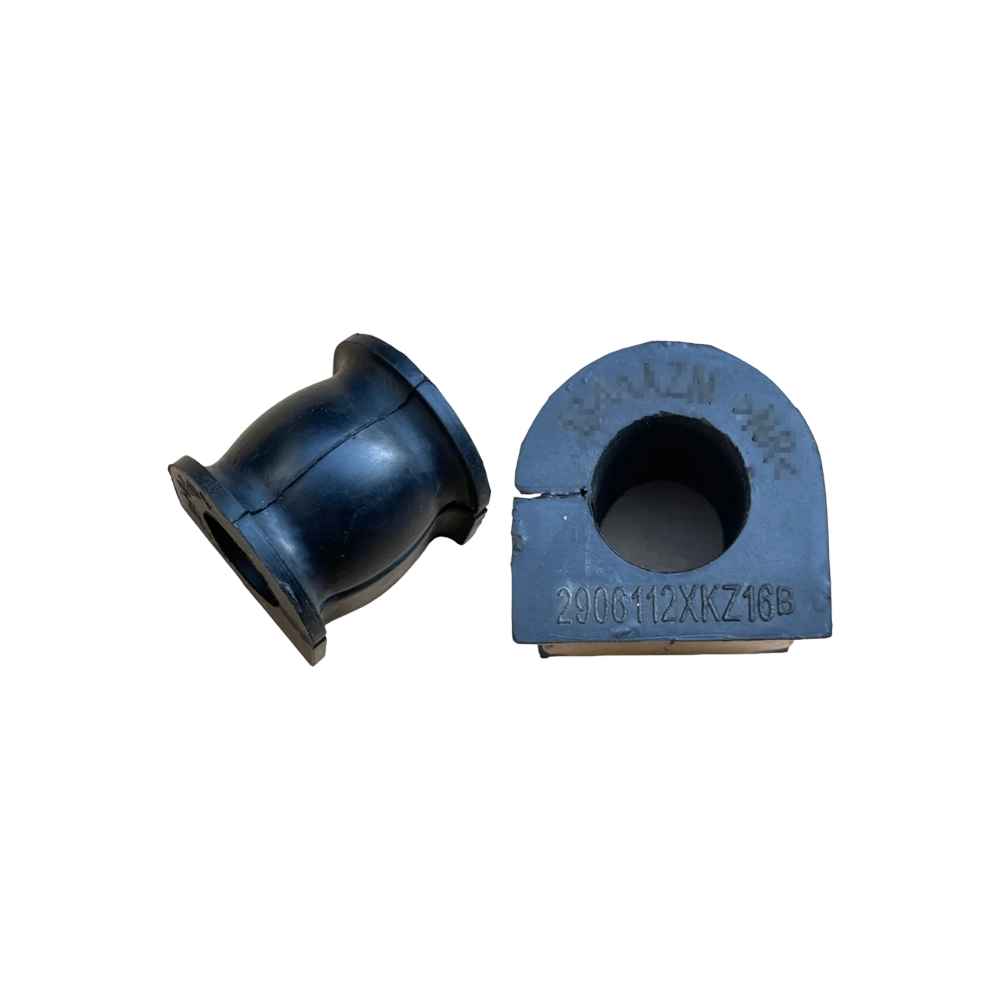
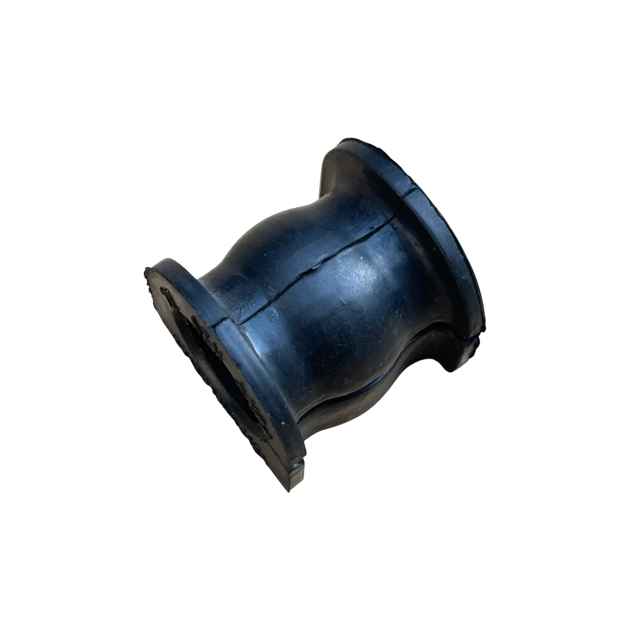
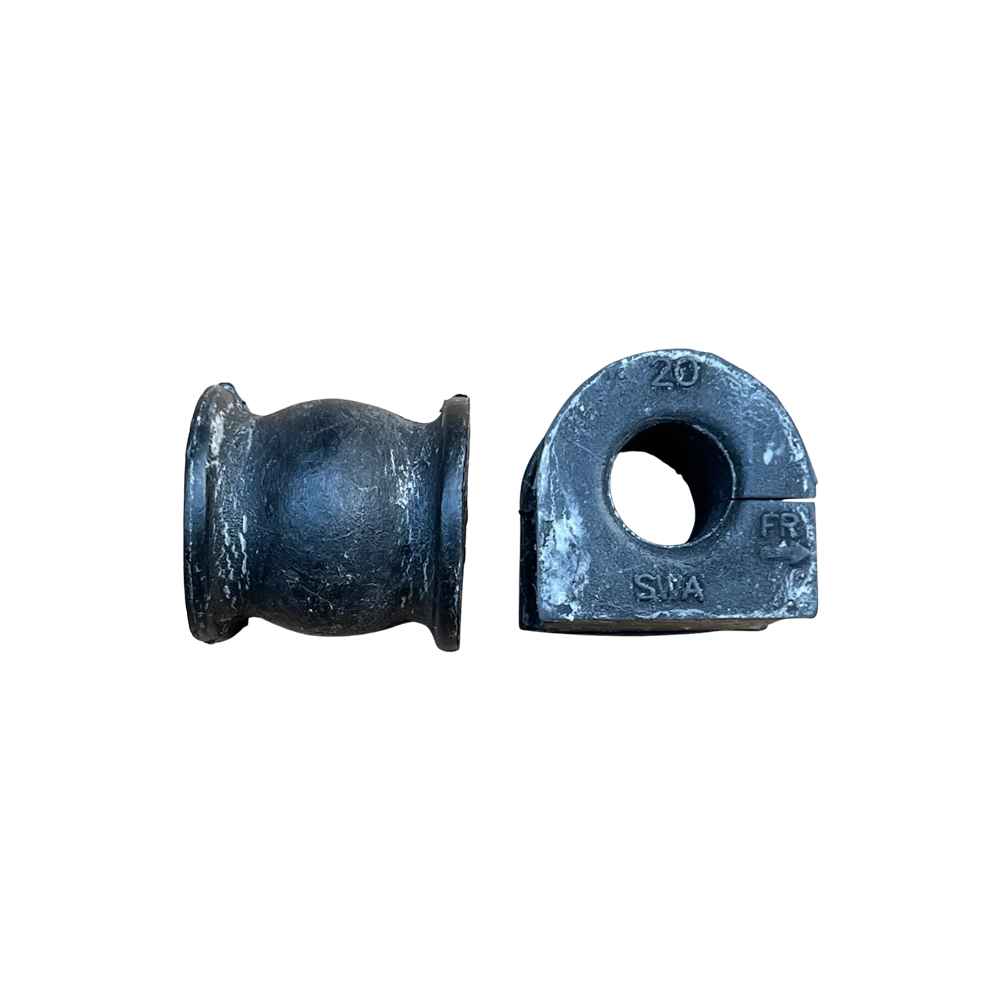
CV axle boots are rubber or plastic coverings that protect the constant velocity joints (CV joints) in an automobile. They play a critical role in preventing dirt and moisture from entering these joints. In fact, did you know that a simple tear can significantly reduce the lifespan of your CV joint?
Consider a scenario: A driver opts for a top-tier model from Guanghua, equipped with premium CV Joint Boots . After just two years, one boot sustains damage due to road debris. The result? A costly replacement of the entire CV joint assembly because the compromised boot let contaminants in. Frustrating, right?
Durability Matters
When discussing performance, durability is paramount. CV axle boots generally exhibit robust resistance to wear and tear. They endure a variety of conditions, including varying temperatures and exposure to chemicals. However, not all boots are created equal.
- High-quality materials typically resist cracking over time.
- Inferior options might degrade quickly under harsh environmental conditions.
Interestingly, this is where O-ring seals come into play. Often seen as simpler yet effective sealing solutions, O-rings are designed to provide a tight seal under pressure. Their performance varies depending on the material used—nitrile, silicone, or fluorocarbon, for instance. Each brings its own strengths and weaknesses.
Performance Insights
In terms of performance, CV axle boots and O-ring seals serve different purposes, despite their shared goal of protection. While CV boots shield moving parts from external elements, O-rings are more about ensuring tight fittings in static applications.
This difference becomes apparent when you consider dynamic environments. CV axle boots must accommodate movement, flexing constantly as a vehicle operates. O-rings, however, thrive in applications where they don’t have to deal with such dynamics. It’s like comparing apples and oranges, isn’t it?
Cost Considerations
Now, let's tackle costs. Generally speaking, CV axle boots are pricier than O-ring seals. Why? Because they are engineered for high-performance environments. A decent set of CV boots can set you back around $30-$80, whereas O-rings can often be found for under $10 each.
This raises an interesting question: Is it worth spending extra on CV boots for a likely longer-lasting solution? It depends on the application. If you’re driving a high-performance vehicle, investing in quality CV boots might prevent larger repair bills down the line. Conversely, for less demanding uses, O-rings may suffice.
Real-world Applications
Imagine a busy mechanic's shop where the owner has to decide between replacing CV boots or opting for O-rings during a routine maintenance job. If the mechanic chooses O-rings for cost-effectiveness, they may face complaints sooner rather than later if those seals fail and lead to significant engine issues.

- Scenario One: A luxury car fitted with high-end CV boots suffers from no internal contamination.
- Scenario Two: A budget-friendly vehicle using standard O-rings faces issues after just months of use.
Final Thoughts on Reliability
Reliability is key, but isn't it amusing how often we overlook the essentials? Choosing between CV axle boots and O-ring seals comes down to the specific needs of the vehicle and its usage. While cost plays a significant role, the ultimate decision hinges on longevity and performance expectations.
The choice isn't always straightforward. Sometimes, investing more upfront prevents headaches (and expenses) down the road. Whether it's the reliable CV Joint Boots from Guanghua or simpler O-ring seals, knowing their differences can save you money—and that’s something every vehicle owner appreciates!