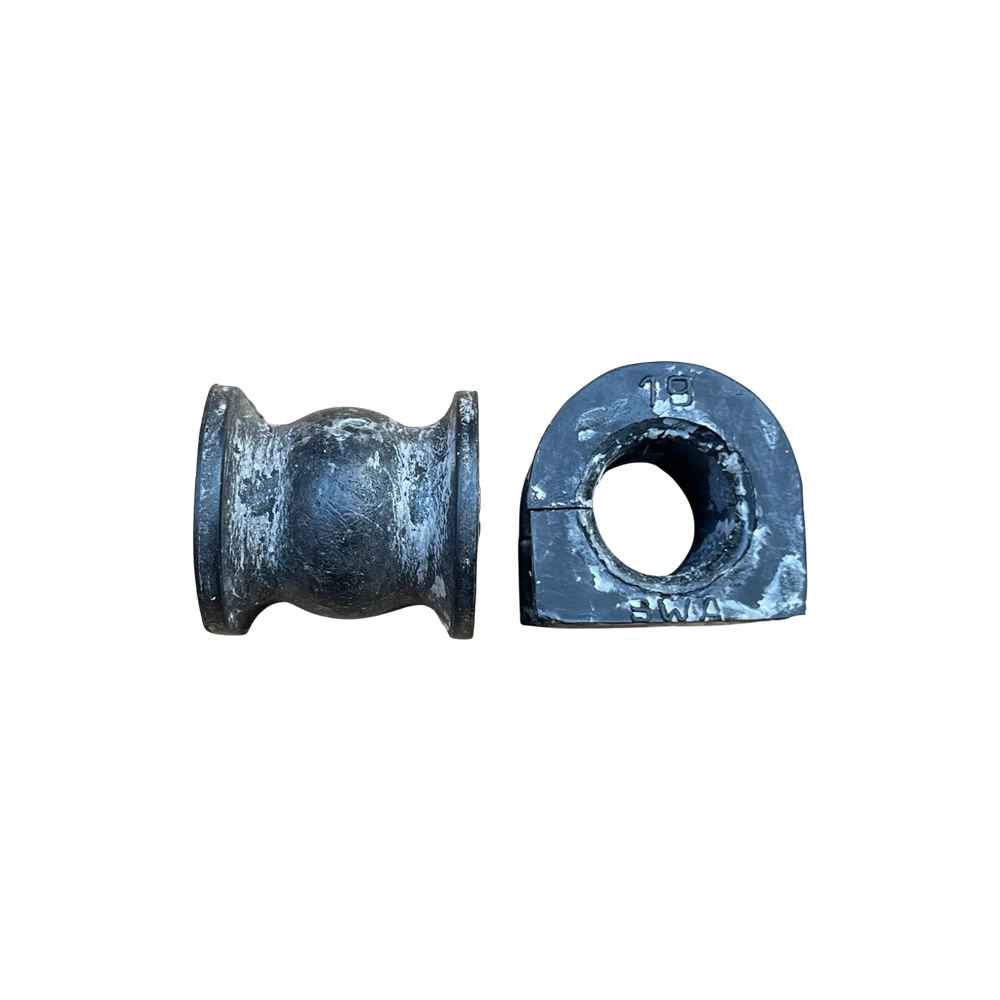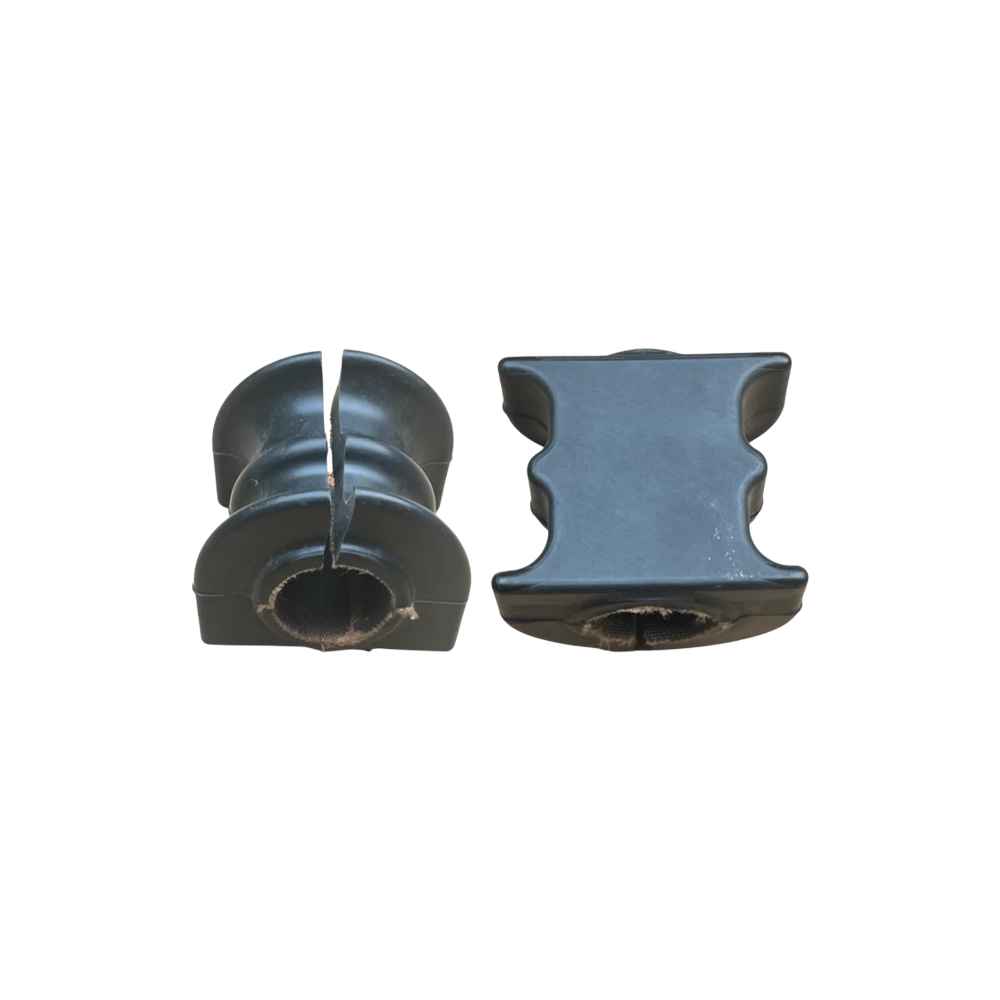
Understanding Dust Covers
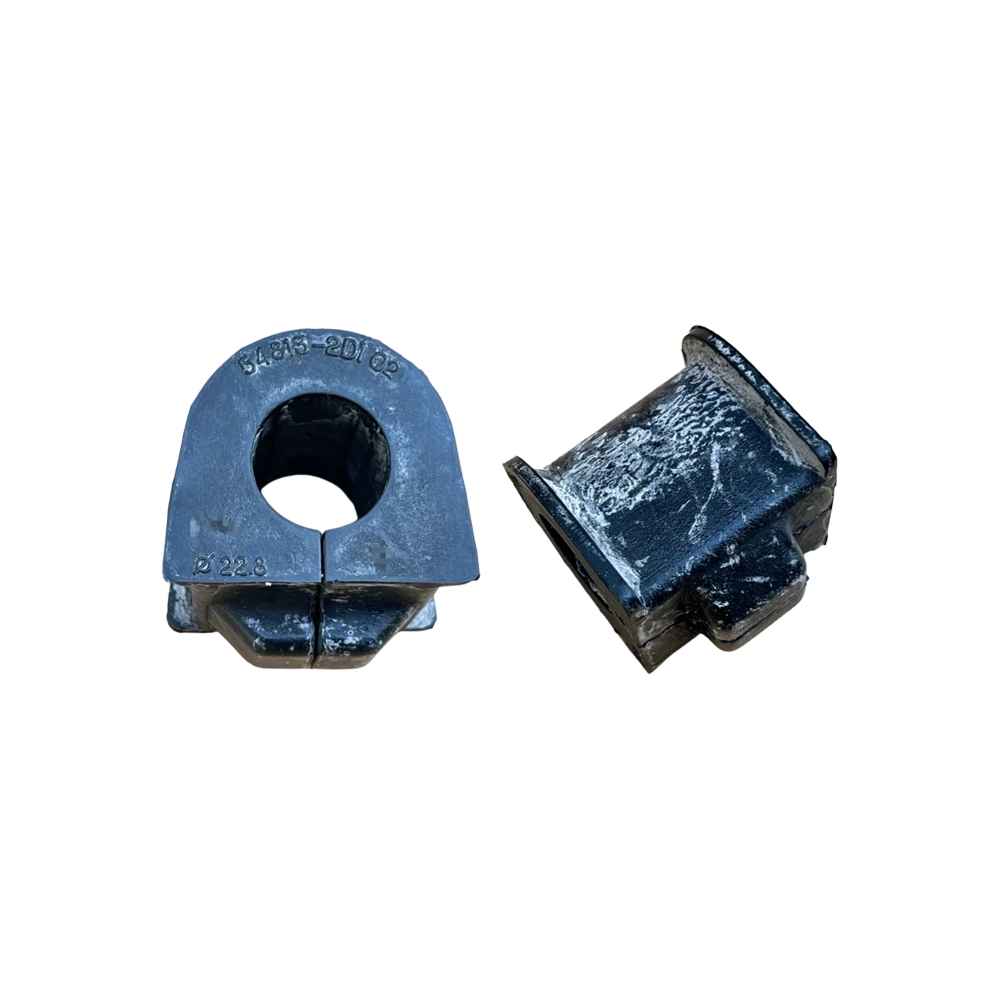
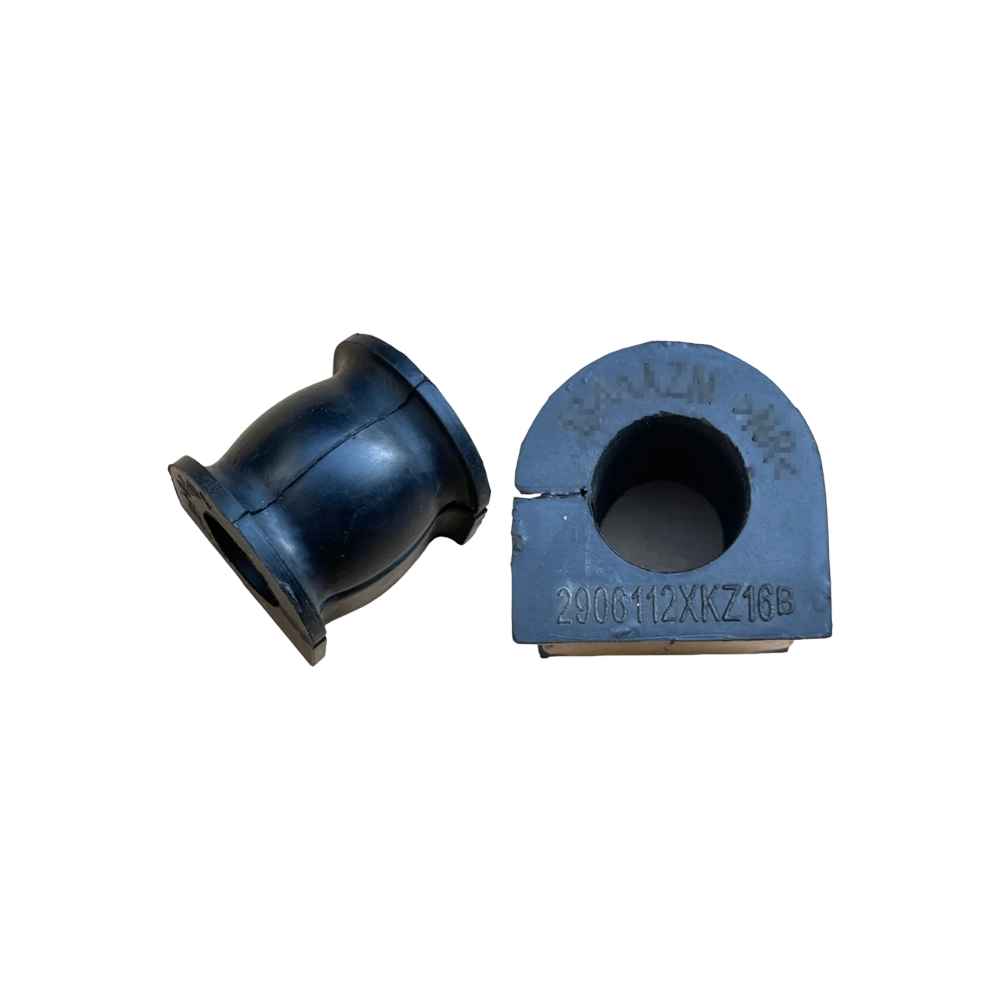
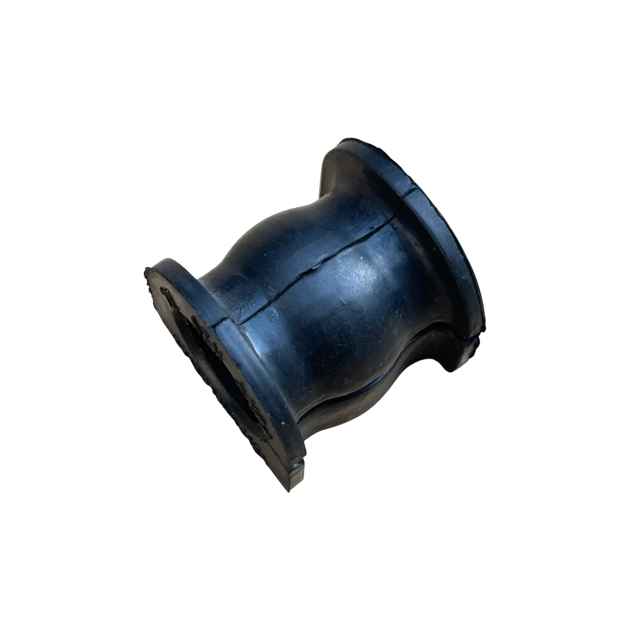
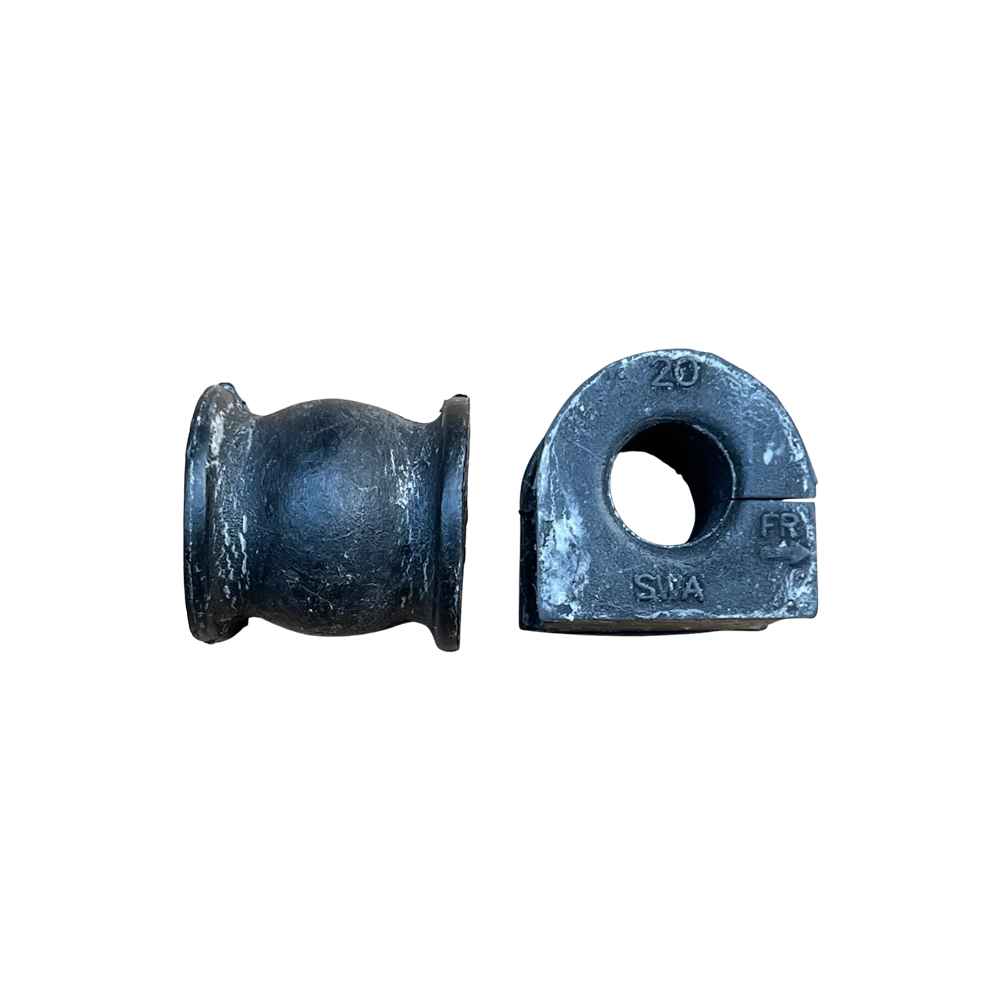
Dust covers. They seem insignificant. Yet, they play a critical role in protecting various components. Take the automotive industry, for instance. The dust cover prevents contaminants from entering joints and mechanisms, ensuring longevity.
The Role of Materials
When it comes to dust covers, material choice is paramount. Let's dive into the most popular materials: NBR, Viton, and Silicone.
- NBR (Nitrile Butadiene Rubber) : Renowned for its oil resistance, NBR is often used in environments where petroleum-based lubricants are present. It’s tough, but how does it fare against temperature extremes?
- Viton : This fluoropolymer surpasses NBR in heat resistance. It can withstand higher temperatures without losing integrity. And yet, it's pricier.
- Silicone : Known for flexibility and a wide temperature range, silicone dust covers excel in extreme conditions. But—are they durable enough for industrial use?
Performance Comparison
Consider a manufacturing facility using different types of dust covers. In an operation that involves high-pressure systems, the performance of these materials is tested constantly.
For instance, in one scenario, a factory utilized NBR dust covers on hydraulic systems operating at 150°F. After six months, significant wear was observed. Meanwhile, Viton used in the same system? It lasted over a year with minimal signs of degradation.
Durability Insights
Durability doesn't solely depend on temperature resistance. Chemical exposure matters too. A report from Guanghua indicates NBR loses resilience when exposed to certain solvents. On the other hand, Viton maintains its properties under such stress.
- Test Case 1: NBR incurs cracks within three months when exposed to industrial cleaners.
- Test Case 2: Viton's integrity remains intact even after prolonged exposure to aggressive chemicals.
- Test Case 3: Silicone shows no signs of wear in low-temperature applications but may not last as long under high-stress scenarios.
Cost Analysis
Now, let’s talk money. Costs vary significantly across these materials.
NBR is the cheapest option, making it appealing for budget-conscious projects, especially if the application isn’t too demanding. Viton? That’s where things get pricey. The benefits might justify the cost, but what about the trade-offs? Is spending more really worth it? Silicone, while flexible, tends to sit somewhere in the middle regarding pricing.
RubberSeals.jpg)
Real-World Application Example
Picture this: a transportation company faced frequent breakdowns, leading to hefty maintenance costs. They switched from NBR to Viton dust covers on their Steering Rack Boots . As a result, downtime reduced by 30%. Wow!
Final Thoughts on Material Selection
Ultimately, the choice between dust covers made of NBR, Viton, or Silicone hinges on specific application needs. Don’t just select based on price; consider performance and durability against environmental stressors.
Weighing the pros and cons carefully can lead to better decisions. Remember, it’s not merely about covering joints—it's about enhancing the lifespan of your equipment.