Understanding CV Joint Failure
The constant velocity (CV) joint plays a crucial role in a vehicle's driveline, allowing for the transmission of power to the wheels while accommodating for suspension movement. However, premature failure of CV joints can lead to significant repair costs and safety hazards.
Common Causes of CV Joint Failures
- Lack of Lubrication: Proper lubrication is essential to reduce friction and wear within the joint. Insufficient lubrication often leads to overheating and eventual failure.
- Boot Damage: The protective outer CV Joint Boots shield the joints from dirt, debris, and moisture. A damaged boot often allows contaminants to enter, leading to rapid deterioration.
- Extreme Operating Conditions: Vehicles that frequently operate under heavy loads or extreme temperatures are particularly susceptible to CV joint failures.
The Role of Heavy-Duty Strut Boots
In order to combat premature CV joint failure, utilizing heavy-duty strut boots becomes vital, especially in rigorous conditions. These robust boots are designed to withstand not only the physical demands of off-road driving but also environmental stresses that standard boots may not endure.
Benefits of Heavy-Duty Strut Boots
- Enhanced Durability: Heavy-duty strut boots, often manufactured from advanced rubber compounds, offer superior resistance to tears and abrasions.
- Improved Sealing: A high-quality heavy-duty strut boot provides an effective seal against contaminants, thus prolonging the lifespan of the CV joint.
- Temperature Resistance: Designed to function optimally under extreme temperature ranges, these boots mitigate the risk of heat degradation that can compromise performance.
Installation Considerations
When installing heavy-duty strut boots, it is imperative to ensure a proper fit to prevent future failures. Proper alignment during installation can significantly influence the performance of the CV joint and surrounding components.
Steps for Effective Installation
- Remove Old Components: Safely remove any damaged parts, including old CV Joint Boots and associated hardware.
- Inspect the Joint: Before fitting new boots, inspect the CV joint for any signs of wear or damage.
- Apply Grease: Generously apply lubricant to ensure optimal functioning of the CV joint.
- Secure the Boot: Use quality clamps to secure the boot in place, preventing any movement that may lead to leaks.
Comparison with Other Boot Types
While heavy-duty strut boots are advantageous in many settings, it is essential to compare them with other types of boots, such as steering rack boots or Shock Absorber Boots . Each type serves specific purposes and environments; however, their functionality can be intertwined.
Steering Rack Boots vs. Heavy-Duty Strut Boots
Steering rack boots, while critical for protecting the steering components from contamination, do not typically withstand the same level of strain as heavy-duty strut boots. In contrast, heavy-duty strut boots are engineered for more demanding applications, making them ideal for vehicles subjected to harsh terrains.
Choosing the Right Brand and Quality
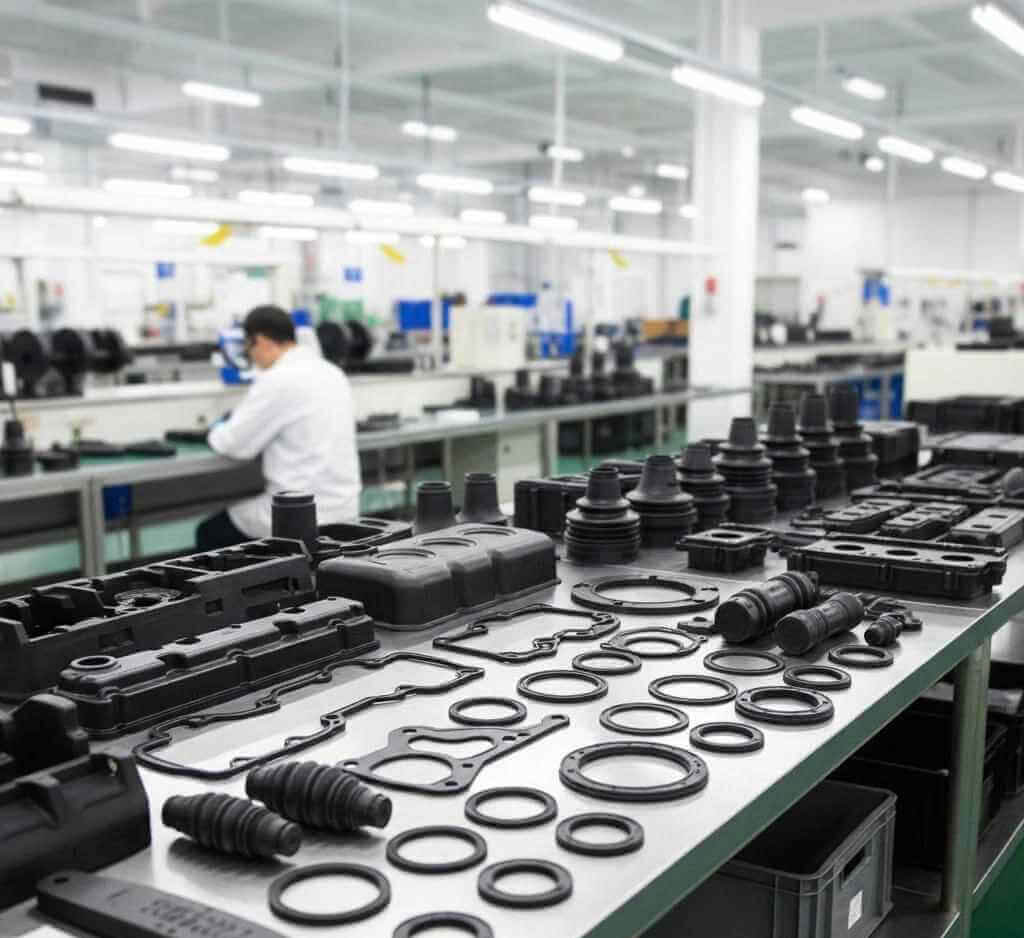
When selecting heavy-duty strut boots, the choice of brand can greatly impact the reliability and longevity of the component. Brands like Guanghua have established a reputation for producing high-quality rubber sealing products that meet stringent industry standards.
Factors to Consider
- Material Quality: Look for boots made from durable, high-performance materials that resist wear and tear.
- Compatibility: Ensure the boots are compatible with your specific vehicle make and model.
- Warranty: A solid warranty can reflect the manufacturer's confidence in product performance.
Conclusion on Maintenance Practices
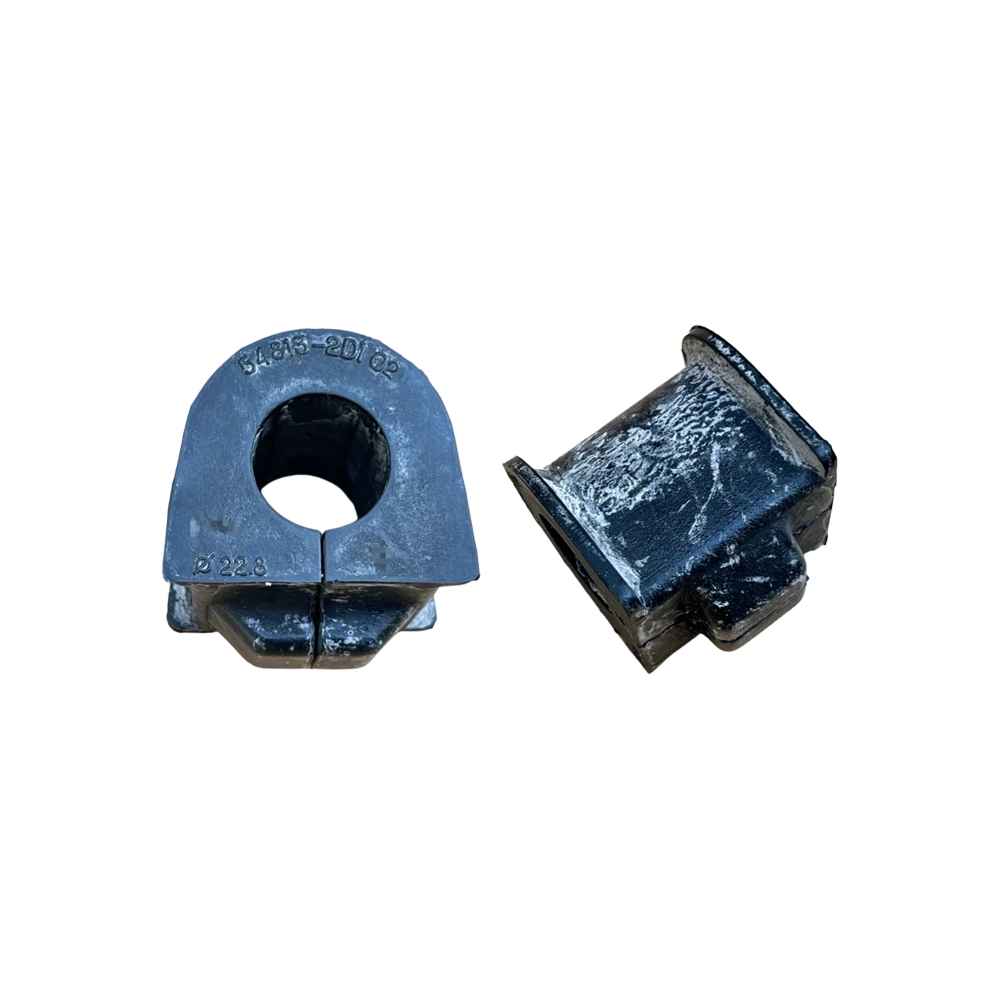
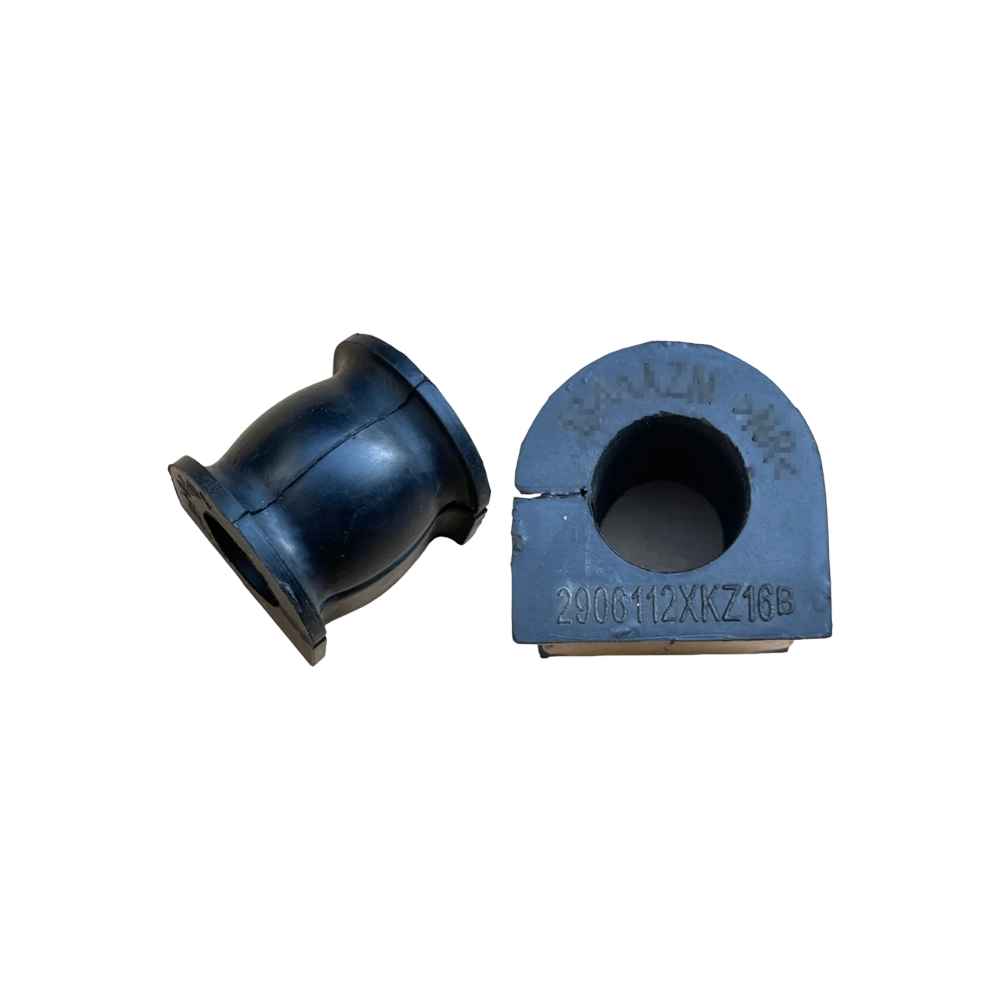
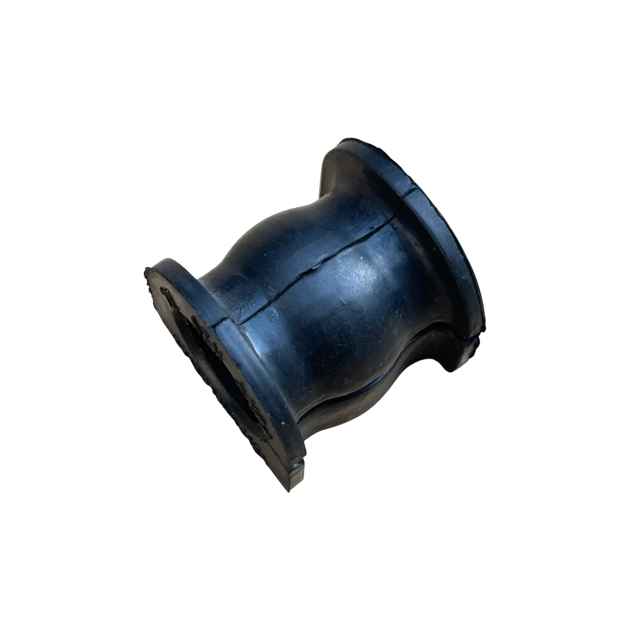
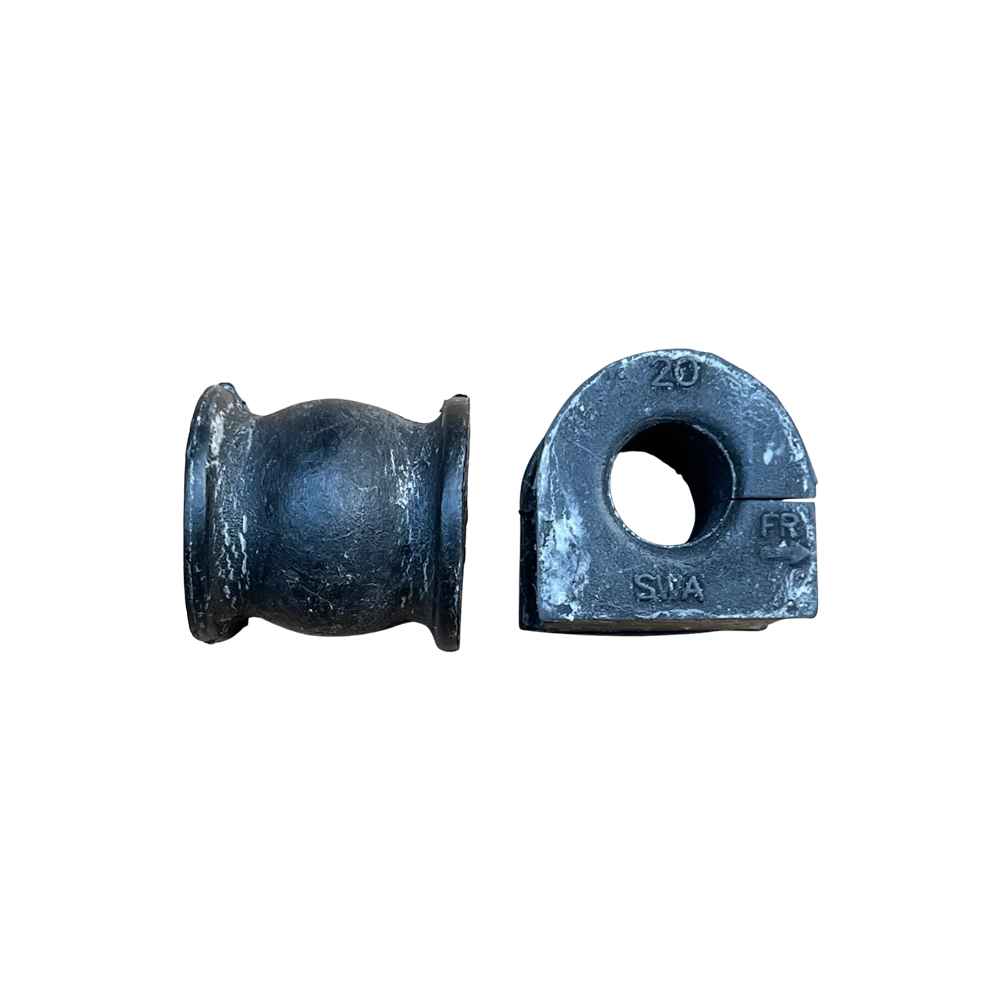
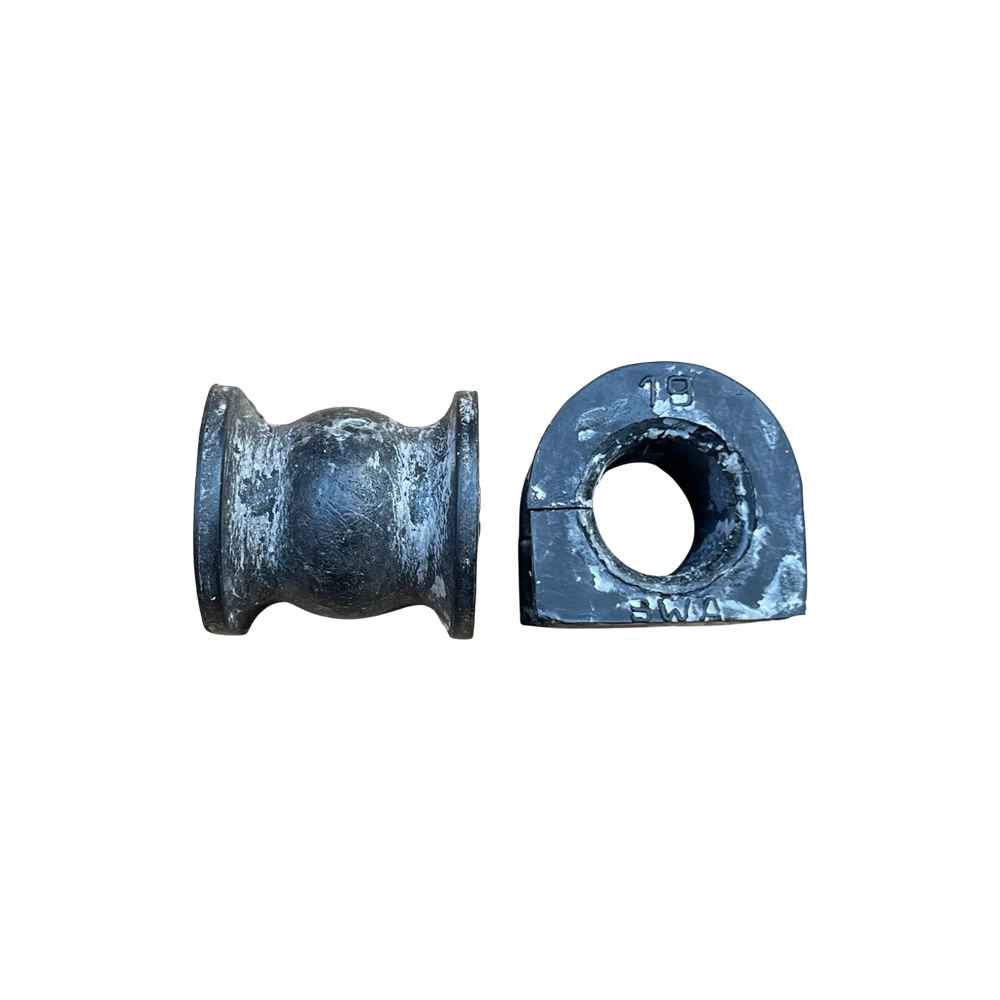
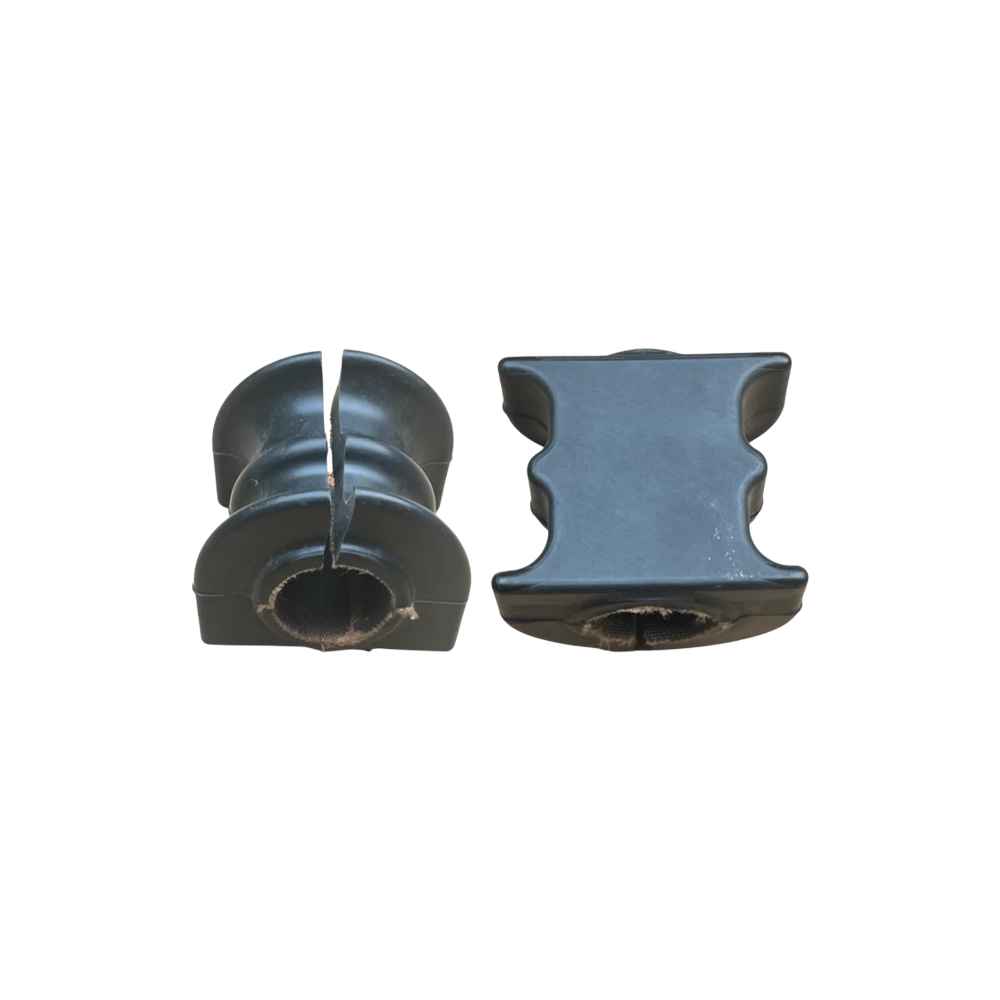
Regular inspections and maintenance practices are key to minimizing the risk of CV joint failures. Ensuring that all rubber components, including O-rings, rubber sealing rings, and stabilizer bar bushings, are in good condition contributes to overall driveline health.
Being proactive about component maintenance can save vehicle owners considerable time and expense down the line, creating a safer driving experience.