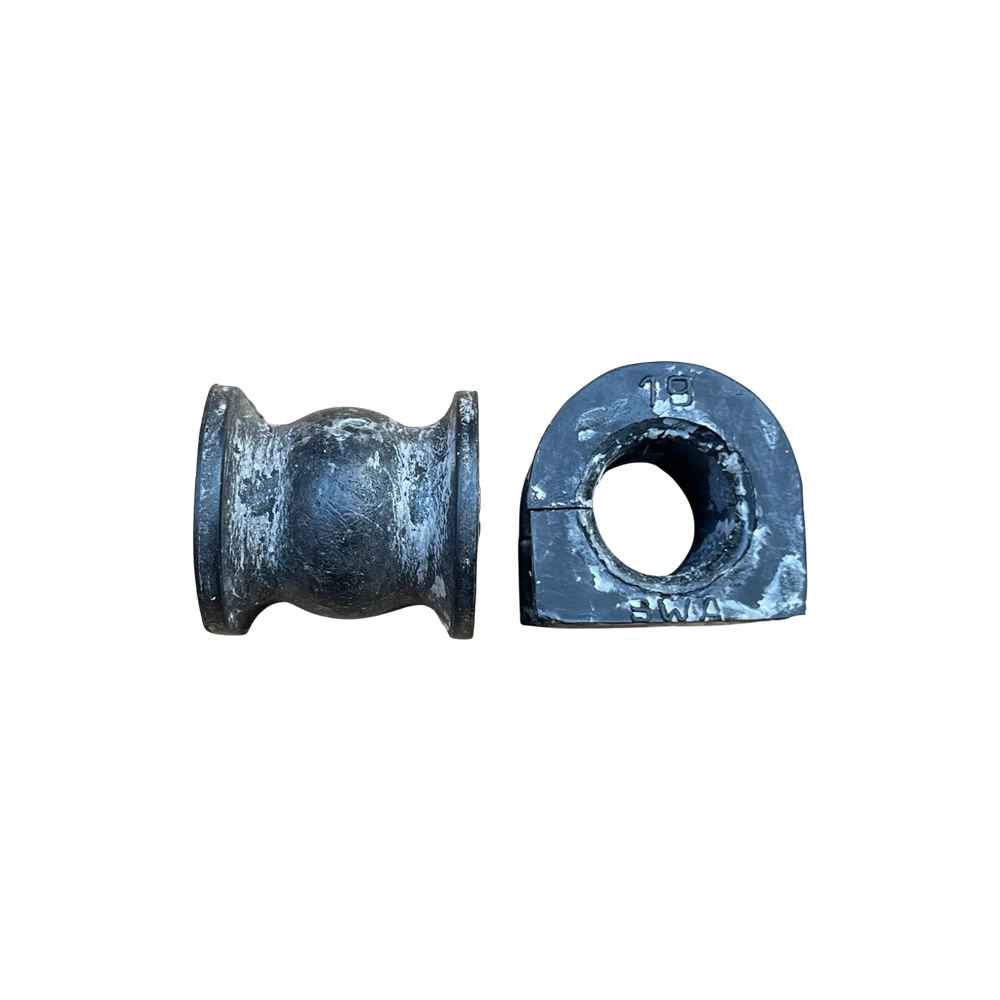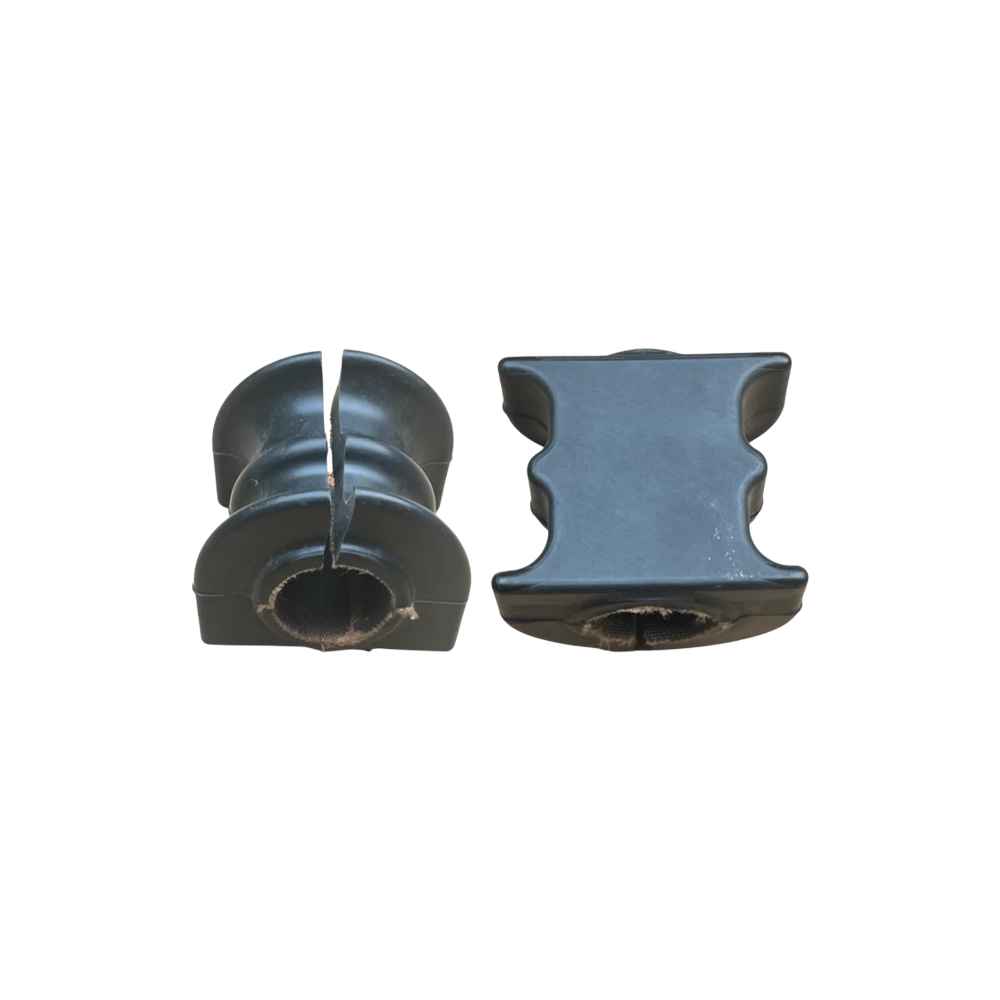
Understanding the Challenge of Material Swelling
When it comes to automotive engineering, a critical concern is how different materials interact under varying conditions. Specifically, in chassis steering and suspension systems, the compatibility of materials can make or break performance. O-rings are often the unsung heroes in this regard, serving as seals that prevent fluid leaks and contamination. However, incompatible materials can lead to swelling, compromising their effectiveness.
The Role of Heavy-Duty O-Ring Seals
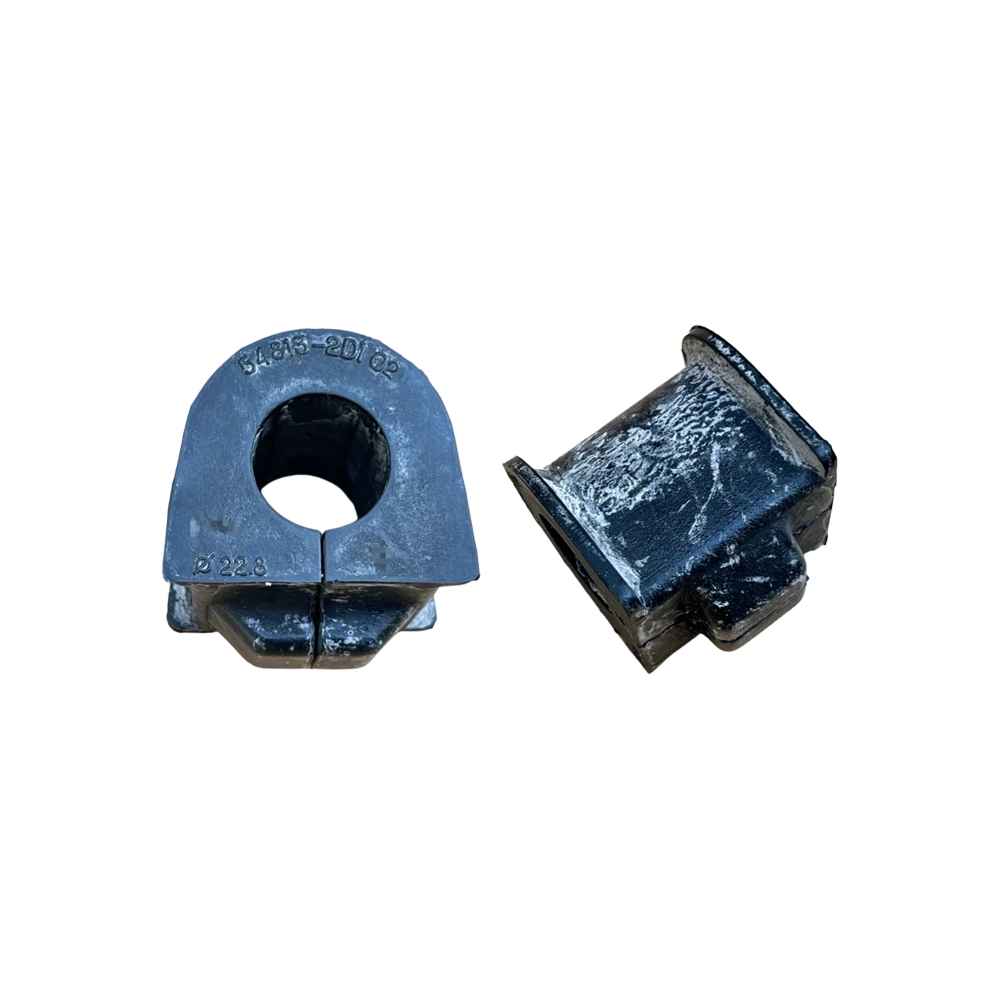
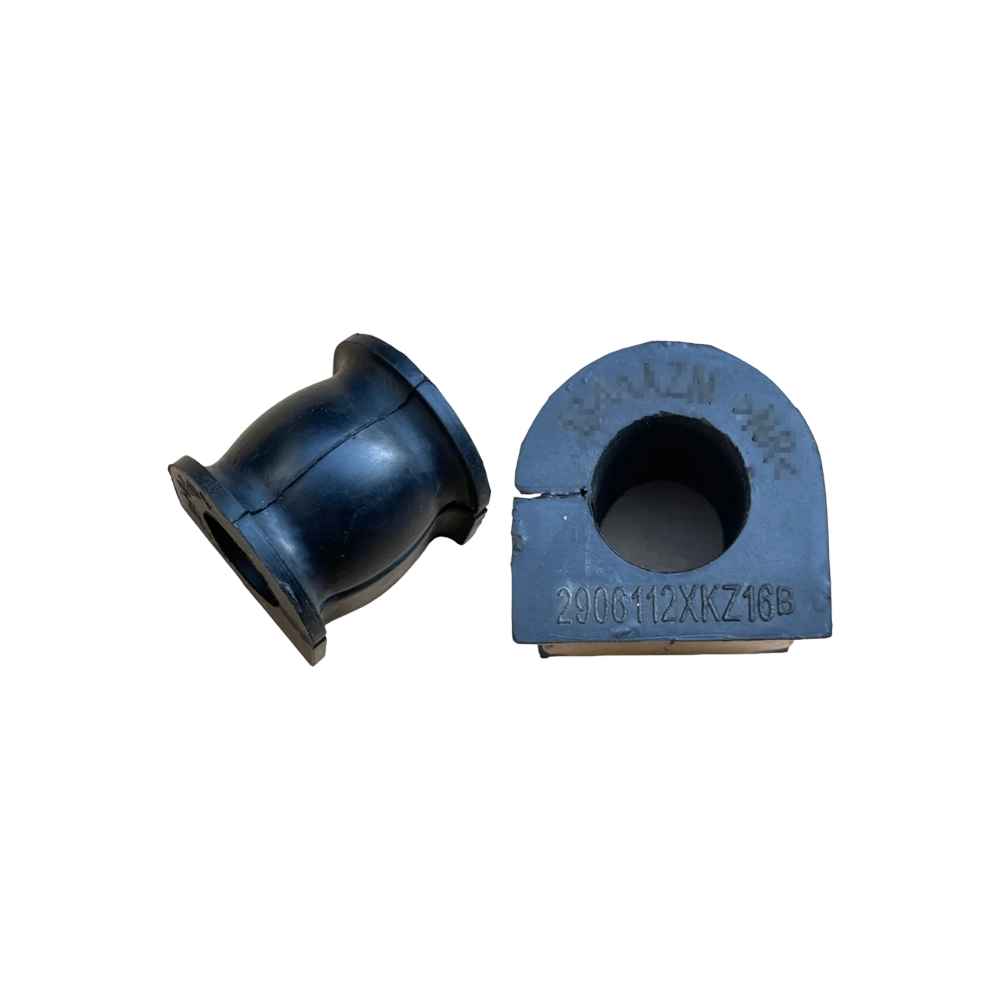
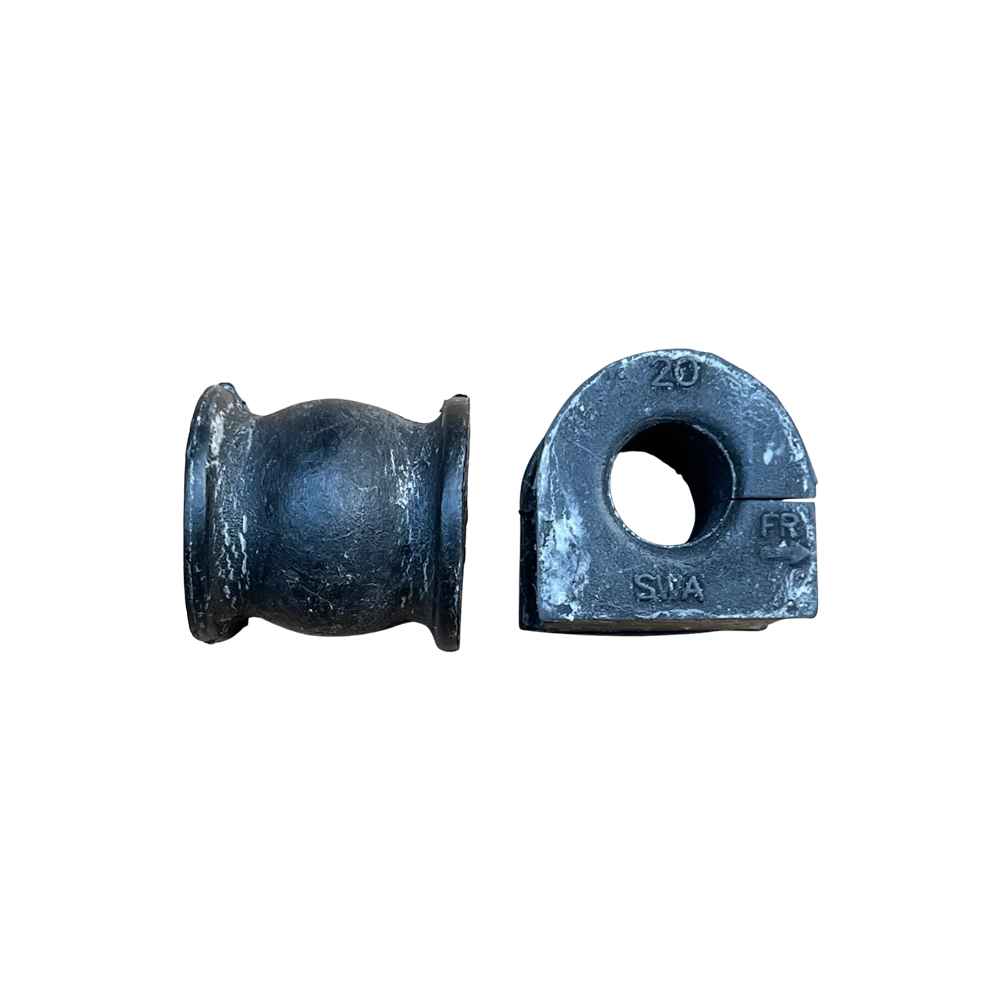
Heavy-duty O-ring seals are designed not just for durability but also to withstand extreme environmental conditions. They play an essential role in maintaining integrity within steering racks and Shock Absorber Boots . If these components fail, it can lead to significant safety issues, not to mention costly repairs.

- Material Composition: The choice of material significantly influences the seal's performance in various temperatures and chemicals.
- Installation Integrity: Proper installation is crucial; even the best O-rings will fail if not correctly fitted.
- Compatibility Testing: It’s essential to test O-rings against other materials they may contact, ensuring that swelling won’t be an issue.
Impacts of Incompatible Materials
Incompatible materials can create a cascade of problems. For instance, if the O-ring comes into contact with certain types of lubricants or fluids, it can swell, leading to poor sealing performance. The resulting leaks can affect the entire system's functionality, causing steering issues or suspension failure. This is particularly critical in high-performance vehicles where precision is key.
Identifying Material Compatibility
One way to ensure that you’re using the right O-rings is by consulting compatibility charts or guidelines provided by manufacturers. Brands like Guanghua offer comprehensive resources that outline which O-rings to use in specific applications. This might seem like a minor detail, but ignoring it can lead to severe consequences down the road.
- Temperature Range: Different materials have varying tolerance levels to heat and cold.
- Chemical Resistance: Ensure that the O-rings can withstand the fluids they will encounter.
- Physical Properties: Assess hardness, elasticity, and tensile strength to determine suitability.
Extreme Conditions and Their Challenges
In the world of automotive systems, "extreme conditions" can mean anything from high-performance racing environments to rugged off-road terrains. In these scenarios, the strain on chassis components is immense. Heavy-duty O-rings must not only perform under pressure but also resist environmental factors such as dirt, moisture, and extreme temperatures.
The Importance of Proper Maintenance
Regular inspection and maintenance of O-rings and other sealing components cannot be overstated. It’s easy to overlook these small parts, yet they play a vital role in vehicle safety and performance. An astute technician will keep an eye on signs of wear, including swelling or cracking, which could indicate compatibility issues. Remember, proactive measures can save time and money in the long run.
Choosing the Right Components for Your Vehicle
Choosing quality components is crucial. Not all O-rings are created equal, and investing in heavy-duty options can make a significant difference. Opt for those that have been tested for compatibility with your specific application. Brands like Guanghua provide reliable products designed to meet stringent industry standards, ensuring longevity and performance.
- Research Before Buying: Always read user reviews and product specifications before making a purchase.
- Consult Professionals: When in doubt, consult with industry professionals who can provide insights based on experience.
- Look for Certifications: Certified parts typically meet higher manufacturing standards, reducing the risk of failure.
Conclusion: Future Trends in Seal Technology
The future of sealing technology is promising, with ongoing research and development aimed at improving material compatibility and performance under duress. Innovations in synthetic materials and better manufacturing processes are paving the way for more effective solutions in chassis and suspension systems. It’s a continually evolving field, and staying abreast of these advancements can provide a competitive edge.
Ultimately, understanding the complexities of O-ring seals and their interactions with various materials is essential for anyone involved in automotive design or repair. The stakes are high, and the benefits of eliminating material swelling through proper selection and maintenance of heavy-duty O-ring seals cannot be underestimated.