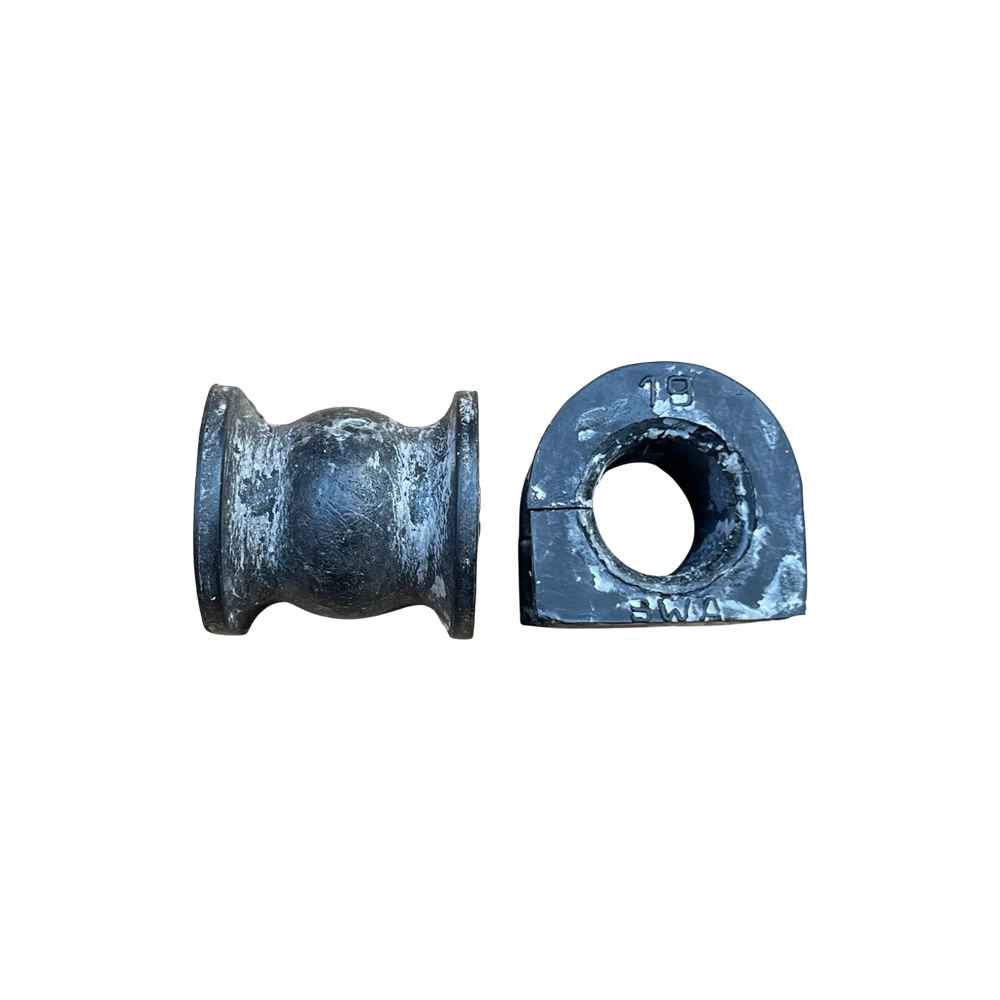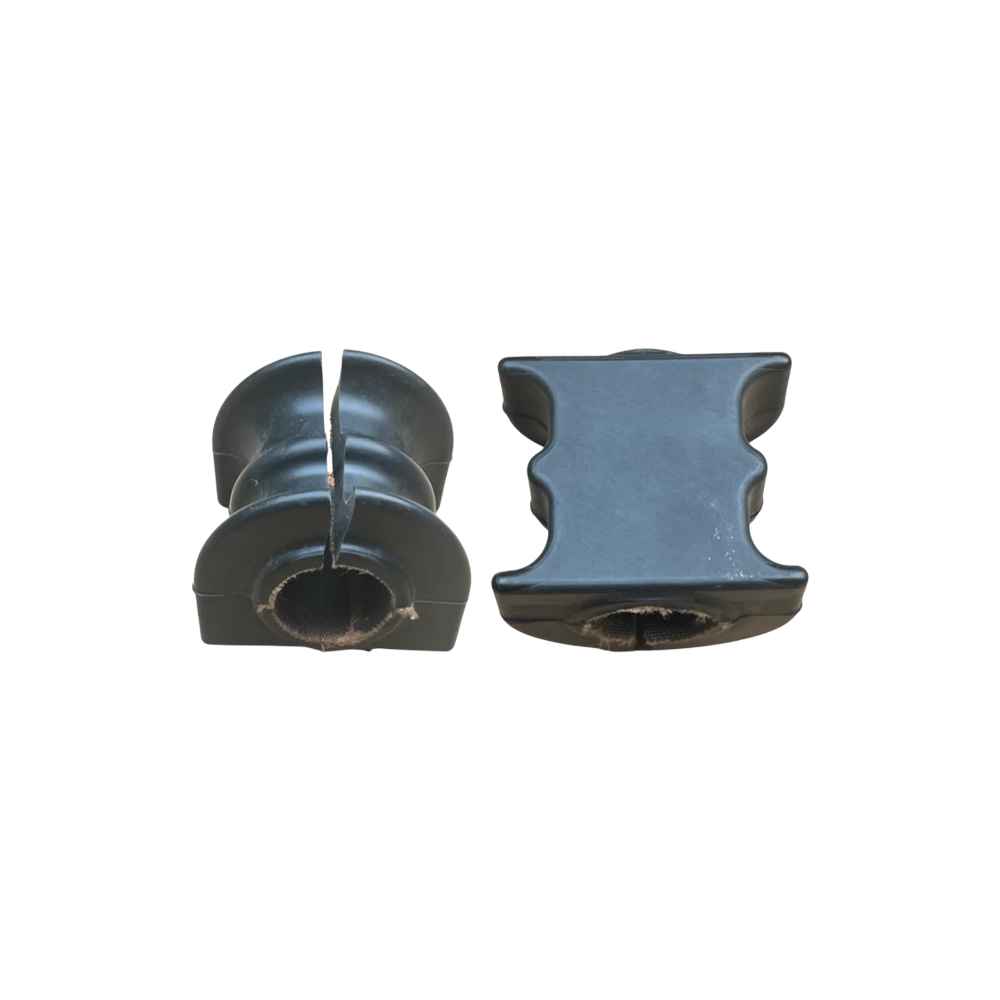
Understanding the Importance of Steering Bellows
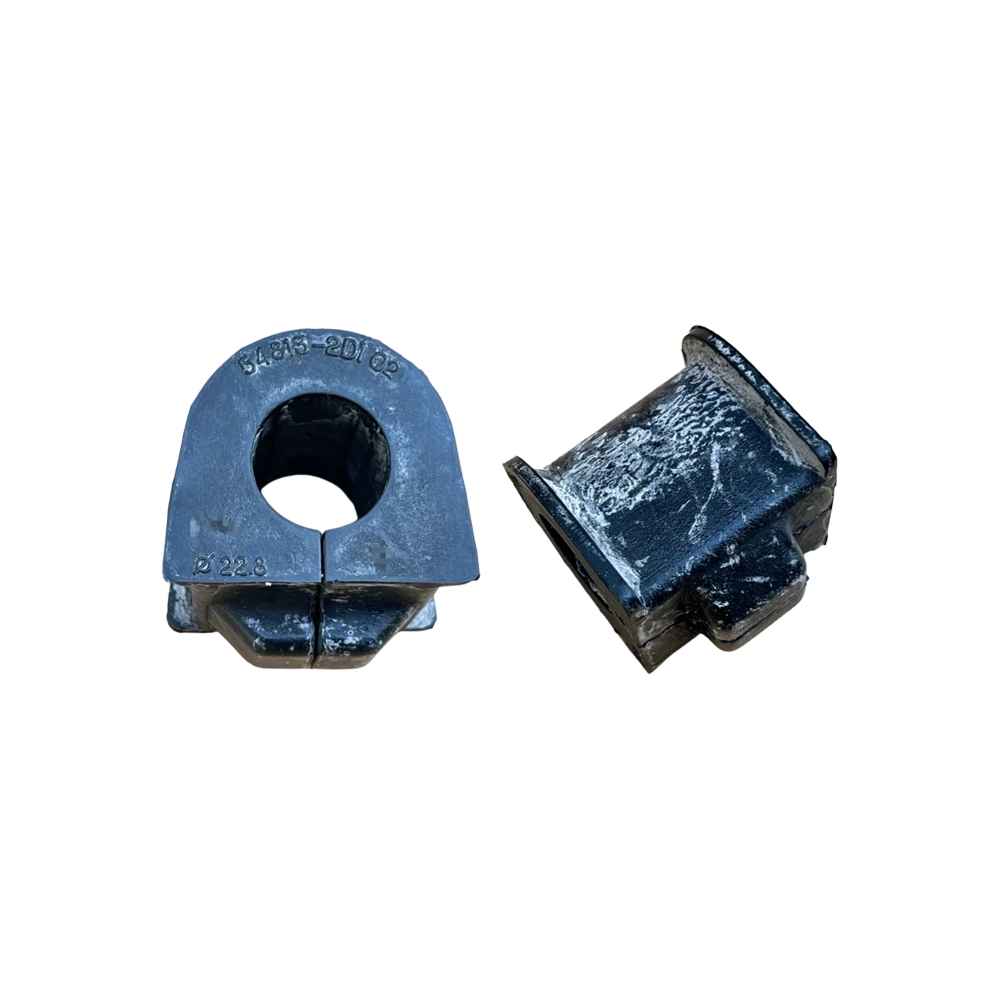
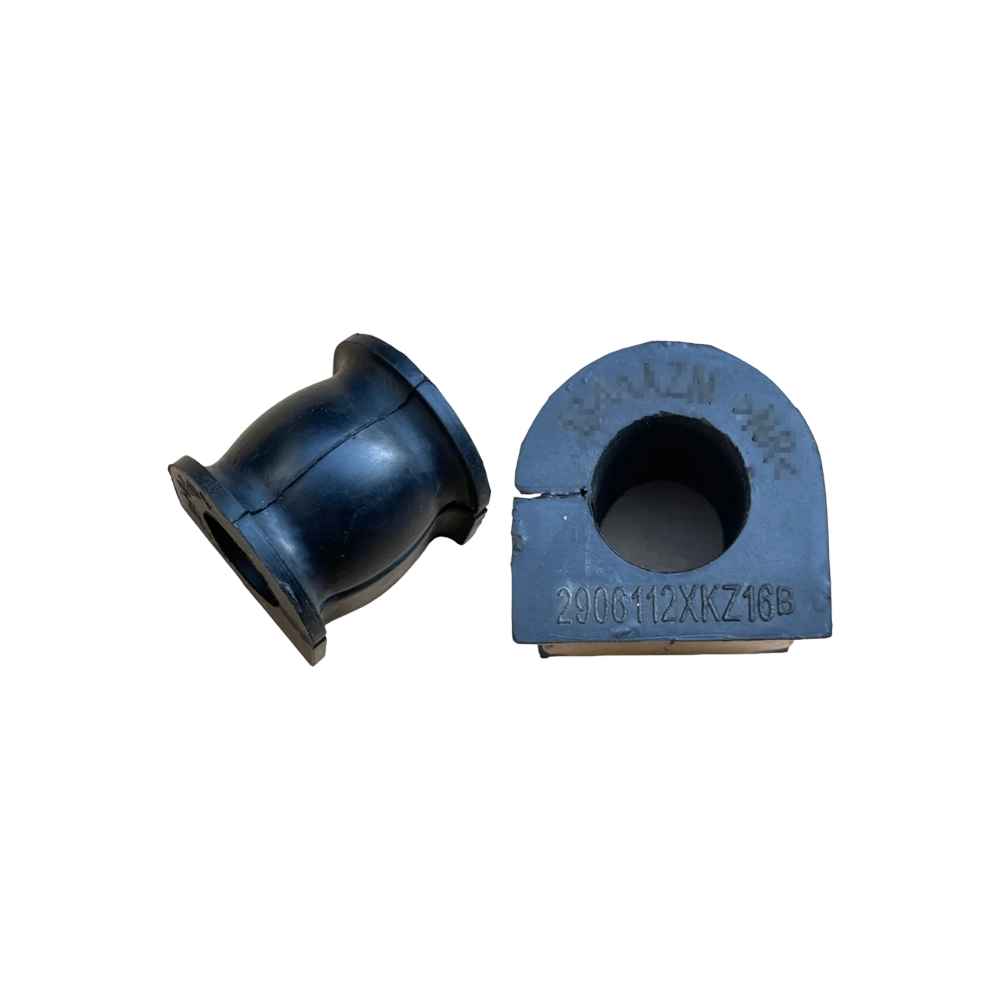
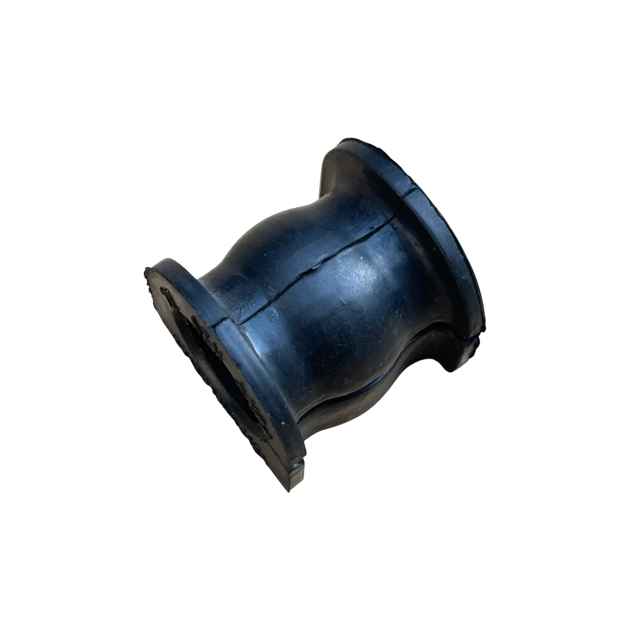
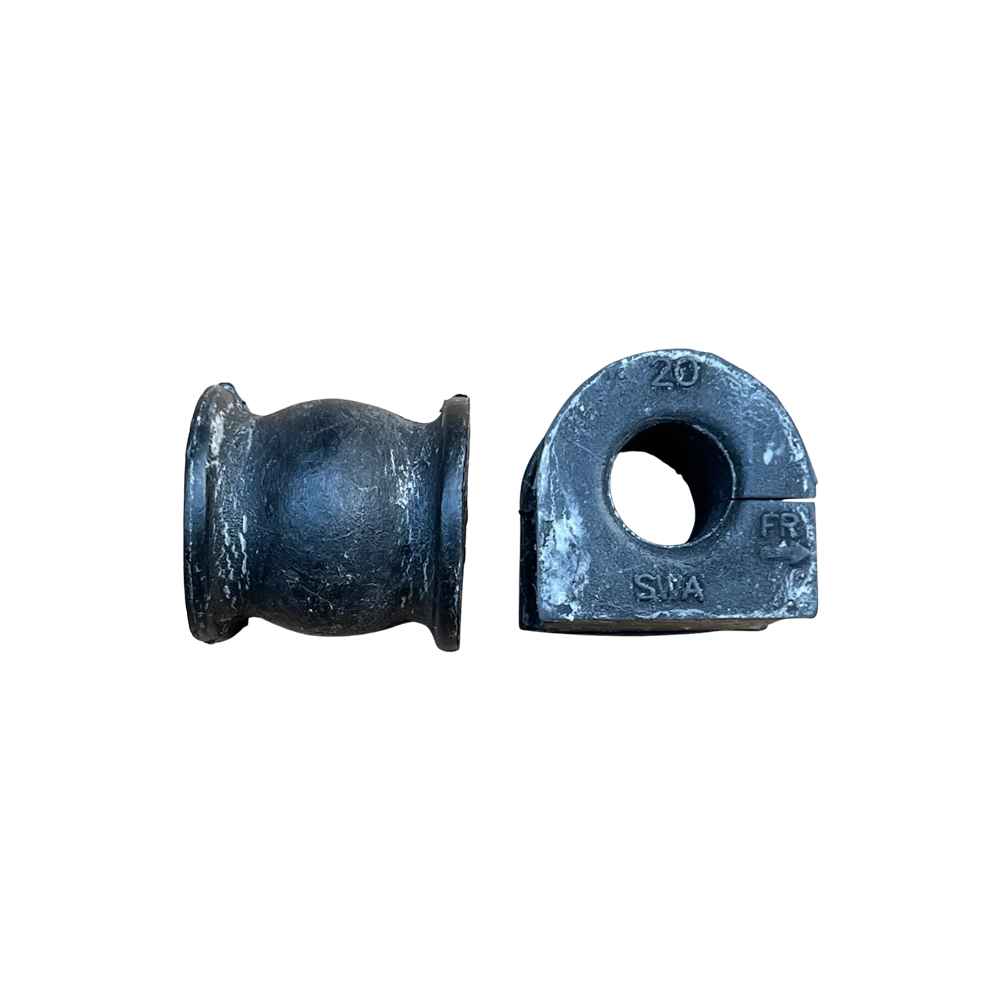
In automotive applications, especially those involving hydraulic systems, steering bellows play a critical role in protecting sensitive components from environmental hazards. Heavy-duty steering bellows not only provide a barrier against contaminants but also contribute significantly to the longevity of steering mechanisms, particularly when exposed to extreme conditions.
Material Composition and Performance
The performance of heavy-duty steering bellows is largely determined by the materials used in their construction. High-quality rubber compounds, often enhanced with synthetic additives, offer exceptional durability against cracking and aging. These materials are designed to withstand not just temperature fluctuations but also exposure to various chemicals that might be present in hydraulic fluids or road environments.

Resistance to Cracking
One of the primary concerns regarding rubber components is the tendency for materials to crack over time due to stress and environmental factors. Heavy-duty steering bellows are engineered with compounds that resist these issues effectively. For instance, incorporating UV stabilizers can prevent degradation caused by prolonged sunlight exposure, while anti-ozonants help mitigate damage from ozone in the atmosphere.
Aging Factors Affecting Rubber Components
- Temperature Extremes: Prolonged exposure to high or low temperatures can significantly shorten the lifespan of rubber parts.
- Chemical Exposure: Contaminants such as oil, grease, or other automotive fluids can degrade rubber quickly if not properly shielded.
- Mechanical Stress: Constant movement and pressure can lead to premature material fatigue.
Applications in Automotive Hydraulic Systems
In vehicles equipped with hydraulic steering systems, the integrity of steering bellows is crucial. They prevent fluid leakage and protect the steering rack's moving components. Brands like Guanghua have developed specialized solutions tailored for this niche, ensuring that their products meet rigorous performance standards even under demanding circumstances.
Design Considerations
When selecting steering bellows, it's essential to consider several design factors to ensure optimal performance:
- Size and Fit: Proper sizing is vital; incorrectly sized bellows can lead to improper sealing and potential hydraulic fluid loss.
- Flexibility and Range of Motion: Bellows must allow for adequate flexibility while maintaining structural integrity during operation.
- Installation Ease: A well-designed bellow should simplify the installation process, avoiding complex configurations.
Maintenance Strategies for Longevity
To maximize the service life of steering bellows, regular maintenance is paramount. Here are key strategies:
- Regular Inspections: Check for signs of wear or damage, such as cracks or tears.
- Fluid Checks: Ensure that hydraulic fluid levels remain within recommended limits to avoid undue strain on bellows.
- Environmental Protection: Where possible, use shields or guards to further protect bellows from debris or direct harsh conditions.
Replacement Timing
Knowing when to replace steering bellows is critical. Signs of deterioration, such as visible cracks or leaks in hydraulic fluid, should prompt immediate replacement to prevent more severe system failures.
Conclusion: Investing in Quality Components
Ultimately, the choice of steering bellows can drastically impact the overall performance and reliability of automotive hydraulic systems. Investing in high-quality options, such as those offered by reputable brands like Guanghua, can help eliminate issues related to rubber cracking and aging, ensuring that vehicles perform optimally in diverse driving conditions.