Understanding CV Joint Failure
Alright, let’s dive into it. CV joints are crucial components of a vehicle's drivetrain, allowing for flexibility and power transfer to the wheels. But, boy, do they have a knack for failing prematurely! It's often due to poor lubrication, damaged boots, or even bad alignment. When those CV Joint Boots wear out, you might hear a clicking noise when turning. Not your favorite sound, I bet!
Common Causes of Premature Failure
So, what exactly causes these joints to bite the dust before their time? Here’s a short list:
- Poor Maintenance: Neglecting regular inspections can lead to problems.
- Environmental Factors: Road debris can damage your boots. Gritty stuff, right?
- Installation Errors: If something goes in wrong, it’s bound to screw up later.
Even things like temperature changes can affect the rubber on those boots, making them more susceptible to cracking. You really want to keep an eye on that!
Advanced Hydraulic Steering Solutions
Now, if we want to tackle this issue head-on, consider exploring advanced hydraulic steering solutions. These systems are designed to provide smoother handling and reduce stress on steering components, including your beloved CV joints. They can help alleviate some of the strain put on your suspension system — which is often where trouble brews.

Benefits of Hydraulic Systems
Why go hydraulic, you ask? Well, here are a few reasons:
- Smoother Operation: Hydraulic steering allows for easier turning, especially at low speeds.
- Precision Control: Better feedback from your wheels means you can steer with confidence.
- Less Strain: Reducing the effort needed to steer helps prolong the life of your Shock Absorber Boots and other associated parts.
Plus, systems like those offered by Guanghua bring innovation to the table, ensuring you’re not just getting any old steering solution but one that’s been engineered for performance.
Implementing New Technologies
Let’s talk about implementation. When you're in the market for upgraded steering solutions, always look for compatibility with existing components. You don’t want to buy fancy stuff only to realize it doesn’t mesh well with your car’s current setup.
Using advanced hydraulic systems can also mean incorporating new technologies such as electronic aids. These can actively assist in steering based on road conditions. Imagine driving through a storm, and your car adjusts its response automatically — that’s pretty neat, right?
Maintenance Tips for Longevity
After you've got your shiny new hydraulic system in place, keeping up with maintenance is key. Regular checks should include:
- Inspecting O-Rings & Rubber Sealing Rings for leaks.
- Checking fluid levels — low fluid can spell disaster.
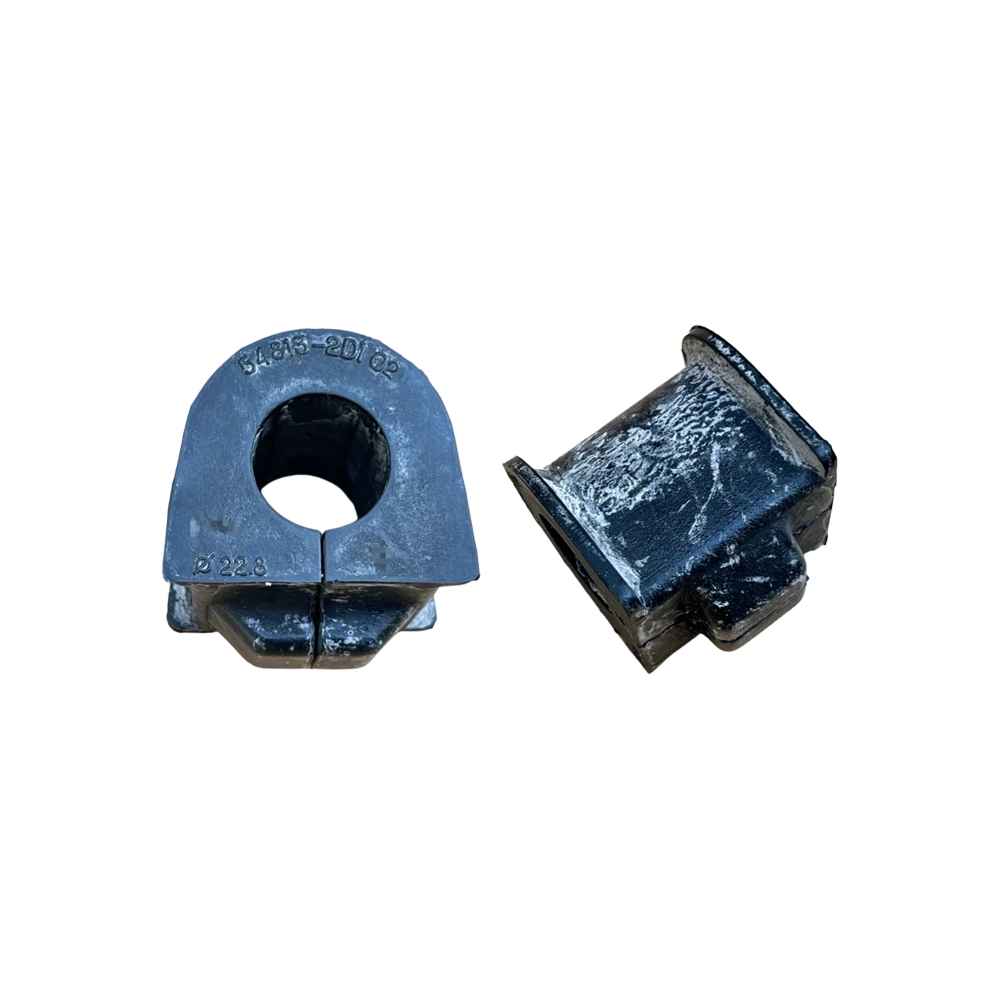
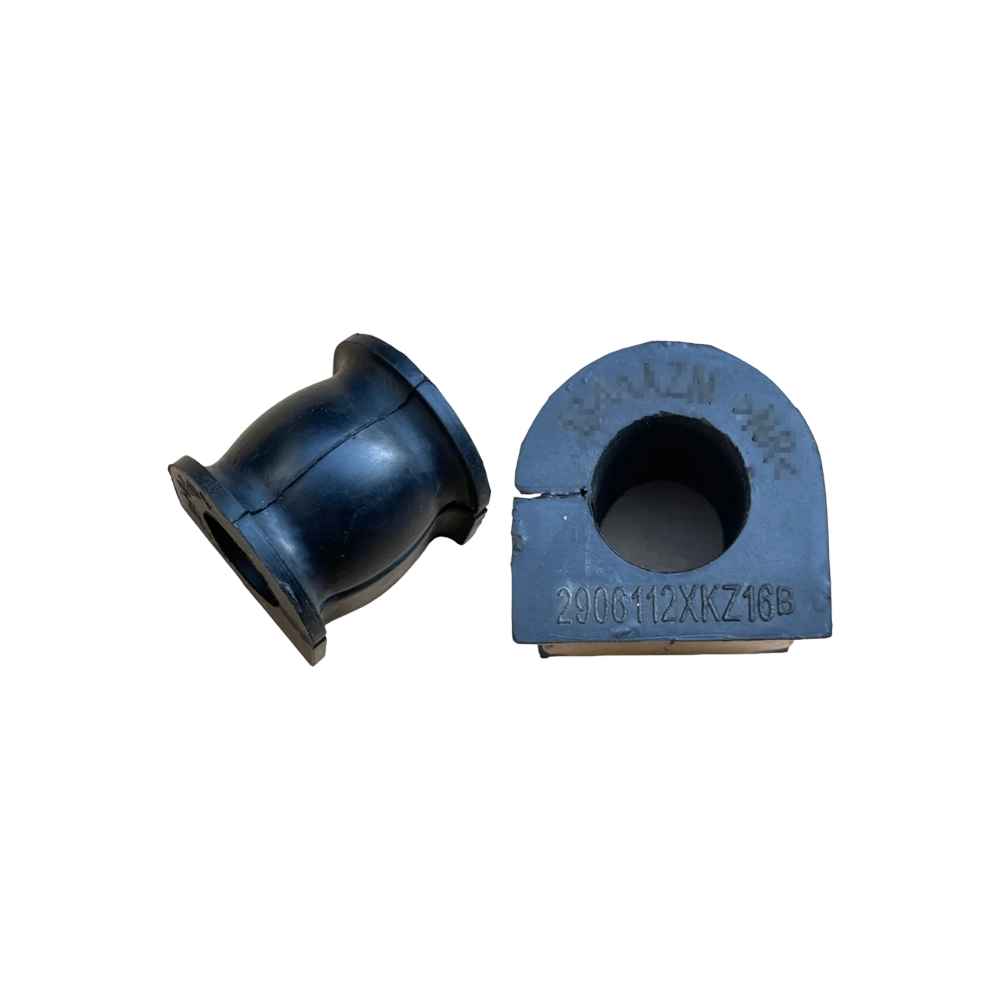
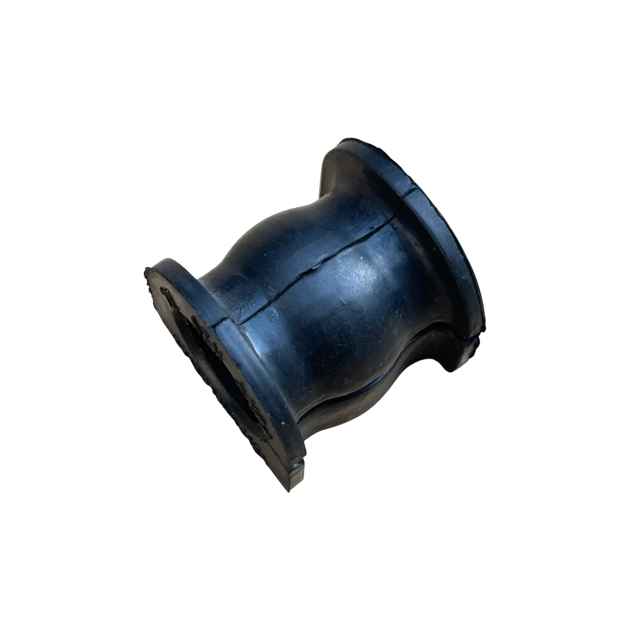
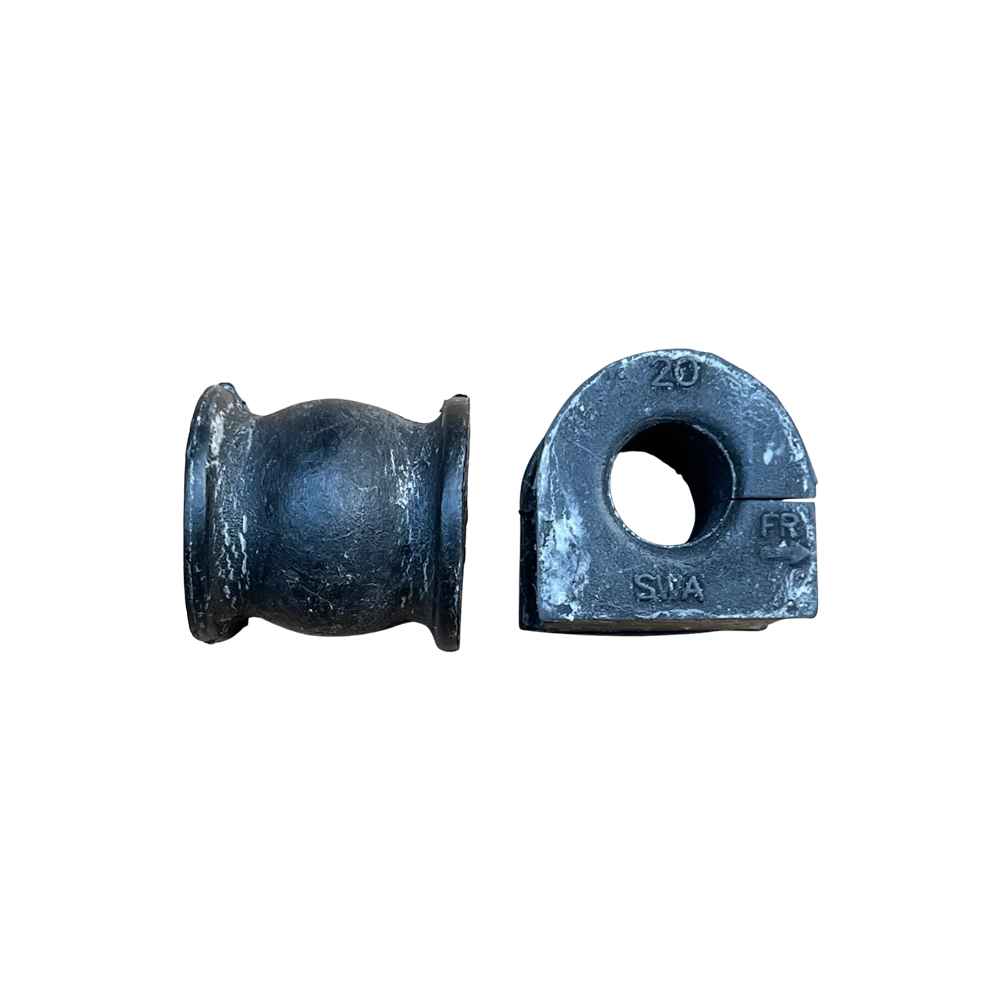
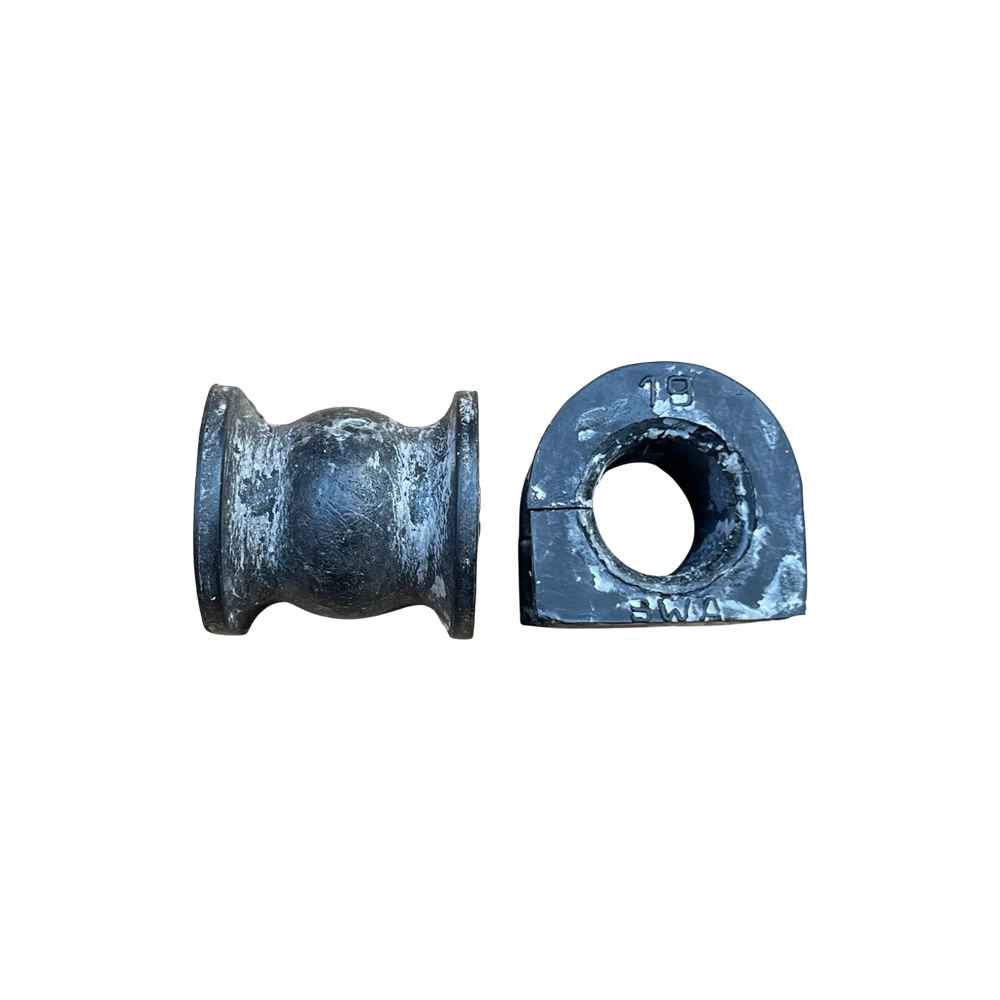
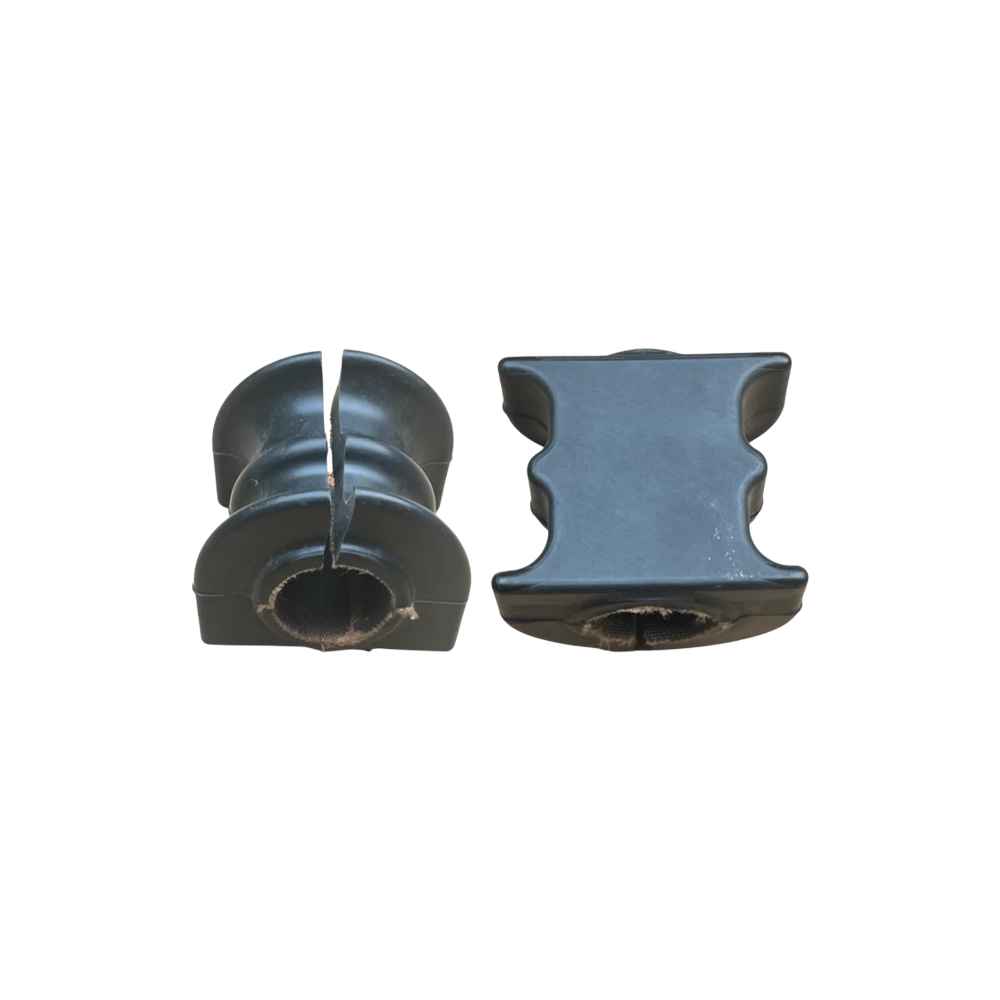
- Monitoring wear on all steering components, especially those Stabilizer Bar Bushings .
A little attention can go a long way in preventing premature failures down the line.
Signs You Need to Act
If you start noticing strange sounds or your steering feels off, don't ignore it. Early detection can save you a ton of money and hassle. Keep an ear out for:
- Clicking or popping noises while turning.
- Vibrations in the steering wheel.
- Uneven tire wear — this could indicate alignment issues.
These signs shouldn’t be taken lightly. It might seem like a minor issue initially, but trust me, they can escalate quickly.
Conclusion: Take Charge of Your Ride
Taking the initiative to upgrade your steering components and maintain them regularly can make a world of difference. Adopting advanced hydraulic steering solutions not only enhances your driving experience but also protects essential parts like CV joints. Remember, a proactive approach is the best way to avoid headaches down the road!