Understanding the Issue of Material Swelling
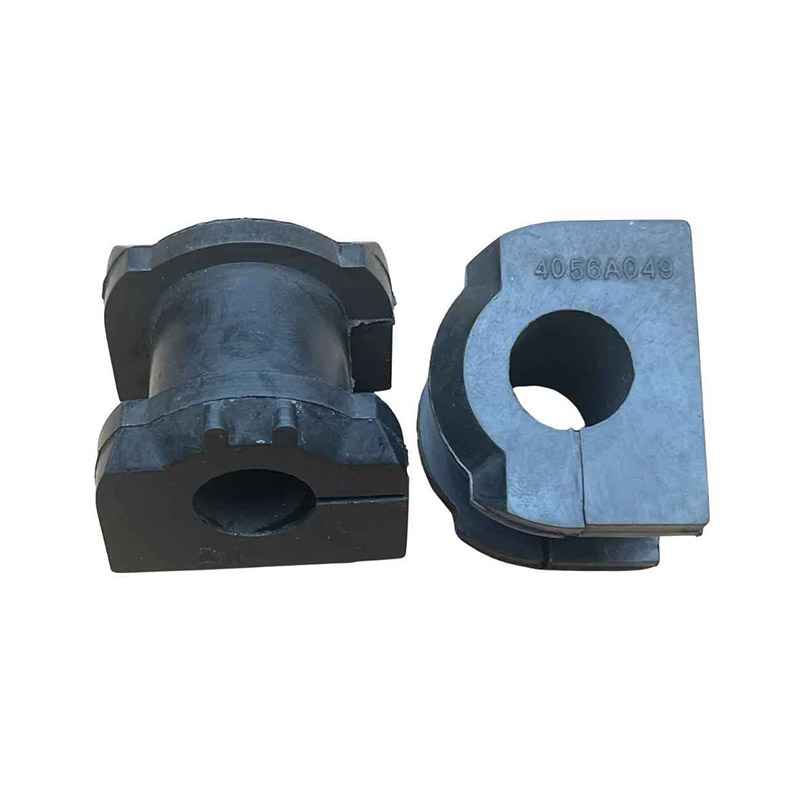
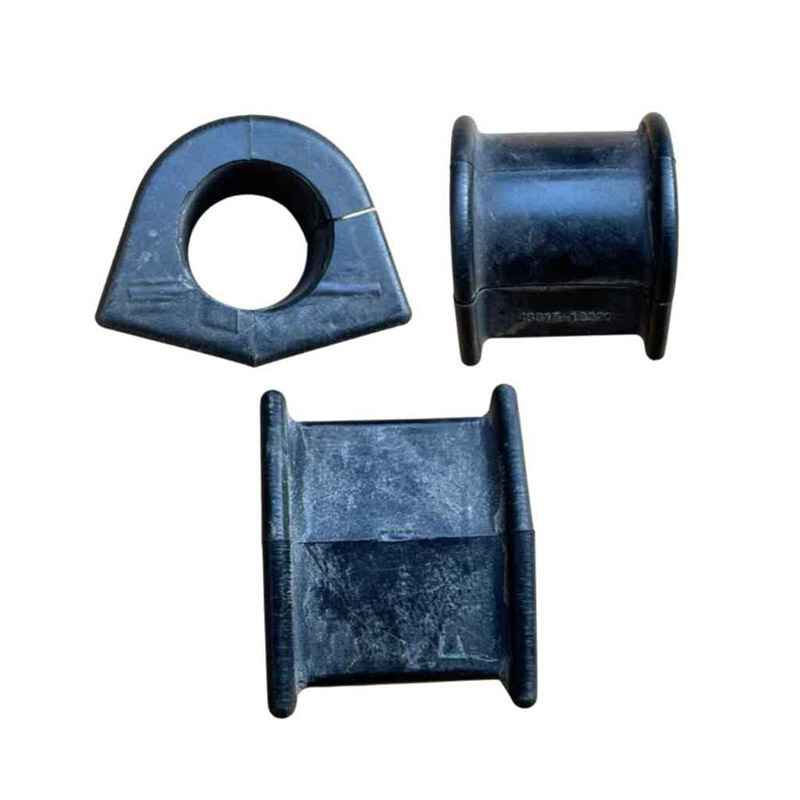
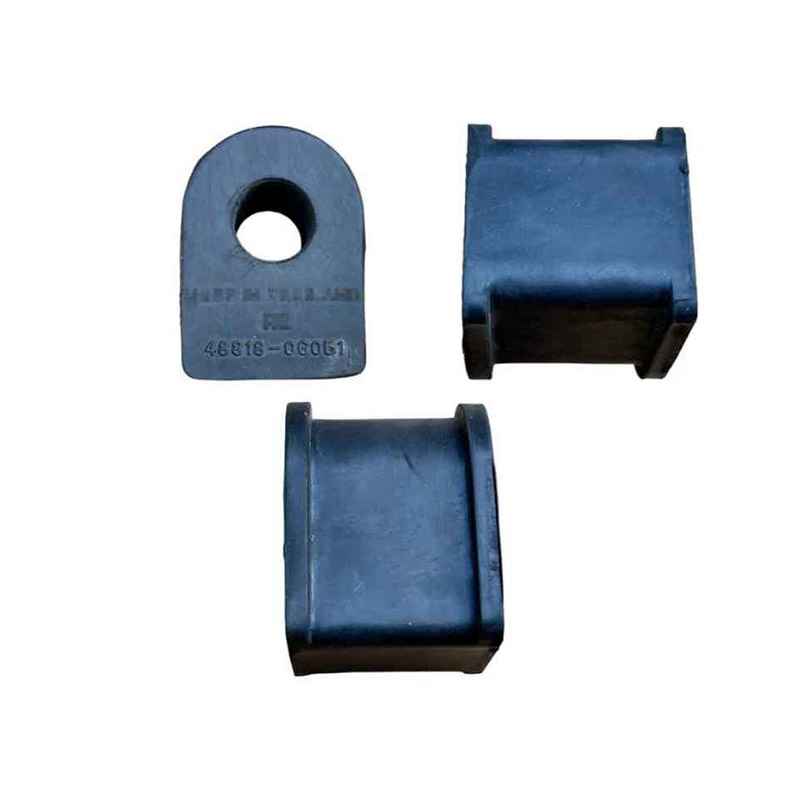
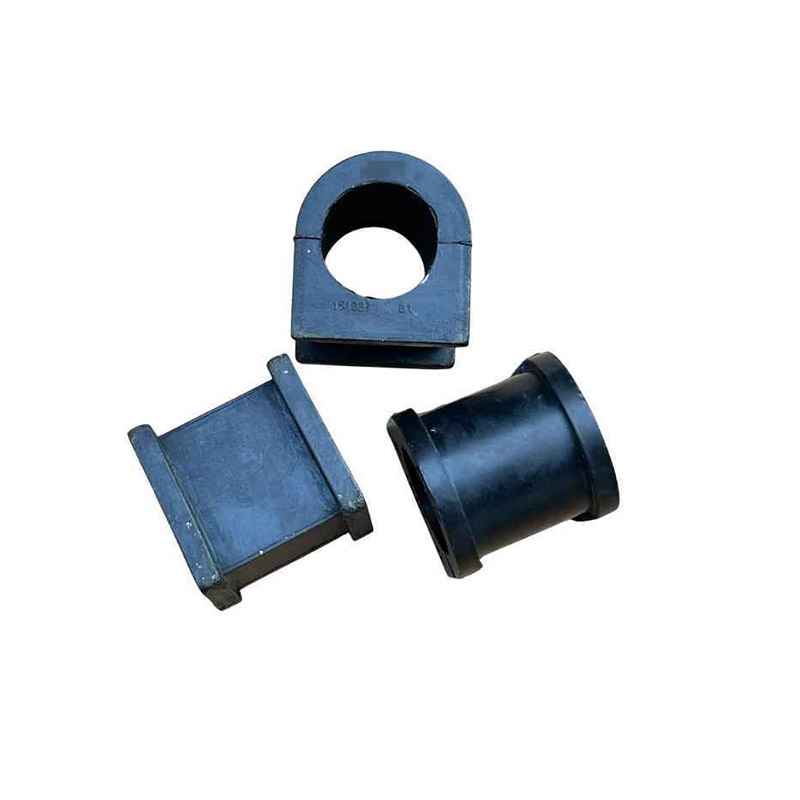
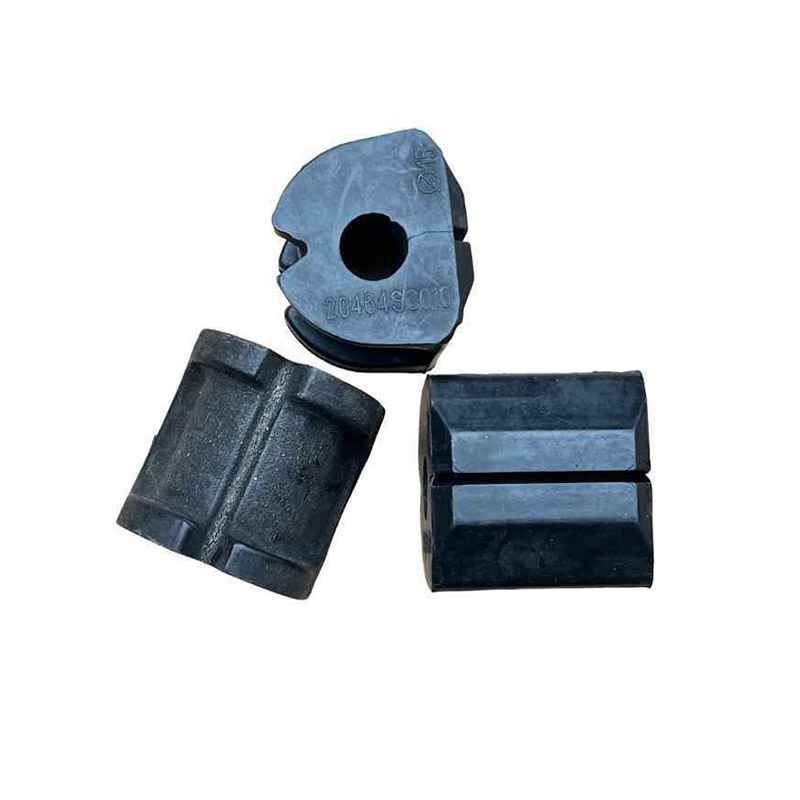
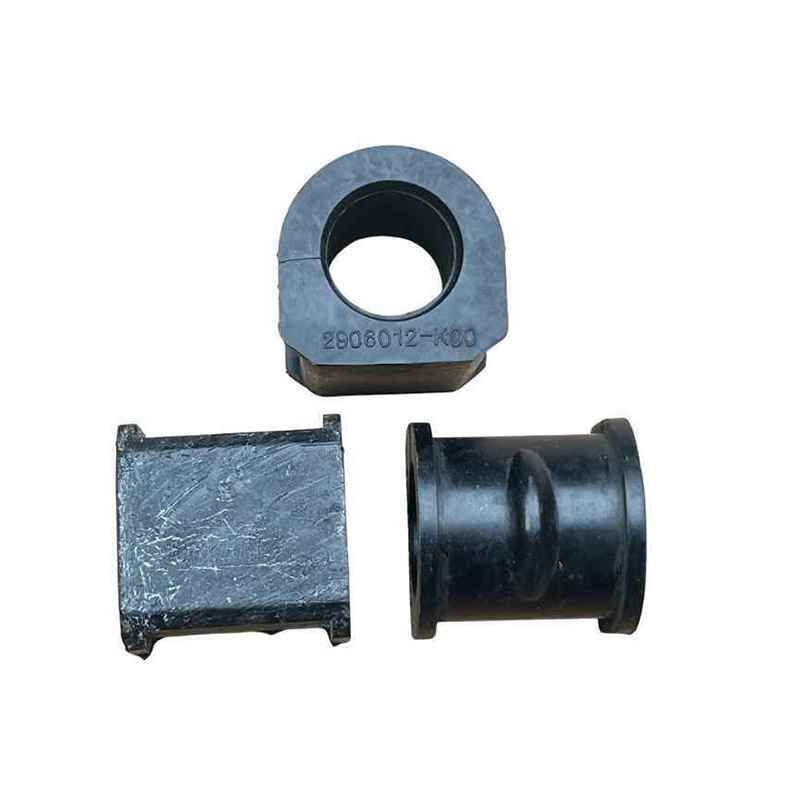
In the automotive industry, one of the frequent challenges involves the performance of components in hydraulic systems. Specifically, material swelling can occur due to incompatibility between different materials used in these systems, leading to compromised functionality. This is particularly true for anti-roll bar bushings, which are crucial for maintaining vehicle stability and handling.
What Causes Material Swelling?
Material swelling typically occurs when an elastomeric component, such as rubber bushings, comes into contact with incompatible lubricants or fluids. For instance, if a bushing made of a specific type of rubber is exposed to certain oils or chemicals, it can absorb those substances, leading to an increase in size and a decrease in performance. Some common culprits include:
- Hydraulic fluids not specified for use with particular rubber compounds.
- Exposure to extreme temperatures affecting material properties.
- The presence of contaminants that react with the rubber.
Impact on Performance
When anti-roll bar bushings swell, they lose their ability to provide adequate support and flexibility. This can lead to several issues:
- Poor handling characteristics.
- Increased wear on adjacent components, such as the Steering Rack Boots and Shock Absorber Boots .
- Potential safety hazards due to compromised vehicle stability.
Advanced Solutions for Anti-Roll Bar Bushings
To tackle the problem of material swelling once and for all, automotive manufacturers have begun exploring advanced materials and designs for anti-roll bar bushings. One effective approach has been the development of specialized rubber compounds that are resistant to swelling from common automotive fluids.
Brands like Guanghua have introduced innovative solutions tailored to meet these challenges. By utilizing enhanced chemical formulations, their bushings offer better compatibility with hydraulic systems, reducing the risk of swelling significantly.
Material Innovations
The key to preventing swelling lies in the selection of high-quality materials. Here are some innovations being employed in modern anti-roll bar bushings:
- Fluoroelastomers: These materials exhibit excellent resistance to chemicals and high temperatures, making them ideal for harsh automotive environments.
- Polyurethane: Known for its durability and flexibility, polyurethane bushings offer a great balance between performance and resistance to material degradation.
By choosing the right materials, manufacturers can create bushings that maintain their integrity over time, promoting longevity and reliability in automotive hydraulic systems.
Installation Best Practices
Even with the best materials, proper installation is critical to ensure the longevity of anti-roll bar bushings. Here are some best practices:
- Clean the mounting surfaces thoroughly to prevent contamination.
- Use compatible lubricants during installation to avoid future swelling issues.
- Follow torque specifications carefully to avoid unnecessary stress on the bushings.
Future Trends in Bushing Development
The automotive industry continues to evolve, and so do the materials and technologies used in various components. Future trends may include:

- Smart materials that can adapt to varying conditions and loads.
- 3D printing techniques allowing for customized bushing designs based on specific vehicle requirements.
These advancements could revolutionize how we think about anti-roll bar bushings and their role in hydraulic systems.
Conclusion: A Path Forward
Fixing the issue of incompatible material swelling in automotive hydraulic systems involves a combination of innovative materials, careful design, and installation practices. As the industry moves towards smarter, more resilient solutions, we anticipate significant improvements in the performance and reliability of components such as anti-roll bar bushings.
Ultimately, investing in quality products, such as those offered by Guanghua, can save time and resources down the road, ensuring that vehicles operate safely and efficiently in all conditions.