Understanding the Challenge of Material Swelling
In the automotive industry, hydraulic systems play a crucial role in ensuring that vehicles operate smoothly and efficiently. However, one common issue that has plagued these systems is the swelling of incompatible materials, particularly when exposed to heat and hydraulic fluids. This phenomenon can lead to severe performance issues, including leaks and system failures.
The Role of ACM in Automotive Applications
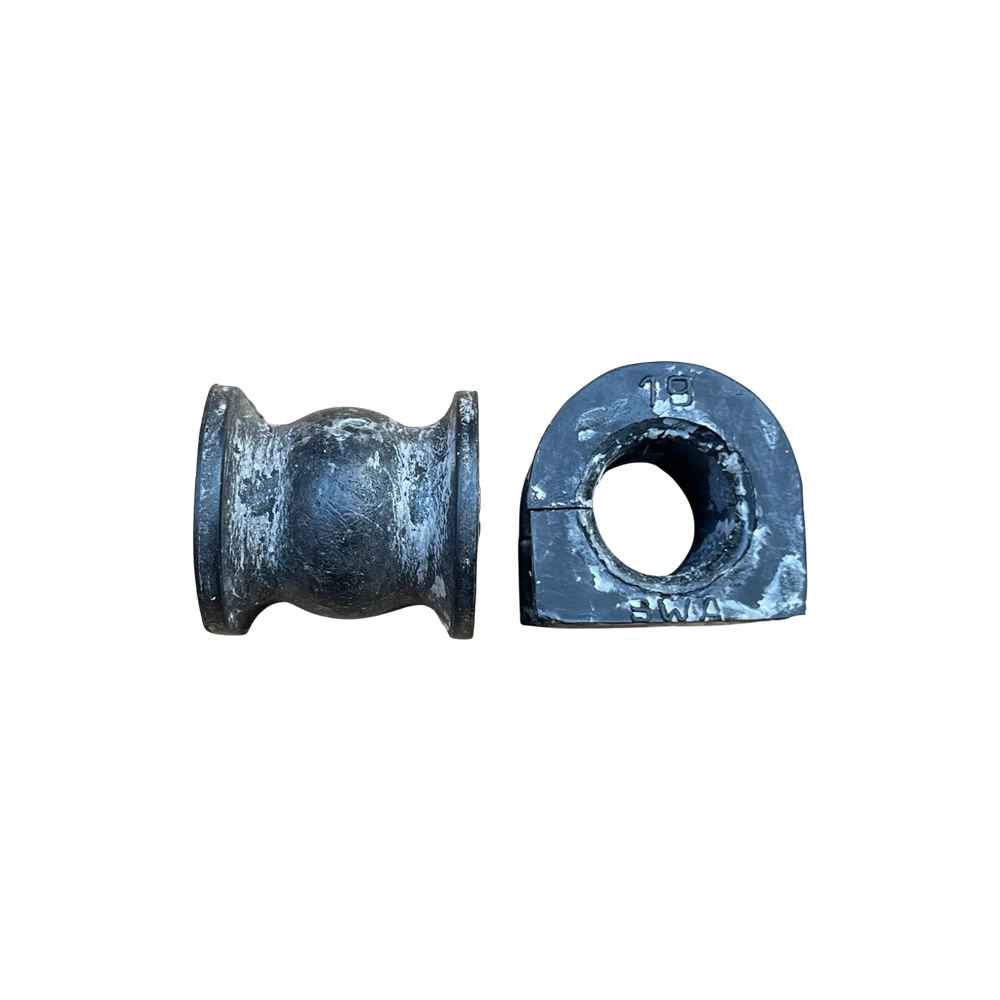
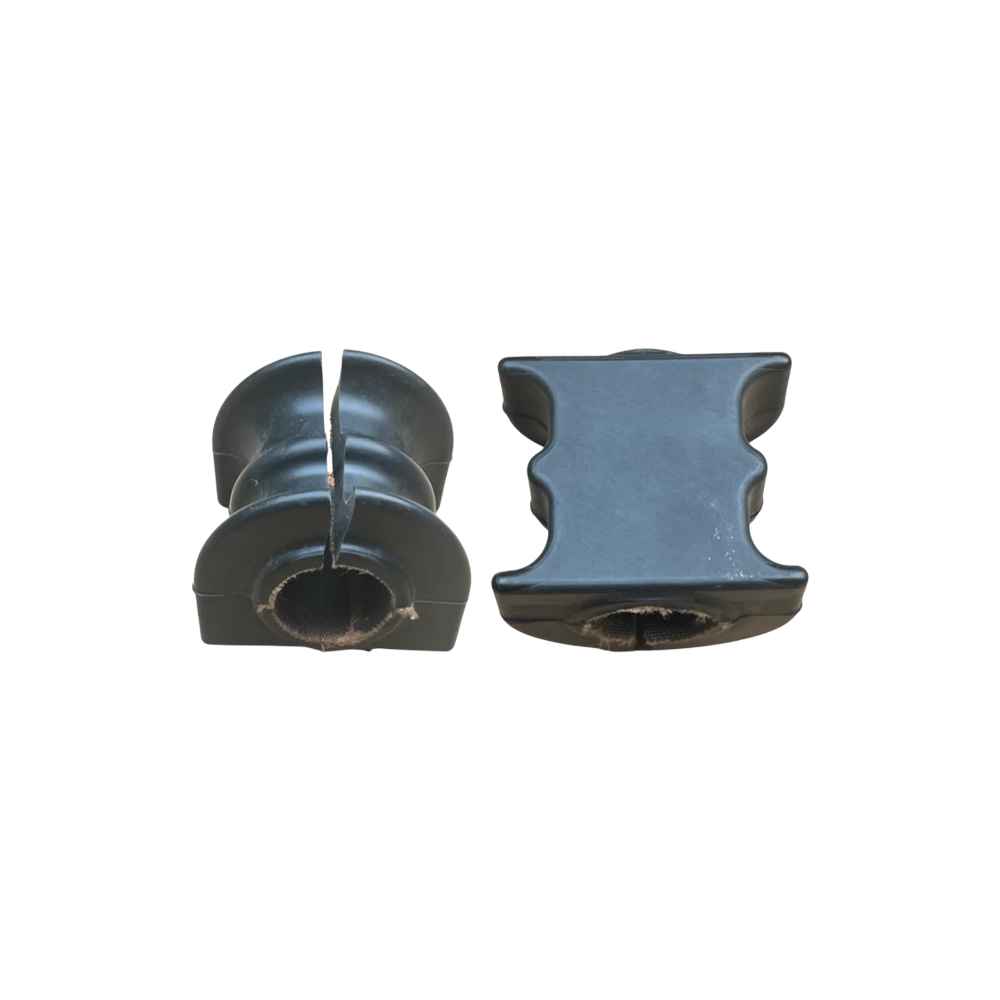
Acrylic rubber, commonly referred to as ACM (Acrylate Copolymer Rubber), offers excellent resistance to heat and a wide range of automotive fluids. This makes it an ideal candidate for various applications within hydraulic systems, such as O-Rings & Rubber Sealing Rings , valve cover gaskets, and other critical components. However, despite its advantages, challenges still arise when it comes to compatibility with certain materials.
What Causes Incompatible Material Swelling?
When different materials are used together in hydraulic systems without proper consideration, several issues can arise:
- Heat Exposure: Increased temperatures can exacerbate material swelling, especially if the materials have differing thermal expansion rates.
- Chemical Compatibility: Not all materials are compatible with every fluid. For instance, certain hydraulic fluids can react negatively with rubber compounds, leading to degradation.
- Mechanical Stress: Under operational conditions, materials may experience varying degrees of stress, contributing to premature failure.
Advanced Heat-resistant ACM Solutions
To address these challenges effectively, manufacturers like Guanghua are developing advanced heat-resistant ACM solutions tailored for automotive hydraulic systems. These newly engineered materials boast enhanced properties that mitigate swelling and ensure longevity. Below are some of the key features:
- Thermal Stability: Improved heat resistance reduces the likelihood of swelling even under extreme operating temperatures.
- Fluid Resistance: Enhanced compatibility with a broader range of hydraulic fluids, preventing chemical reactions that lead to deterioration.
- Mechanical Durability: Increased resilience against mechanical stress and flexing, ensuring that seals maintain their integrity over time.
Application in Real-world Scenarios
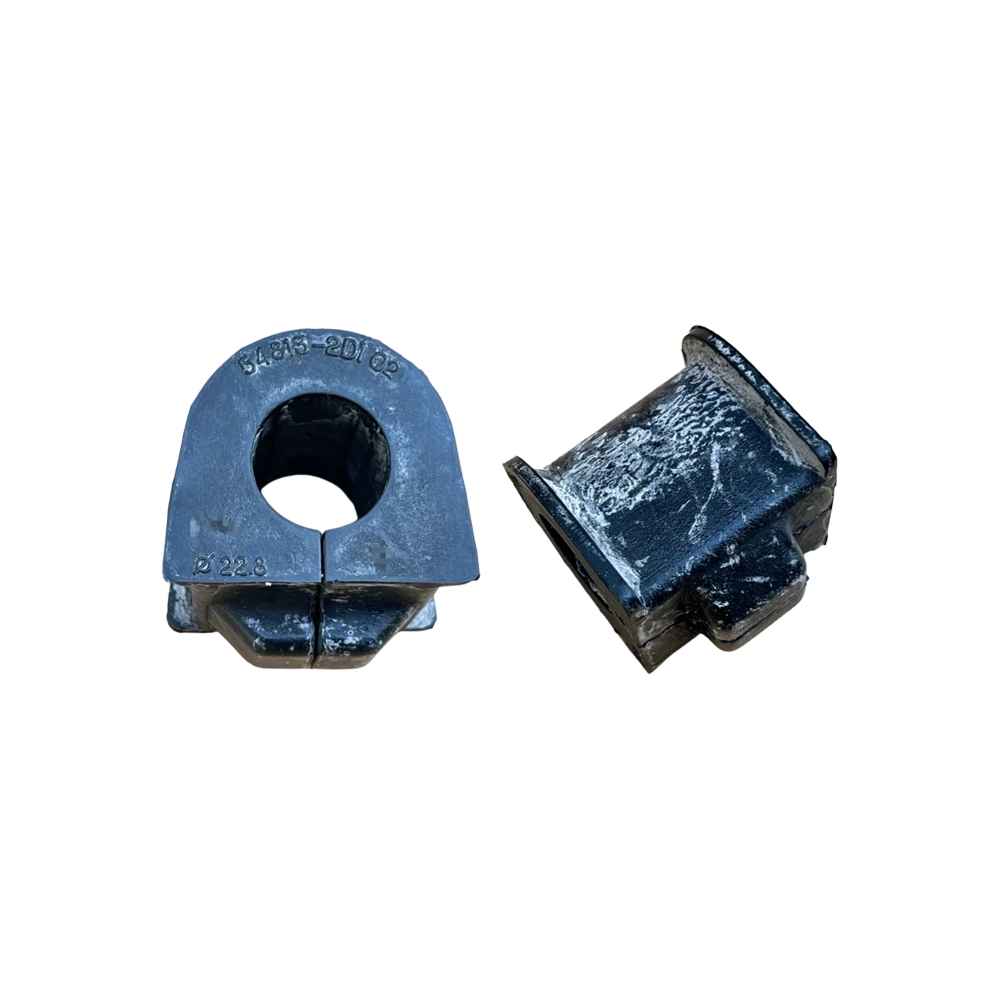
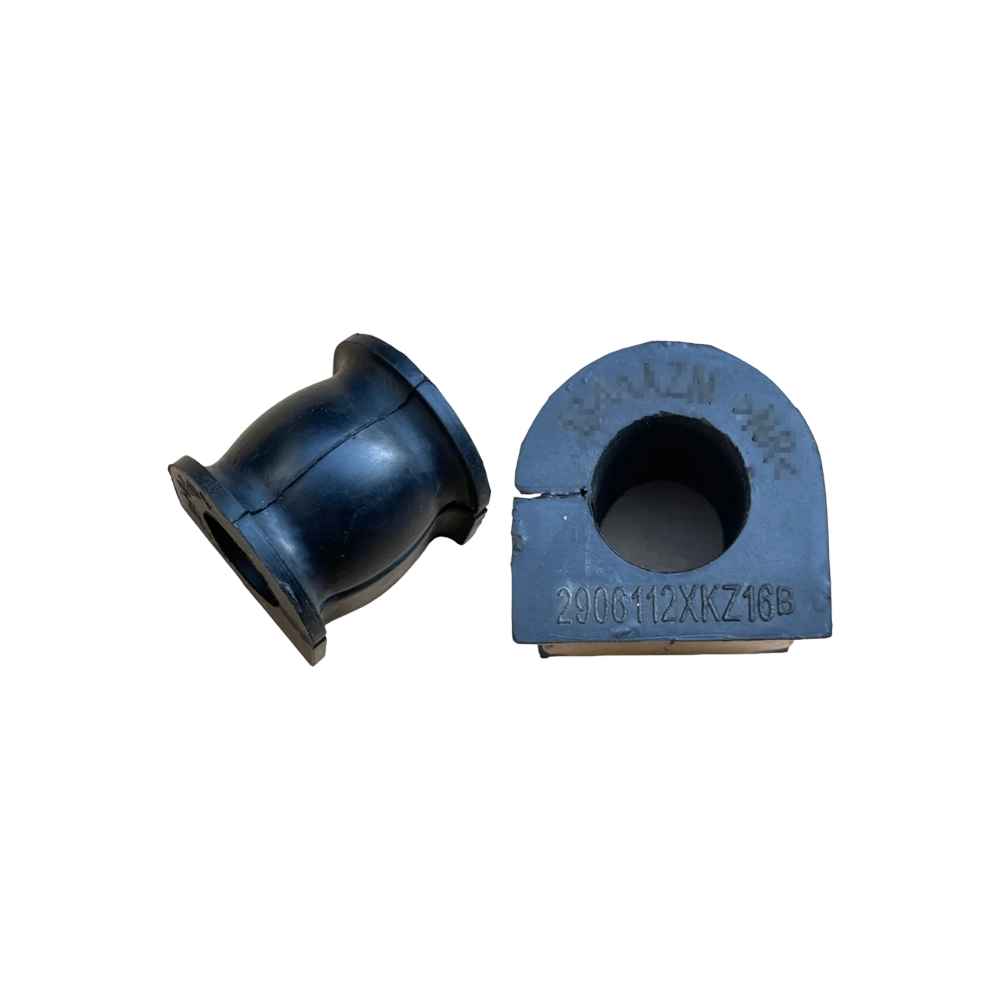
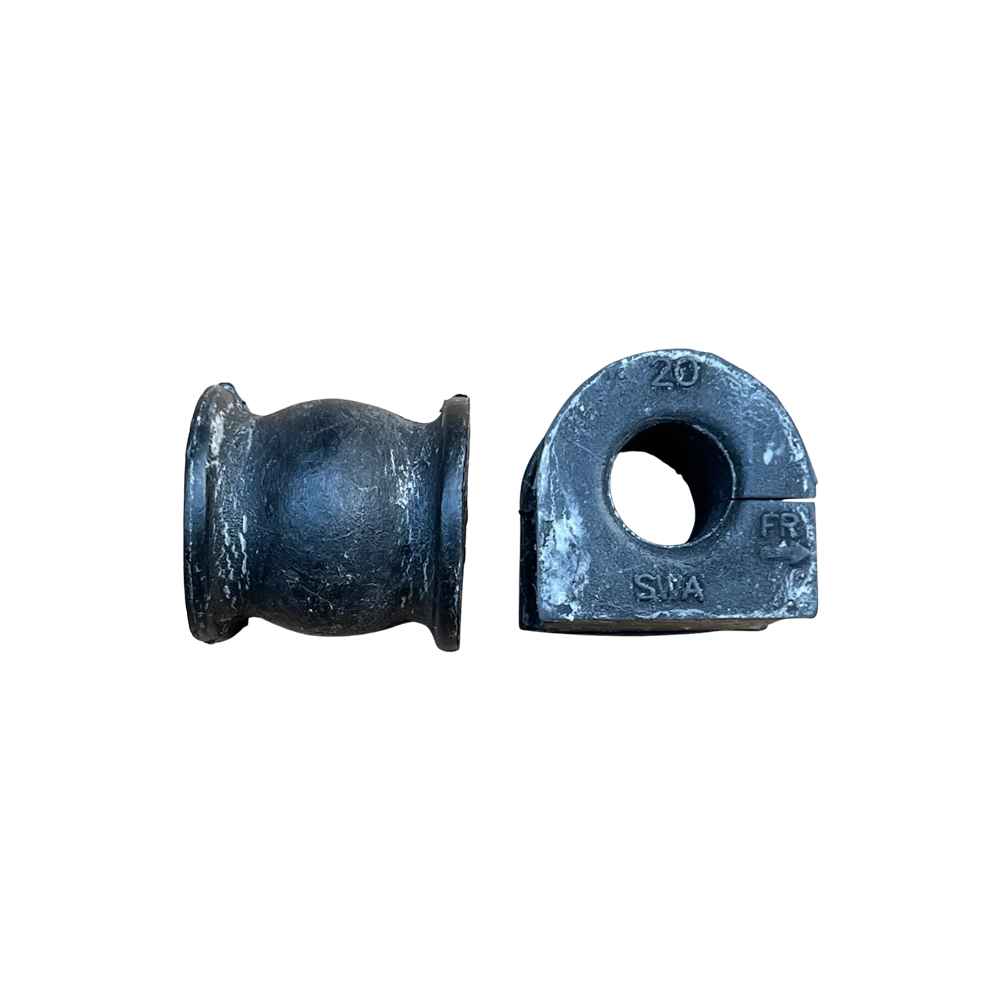
Implementing these advanced ACM solutions can lead to significant improvements in vehicle performance. Take, for example, the use of heat-resistant ACM in Steering Rack Boots and Shock Absorber Boots . By ensuring that these components remain intact and functional, manufacturers can reduce maintenance costs and enhance vehicle safety.
Case Studies and Results
Recent case studies have shown promising results. One notable instance involved a major automotive manufacturer implementing Guanghua's heat-resistant ACM in their hydraulic systems. The results were clear: a 30% reduction in failure rates related to seal swelling, resulting in increased customer satisfaction and reduced warranty claims. Such metrics underscore the importance of choosing materials wisely in automotive design.
Looking Toward the Future
The continued evolution of materials science will be pivotal in overcoming the challenges posed by incompatible materials in hydraulic systems. As manufacturers strive for better efficiency and durability, innovations in heat-resistant ACM and similar technologies will likely lead the way. It’s crucial for companies to stay informed about these advancements to optimize their systems and meet the demands of modern automotive engineering.
Conclusion: The Need for Proactive Measures
Addressing material compatibility and swelling requires a proactive approach. Engineering teams should prioritize the selection of materials that complement each other, focusing on advanced solutions like those offered by Guanghua. Ultimately, investing in high-quality, heat-resistant ACM products will not only improve the performance of hydraulic systems but also enhance the overall reliability and safety of automotive vehicles.