Understanding Material Compatibility in Hydraulic Systems
In automotive hydraulic systems, the integrity of seals is paramount for optimal performance. When incompatible materials are used, they can lead to swelling, degradation, and ultimately, system failures. The introduction of advanced O-ring seals specifically designed for these applications provides a solution that addresses material compatibility challenges effectively.
The Role of O-Rings in Hydraulic Sealing
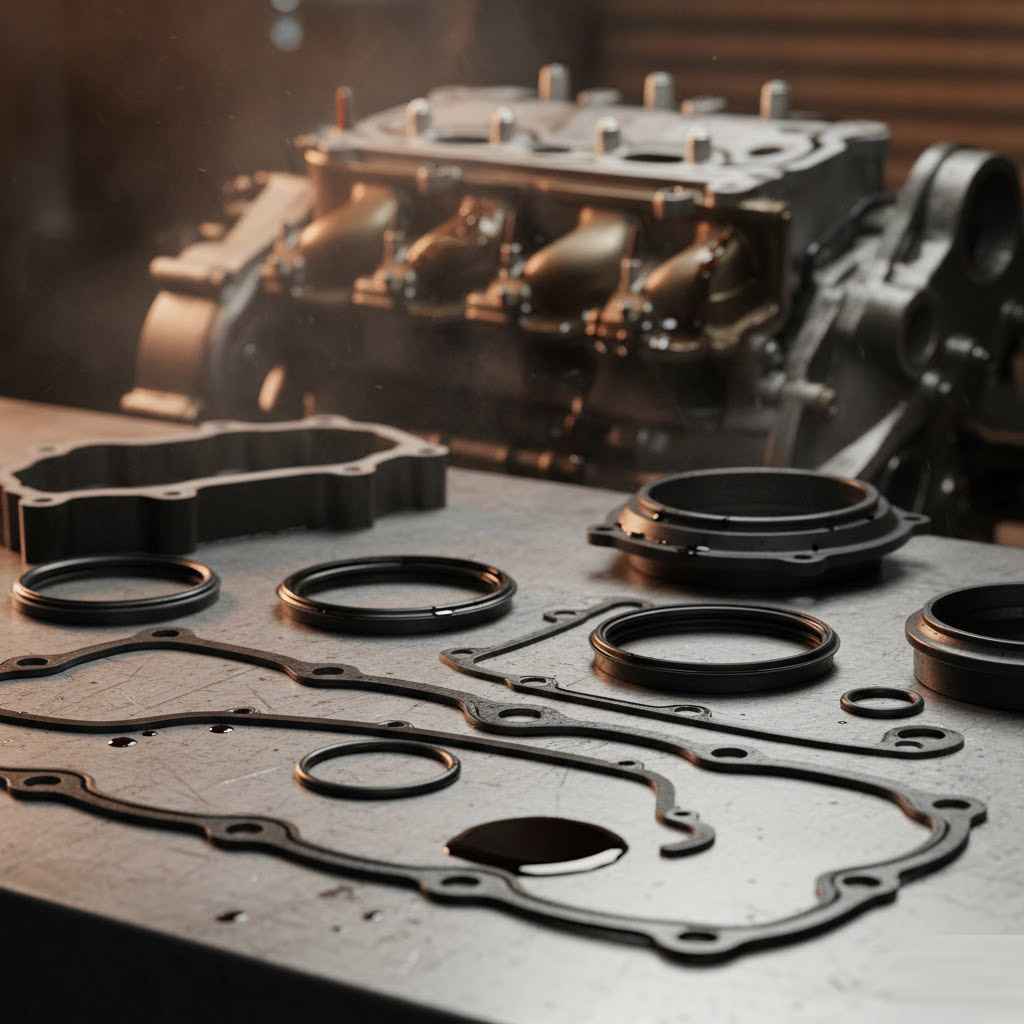
O-rings serve as critical components in various hydraulic applications, providing sealing solutions that prevent fluid leakage and maintain pressure. Their circular shape allows them to compress against mating surfaces, creating a reliable barrier. However, the choice of material is essential; using the wrong type can result in swelling due to chemical interactions with hydraulic fluids.
Common Materials for O-Rings
- Nitrile Rubber (NBR)
- Fluoroelastomer (FKM)
- Silicone Rubber
- Polyurethane
Each material has its own set of properties that suit specific environments. For instance, NBR offers good resistance to petroleum-based fluids, while FKM excels in high-temperature applications.
Swelling Mechanisms in O-Rings
The swelling of O-rings often occurs when there is an incompatibility between the seal material and the hydraulic fluid. This phenomenon can be attributed to several factors:
- Chemical Composition: Different fluids may contain additives or solvents that react adversely with certain elastomers.
- Temperature Variations: High temperatures can exacerbate the effects of chemical interactions, leading to accelerated swelling.
- Pressure Conditions: Elevated pressures can force fluids deeper into the O-ring material, increasing the risk of osmotic swelling.
Advanced Solutions through Enhanced Material Technology
The automotive industry has seen significant advancements in the development of O-rings that combat these issues. Manufacturers like Guanghua have introduced specialized formulations that improve compatibility with a broader range of hydraulic fluids.
Key Innovations
- Enhanced Chemical Resistance: New blends of fluoroelastomers provide exceptional resistance to aggressive hydraulic fluids.
- Temperature Stability: Advanced compounds maintain structural integrity even under extreme thermal conditions.
- Reduced Swelling Rates: Innovative designs minimize the absorption of fluids, thus mitigating swelling risks.
Installation Considerations for Optimal Performance
Even the best O-ring solutions can fail if not installed correctly. Proper installation practices include ensuring the sealing surfaces are clean, selecting the appropriate size, and applying adequate lubrication to facilitate assembly. In addition, attention should be paid to the alignment of components to prevent pinching or twisting of the O-ring during installation.
Maintenance Strategies
Regular inspection and maintenance of hydraulic systems are crucial for detecting early signs of O-ring failure. It is advisable to monitor the condition of all seals, including CV Joint Boots and Steering Rack Boots , which play complementary roles in maintaining hydraulic integrity. Look for signs of wear, such as cracks or deformation, and replace any compromised components promptly.
Conclusion
By leveraging advanced O-ring materials and adopting rigorous maintenance practices, automotive manufacturers and repair facilities can significantly mitigate the risks associated with incompatible material swelling. The ongoing development of innovative sealing solutions is vital for enhancing the reliability and longevity of hydraulic systems in vehicles.