Understanding Material Compatibility in Engine Sealing
In the realm of automotive engineering, particularly concerning engine design, the interactions between different materials can lead to significant challenges. One prevalent issue is the swelling of O-rings and other sealing components due to material incompatibility. This phenomenon often results in leaks and compromised performance, thereby necessitating innovative solutions.
O-Ring Seals: The Backbone of Engine Cylinder Head Sealing
The use of O-ring seals within engine cylinder heads is widespread, primarily due to their effectiveness in preventing fluid leakage. However, not all O-rings are created equal. Their performance heavily relies on the materials from which they are manufactured. Commonly used materials like nitrile rubber (NBR) or fluorocarbon (FKM) possess distinct chemical resistances, making them suitable for specific applications.
Factors Contributing to Material Swelling
Material swelling in O-rings can stem from various factors, including:
- Chemical Exposure: Certain oils, fuels, or coolants can adversely react with sealing materials, causing them to swell.
- Temperature Variations: Extreme temperature fluctuations can exacerbate the material properties, leading to significant changes in volume.
- Mechanical Stress: Over-tightening or inadequate compression may also contribute to premature failure of the seals.
Advanced Solutions: Innovative Materials and Designs
To combat the challenges posed by incompatible material swelling, advancements in seal technology have been made. Manufacturers like Guanghua are pioneering new materials and designs tailored for enhanced compatibility and durability.
Elastomeric Alternatives
Emerging elastomeric compounds offer improved resistance to chemical exposure and thermal degradation. For instance, hydrogenated nitrile butadiene rubber (HNBR) exhibits remarkable resilience against aggressive fluids, while ethylene propylene diene monomer (EPDM) stands out in high-temperature environments.
Design Improvements
Beyond material enhancements, modifications in design can significantly mitigate swelling issues. Improved geometries that allow for better compression and reduced stress concentrations can result in longer service life for O-rings.
Testing and Quality Assurance Protocols
To ensure the reliability of O-rings under varying conditions, rigorous testing protocols are essential. These may include:
- Fluid Compatibility Testing: Ensures that the seal can withstand exposure to specific chemicals without degrading.
- Thermal Cycling Tests: Simulates extreme temperature fluctuations to assess performance longevity.
- Compression Set Tests: Evaluates how well the material retains its shape under sustained pressure.
Industry Applications Beyond Engine Sealing
While this discourse primarily focuses on engine cylinder head sealing, the principles outlined are applicable across various industries, from aerospace to manufacturing. The need for reliable sealing solutions extends beyond automotive, highlighting the ubiquitous nature of O-rings and other sealing technologies.
Cross-Industry Innovations
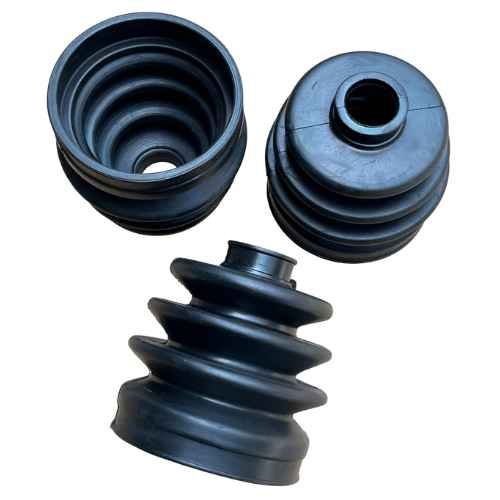
Innovative solutions derived from automotive applications often find their way into other sectors. For example, advancements in O-ring technology have influenced the design of sealing rings used in hydraulic systems and even household appliances. Such cross-pollination can lead to significant improvements in efficiency and reliability throughout multiple domains.
Future Directions in Seal Technology
The future of sealing technologies appears promising, driven by ongoing research and development efforts. Companies like Guanghua continue to invest in advanced materials science to create seals that not only resist swelling but also provide unparalleled performance across diverse operating environments.
Sustainability Considerations
As the industry moves toward more sustainable practices, the development of biodegradable and environmentally-friendly sealing materials is gaining traction. Innovations in this area could revolutionize sealing technologies, minimizing environmental impacts while maintaining performance standards.
Conclusion
In summary, addressing the issue of incompatible material swelling in O-ring seals is vital for enhancing engine longevity and performance. By exploring advanced materials, innovative designs, and rigorous testing protocols, engineers and manufacturers can develop effective solutions that stand the test of time. As the automotive landscape evolves, so too will the technologies that support it, ensuring a robust and leak-free future for engine systems.