Understanding Material Compatibility in Shock Absorber Boots
In the automotive industry, the longevity and performance of chassis steering and suspension systems heavily rely on the compatibility of materials used in various components. Shock Absorber Boots , designed to protect critical parts from debris and moisture, are often made from rubber or synthetic elastomers. However, when incompatible materials are used, it can lead to swelling, degradation, and ultimately premature failure.
The Issue of Swelling
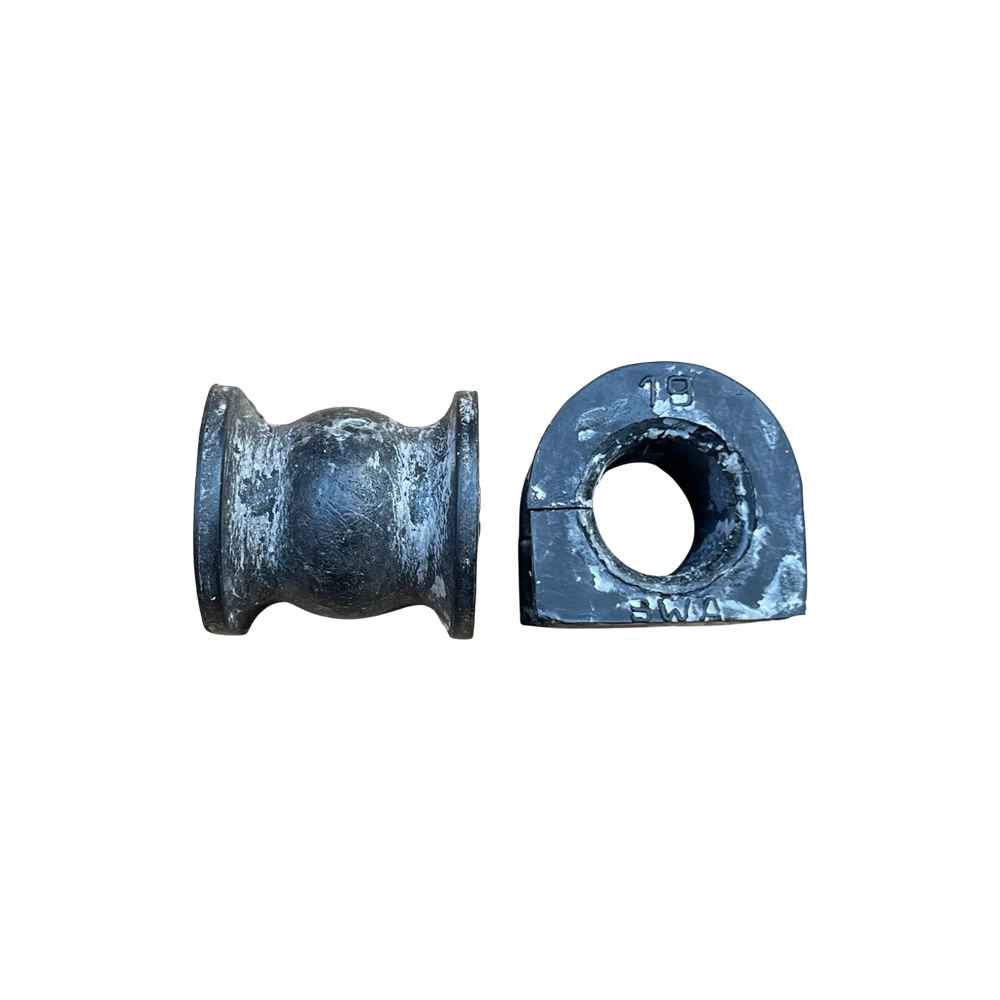
Swelling occurs when different materials interact unfavorably. For instance, certain oils or chemicals may permeate through the rubber, causing it to expand beyond its intended dimensions. This not only affects the structural integrity of the Shock Absorber Boots but can also compromise the overall function of the suspension system. Furthermore, swelling is exacerbated in environments that expose these components to extreme temperatures or harsh chemicals.
Common Causes of Material Incompatibility
- Chemical Exposure: Various fluids such as brake fluid, engine oil, and transmission fluid can react negatively with rubber compounds.
- Temperature Variability: High heat can accelerate chemical reactions, making certain materials more susceptible to swelling.
- Improper Material Selection: Using substandard or non-specification materials for shock absorber boots can lead to unpredicatable results.
Advanced Solutions for Shock Absorber Boots
To address the challenges posed by material incompatibility, several advanced solutions have been developed, particularly focusing on producing high-quality shock absorber boots that withstand diverse conditions.
Material Innovations
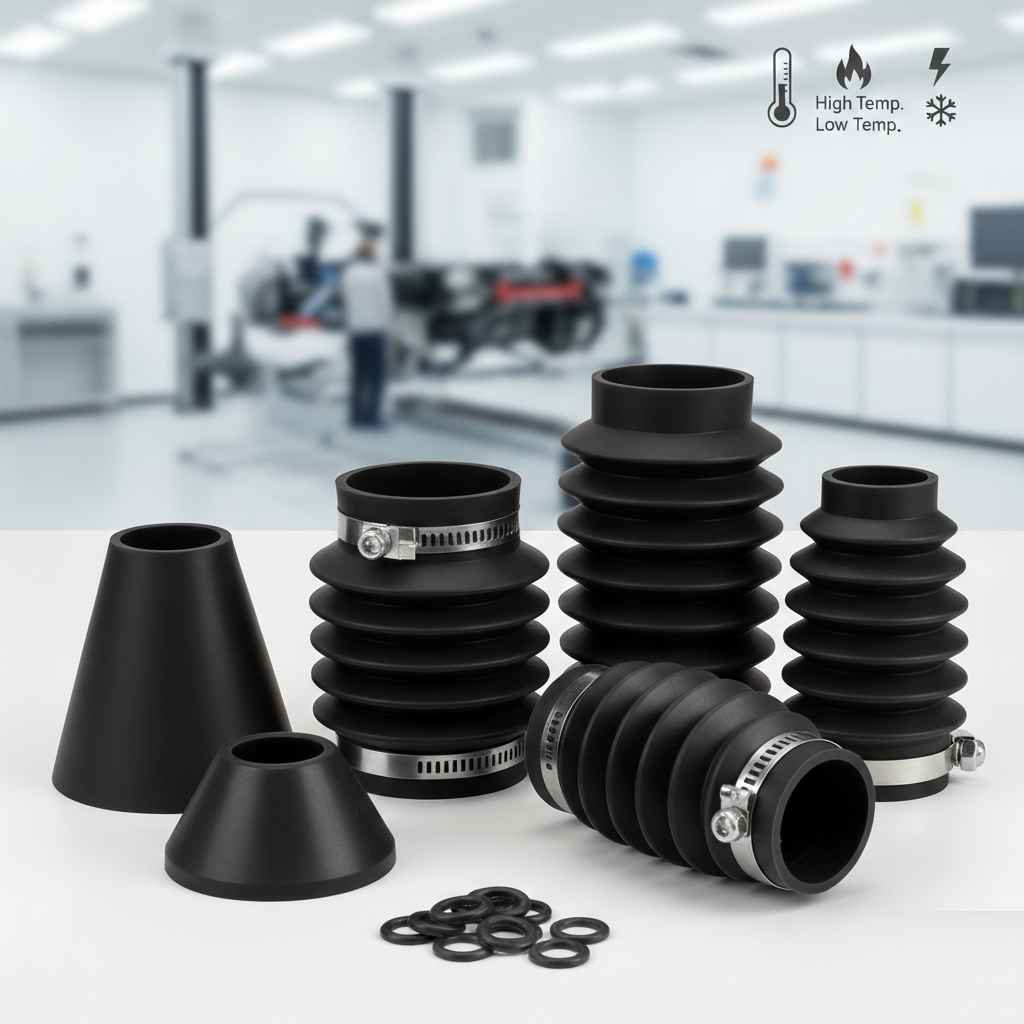
Recent advancements in polymer technology have yielded new rubber formulations specifically engineered to resist chemical interactions and thermal exposure. These next-generation materials not only enhance durability but also improve flexibility, which is essential for maintaining optimal performance in suspension systems. Brands like Guanghua are leading the way in offering these innovative products, ensuring that shock absorber boots are built to last.
Design Improvements
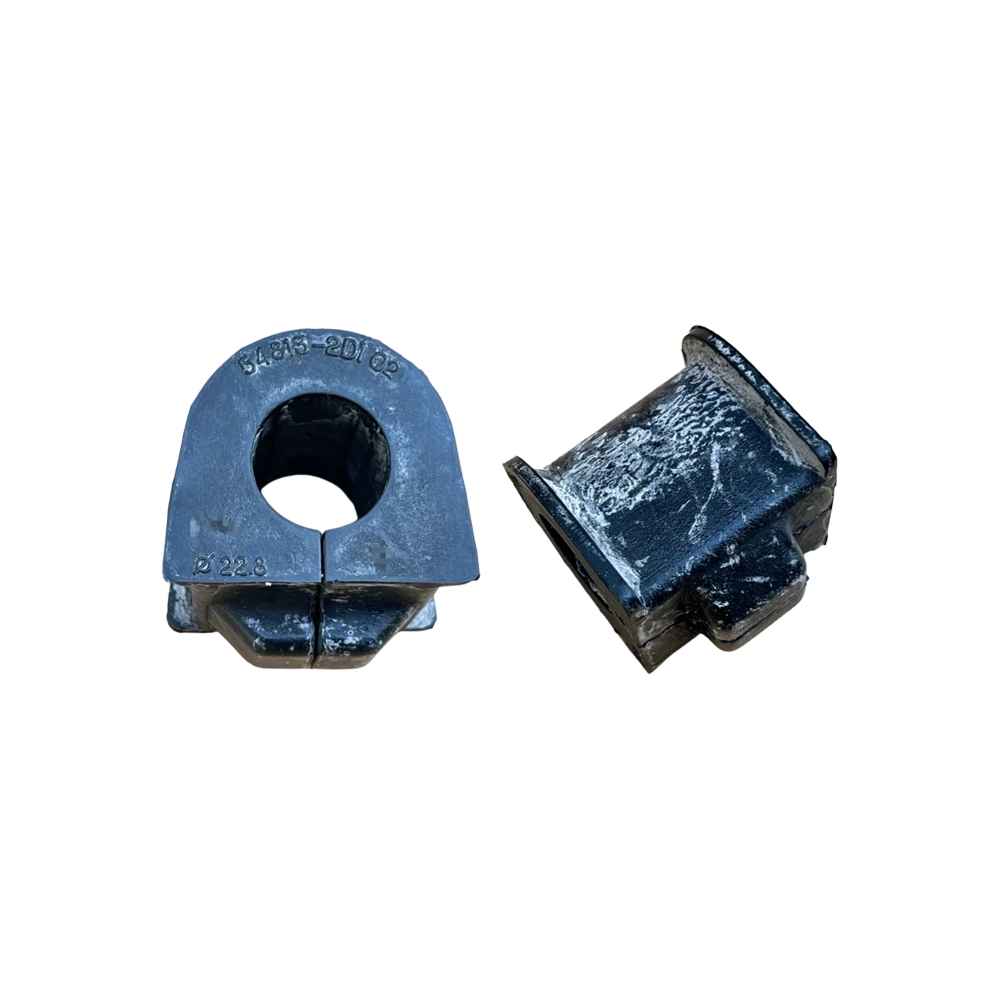
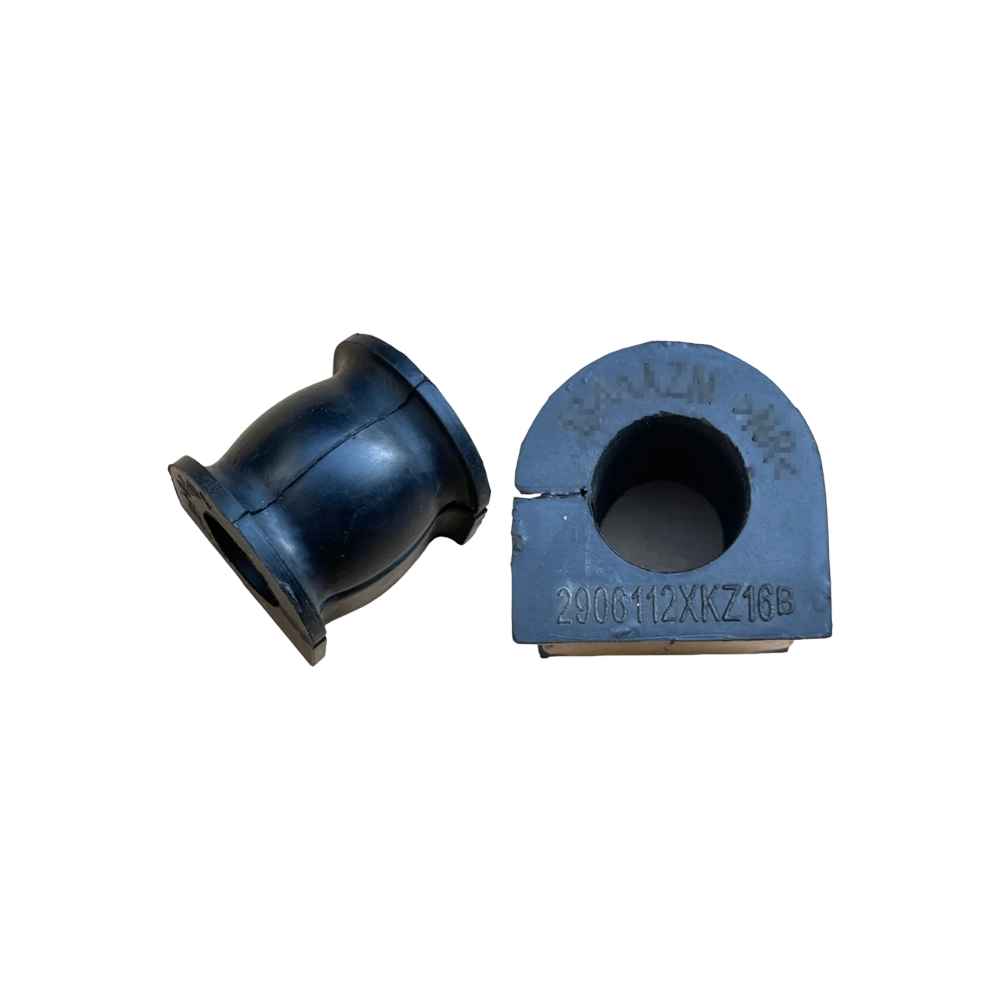
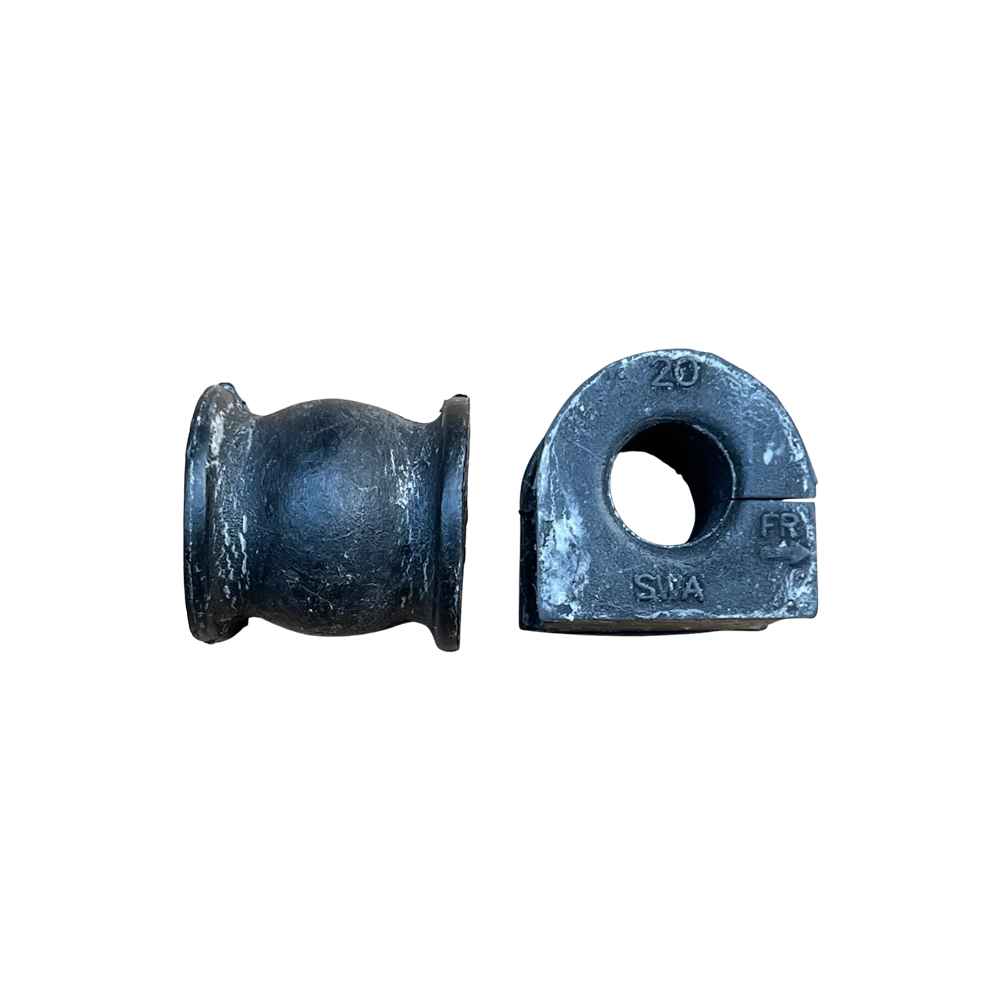
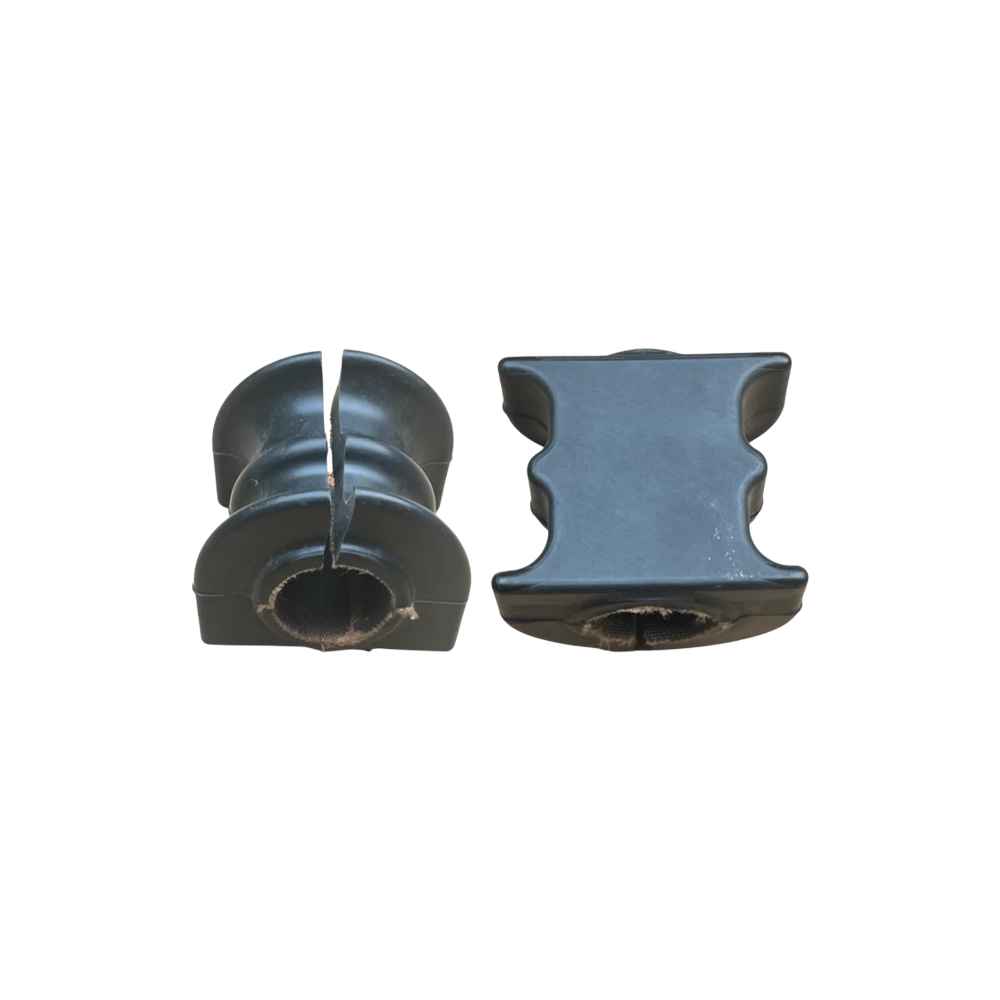
Alongside material innovations, manufacturers are also revisiting the design of shock absorber boots. Enhanced sealing mechanisms and improved geometric configurations can significantly reduce the likelihood of swelling. By optimizing the fit and sealing characteristics, these redesigned boots work effectively in conjunction with other suspension components, such as Steering Rack Boots and Stabilizer Bar Bushings .
Integrating Advanced Boot Solutions in Chassis Systems
Integrating advanced shock absorber boot solutions into chassis steering and suspension systems requires meticulous attention to detail. It involves examining existing components, assessing their compatibility, and determining the best substitutions where necessary.
Installation Considerations
- Proper Fitment: Ensuring that replacement shock absorber boots fit perfectly is crucial to prevent future issues. An ill-fitting boot can exacerbate wear on both the boot and accompanying components.
- Use of Compatible Seals: Employing O-Rings & Rubber Sealing Rings that are chemically compatible with the new boot materials is equally important.
- Routine Maintenance: Regular inspections of the suspension system can help identify early signs of wear or material breakdown, allowing for timely interventions.
Testing and Quality Assurance
Rigorous testing protocols are essential to ensure that the shock absorber boots perform as expected under various conditions. This includes exposing them to extreme temperatures and a range of automotive fluids. Manufacturers must adhere to industry standards and continuously refine their offerings based on performance data collected during real-world use.
The Future of Shock Absorber Boot Technology
The evolution of shock absorber boot technology is rapidly advancing, driven by demand for enhanced vehicle performance and longevity. With ongoing research into new materials and designs, the problem of material swelling due to incompatibility can finally be managed effectively. The integration of smart materials that adapt to environmental changes shows promise in further mitigating these issues.
Conclusion: Long-term Benefits
Ultimately, investing in high-quality shock absorber boots and implementing advanced solutions not only extends the life of individual components but also enhances the overall safety and reliability of the vehicle's steering and suspension systems. As consumers become increasingly aware of the importance of material compatibility, manufacturers will continue to innovate and provide solutions tailored to the demands of modern automotive engineering.