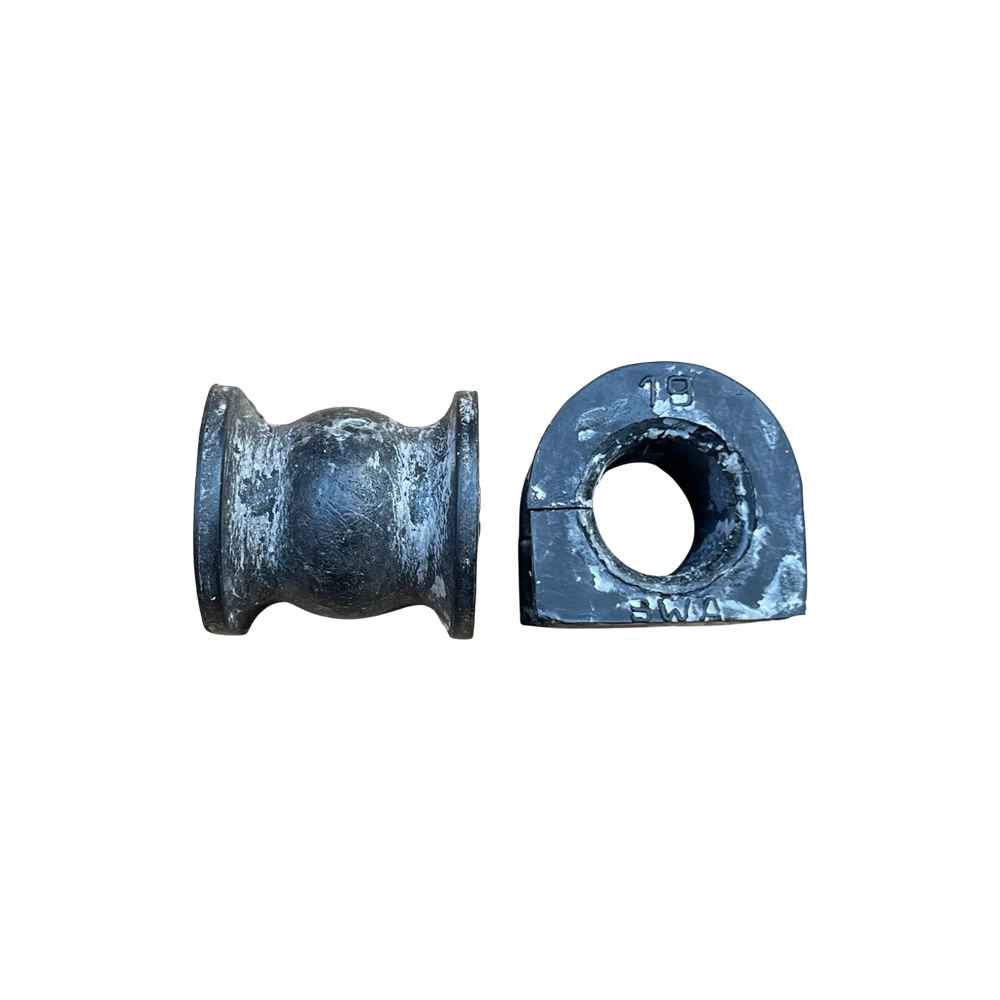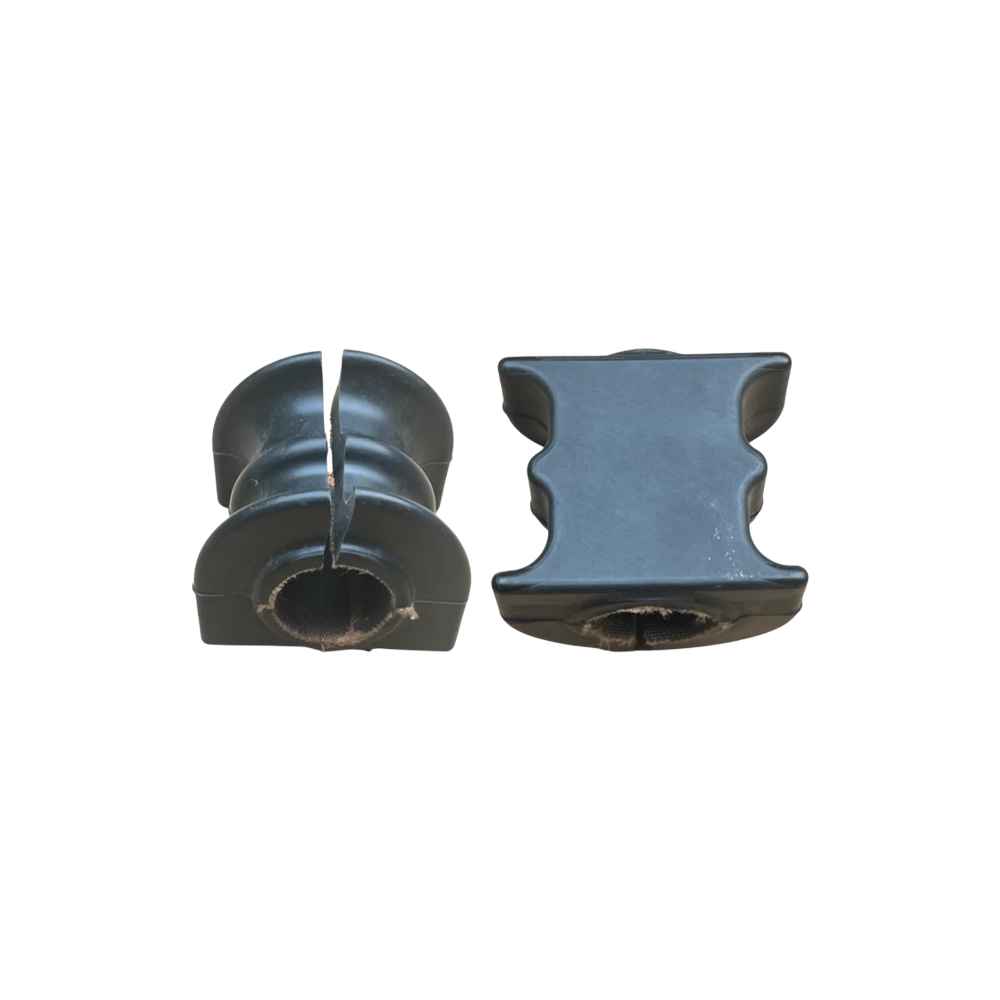
Understanding Material Swelling in Valve Covers
You know, dealing with incompatible materials in automotive parts can be a real headache. Especially when it comes to valve covers, the swelling issue often pops up outta nowhere. It’s like you’re driving along, and suddenly, you see that dreaded oil leak. A rubber sealing ring doesn’t play nice with certain metals, leading to all kinds of trouble. And trust me, it’s not just about aesthetics; it's about performance too.
Why Does Swelling Happen?
So, what causes this material swelling, anyway? Well, it usually boils down to chemical reactions between fluids and the materials used in gaskets. If you’ve got a cheap gasket or one made from subpar materials, you might find yourself in for a surprise. You might think, “Hey, I saved some cash!” But then—bam!—you’re faced with an oily mess under your hood.
Advanced Solutions for Valve Cover Gaskets
Now, let’s talk solutions. The market has really stepped up its game, especially brands like Guanghua, which offer high-quality valve cover gaskets designed to withstand these issues. These gaskets are made using advanced materials that resist swelling and degradation. So, if you're looking for something that’ll last longer than your average Tuesday, consider making the switch.
Choosing the Right Material
- Silicone: This is a popular choice, known for its flexibility and high resistance to heat. Perfect for those demanding conditions!
- Rubber: While it's common, make sure you’re selecting a good quality option. Lower-end rubber gaskets can swell quickly.
- Composite Materials: These blend different materials to balance strengths and weaknesses, making for a robust solution.
Installation Tips
Alright, so you’ve got your new gasket ready. Next up is installation. One thing you wanna avoid is cross-threading bolts. Trust me, that’s a rookie mistake you don’t want to make. When installing the gasket, ensure the surface is clean and free of old gasket material. This is crucial! Any debris left behind can lead to leaks before you even hit the road.
Torque Specifications Matter
Don't forget about torque specifications. Over-tightening can lead to warping, while under-tightening can cause leaks. Find the sweet spot and stick to the recommended specs—your engine will thank you later.
Long-Term Maintenance Strategies
After you’ve got your shiny new Valve Cover Gasket in place, regular maintenance is key. It’s not enough to just put it in and forget about it. Check for signs of wear every now and then. Look out for any oil build-up around the edges. If you start to see any leaks, don’t ignore them; address the issue right away. It could save you big bucks down the line!
How Often Should You Replace Them?
This can depend on your vehicle and driving habits. Typically, every 50,000 to 100,000 miles is a good benchmark. But if you frequently drive in extreme conditions, you might need to check them more often. Think of it like changing your oil; it’s all part of keeping your ride running smoothly.
Using Shock Absorber Boots and Other Components
Let’s not forget about the other components that contribute to your vehicle's overall performance, such as Shock Absorber Boots . These help keep dirt and debris away from your shocks, extending their life. Pairing quality gaskets with solid boots can make a world of difference. And hey, while you're at it, take a peek at your steering rack boots. They often get overlooked but are vital for maintaining steering performance.

Conclusion: Combining Quality Parts
In the end, fixing compatible material swelling is all about choosing quality parts and being proactive with maintenance. Whether it’s valve cover gaskets, CV joint boots, or O-rings, investing in reliable components pays off. Don’t skimp; your car is worth it!