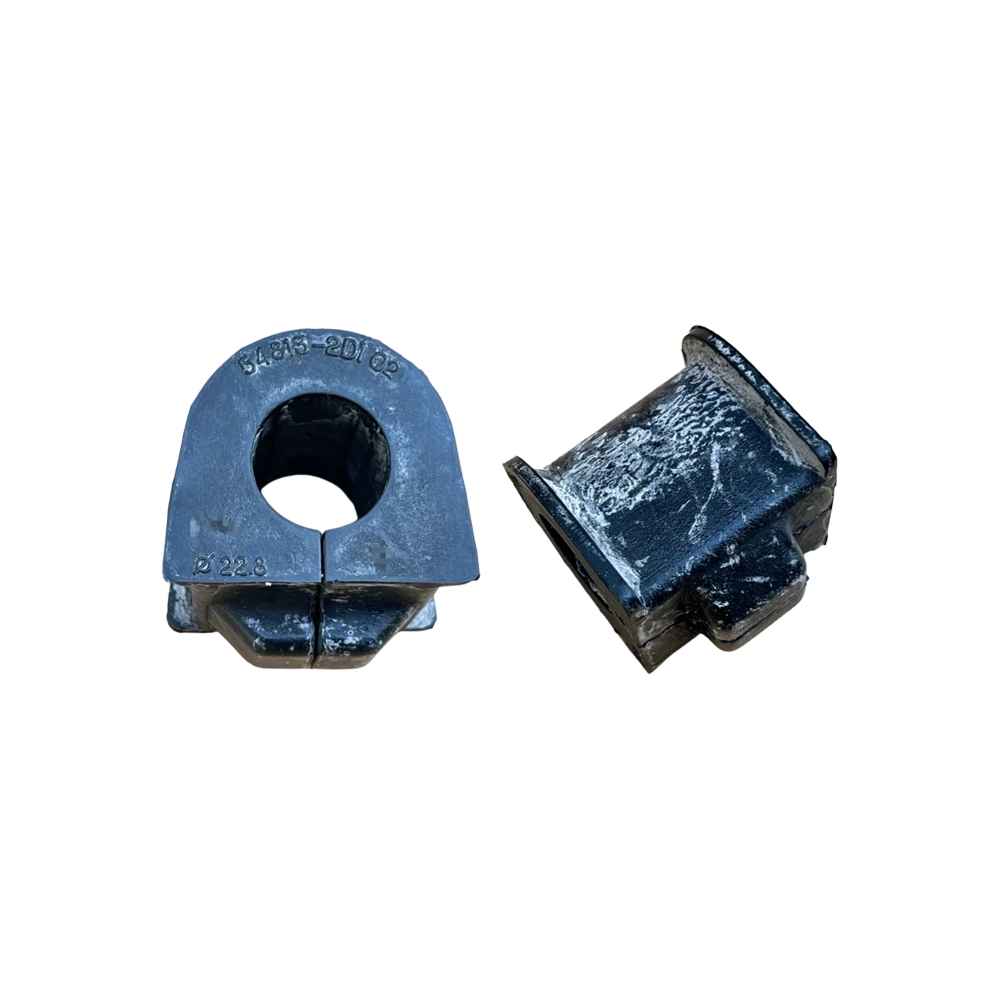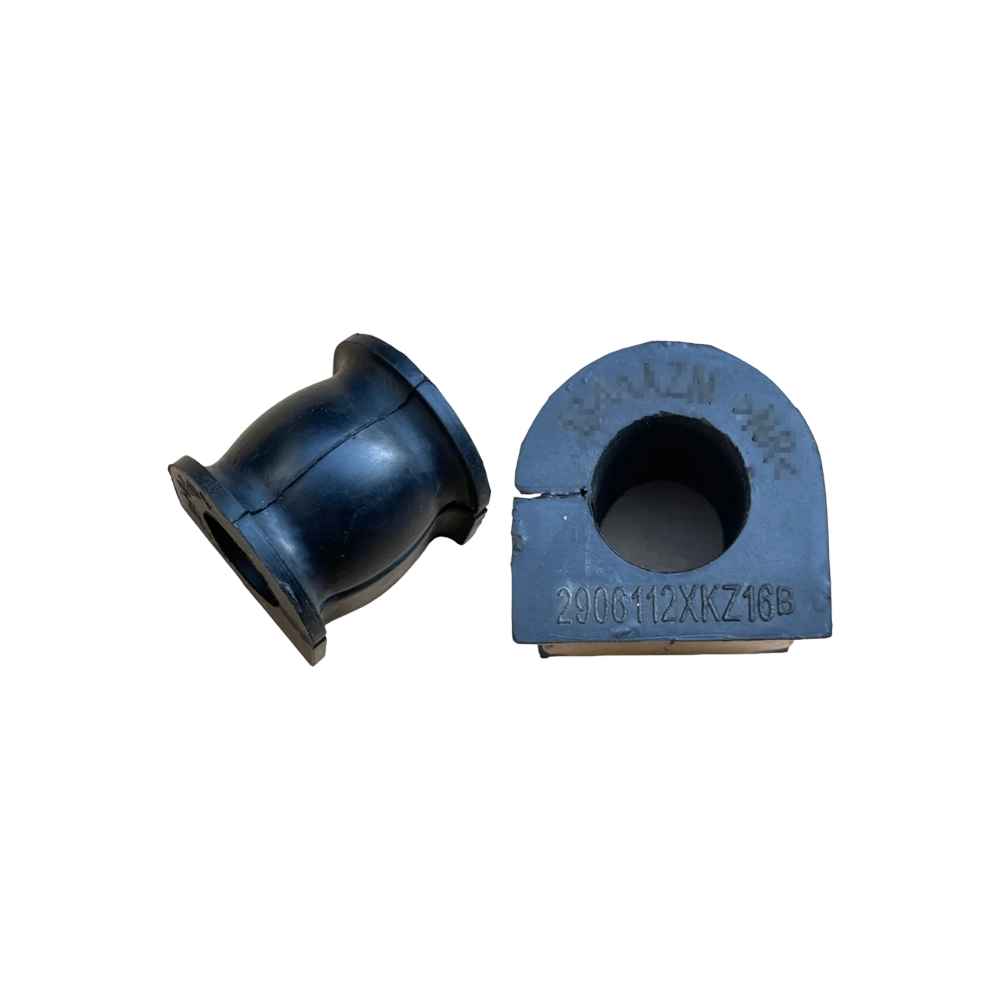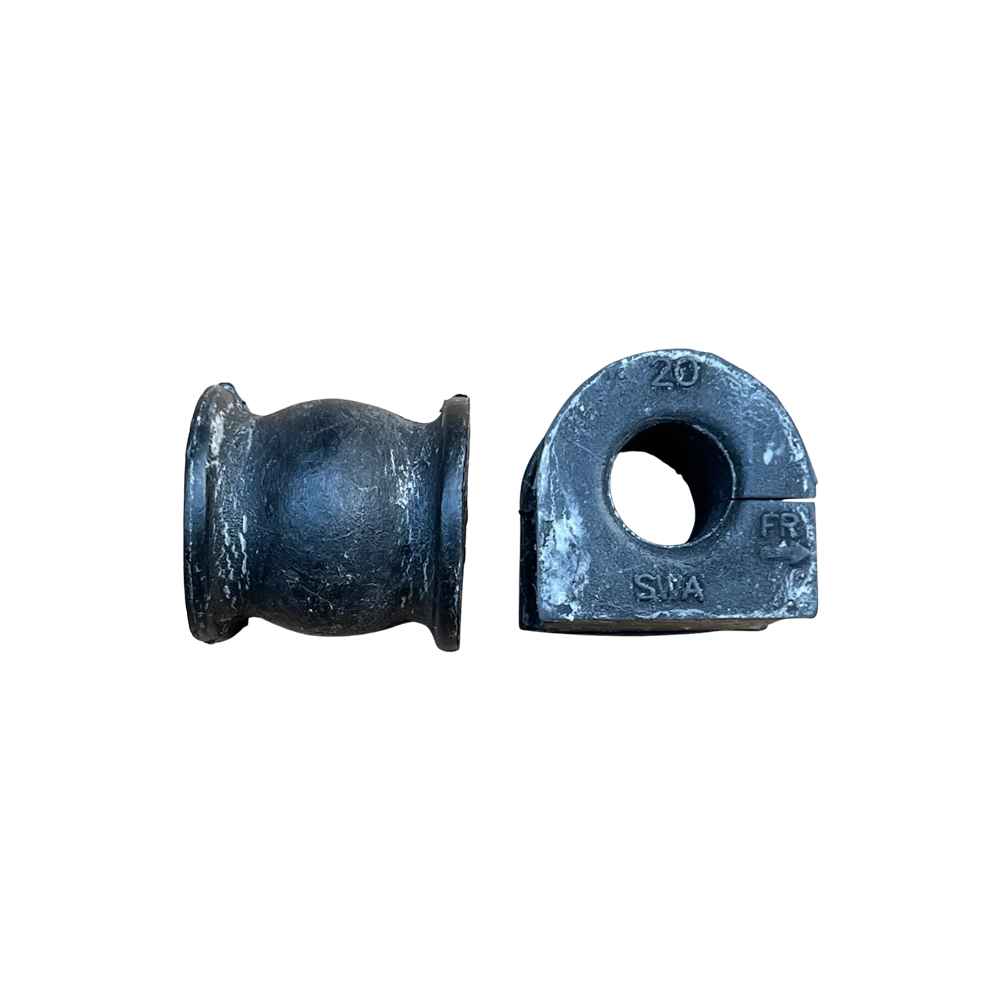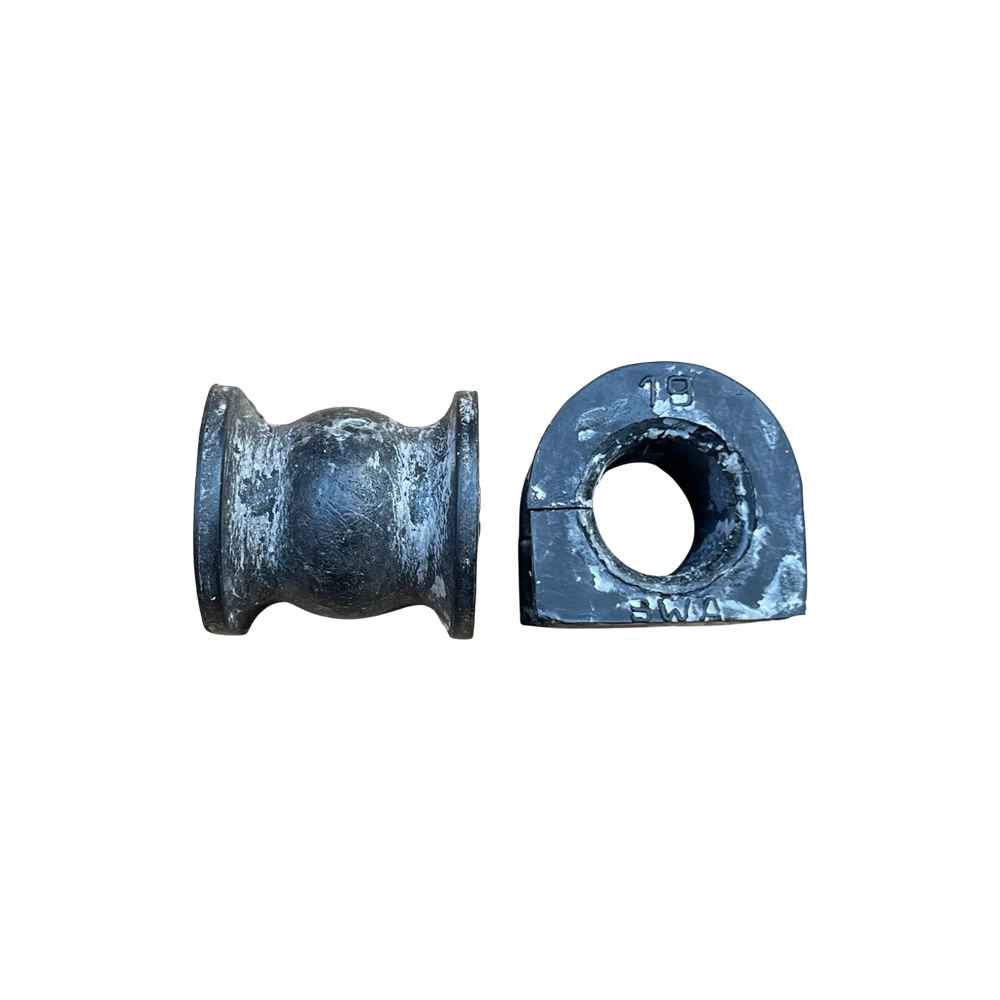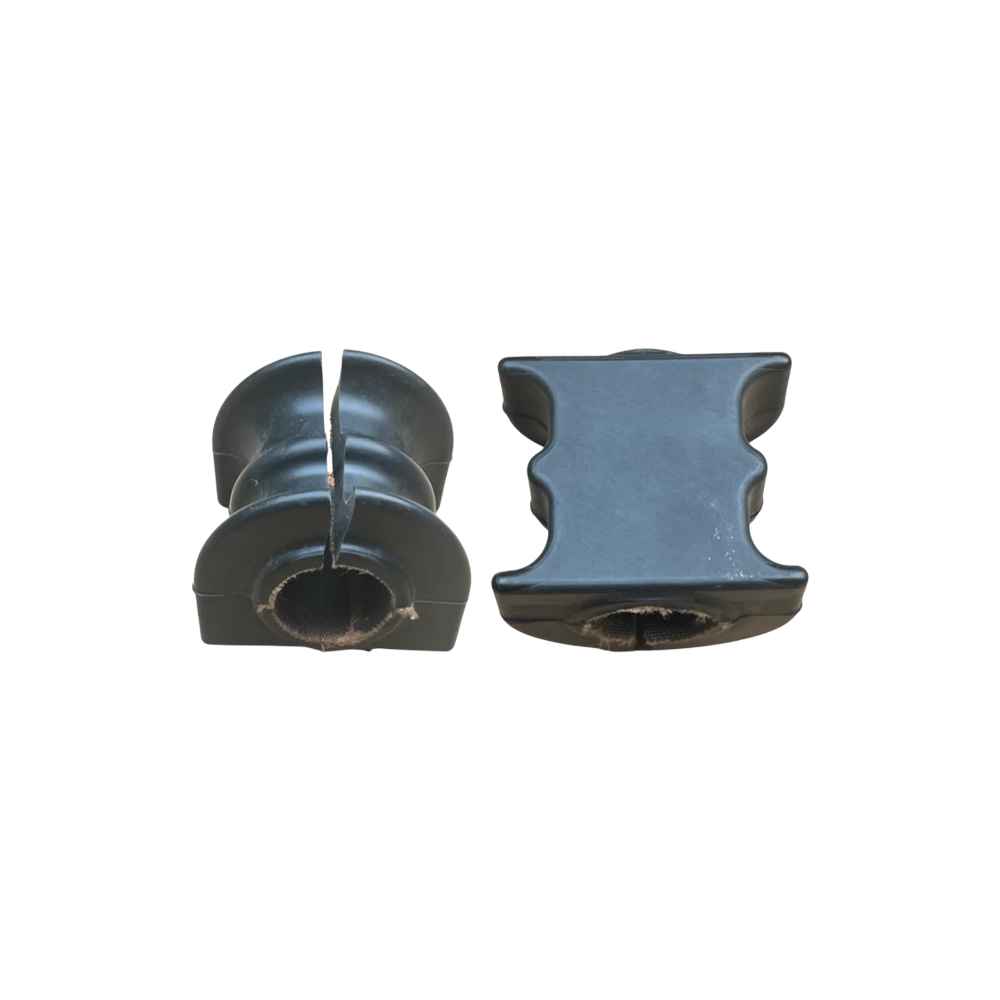
The Problem of Incompatible Material Swelling
When it comes to automotive components, material compatibility is crucial. Over time, certain materials can swell due to a range of factors such as heat, moisture, and chemical exposure. This swelling can lead to significant issues like leaks, misalignments, and even catastrophic failures if not addressed properly.
Understanding the Basics of Material Swelling
So, what exactly causes these materials to swell? Well, in simple terms, different materials react differently to environmental conditions. For instance, rubber seals, commonly found in O-Rings & Rubber Sealing Rings , can absorb oil or other fluids, causing them to expand and lose their original shape. This can consequently affect the functioning of surrounding parts.
- Temperature Changes: Fluctuations can cause materials to expand or contract.
- Chemical Exposure: Certain substances can break down materials, making them swell.
- Moisture Absorption: Some materials, particularly porous ones, can soak up water and increase in size.
Advanced Solutions for Repairing Damage
Now that we know what causes these problems, let's discuss some advanced solutions that can effectively tackle this swelling issue. One such solution involves using high-quality products specifically designed for these types of challenges.
Inner & Outer Advanced Materials
By incorporating inner and outer layers made from advanced polymers, we can minimize the risk of swelling. These materials are engineered to withstand high levels of stress without compromising their integrity. Brands like Guanghua have developed innovative materials that offer resistance to both temperature and chemical exposure, thus providing a robust solution.
Installation Tips for Longevity
Even the best materials will fail if not installed correctly. Here are some tips to ensure your new components stand the test of time:
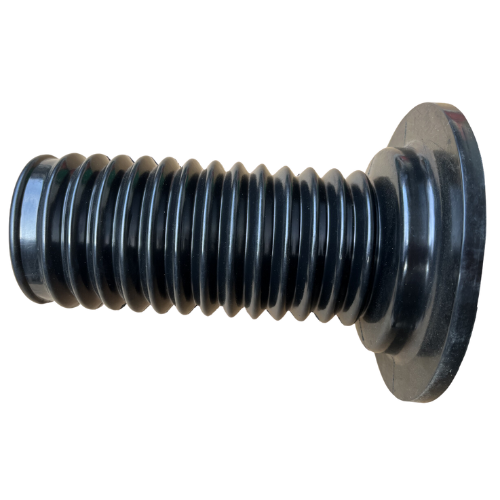
- Always clean the surfaces before installation to prevent debris from causing weak points.
- Use proper tools to avoid damaging the new materials during installation.
- Follow manufacturer guidelines closely; they usually provide specific instructions that should be adhered to.
Real-World Application: CV Joint Boots
Take CV Joint Boots , for instance. These are subject to constant movement and temperatures, making them prime candidates for swelling. Using advanced materials for these boots can significantly reduce the chances of failure. When you replace your old worn-out boots with new ones crafted from superior materials, you’re investing in a more reliable ride.
Addressing Common Misconceptions
There’s often a misconception that all rubber materials are created equal. However, that couldn't be further from the truth! While many might opt for generic options, investing in specialized products like those from Guanghua can save you headaches down the road.
Maintenance Matters
Regular maintenance could go a long way in preventing swelling issues. Keeping an eye on fluid levels and checking for signs of wear can save you from costly repairs later. For example, inspecting your Steering Rack Boots routinely can help catch any swelling before it turns into a bigger problem.
DIY vs Professional Help
Some might consider tackling these repairs themselves, but it’s essential to weigh the pros and cons. If you're comfortable with your skills and have the right tools, go for it! But, if you're unsure, it's always advisable to seek professional help. A small mistake during installation can lead to further complications, especially with complex systems like shock absorbers.
Conclusion: Embrace Quality Solutions
In summary, addressing incompatible material swelling is not just about choosing the right parts; it's also about understanding the science behind it. By opting for advanced inner and outer materials, coupled with proper installation and maintenance practices, you can conquer these challenges once and for all. Remember, it’s always better to invest in quality rather than face recurrent issues down the line!