Understanding Material Swelling
Material swelling can be a real headache for car enthusiasts and mechanics alike. You might think it’s just a minor annoyance, but trust me, when incompatible materials start expanding, the domino effect can lead to serious issues in your steering system. It’s like having a leaky faucet—just a little drip at first, but leave it long enough, and you’ve got a flood.
Why Does It Happen?
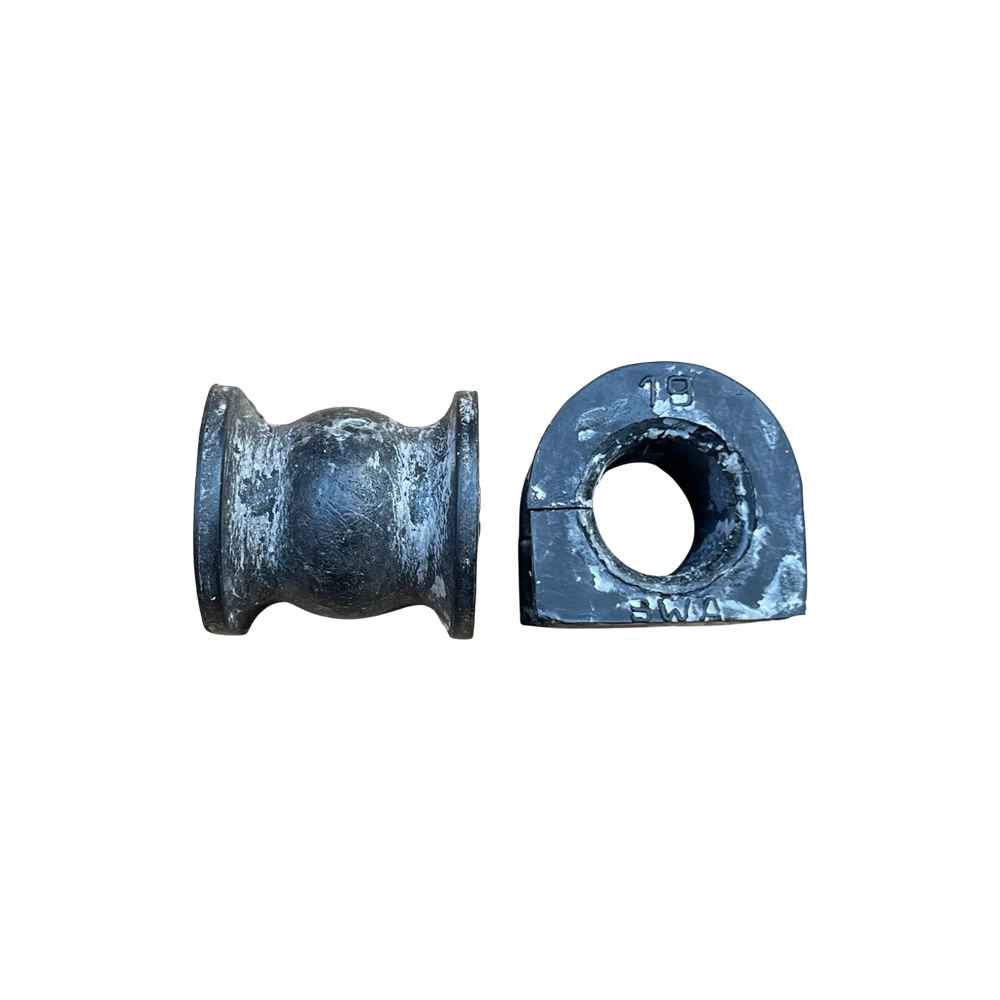
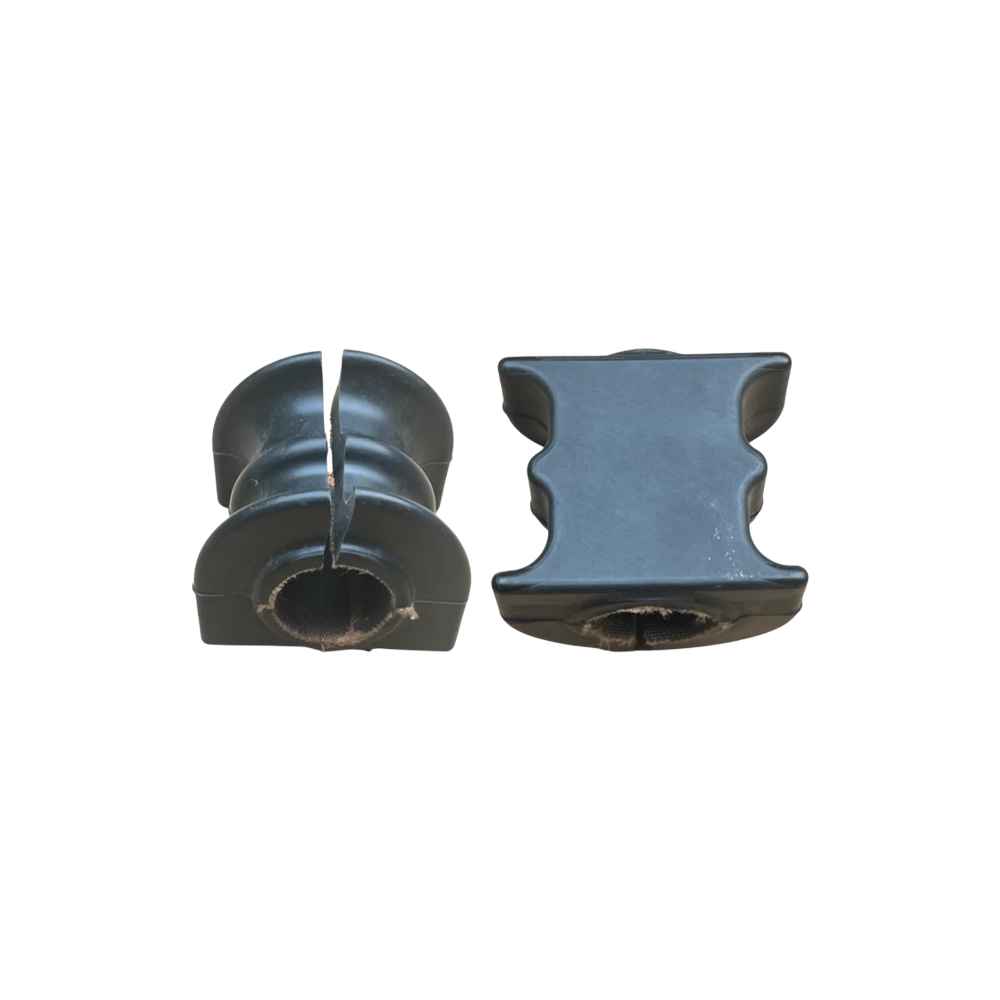
So, why does this happen? Well, different materials react differently to environmental factors such as temperature and humidity. For instance, rubber components like Steering Rack Boots or Shock Absorber Boots may swell if they’re not compatible with the fluids they interact with. This is particularly true if you're using old, worn-out components that have seen better days.
The Role of Advanced Steering Gear Boots
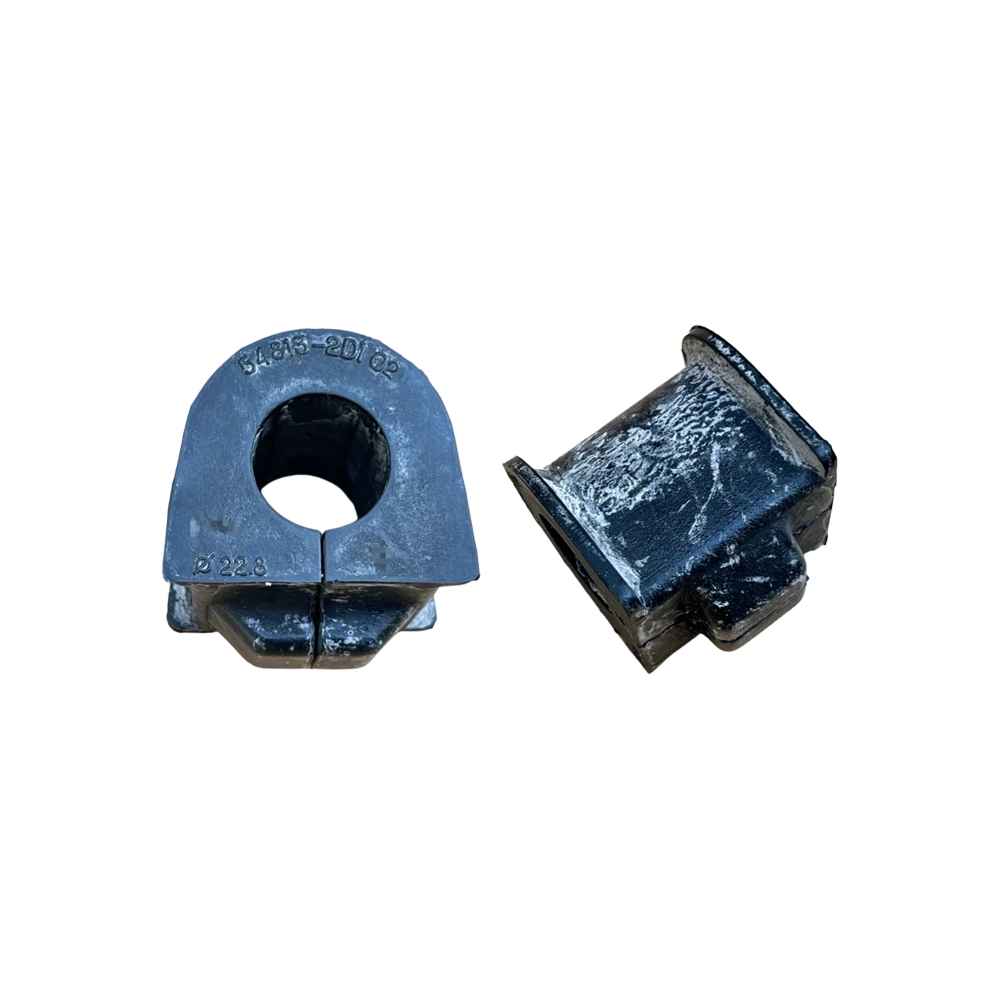
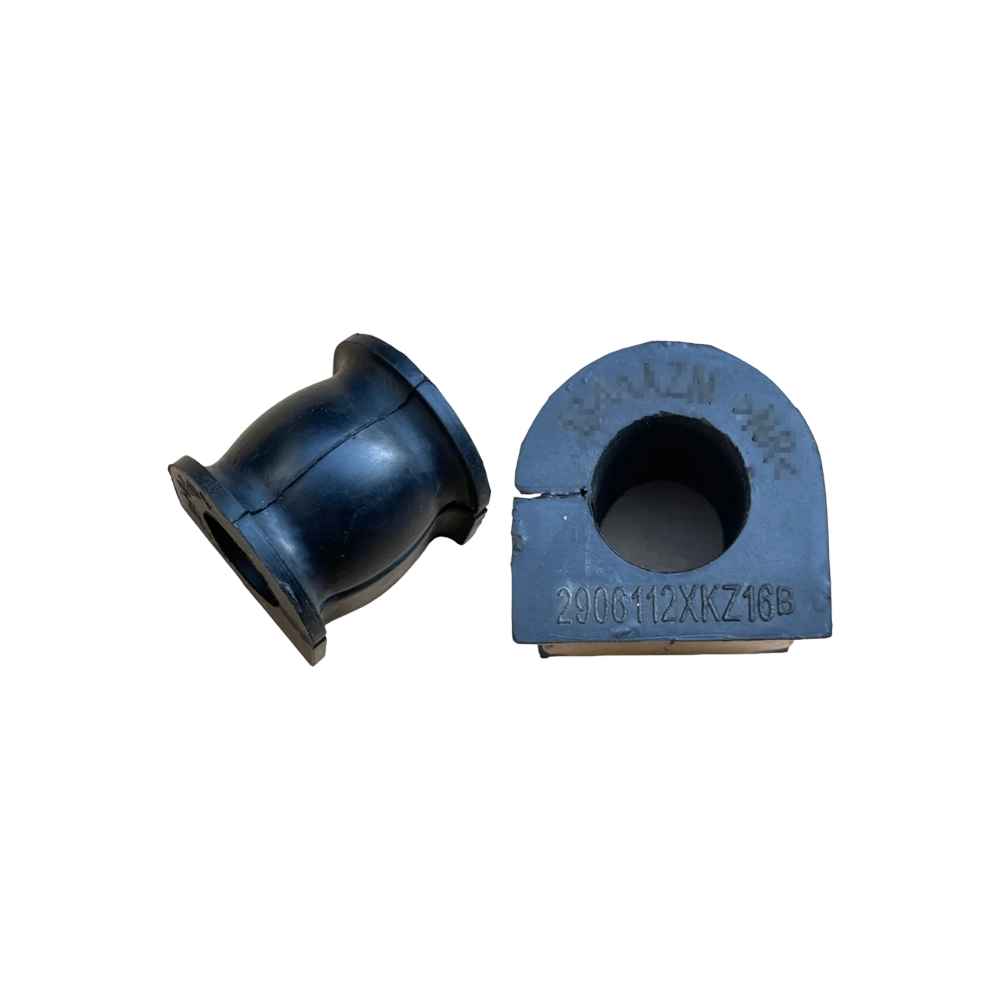
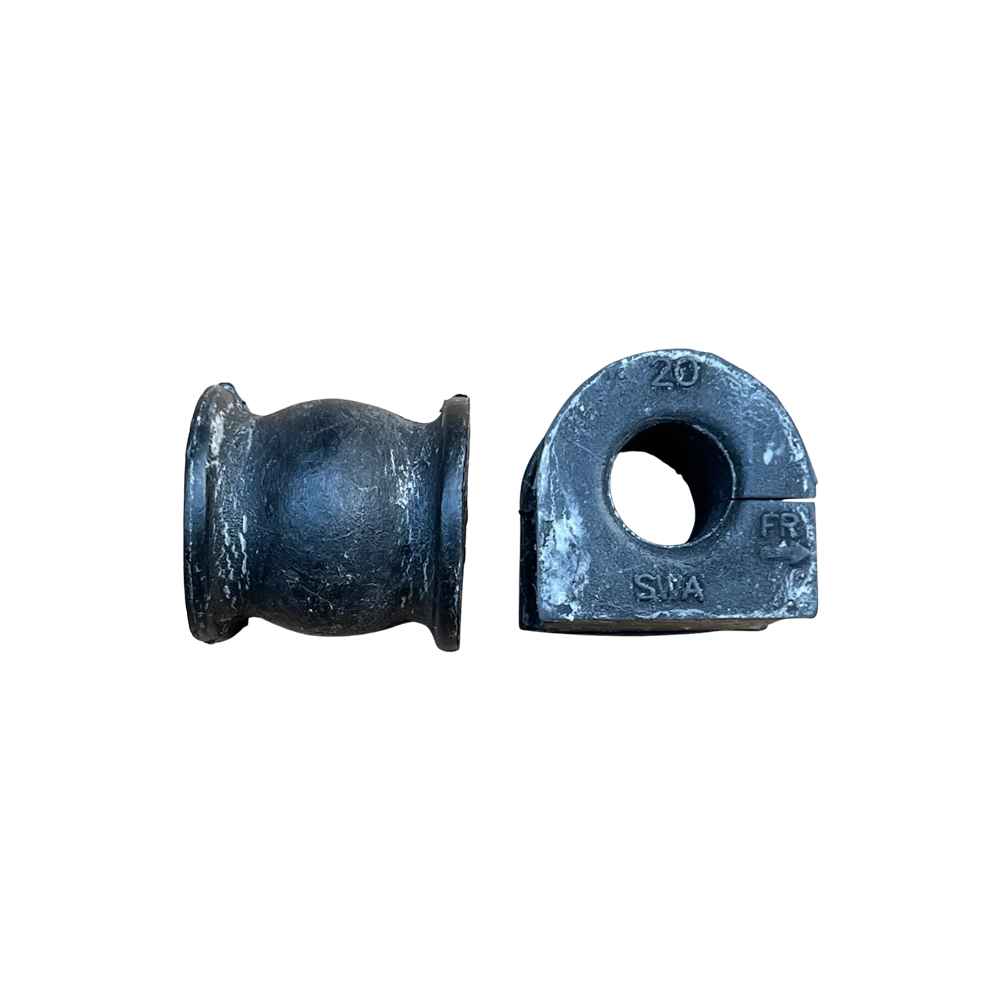
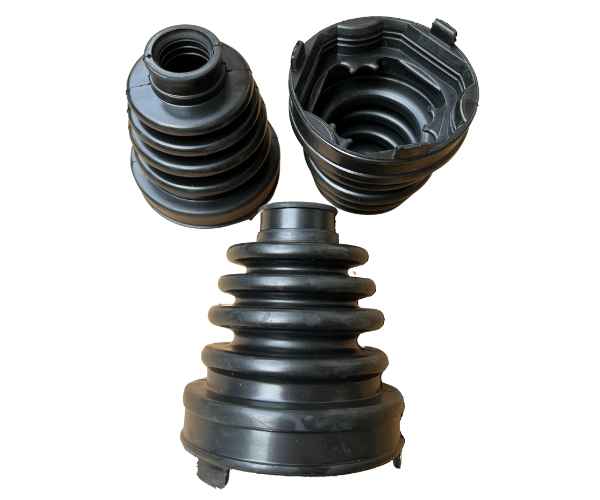
Enter advanced steering gear boots. These are designed to combat material incompatibility head-on. With innovative engineering, companies like Guanghua have developed products that can withstand harsh conditions while keeping everything sealed tight. When you install a new set of steering gear boots, you're basically giving your steering system a fresh start.
Benefits of Upgrading Your Boot
- Improved Longevity: A good quality boot can significantly extend the lifespan of your steering components.
- Better Performance: Your vehicle will handle more smoothly, reducing noise and vibrations during operation.
- Prevention of Contaminants: A well-fitted boot keeps dirt and moisture out, which is crucial for maintaining the integrity of your steering rack.
Installation Tips for DIY Enthusiasts
If you're considering tackling this project yourself, there are a few things you should keep in mind. First off, make sure you have all necessary tools at hand. You'll need something to remove the old boot, usually a pair of pliers or a special tool if it's stubborn.
Next, inspect the surrounding components for damage before installing the new boot. If your O-Rings & Rubber Sealing Rings are worn, now's the time to replace them. It's like changing your oil—you don't wanna skip it and wind up with bigger problems later on!
Step-by-Step Guide
- Remove the old steering gear boot carefully.
- Inspect the steering rack for wear and tear.
- Clean the area thoroughly to ensure a proper seal.
- Install the new advanced steering gear boot, ensuring it fits snugly.
- Check for leaks after installation and test drive the vehicle.
Common Mistakes to Avoid
Even seasoned pros can slip up, so let’s chat about common pitfalls. One major mistake is not aligning the boot correctly. If it’s off even a little bit, you might end up with premature failure. Another one is reusing damaged clamps; don’t be lazy! Replacing them can save you tons of trouble down the line.
When to Seek Professional Help
Sometimes, DIY just isn’t enough—especially if you’re dealing with multiple failed components. If you notice leaking fluids or persistent noise from your steering system, don’t hesitate to call in a pro. They can diagnose issues that may not be immediately visible to the untrained eye.
Wrapping It Up
Fixing incompatible material swelling once and for all requires knowledge, quality parts, and a bit of elbow grease. By investing in advanced steering gear boots and taking the time to do it right, you’ll not only improve your vehicle’s performance but also gain peace of mind. Plus, it gives you a valid excuse to take that lovely ride out for a spin after all the hard work!