Understanding Oil Seepage in Hydraulic Systems
Oil seepage and leakage are common issues that can plague automotive hydraulic systems. It’s not just a nuisance; it can lead to bigger problems if not addressed promptly. You know, when you're driving and suddenly notice that ominous drop on the driveway? That's oil—your vehicle's lifeblood—finding its way out where it shouldn’t be.
What Causes Oil Leakage?
There are several culprits behind oil leaks. Often, it can be traced back to worn-out seals or gaskets. For instance, the Valve Cover Gasket might be giving up, causing oil to escape. Additionally, components like CV Joint Boots or Steering Rack Boots can also develop cracks over time, allowing oil to seep out.
The Importance of Addressing Seepage
Ignoring oil leaks is like ignoring a slow leak in your tire—it may not seem urgent now, but it could lead to catastrophic failure later. If you allow seal degradation or boot damage to continue, the consequences might be hefty repairs or even total system failure.
Advanced Solutions for Oil Seepage
Fortunately, there are advanced solutions available to tackle these issues. In recent times, products have emerged that can effectively seal leaks and bolster the integrity of your hydraulic systems. Let’s dive into some options!
1. Upgraded Sealant Technologies
Modern sealants are far superior to older compounds. They come equipped with properties that not only fill gaps but also expand and contract with temperature fluctuations. Brands like Guanghua offer top-notch sealant products that can work wonders on stubborn leaks.

2. Reinforced Boot Designs
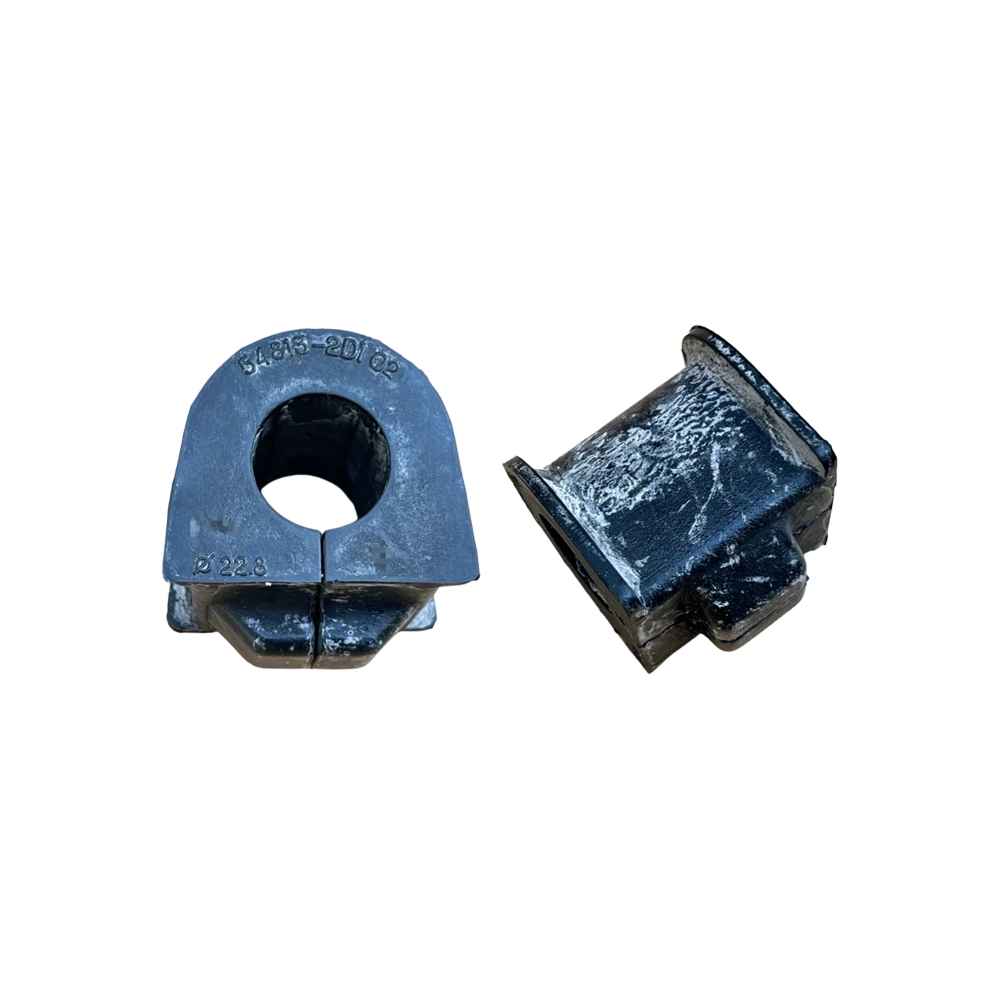
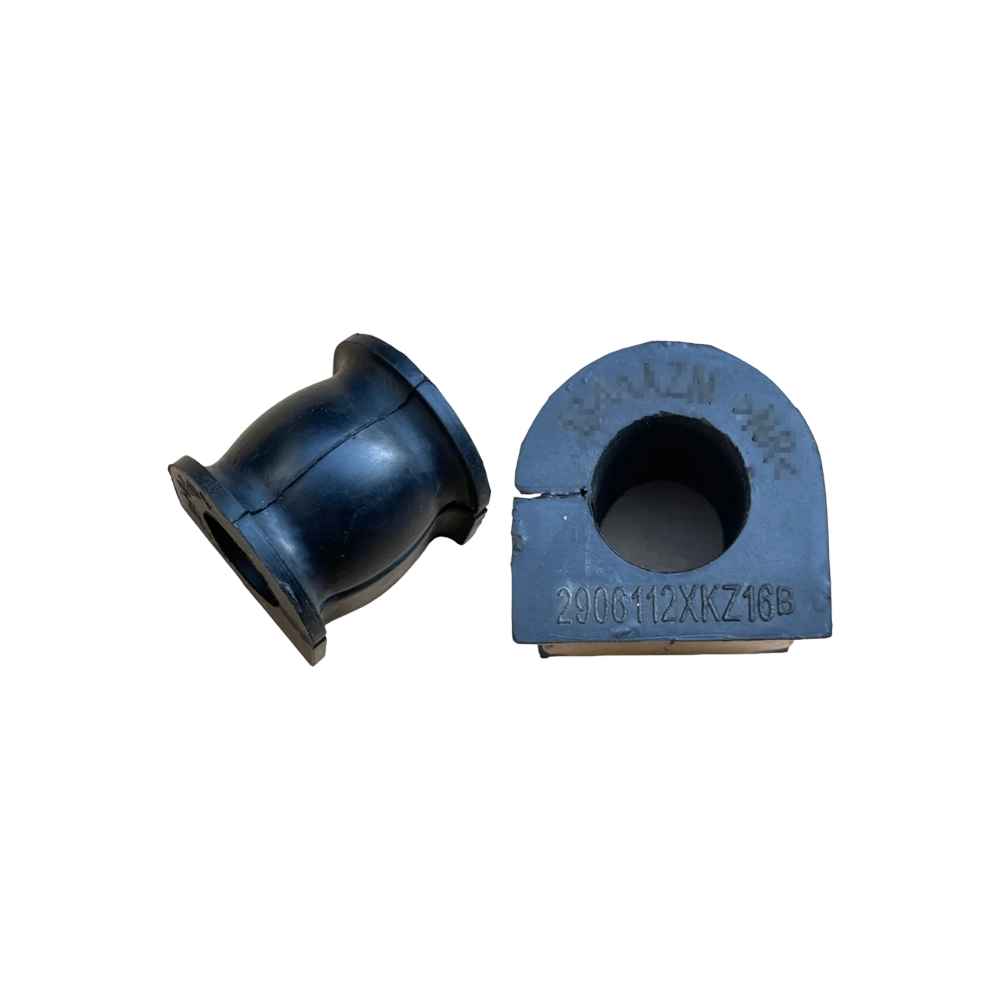
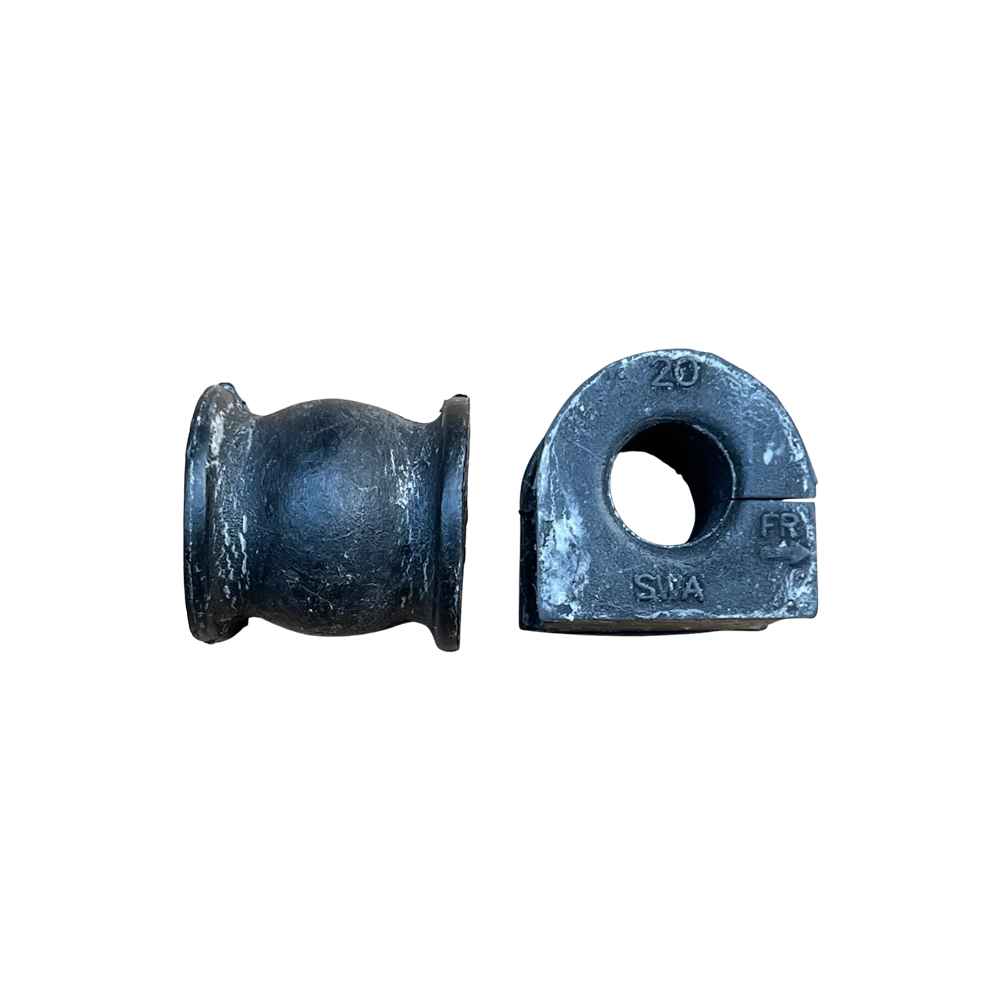
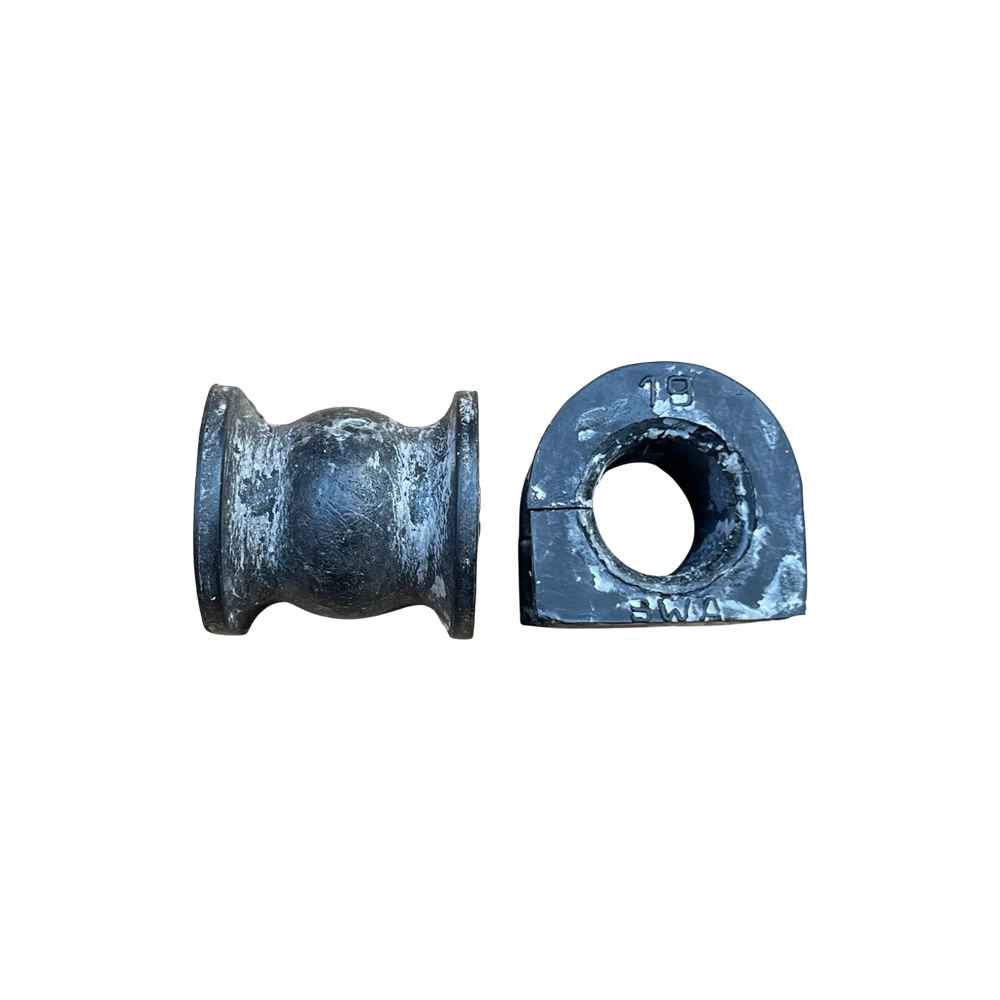
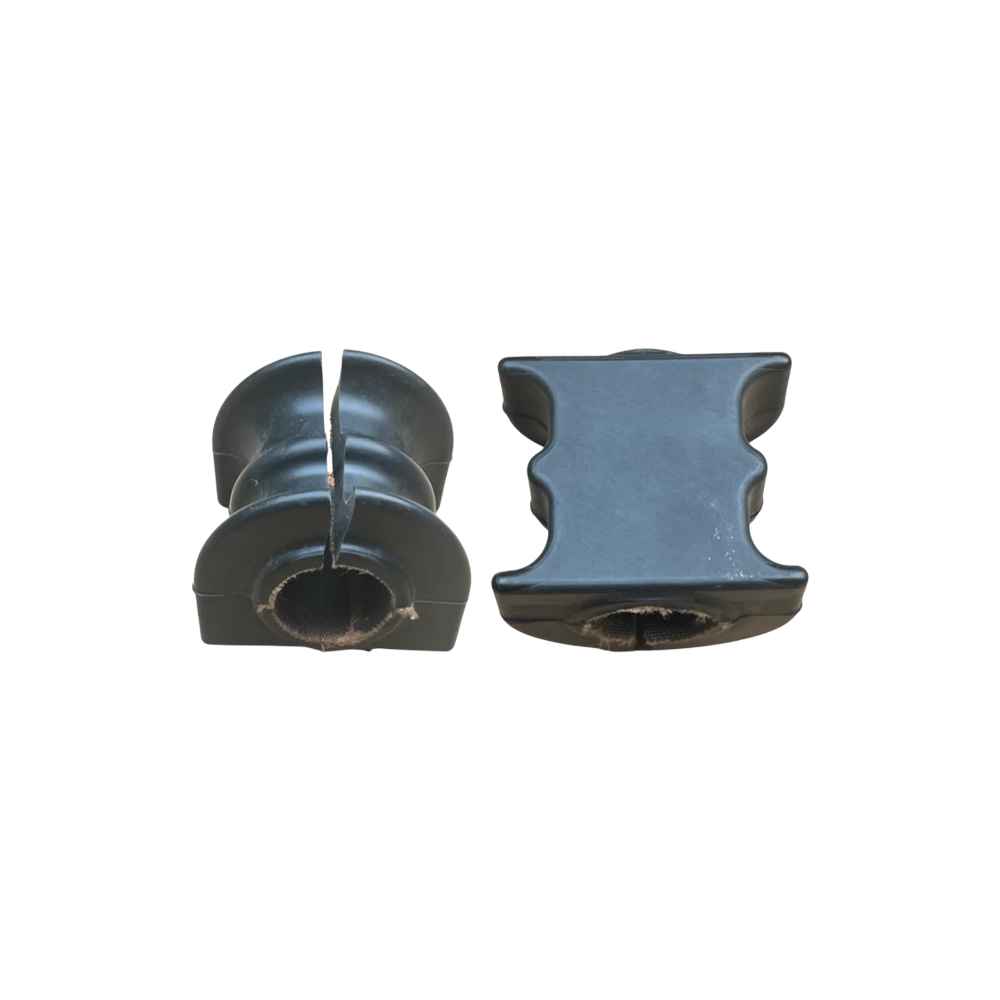
Using upgraded boots, such as Shock Absorber Boots or Stabilizer Bar Bushings , can greatly reduce the chances of leakage. These advanced designs are made from durable materials that can withstand harsh conditions without cracking. So, before you hit the road, consider replacing those old boots!
3. Regular Maintenance Checks
Implementing a regular maintenance schedule can help catch potential leaks early on. It's always good practice to check critical areas regularly, especially around joints and connections. Remember, a stitch in time saves nine!
Dealing with Oil Seepage: DIY vs. Professional Help
You might wonder whether to fix these leaks yourself or call in the pros. While DIY attempts can save money, one should always weigh this against the complexity of the problem. If you’re dealing with something major, like hydraulic line replacement, it's probably best to consult a professional.
DIY Fixes for Minor Seepage
- Sealants: Use a high-quality sealant for small leaks.
- Boot Replacement: Swap out any damaged CV Joint or Steering Rack boots.
- Regular Cleaning: Keep parts clean to better spot future leaks.
When to Call for Help
If the leak persists after your attempts, or if you discover multiple leaks throughout the system, it might be time to get a specialist involved. They can provide thorough diagnostics and offer solutions tailored to your vehicle's specific needs.
Final Thoughts on Preventing Seepage
Preventing oil seepage truly comes down to vigilance and proactive measures. Invest in quality parts and materials, and pay attention to your ride. By ensuring you use reliable components—like O-Rings & Rubber Sealing Rings —you’ll significantly reduce the risks associated with hydraulic leaks.
So next time you notice an oil stain, remember: it’s not just about cleaning the driveway; it's about keeping your vehicle healthy and road-ready! Stay sharp, and keep those leaks at bay.