Understanding Oil Seepage and Leakage
Oil seepage and leakage are common issues faced by vehicle owners, often resulting in costly repairs and frustrating downtime. The presence of oil under your car is not just a nuisance; it can lead to more serious problems if left unaddressed. This is where advanced materials like NBR, Viton, and silicone come into play.
The Mechanics of Oil Seepage
Oil seepage typically occurs due to wear and tear on rubber seals and gaskets that have lost their elasticity over time. Factors such as high temperatures, exposure to chemicals, and pressure fluctuations contribute to the degradation of these crucial components. For instance, valve cover gaskets and O-rings play pivotal roles in sealing various engine parts. When these elements fail, they allow oil to escape, leading to leaks.
Why Choose Advanced Materials?
When considering replacements or upgrades for seals, it's essential to choose materials that can withstand harsh conditions. NBR (Nitrile Butadiene Rubber), Viton, and silicone each offer unique benefits:
- NBR: Known for its excellent resistance to oils and fuels, NBR is a go-to choice for many automotive applications.
- Viton: This fluoropolymer offers superior chemical resistance and high-temperature tolerance, making it ideal for extreme environments.
- Silicone: Renowned for its flexibility and durability, silicone is particularly effective in sealing applications where extreme temperature variations occur.
Applications of Advanced Materials
These advanced materials find use in various automotive components that require effective sealing capabilities:
- CV Joint Boots : Protecting the joint from dirt and debris while retaining grease, high-quality boots made from NBR or silicone can prevent costly failures.
- Steering Rack Boots : These boots shield the steering mechanism from contaminants, ensuring smooth operation and longevity.
- Shock Absorber Boots : Keeping moisture and debris out of shock absorbers helps maintain performance and prolongs life.
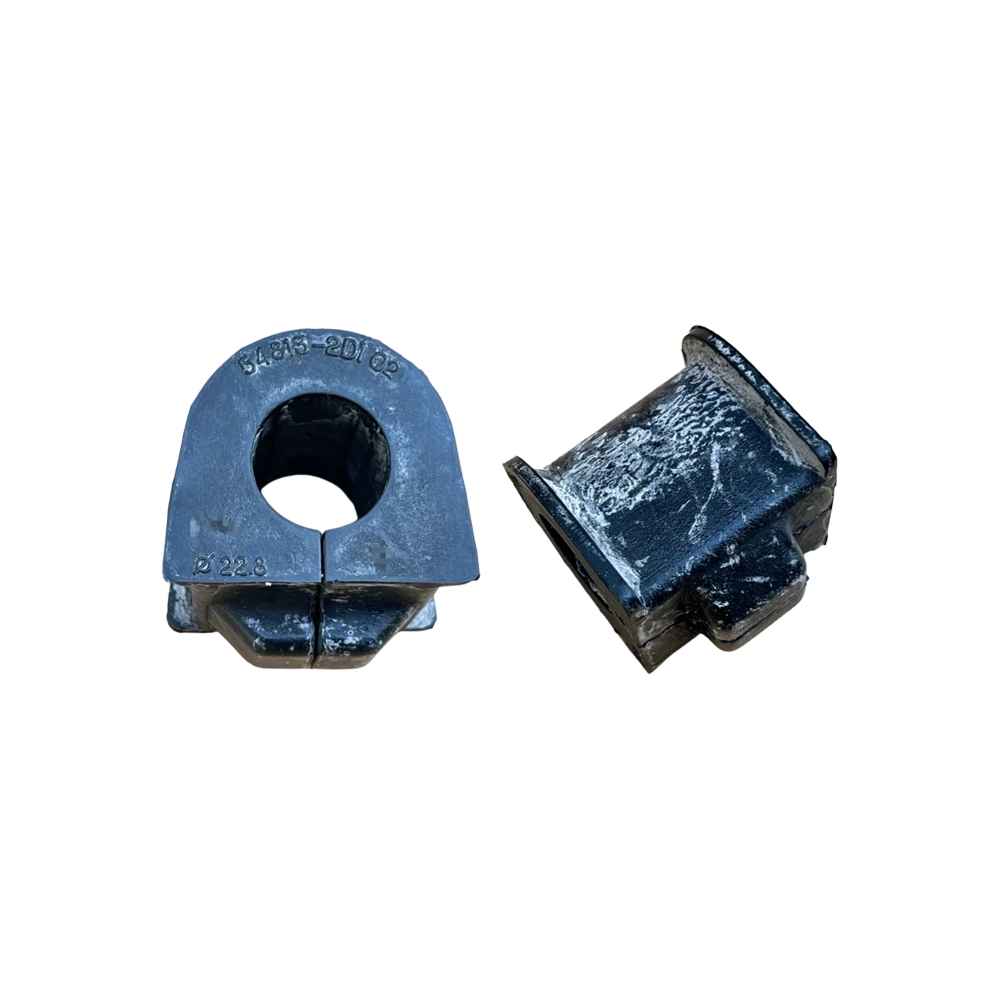
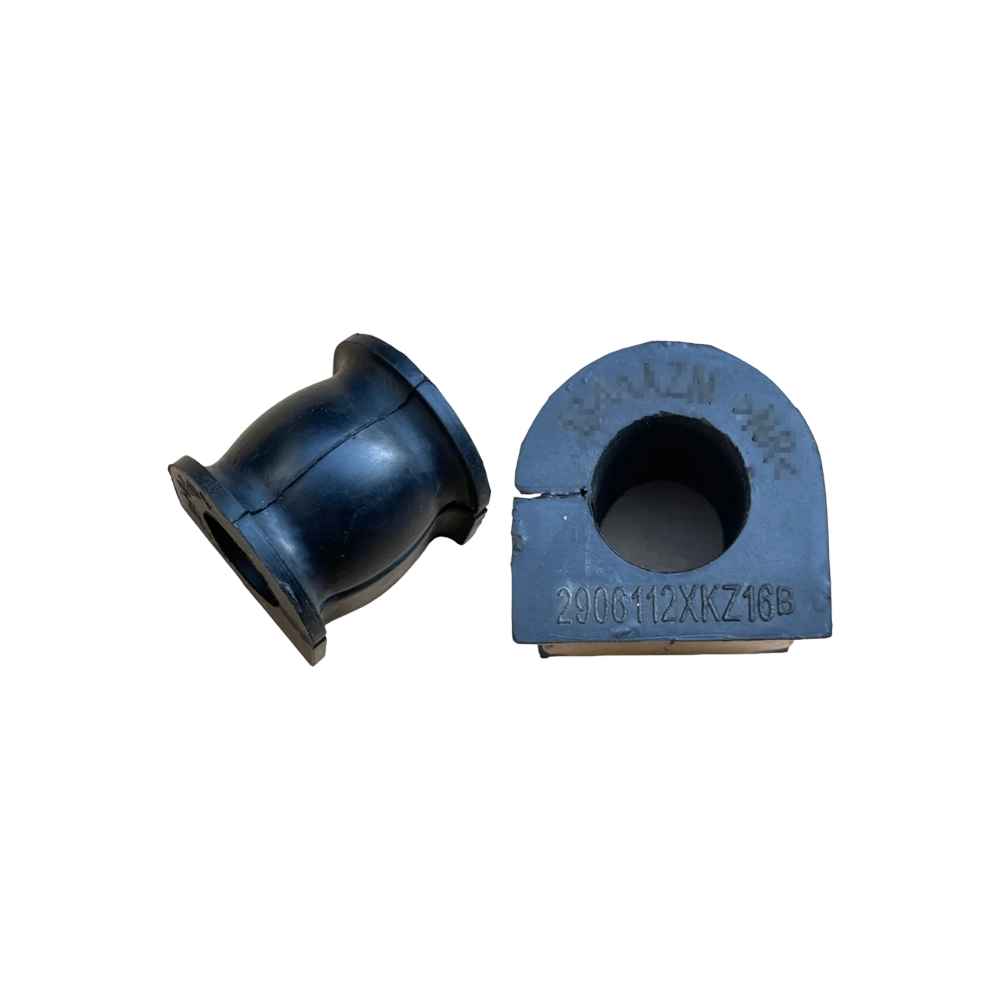
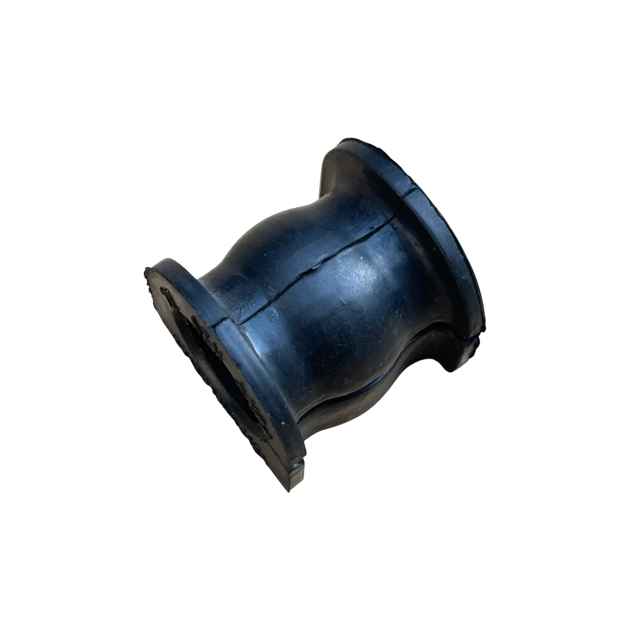
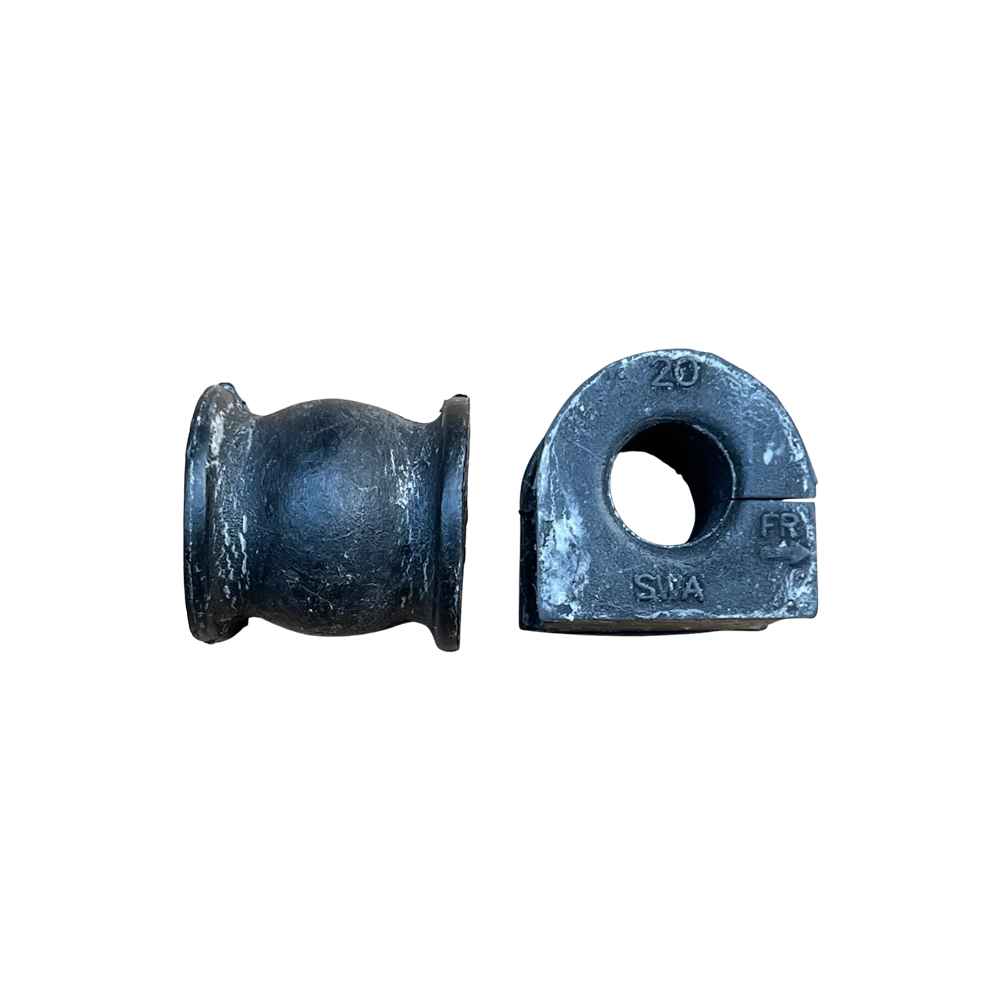
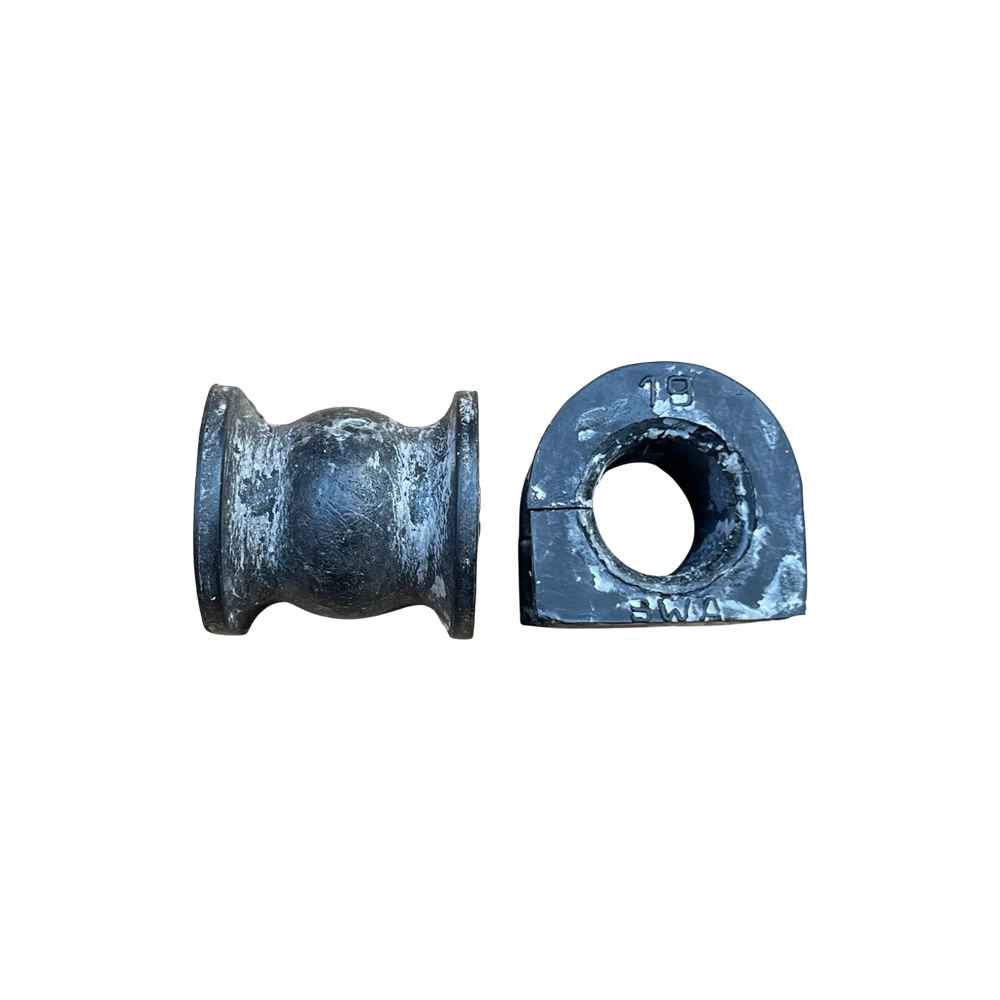
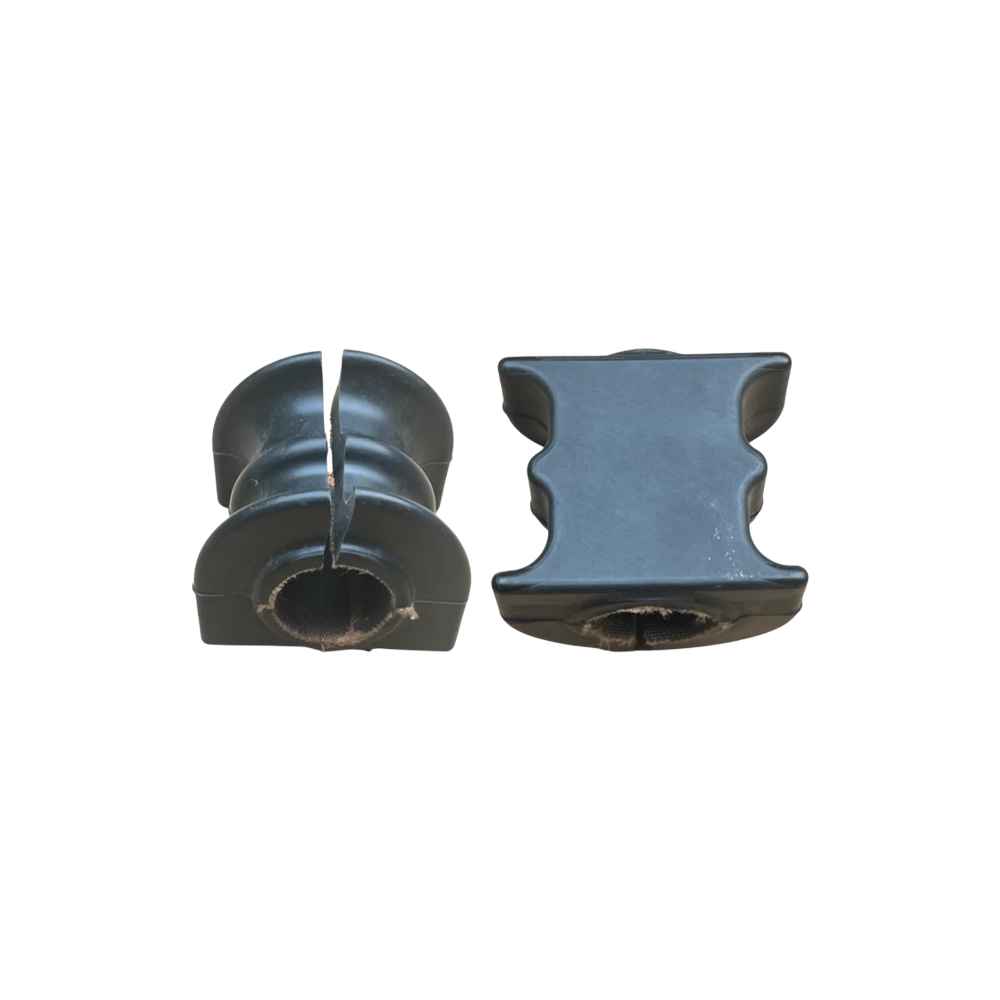
- Stabilizer Bar Bushings: Essential for effective handling, bushings made from advanced rubber compounds can absorb road shocks efficiently.
Fixing Oil Seepage: A Step-by-Step Guide
If you’re dealing with oil seepage, addressing the issue promptly can save you from bigger problems down the road. Here’s a quick guide to help you navigate the repair process:

- Identify the Source: Start by inspecting your vehicle for signs of leakage. Look for wet spots and traces of oil around component junctions.
- Choose Quality Replacement Parts: Opt for high-quality seals and gaskets made from NBR, Viton, or silicone. Brands like Guanghua are known for their reliable products in this category.
- Remove Old Components: Carefully take out the damaged gaskets or seals. Ensure the mating surfaces are clean to promote effective adhesion of the new parts.
- Install New Seals: Apply a thin layer of sealant if recommended, then position the new gasket or seal correctly.
- Check for Proper Fit: Verify that everything aligns properly before reassembling the unit. A poor fit can lead to recurrence of the problem.
- Test the Repair: After reassembly, run your engine and monitor for any signs of leakage. It’s crucial to ensure that the problem has been resolved completely.
Preventative Maintenance Tips
To keep oil seepage at bay, consider implementing these proactive measures:
- Regularly inspect seals and gaskets for wear.
- Maintain optimal fluid levels to prevent pressure build-up.
- Use quality lubricants compatible with your vehicle's specifications.
- Keep an eye on engine temperature to avoid overheating.
Conclusion
In the world of automotive maintenance, addressing oil seepage and leakage effectively requires the right materials and techniques. By opting for advanced options like NBR, Viton, and silicone, you can ensure long-lasting results. With proper care and attention, you can fix these pesky leaks once and for all, keeping your engine healthy and efficient.