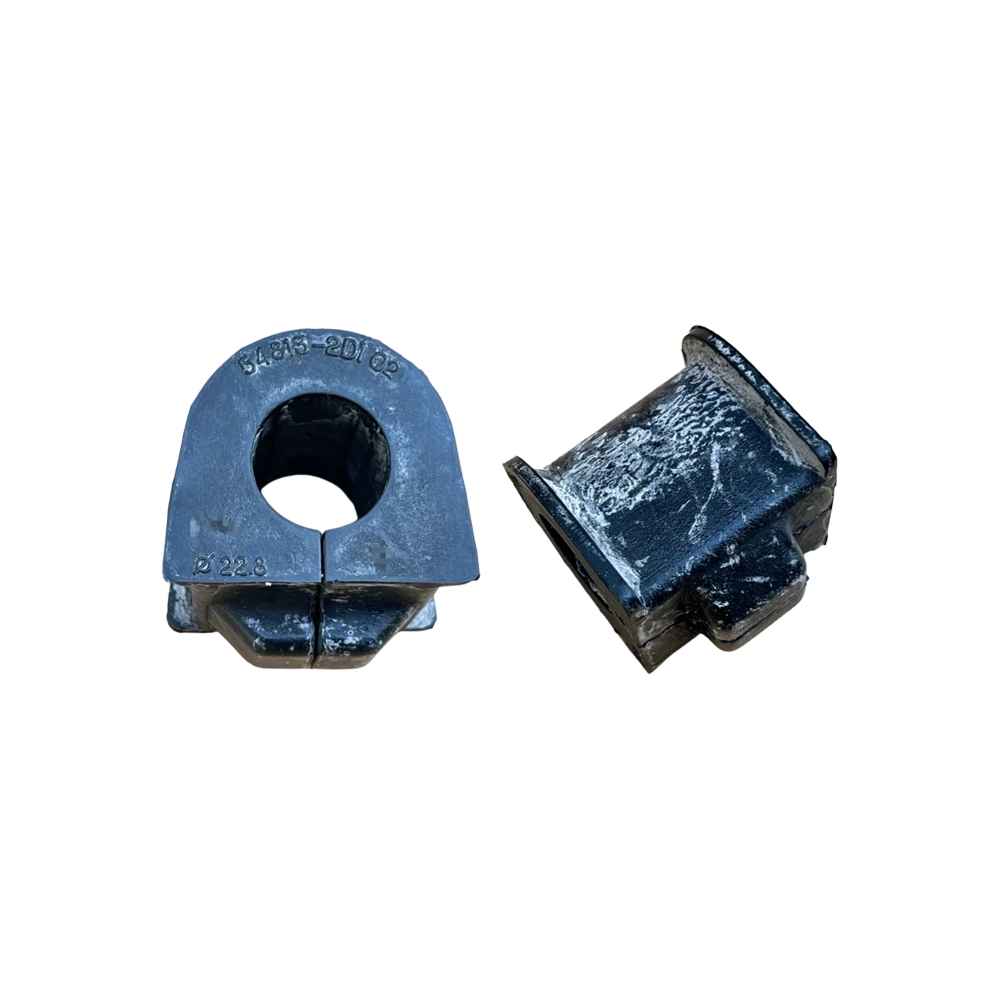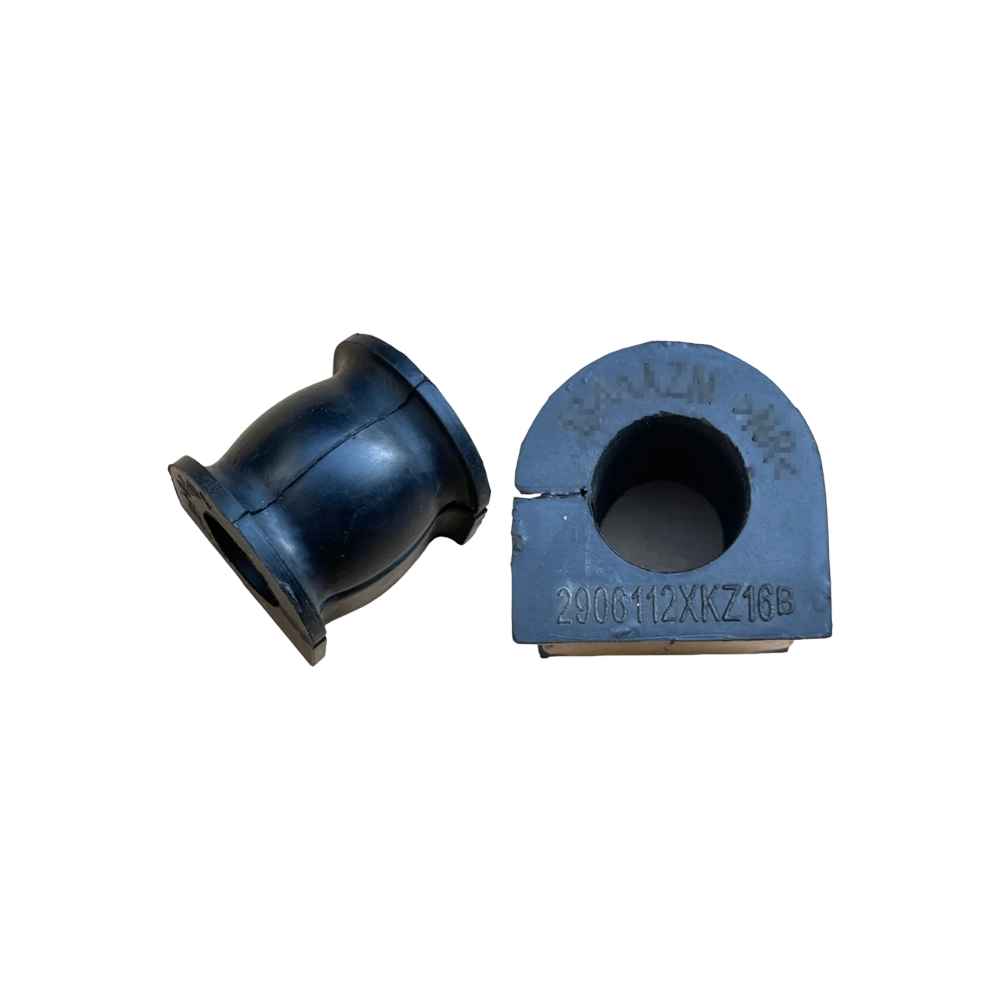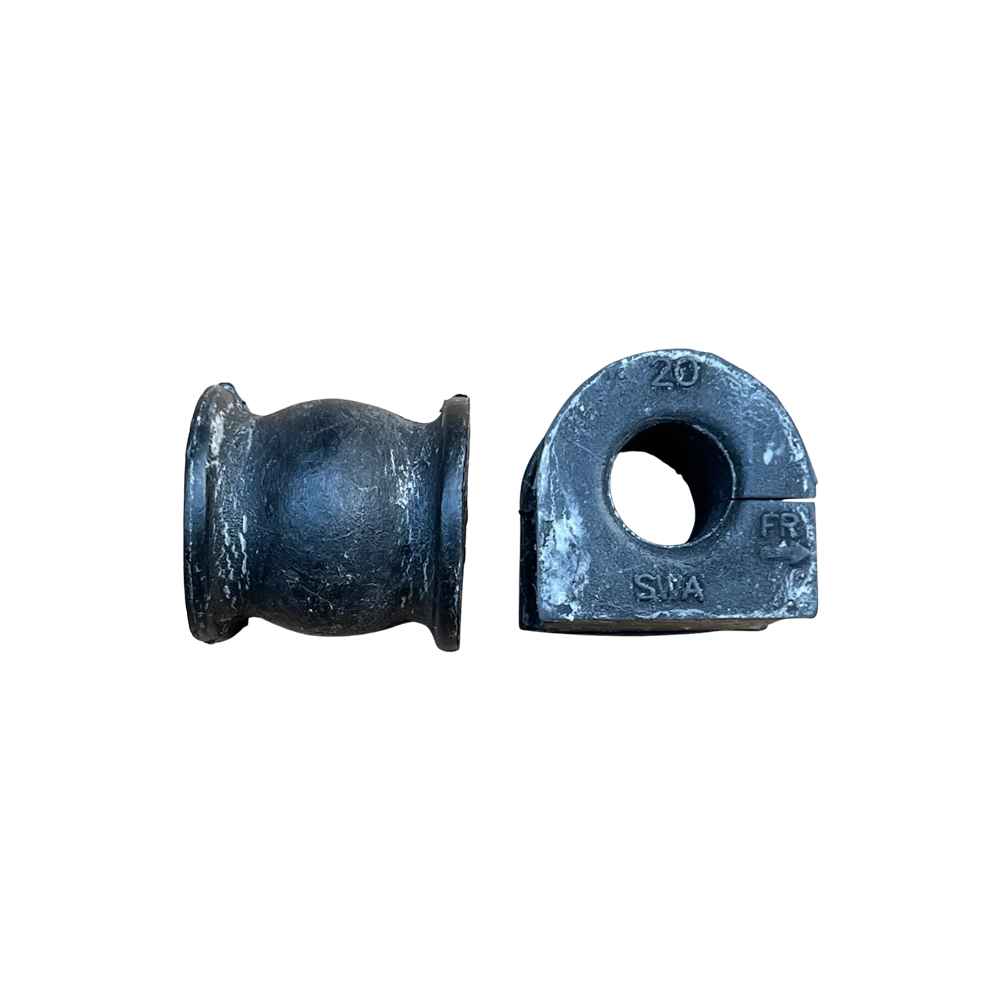
The Importance of Addressing Oil Seepage
Oil seepage and leakage are problems that many vehicle owners face, especially as their cars age. These issues can lead to significant engine damage if not addressed promptly. One of the most common culprits behind oil leaks is a faulty Valve Cover Gasket —a simple component that can cause extensive problems if it fails. In this discussion, we’ll explore advanced solutions for fixing oil seepage once and for all with high-quality valve cover seals.
Understanding Valve Cover Gaskets
The Valve Cover Gasket sits between the valve cover and the cylinder head, playing a crucial role in sealing the internal oil passages. When this gasket deteriorates due to heat or age, it results in oil leaking out of the engine, potentially causing a mess under the hood and on your driveway. It’s essential to recognize that even a small leak can lead to larger issues over time, including lower oil levels and decreased engine performance.
Signs of a Failing Valve Cover Gasket
- Visible oil leaks around the valve cover area
- Oil spots on the ground where the vehicle was parked
- Increased engine noise due to low oil levels
- Burnt oil smell, which indicates oil may be dripping onto hot engine components
Choosing Advanced Valve Cover Seals
When it comes to replacing a valve cover gasket, selecting an advanced seal is critical. Many products on the market offer varying degrees of quality, but investing in premium options ensures longevity and reliability. Look for valve cover seals made from durable materials such as rubber or silicone, designed to withstand extreme temperatures and pressures.
One notable brand to consider is Guanghua, known for its commitment to quality and performance. Their valve cover gaskets have been engineered to provide a robust seal, significantly reducing the likelihood of future leaks. These gaskets also come with specific features, such as enhanced flexibility and resistance to oil breakdown.
Installation Tips for Valve Cover Gaskets
Proper installation is just as vital as choosing the right product. Here are some tips to ensure you do it right:
- Clean the surfaces: Before installing the new gasket, make sure the valve cover and cylinder head surfaces are clean and free from old gasket material.
- Inspect for damages: Check for any cracks or deformities in the valve cover itself, as these can lead to leaks regardless of how good the gasket is.
- Tighten screws correctly: Follow the manufacturer’s specification for torque settings. Over-tightening can cause the gasket to fail prematurely.
Dealing with Other Common Leak Sources
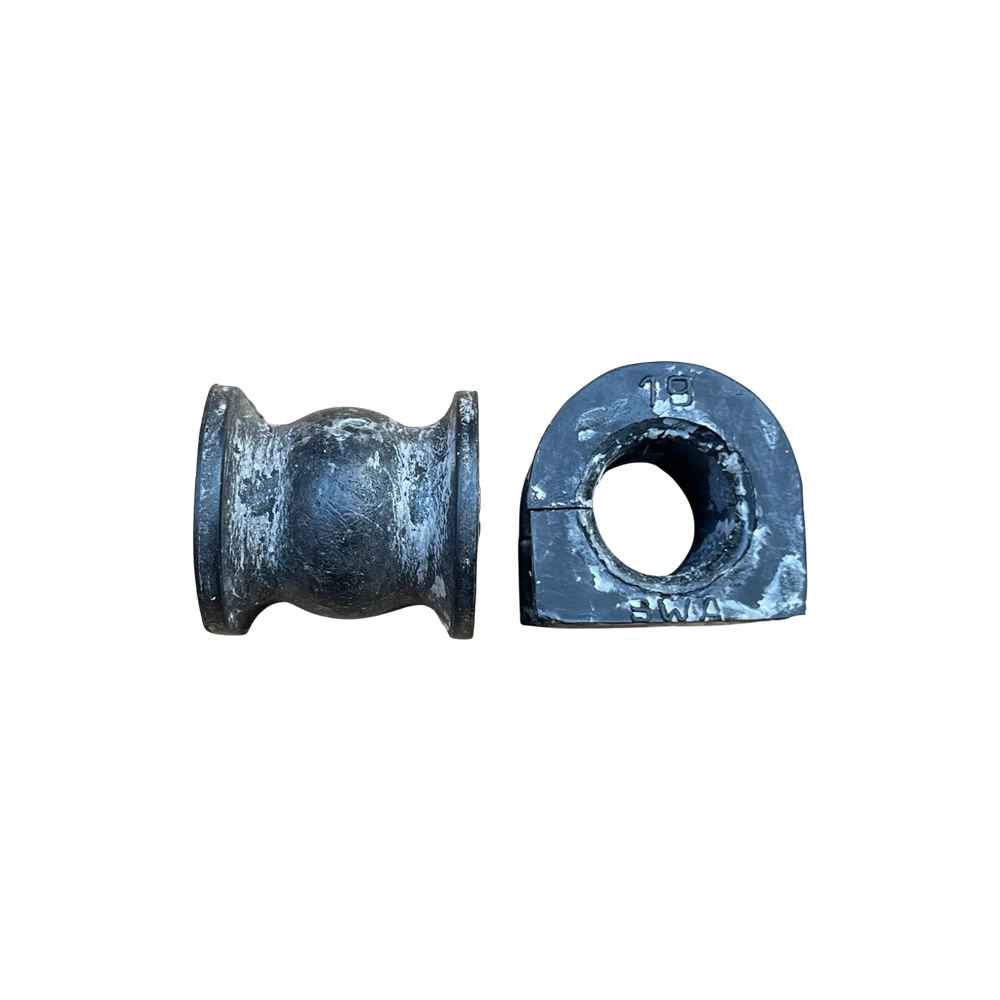
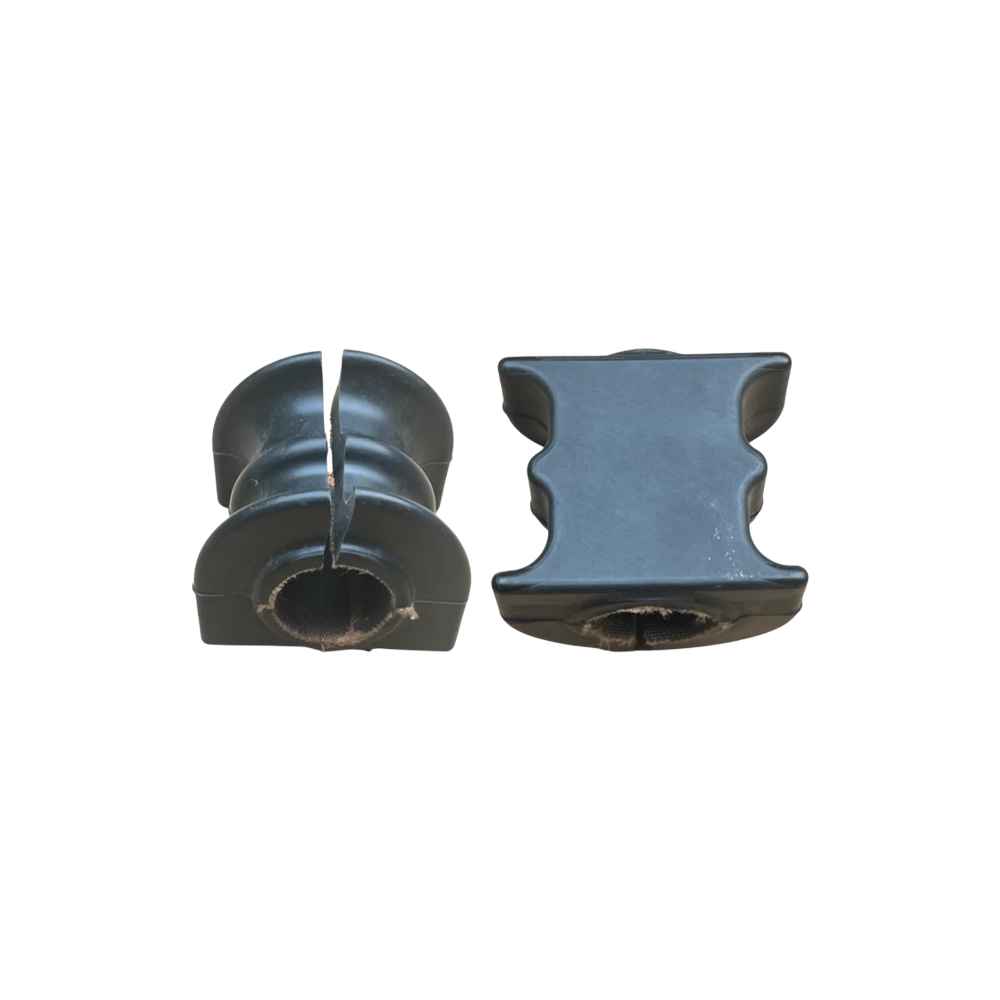
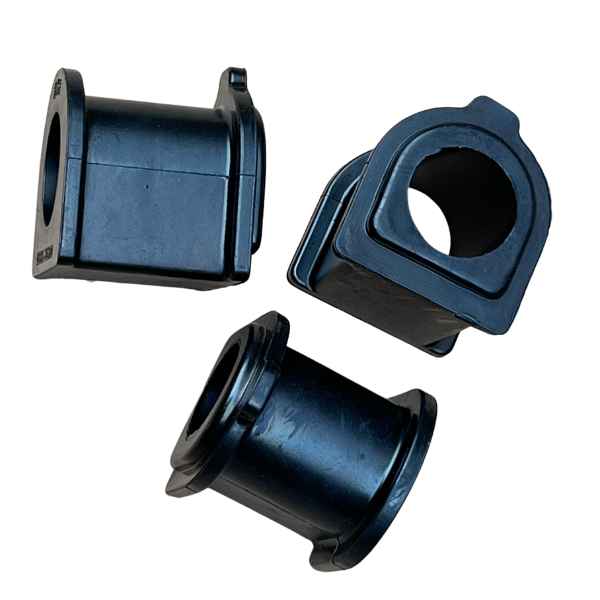
While the valve cover gasket is a frequent source of oil leaks, other components may contribute to oil seepage as well. For instance, CV Joint Boots, Steering Rack Boots, and Shock Absorber Boots can wear down over time, causing fluid loss. It's advisable to regularly inspect these parts and replace them as needed to prevent further complications.
Using O-Rings & Rubber Sealing Rings
In addition to the valve cover gasket, O-Rings and rubber sealing rings might be necessary for various connections within the engine. These seals work to prevent oil and fluid leaks throughout different engine components. Ensuring that these seals are intact can greatly enhance overall engine performance and reduce leaks.
Conclusion: A Comprehensive Approach
Addressing oil seepage and leakage issues requires a holistic approach. By understanding the importance of the valve cover gasket and investing in advanced solutions like those offered by Guanghua, vehicle owners can effectively tackle these pesky issues. Moreover, regular maintenance checks on other components like CV Joint Boots and Shock Absorber Boots will help catch potential problems before they escalate into more costly repairs.
Taking these proactive measures ensures that your vehicle remains in top shape, preventing not only oil leaks but also enhancing overall performance and longevity.