Understanding the Importance of CV Joint Boots
In the automotive world, rubber components play a crucial role in ensuring smooth operations. One of the most significant elements is the CV joint boot, which serves as a protective cover for the constant velocity joint. These boots are designed to keep grease in and contaminants out, ultimately prolonging the life of the joint itself. However, over time, exposure to heat, UV rays, and road debris can lead to cracking and aging of rubber materials.
Common Causes of Rubber Cracking
Rubber, while resilient, is not impervious to environmental factors. The common culprits that accelerate the aging process include:
- Heat Exposure: High temperatures can cause the rubber to harden and crack.
- UV Radiation: Prolonged sunlight exposure leads to brittleness.
- Contamination: Oil, grease, and dirt can degrade the rubber's integrity.
All these factors contribute to the eventual failure of CV Joint Boots , leading to costly repairs if not addressed promptly.

Advanced Solutions for OEM and Aftermarket Parts
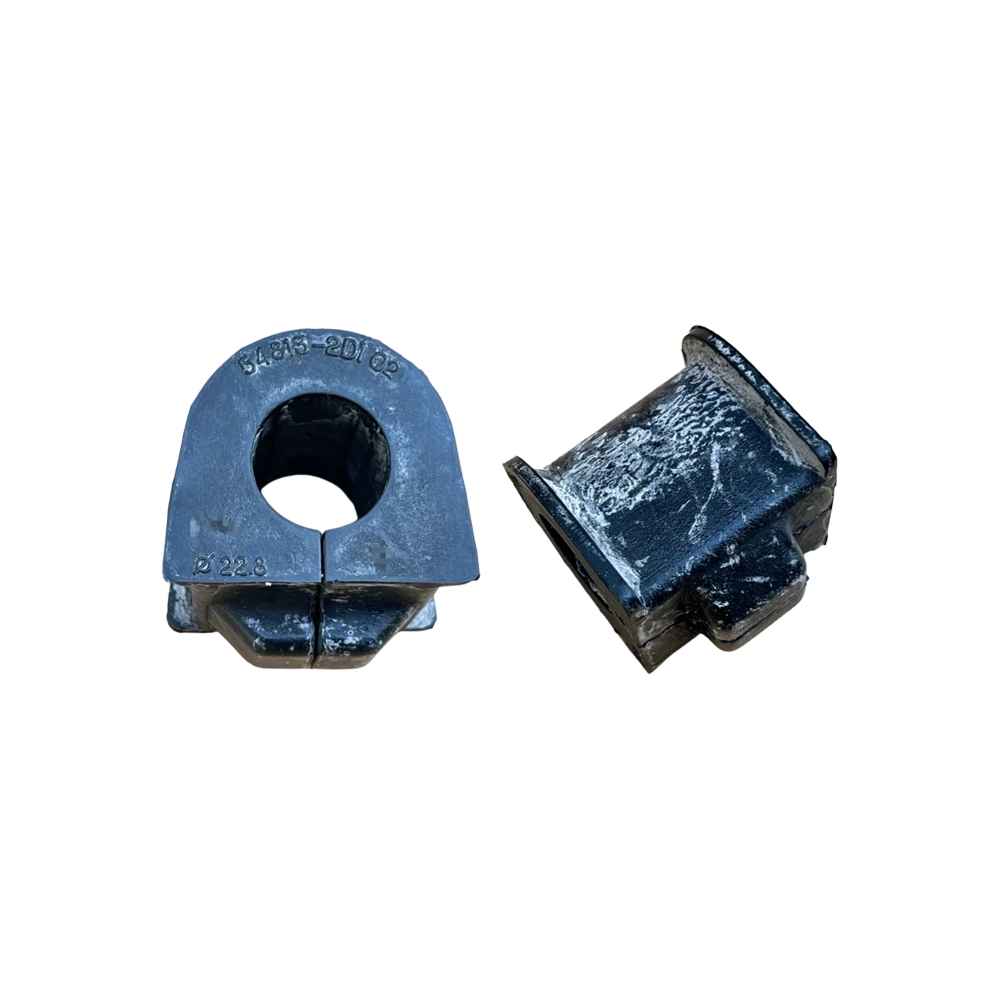
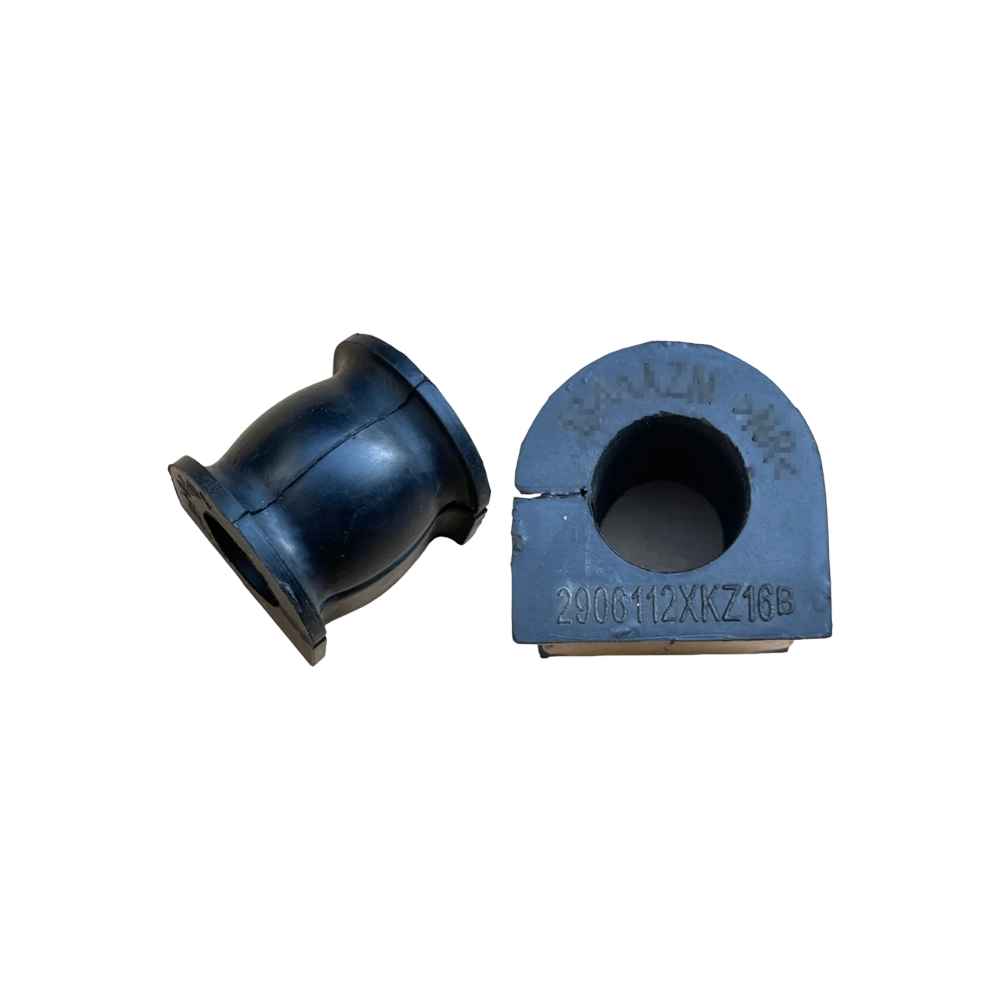
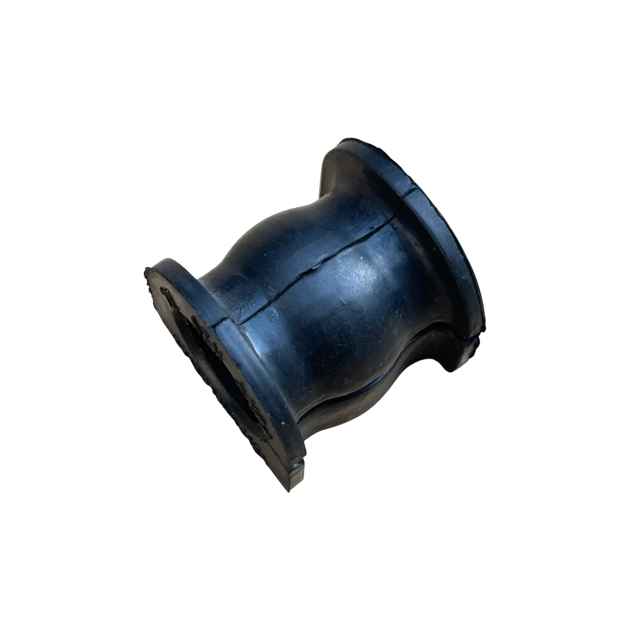
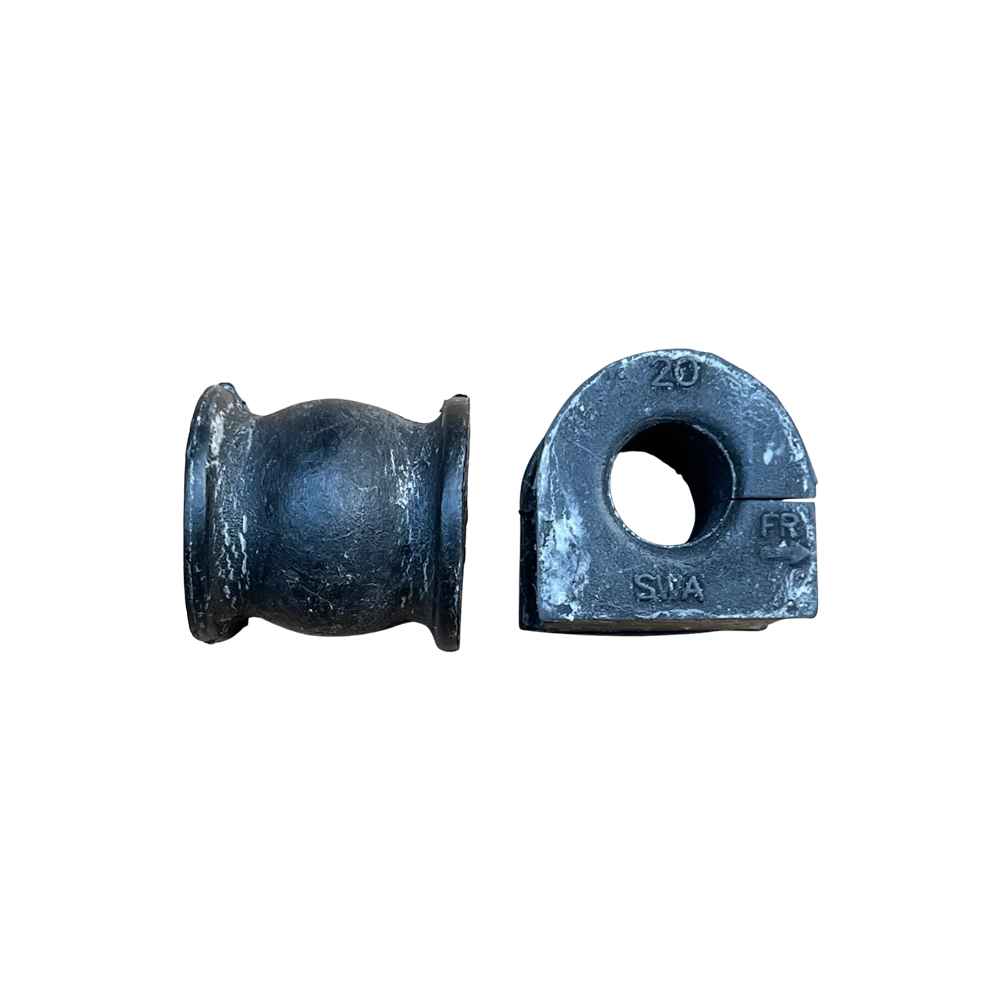
To tackle the issue of rubber cracking and aging, advanced solutions are now available in both OEM and aftermarket parts. Brands like Guanghua have developed innovative materials and designs that enhance the durability of CV Joint Boots .
Material Innovations
Modern CV joint boots often utilize synthetic rubber compounds that offer improved resistance to environmental stresses. These materials are formulated to withstand extreme temperatures and resist UV degradation better than traditional rubber. For instance, some products incorporate additives that enhance flexibility and strength, allowing them to bend and stretch without compromising their structural integrity.
Design Improvements
Alongside material enhancements, manufacturers have revamped the design of CV joint boots. Many now feature reinforced seams and shapes that provide better fitment and flexibility. This attention to detail minimizes the chances of wear and tear that typically occurs at high-stress points.
Proper Installation Techniques
Even the best-quality CV joint boot won’t perform well if installed incorrectly. Proper techniques are essential for ensuring longevity and reliability. Here are some tips:
- Clean the Area: Before installing new boots, ensure that the joint and surrounding area are free from dirt and debris.
- Use Quality Grease: Always use grease recommended by the manufacturer to fill the boot. This helps maintain optimal performance.
- Check for Damage: Inspect other related components like Steering Rack Boots and Shock Absorber Boots for any signs of wear.
By following these installation practices, one can significantly extend the lifespan of CV joint boots and related components.
Signs You Need Replacement
Being proactive about maintenance is key to avoiding more extensive damage down the line. Some signs that your CV joint boots may need replacement include:
- Visible cracks or tears in the rubber.
- Grease leaking onto the ground beneath your vehicle.
- Noisy operation, particularly during turns.
If any of these symptoms appear, it's usually best to act quickly to prevent further issues.
Aftermarket vs. OEM Parts
When it comes to replacing CV joint boots, choosing between OEM and aftermarket options can be a daunting task. While OEM parts guarantee a precise fit and often come with a warranty, aftermarket solutions like those offered by Guanghua may provide enhanced features at a lower cost.
Ultimately, the decision should depend on individual preferences, budget, and the specific requirements of the vehicle. It's worth noting that many aftermarket brands carry a reputation for high-quality products that rival OEM standards.
Conclusion: Ensuring Long-Term Performance
In conclusion, addressing rubber cracking and aging in CV joint boots requires a multi-faceted approach involving material innovation, proper installation, and timely replacement. Whether you opt for OEM parts or choose to explore superior aftermarket alternatives, investing in quality will ensure the long-term performance of your vehicle. Remember, maintaining the health of your CV joints and associated components is not just about prevention; it's about enhancing overall driving experience.