
Understanding Rubber Cracking and Aging
Ah, the joys of engine maintenance! One common issue that creeps up on us is the rubber cracking and aging around the cylinder head. Over time, these components can deteriorate due to heat, oil exposure, and just plain old wear and tear. This not only impacts performance but can lead to costly leaks if not handled promptly.
Why Do Rubber Components Age?
So, why does rubber go from being all vibrant and functional to a sad, cracked piece of material? Well, factors like temperature fluctuations and exposure to various substances can accelerate aging. For instance, oils and chemicals in the engine environment can degrade rubber seals, making them brittle over time. It's almost like watching your favorite snack gradually lose its crunch, except this time it affects your engine!
Advanced Oil Leak Prevention Solutions
When it comes to fixing rubber cracking and enhancing longevity, proactive measures are key. Here’s where advanced sealing solutions come into play. You don’t want to be in a situation where you’re scrambling for a fix at the auto shop, trust me.
Choosing the Right Products
Products like O-Rings & Rubber Sealing Rings are essential. These little heroes can provide a robust barrier against leaks. They fit snugly in their designated spots, preventing unwanted oil from seeping through problematic areas. You might also consider something like a Valve Cover Gasket for that extra layer of protection; it can really save your engine from wearing down prematurely.
Specialized Sealants
Don't underestimate the power of specialized sealants either. Brands like Guanghua offer formulations specifically designed to withstand the harsh conditions within an engine. These sealants help in not only sealing surfaces effectively but also in adhering to aged or cracked rubber, extending its life significantly.
Maintenance Tips to Extend Rubber Lifespan
Let’s not forget about regular maintenance. Ignoring those rubber components isn’t an option if you want your engine running smoothly. Here are some quick tips:
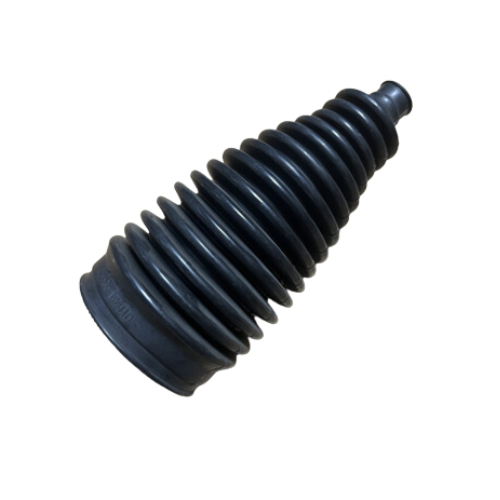
- Regular Inspections: Check the state of your CV Joint Boots and Steering Rack Boots during regular service intervals.
- Cleaning: Keep using oil-soaked rags to clean any dirt and grime that could speed up deterioration.
- Temperature Control: Try to minimize extreme temperature exposure when possible; park your car in shaded areas.
Identifying Early Signs of Wear
If you know what to look for, you can catch issues before they become major headaches. Look out for:
- Visible cracks or splits in the rubber.
- Unusual engine noises that weren't there before.
- Oil spots under your vehicle that hint at leaking seals.
By keeping an eye on these signs, you'll save yourself both time and money in the long run.
Timing is Everything
Now, let's chat about timing. If you notice a leak, address it ASAP! Leaving it for “later” can lead to bigger problems. If you let that oil seep, it might mess with your Shock Absorber Boots or even your Stabilizer Bar Bushings over time.
Long-Term Benefits of Proper Sealing
Investing in quality sealing solutions pays off immensely. It’s like buying insurance for your engine. Proper installation of the right gaskets and seals ensures that your performance remains top-notch while minimizing the risk of breakdowns.
Conclusion: Be Proactive, Not Reactive
So, the takeaway? Be proactive. Address those rubber components and invest in good products that offer robust support. A little attention goes a long way in maintaining the health of your engine. Trust me; you’ll thank yourself later when you’re not dealing with an oil leak fiasco!







