Understanding Sway Bars and NVH
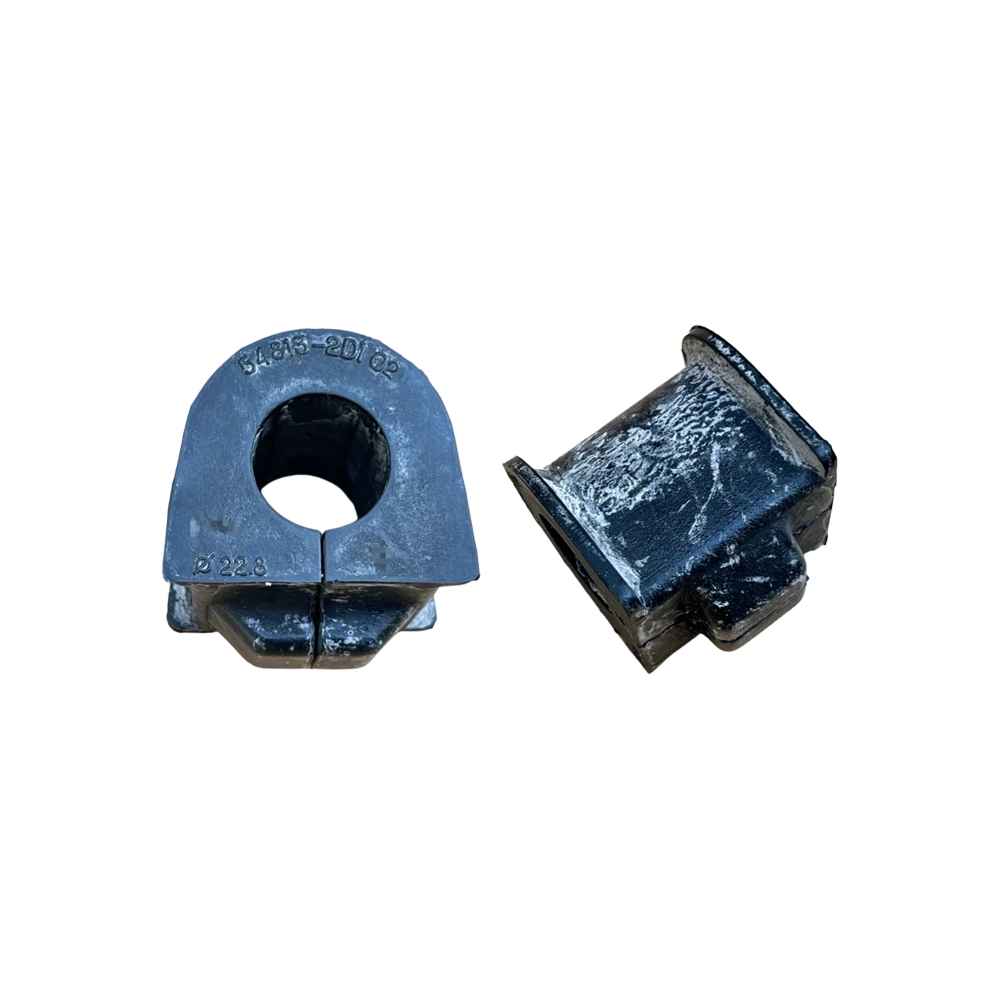
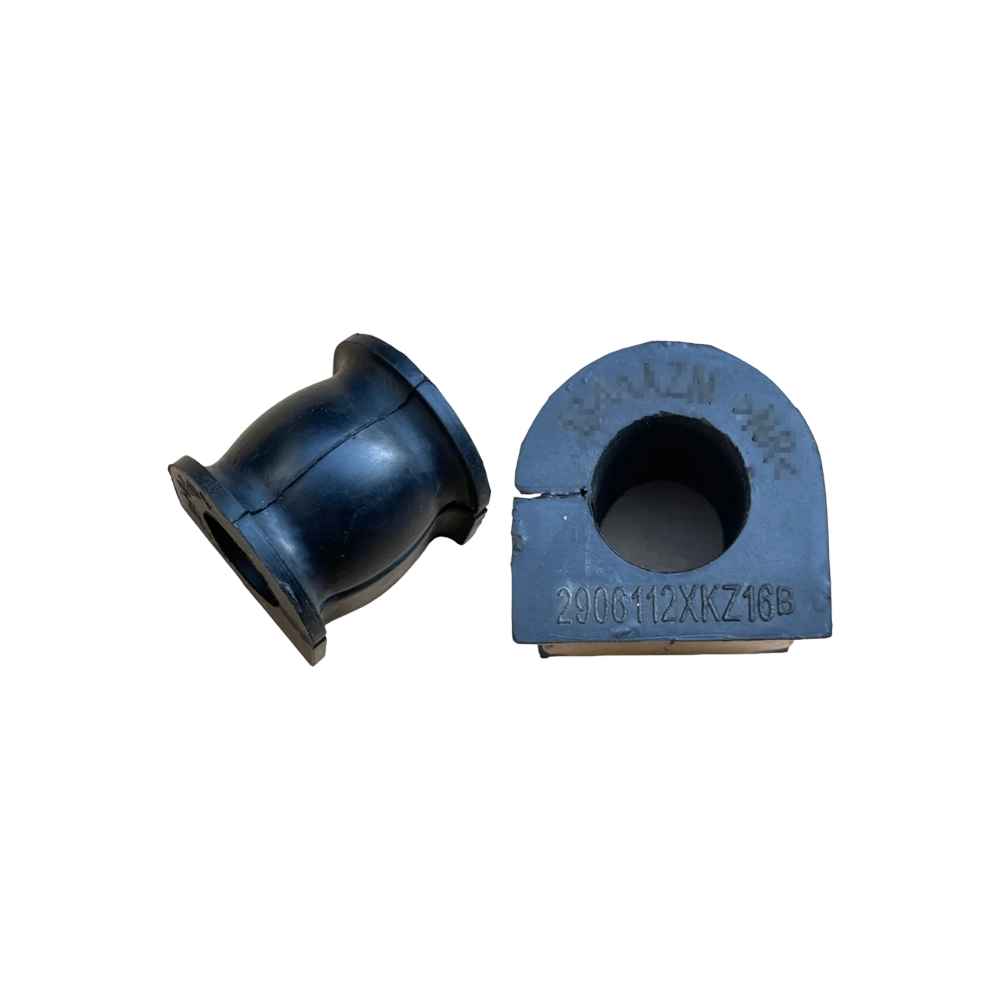
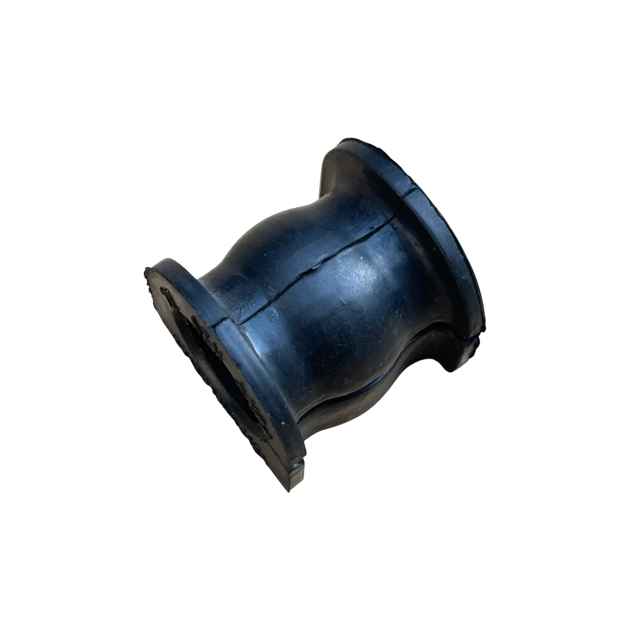
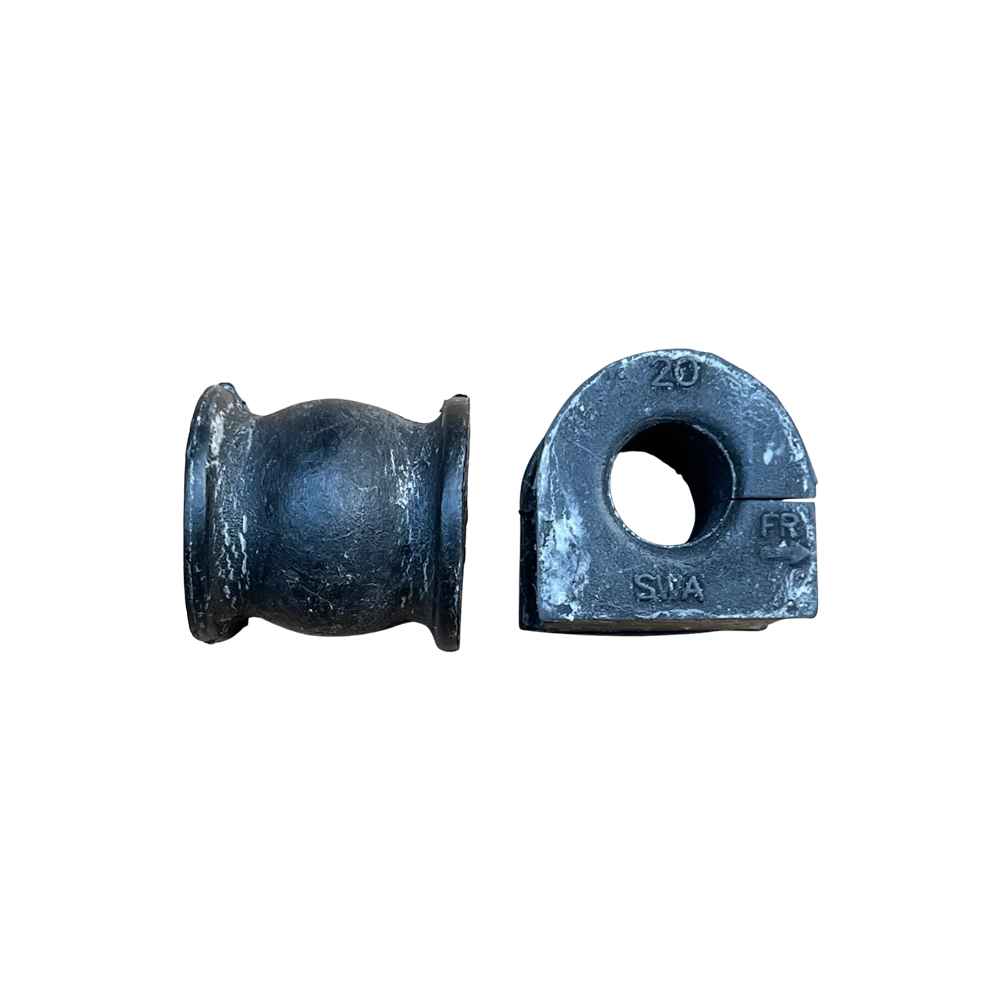
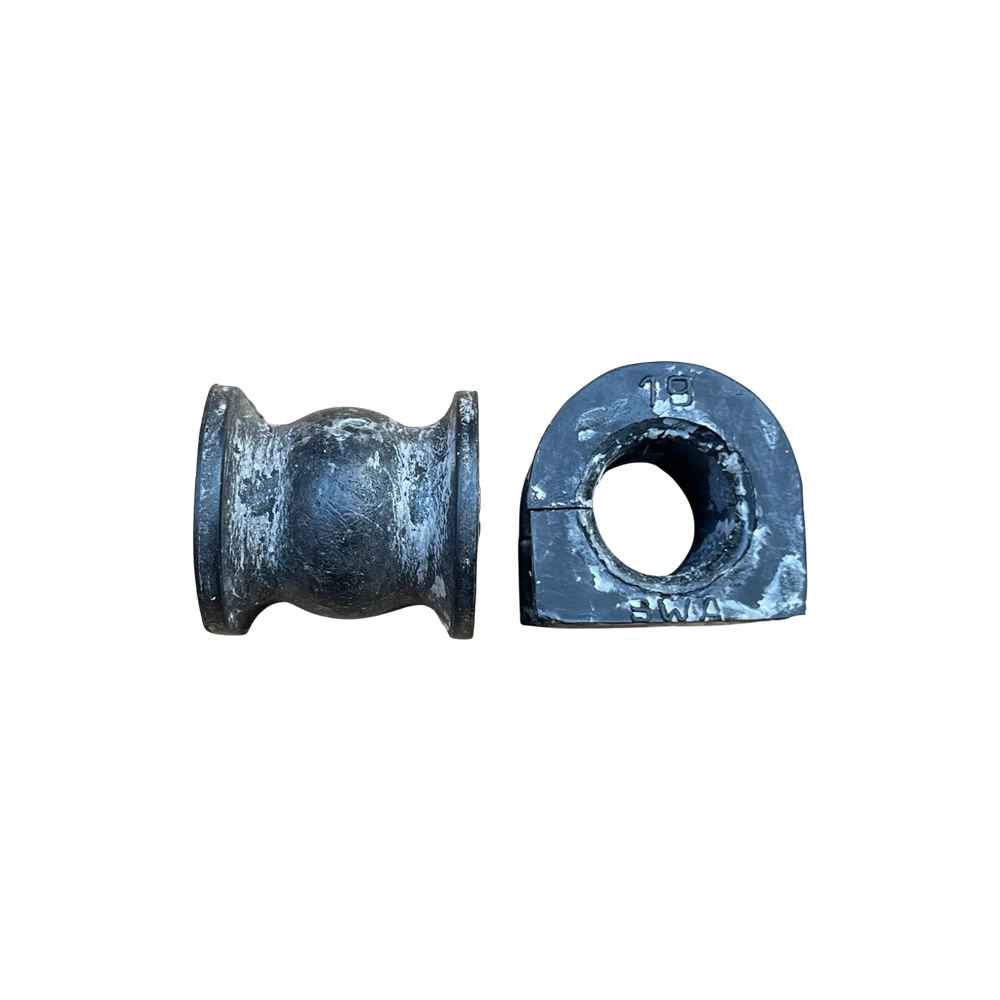
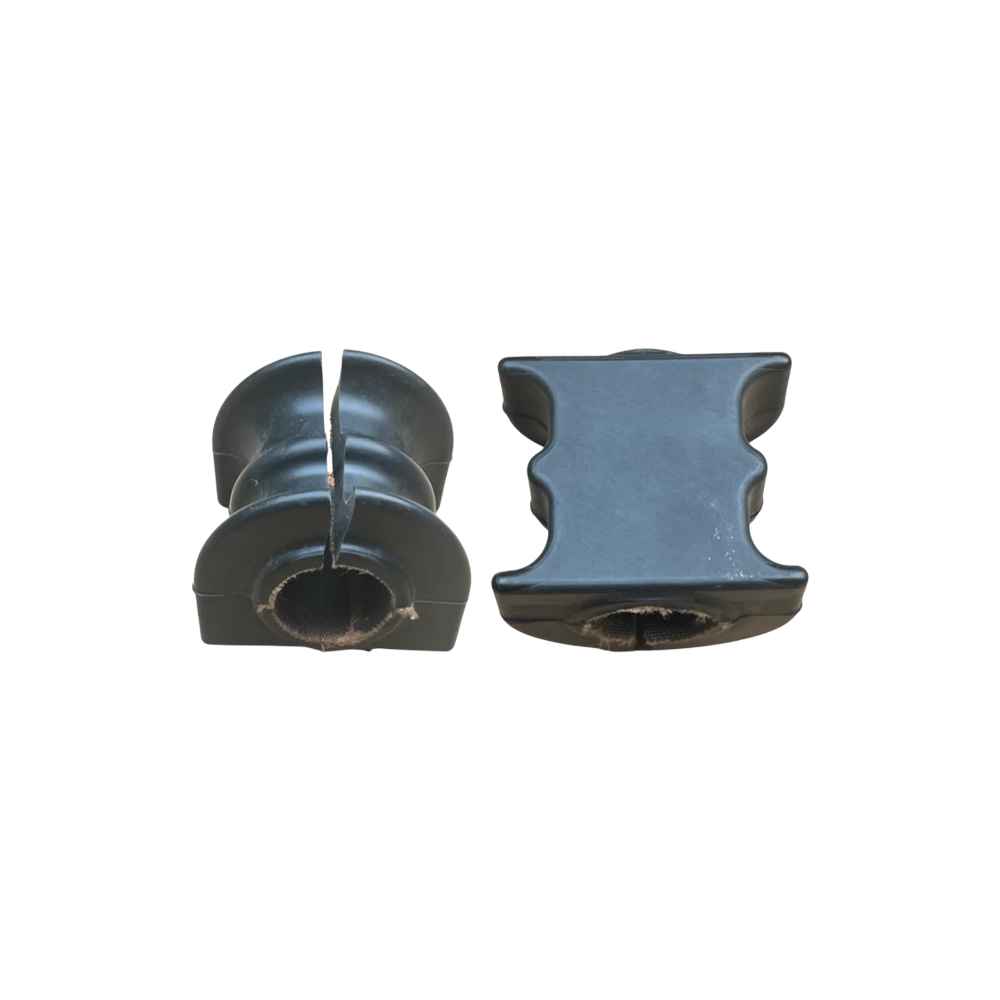
When it comes to vehicle dynamics, sway bars play a crucial role. These components help in stabilizing the car during turns by reducing body roll. But, the nuances of how they work—front vs rear sway bars—can significantly impact things like performance and even NVH (noise, vibration, and harshness) levels.
The Basics: Front vs Rear Sway Bars
Front sway bars are predominantly designed to manage understeer while rear sway bars tackle oversteer. This essentially means that if you’re navigating sharp corners, a front sway bar is aimed at keeping the car’s front end stable. Conversely, rear sway bars provide greater control at the back, which is especially useful in sporty driving situations.
- Front Sway Bar: Helps reduce excessive body roll during cornering, promoting better steering response.
- Rear Sway Bar: Offers balance to the rear end, allowing for more predictable handling characteristics.
NVH Reduction: The Overlooked Aspect
Now, let’s shift gears a bit and talk about NVH reduction. You might think of NVH as just an annoyance when driving, but it can actually affect your overall driving experience. A well-designed suspension system, including strategically placed sway bars, can minimize unwanted vibrations and noise.
Performance Implications
In terms of performance, it’s essential to strike a balance between stiffness and comfort. Stiffer sway bars can enhance handling but may increase NVH levels. If you’ve ever driven a car with a heavy-duty sway bar setup, you might have noticed that while it corners like a champ, the ride can feel a bit harsher. Just something to consider if you're seeking that sweet spot between handling and comfort!
Durability Considerations
Durability is another key factor when comparing front and rear sway bars. Generally, sway bars made from high-quality materials—like those from Guanghua—tend to last longer. You want to ensure that the sway bar doesn’t wear out prematurely, which can lead to costly repairs down the line.
Cost Analysis
Cost is often a deal-maker or breaker for many folks. Front sway bars typically cost less than rear ones, mainly due to their simpler design and structure. However, the installation and potential alignment costs should also be taken into account. Sometimes, spending a little more upfront can save you cash in the long run, especially if you’re looking at after-market enhancements that can boost your vehicle's performance.
- Cost of Front Sway Bars: Usually lower; easier to install.
- Cost of Rear Sway Bars: Generally higher; might require more labor.
Real-World Applications
So, how do these differences manifest in real-world scenarios? Let’s say you’re driving on a winding mountain road. A well-tuned front sway bar can significantly improve your ability to navigate tight bends without feeling like you're going to tip over. On the flip side, if you find yourself taking a sudden turn, a robust rear sway bar can prevent that dreaded tail slide.
Balancing Act for Enthusiasts
If you’re an automotive enthusiast, striking the right balance between performance and comfort is key. Some drivers opt for adjustable sway bars, giving them the flexibility to tweak settings based on their mood or driving conditions. This way, you can enjoy a tighter ride during spirited outings and dial it back when cruising on the highway.
Final Thoughts on Sway Bars and NVH
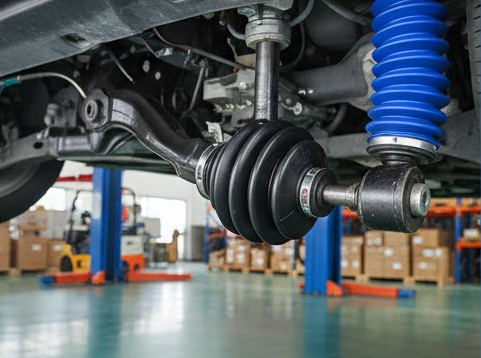
Choosing between front and rear sway bars, particularly in relation to NVH reduction, requires careful consideration. Performance, durability, and cost all come into play. Whether you're aiming for that racing-inspired setup or just looking to enhance your daily drive, understanding these components and their interplay can take your driving experience to the next level. Just remember, sometimes a simple change like upgrading your O-Rings & Rubber Sealing Rings or checking your Valve Cover Gasket can make all the difference in how everything functions together!