Understanding the Importance of Sway Bars
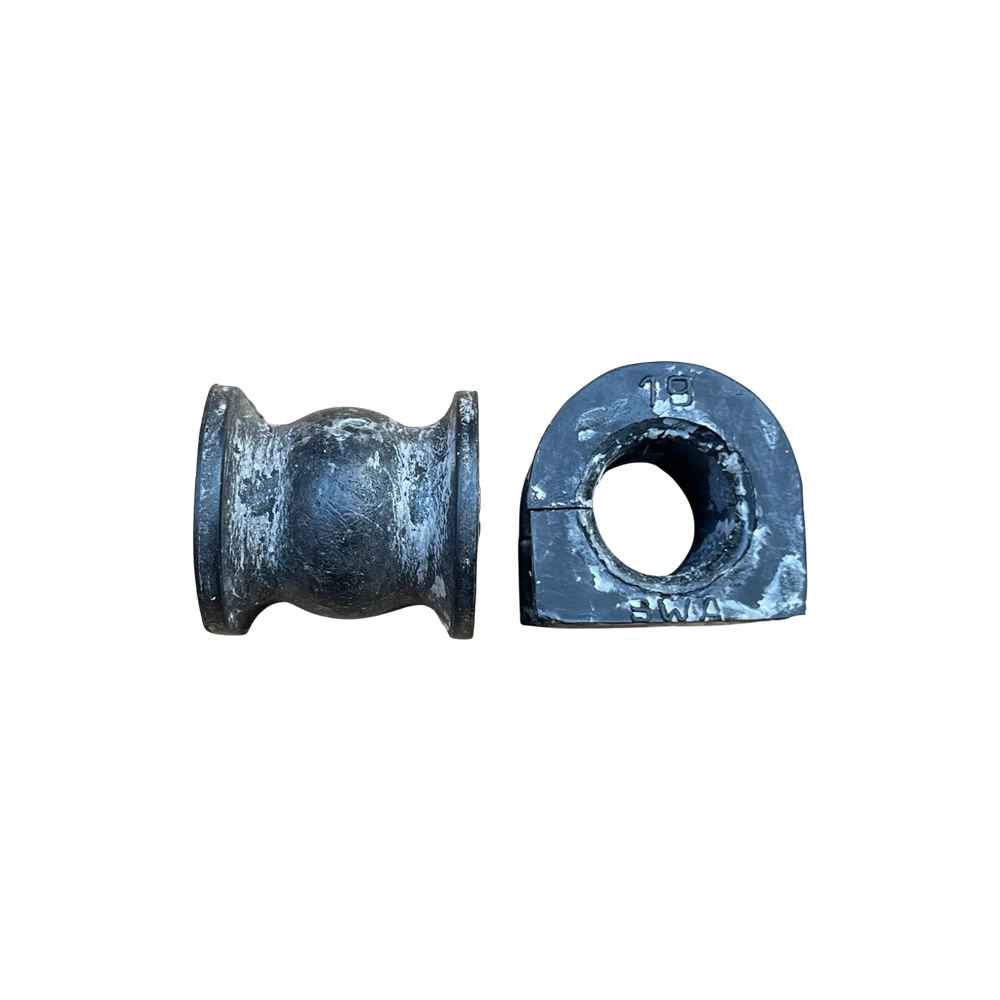
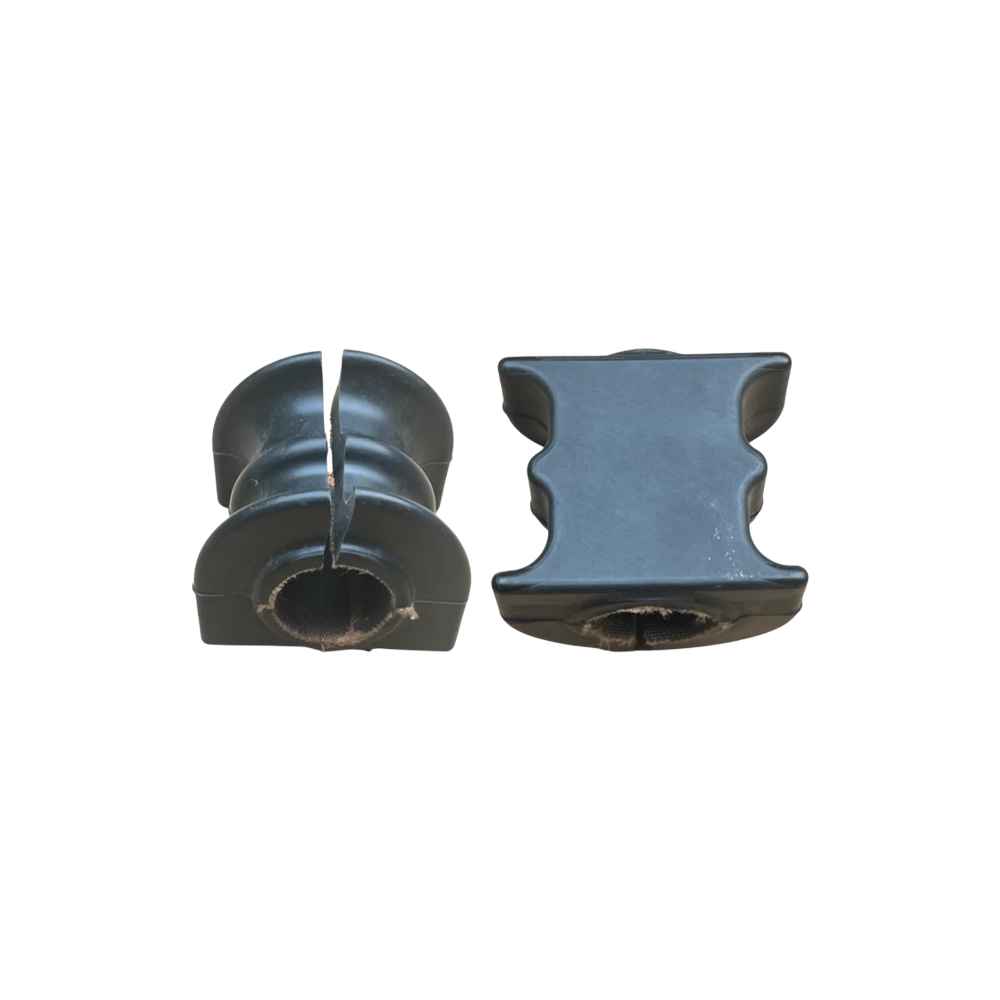
Ever wondered what keeps your fleet’s vehicles steady on those sharp turns? It’s not magic. It's physics, and specifically, the role of sway bars. Front and rear sway bars are crucial components that enhance vehicle stability, ensuring that commercial fleets can tackle any road conditions with confidence.
The Dynamics of Sway Bars
Let's break it down. A sway bar, or anti-roll bar, minimizes body roll during cornering. When a vehicle turns, the weight shifts towards the outside tires. This is where front sway bars come into play by distributing weight evenly, preventing excessive roll. But don't underestimate rear sway bars—they provide balance and ensure even distribution across both axles.
For a real-world example, consider a commercial fleet that operates delivery trucks. One fleet manager noticed a 20% improvement in response times after upgrading to high-performance sway bars from Guanghua. The enhanced handling was particularly evident when navigating tight urban environments.
Sourcing the Right Components
Sourcing is an art form. Where do you begin? Start with understanding your needs. What terrain does your fleet navigate? What type of load do they carry? These factors determine whether you need heavy-duty sway bars or standard ones. The right choice can lead to significant returns on investment through reduced maintenance costs and improved vehicle longevity.
- Evaluate Performance: Not all sway bars are created equal. Look for options that offer adjustable stiffness.
- Material Matters: Opt for lightweight but durable materials like high-carbon steel for better performance.
- Partner with Experts: Engage with suppliers who understand the nuances of commercial vehicle dynamics.
Common Pitfalls in Fleet Maintenance
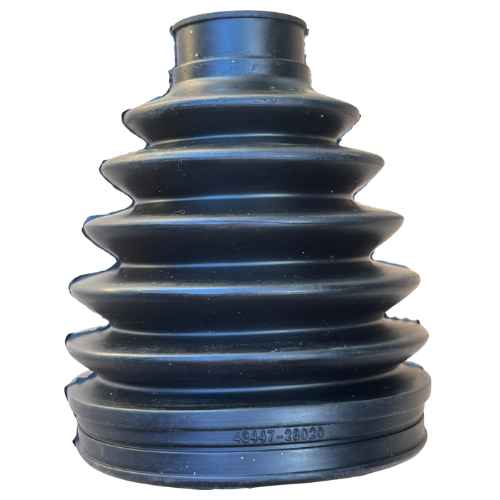
Many fleet managers overlook the small components that make a huge difference. Yes, I’m talking about CV Joint Boots and Steering Rack Boots . They might seem trivial, but worn boots allow dirt and moisture to enter joints, leading to premature failures. How frustrating is that?
Balancing Cost and Quality
It’s a delicate dance. You want to cut costs, but not at the expense of quality. Consider this: a poorly manufactured shock absorber boot can lead to extensive damage over time. Investing in reliable parts, such as O-Rings & Rubber Sealing Rings , can save significant money in the long run.
A Case for Upgrading
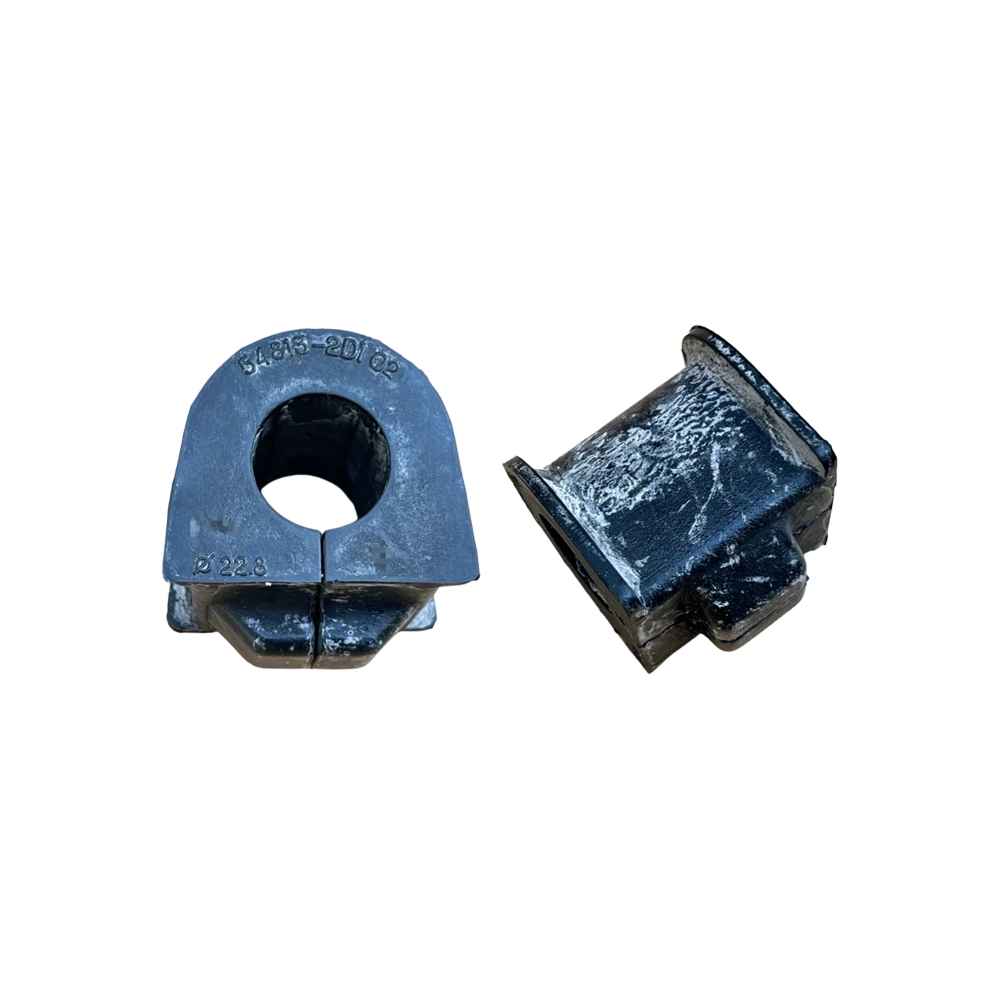
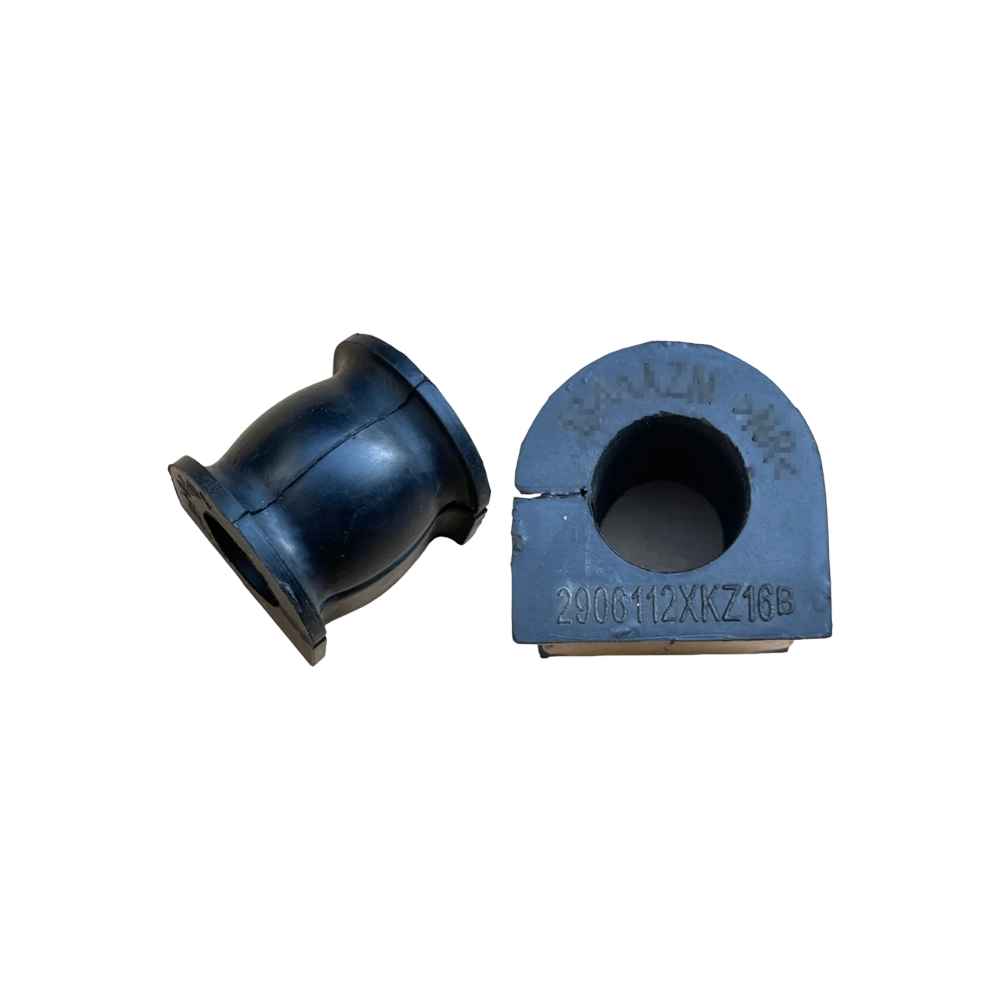
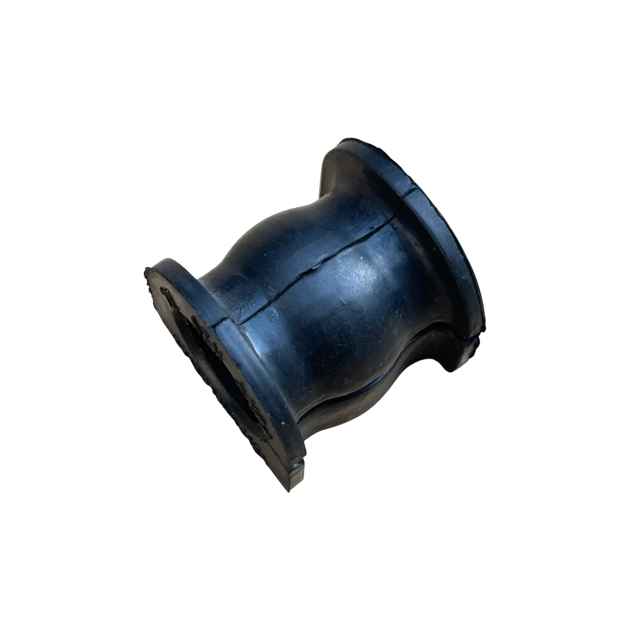
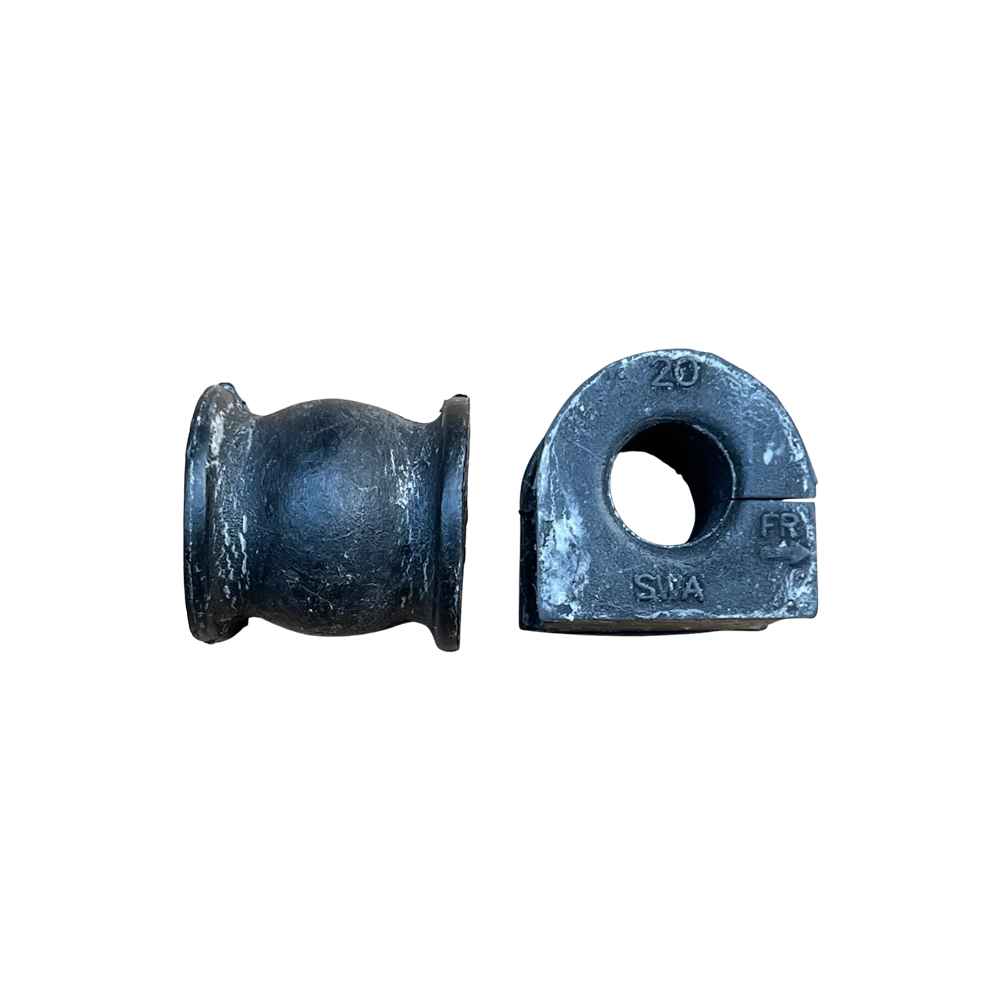
In one compelling case study, a logistics company upgraded their entire fleet's suspension system, including stabilizer bar bushings and valve cover gaskets. Their fuel efficiency improved by 15%, and vehicle downtime decreased significantly. Imagine the savings!
Final Thoughts on Strategic Partnerships
Finding a contract manufacturing partner who understands these intricacies can elevate your fleet maintenance strategy. Choose wisely. The right partner should provide not only quality parts but also insights into emerging technologies and practices in the industry.
Looking Ahead
As the automotive landscape continues to evolve, so too will the demands placed on commercial fleets. Integrating advanced technologies such as telematics and predictive maintenance can amplify the benefits gained from investing in crucial components like sway bars. So, what’s stopping you from making the leap?