Understanding Sway Bars in Fleet Maintenance
Sway bars, also known as stabilizer bars, play a crucial role in enhancing vehicle stability, particularly in commercial fleets. These components are engineered to minimize body roll during cornering, thereby improving handling and safety. For fleet managers, grasping the importance of sway bars can lead to more informed decisions regarding maintenance and procurement.
The Mechanics Behind Sway Bars
Typically installed in pairs on the front and rear axles, sway bars consist of a solid metal rod that connects opposite wheels. When one wheel experiences compression due to uneven surfaces or turns, the bar twists, transferring some of that force to the opposite wheel. This design not only stabilizes the vehicle but also contributes to tire longevity by promoting even wear.
Benefits of Upgrading Sway Bars
- Improved Handling: Enhanced cornering performance allows for safer navigation through tight turns and sudden maneuvers.
- Increased Safety: Reduced body roll leads to better traction and control, essential for maintaining safety in commercial applications.
- Enhanced Comfort: Passengers experience a smoother ride, which is particularly important for vehicles used in passenger transport.
Importance of Quality Parts
When sourcing sway bars, opting for parts manufactured by TS16949/ISO certified manufacturers ensures adherence to quality standards. Such certifications indicate that the manufacturer has implemented rigorous quality management systems, thereby reducing the risk of premature wear and failure.
Selecting the Right Manufacturer
Considering how pivotal sway bars are to vehicle dynamics, choosing the right supplier becomes paramount. Look for brands like Guanghua, known for producing durable and reliable components. They typically provide comprehensive technical support, ensuring that you have access to expert advice when making your selections.

Complementary Components in Suspension Systems
In addition to sway bars, several other components contribute to the overall effectiveness of a vehicle's suspension system. Items such as Shock Absorber Boots and Steering Rack Boots are integral, as they protect critical parts from dirt and debris, thereby extending their lifespan.
Maintenance Tips for Optimal Performance
- Regular Inspections: Periodic checks of sway bars and associated bushings can help identify potential issues before they escalate.
- Utilize Quality Seals: Incorporating O-Rings & Rubber Sealing Rings during maintenance prevents fluid leaks, which can compromise suspension integrity.
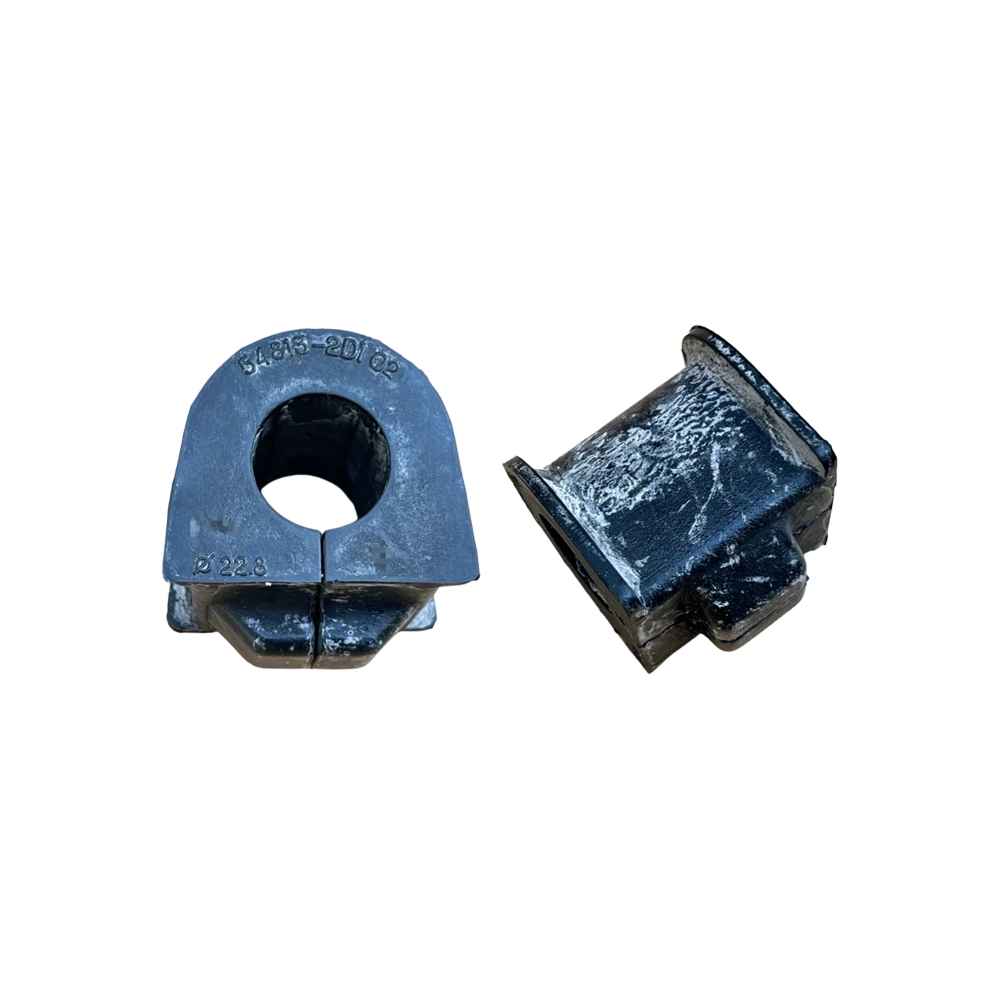
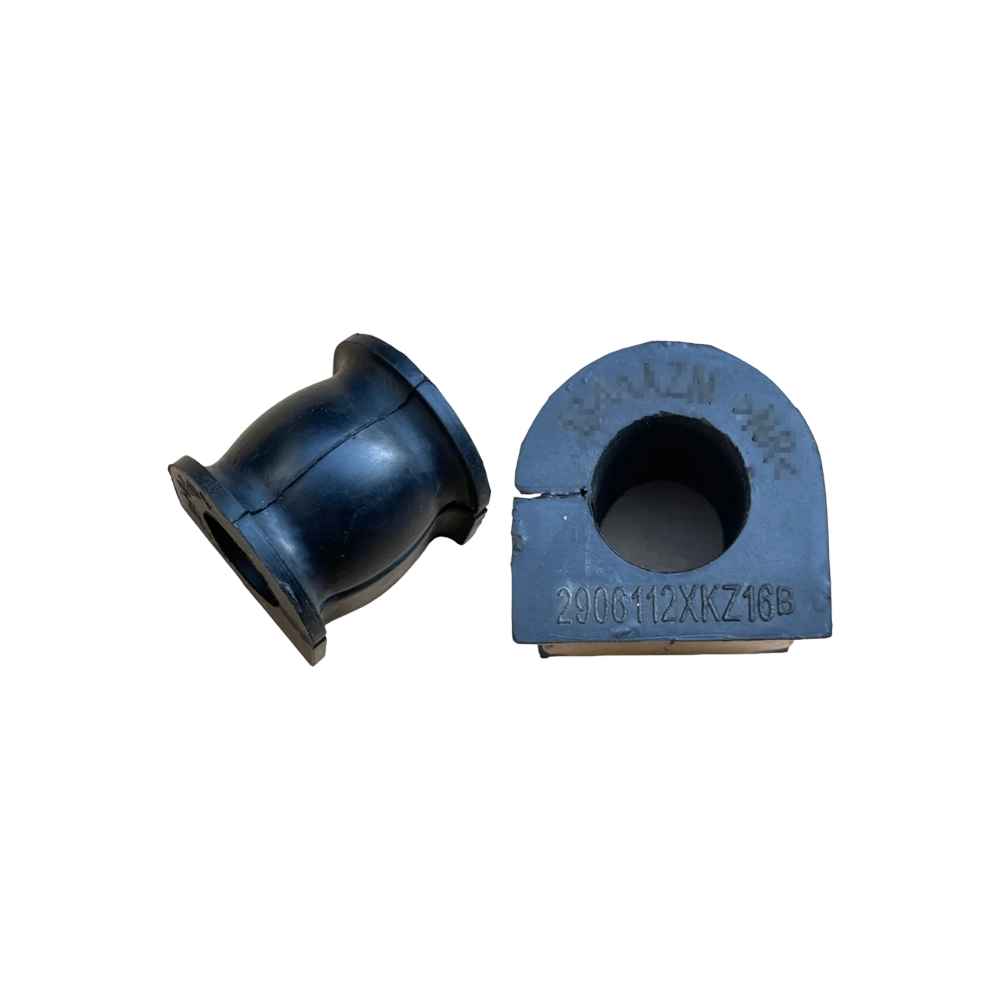
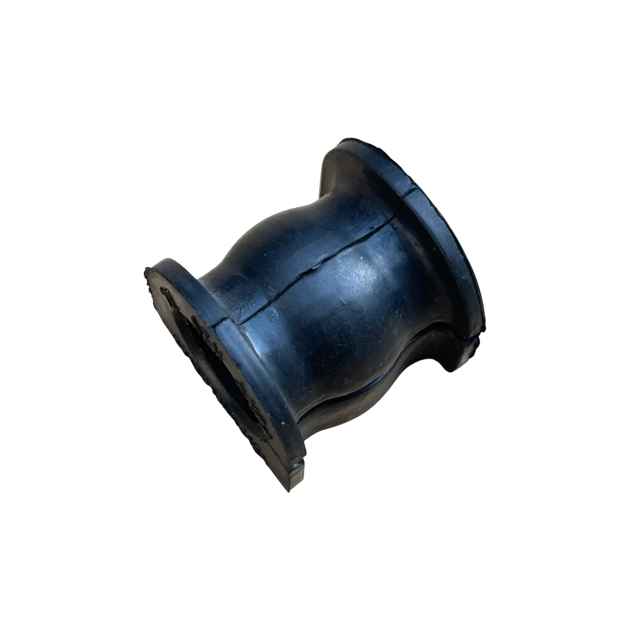
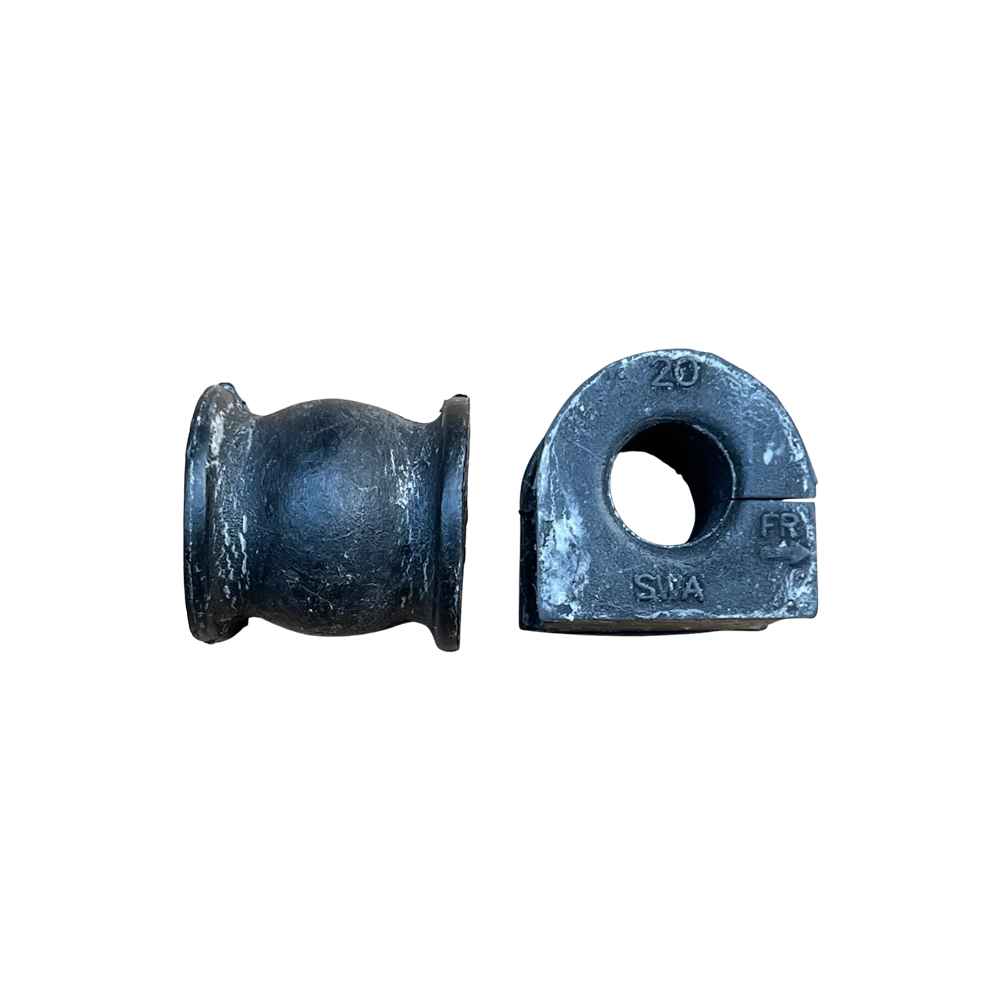
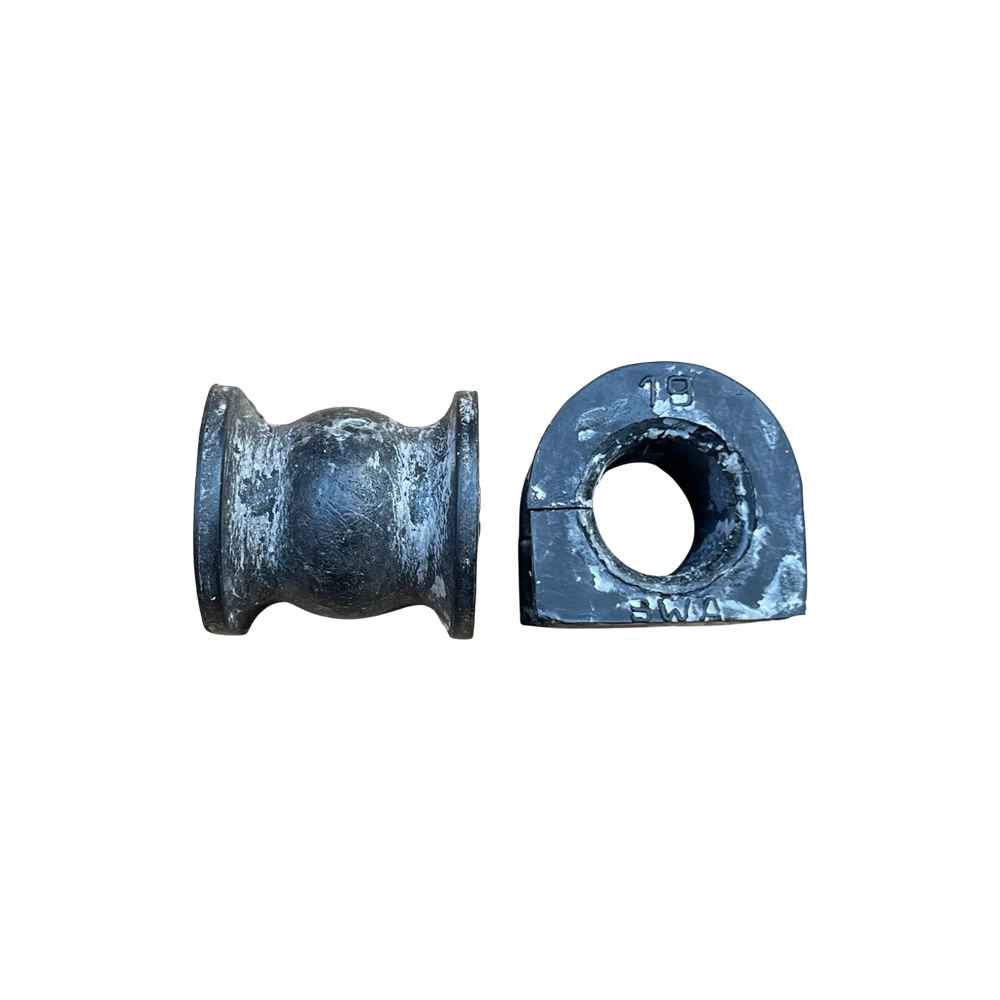
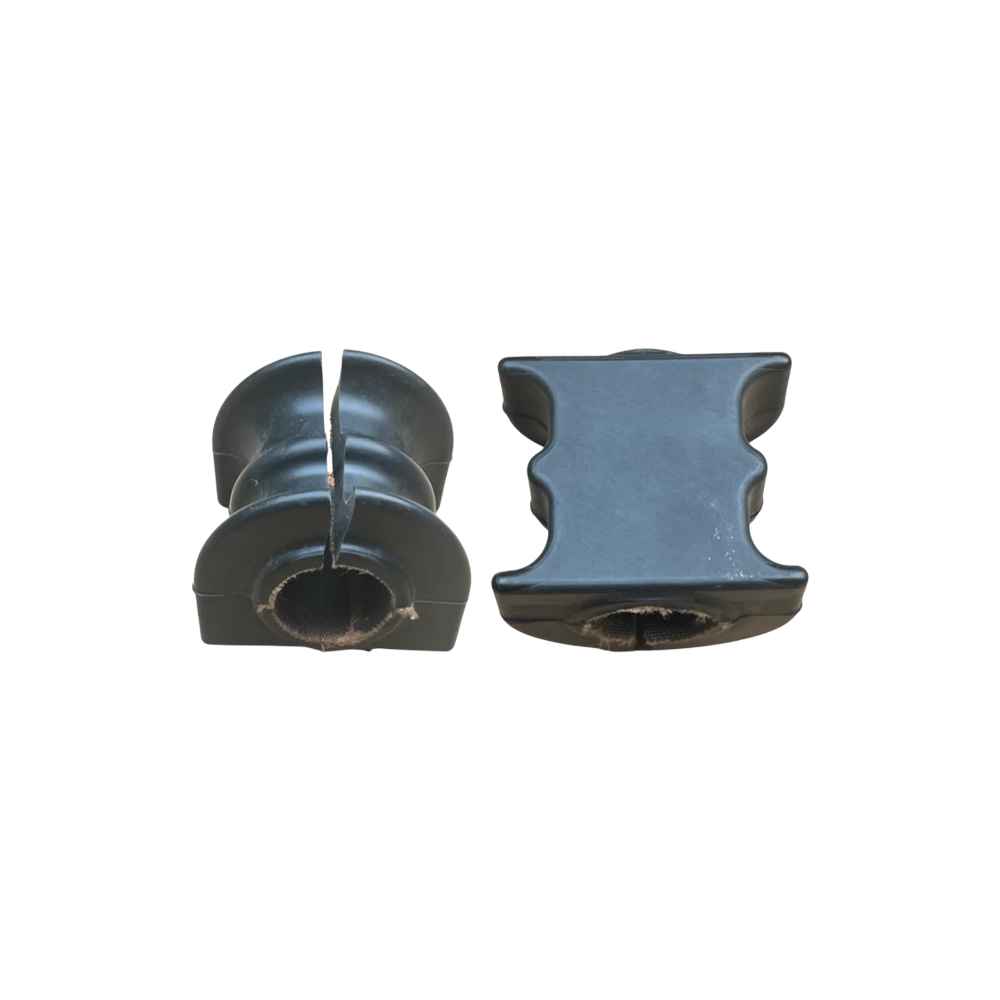
- Replace Worn Components: Addressing worn stabilizer bar bushings promptly can mitigate further damage to suspension systems.
Cost Considerations in Fleet Management
Investing in high-quality sway bars, along with other vital suspension components, may seem costly initially. However, the long-term benefits—such as reduced maintenance costs and enhanced vehicle performance—often outweigh the initial expenditure. Additionally, maintaining an efficient fleet can lower operational costs significantly over time.
Long-Term Benefits of Quality Sourcing
By prioritizing parts sourced from reputable manufacturers, fleet managers can significantly affect their operational efficiency. Moreover, the longevity of components such as CV joint boots and valve cover gaskets can lead to less frequent replacements, ultimately resulting in cost savings.
Conclusion: Enhancing Fleet Reliability
Fleet maintenance requires a strategic approach to sourcing parts that promote vehicle reliability and performance. By understanding the functions of sway bars and related components, fleet managers can make informed choices that enhance their operations. From improved safety to increased comfort, the advantages of investing in high-quality parts resonate throughout the entire fleet lifecycle.