The Evolution of Hydraulic Steering Systems
In the highly competitive global automotive aftermarket (IAM), hydraulic steering systems have become a pivotal component, enhancing vehicle maneuverability and driver comfort. This technology has revolutionized how vehicles respond during operation, providing a smoother and more controlled driving experience.
Understanding Hydraulic Steering
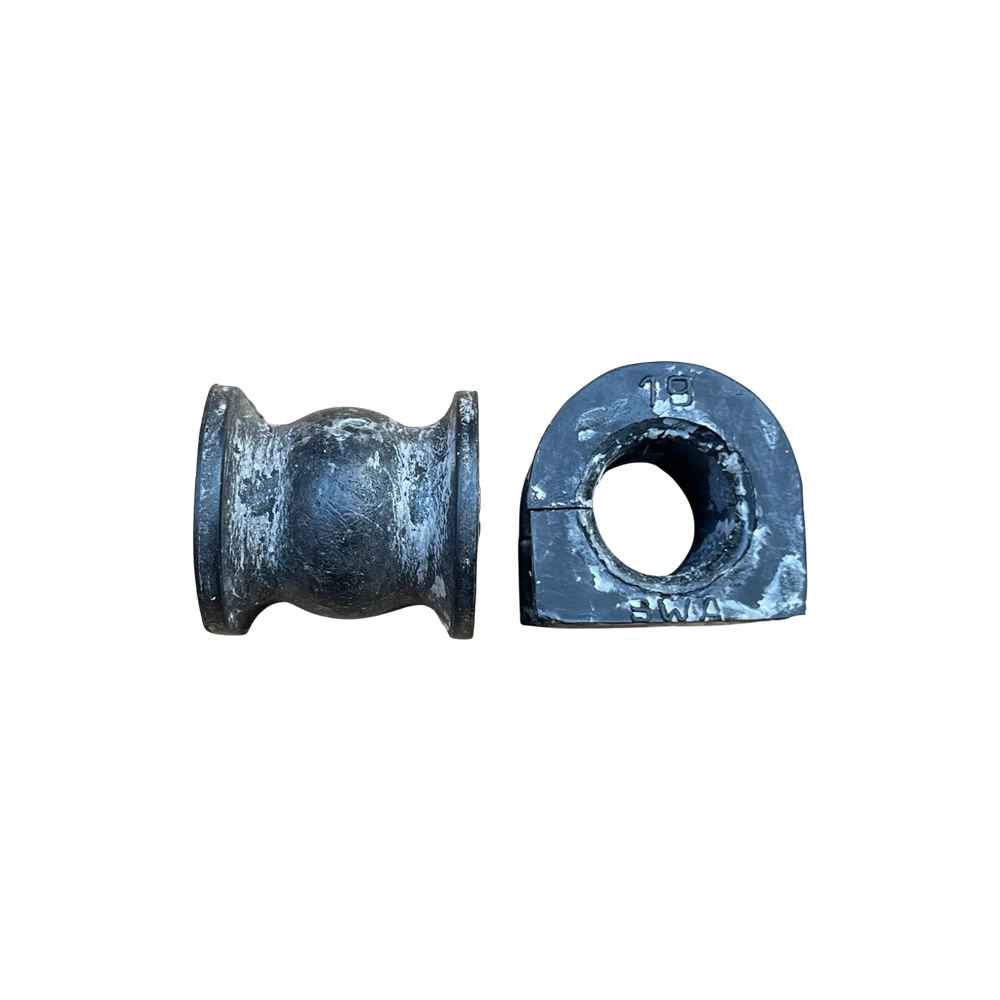
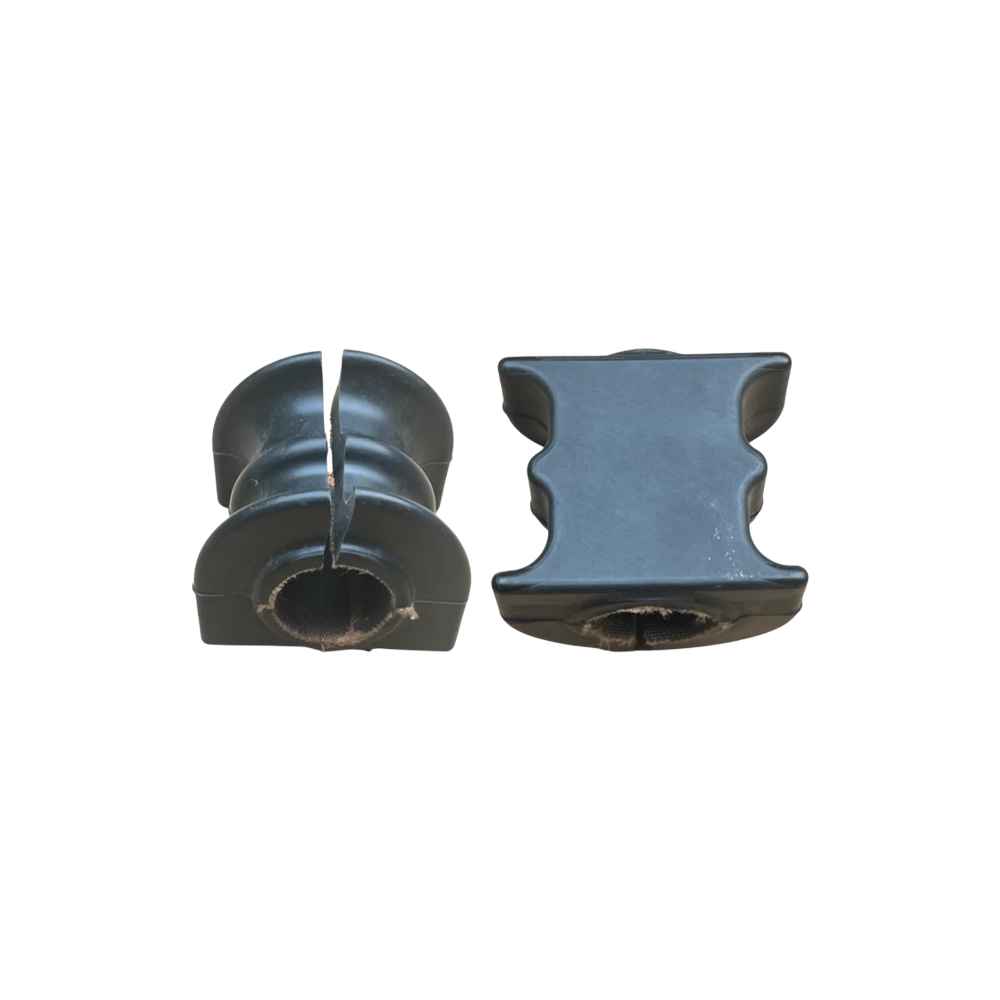
Hydraulic steering utilizes fluid dynamics to assist in steering, allowing for reduced physical effort from the driver. As vehicles evolve, the demand for efficient and reliable steering solutions has led manufacturers to innovate continuously. The integration of hydraulic systems not only improves response times but also prolongs the lifespan of various components, such as Steering Rack Boots , which protect vital steering parts from contaminants.
Importance in the IAM Sector
The IAM sector thrives on the promise of enhanced vehicle performance and reliability. Hydraulic steering systems cater directly to this need by providing superior handling characteristics. Distributors looking to source high-quality auto parts must recognize the significance of hydraulic systems in modern vehicles.
Sourcing Tips for Auto Parts Distributors
For distributors aiming to capitalize on the growing demand for hydraulic steering components, several sourcing strategies can facilitate successful procurement:
- Research Reputable Manufacturers : Identifying suppliers with established reputations is crucial. Brands like Guanghua are known for their quality hydraulic components.
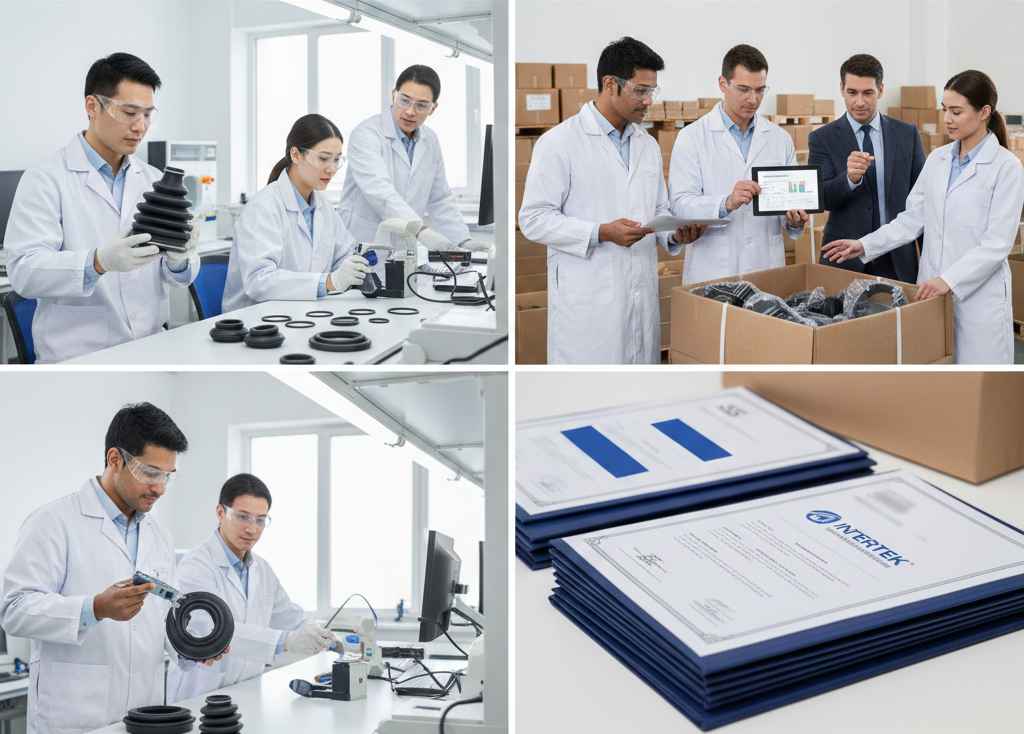
- Evaluate Product Quality : Always assess the quality of the products offered. Look for certifications or industry standards that ensure reliability and performance.
- Focus on Compatibility : Ensure that the hydraulic steering components you source are compatible with a wide range of vehicle makes and models, maximizing your market reach.
Understanding Key Components
A thorough understanding of hydraulic steering components can greatly enhance a distributor's ability to provide valuable products to their clients. Key components include:
- Power Steering Pumps : These are essential for converting mechanical energy into hydraulic fluid pressure.
- Hydraulic Cylinders : They play a critical role in translating the hydraulic pressure into motion.
- Hoses and Fittings : Proper hoses and fittings maintain the integrity of the hydraulic system, preventing leaks.
Maintenance Considerations
Regular maintenance of hydraulic steering systems is imperative to ensuring longevity and optimal performance. Components like Shock Absorber Boots and O-Rings & Rubber Sealing Rings should be monitored closely for wear and tear, as they help prevent fluid loss and contamination.
Common Issues and Solutions
Distributors should also be aware of prevalent issues that can arise within hydraulic steering systems:
- Fluid Leaks : Often caused by worn-out seals or damaged hoses. Regular inspections are essential to catch these issues early.
- Noise While Turning : This may indicate low fluid levels or air within the system. It's advisable to check the fluid level and purge any trapped air.
- Unresponsive Steering : This could point to pump failure or significant hydraulic fluid leaks, requiring immediate attention.
Leveraging Technology for Sourcing
The rise of digital platforms has transformed how distributors source hydraulic steering parts. Utilizing online marketplaces allows for greater access to international suppliers, widening the pool of potential partners. Furthermore, establishing direct relationships with manufacturers can lead to better pricing and exclusive product offerings.
Building Strong Relationships
Establishing strong partnerships with manufacturers and suppliers ensures a steady stream of quality products. Regular communication and feedback loops can help both parties address issues promptly and adapt to changing market demands.
Future Trends in Hydraulic Steering Technology
The automotive landscape is ever-evolving, and so are the technologies within it. The future of hydraulic steering may see advancements such as:
- Integration with Autonomous Vehicles : As autonomous driving technology develops, hydraulic systems will likely undergo enhancements for improved safety and functionality.
- Eco-Friendly Solutions : The push towards sustainable automotive practices may drive innovations in hydraulic systems, reducing environmental impacts.
Conclusion: Staying Ahead in the Market
For auto parts distributors, understanding the nuances of hydraulic steering systems offers a substantial edge in the IAM. By focusing on quality sourcing, maintaining robust supplier relationships, and staying informed about technological advancements, distributors can thrive in this dynamic marketplace.