
The Importance of NVH in Commercial Fleet Maintenance
Noise, Vibration, and Harshness (NVH) has become a crucial aspect for fleet managers aiming to enhance overall vehicle performance. As commercial fleets grow in size and complexity, addressing NVH issues can lead to significant improvements in comfort and efficiency—not to mention the long-term savings on maintenance costs.
Understanding NVH Components
At its core, NVH encompasses various factors that affect the driving experience. These include:
- Noise: Unwanted sounds from engine vibrations, wind resistance, or road interactions.
- Vibration: Oscillations that can lead to discomfort for both drivers and passengers.
- Harshness: The perception of roughness during operations that affects vehicle handling and reliability.
Why NVH Matters for Fleets
Addressing NVH isn’t just about comfort; it directly impacts productivity and driver morale. A quieter vehicle tends to be less fatiguing over long hours, which can lead to better focus and safety on the road. Additionally, reducing NVH levels often correlates with better mechanical performance and longevity of the components involved.
Choosing the Right Materials for NVH Reduction
When sourcing materials for your fleet, consider options that effectively dampen noise and vibration. High-quality parts such as Shock Absorber Boots and Steering Rack Boots play a pivotal role in controlling unwanted vibrations. Moreover, Stabilizer Bar Bushings are essential for maintaining stability and reducing lateral forces during cornering.
Collaboration with Contract Manufacturing Partners
Partnering with reliable contract manufacturers can vastly improve your sourcing process. They not only provide high-quality products but also offer expertise in selecting the right materials tailored to NVH reduction. When evaluating potential partners, consider those who specialize in automotive components, such as Guanghua , known for their durable rubber sealing solutions like O-Rings & Rubber Sealing Rings .
Best Practices in Sourcing for NVH Solutions
To maintain a competitive edge, implement these best practices in your sourcing strategy:
- Conduct Thorough Research: Investigate suppliers’ reputation and product reviews.
- Request Samples: Before making large orders, ensure the quality meets your standards.
- Evaluate Performance Metrics: Understand the lifespan and durability of the components you’re considering.
- Consider Custom Solutions: Engage manufacturers who can tailor designs specific to your fleet’s needs.
Integrating NVH Solutions into Fleet Maintenance
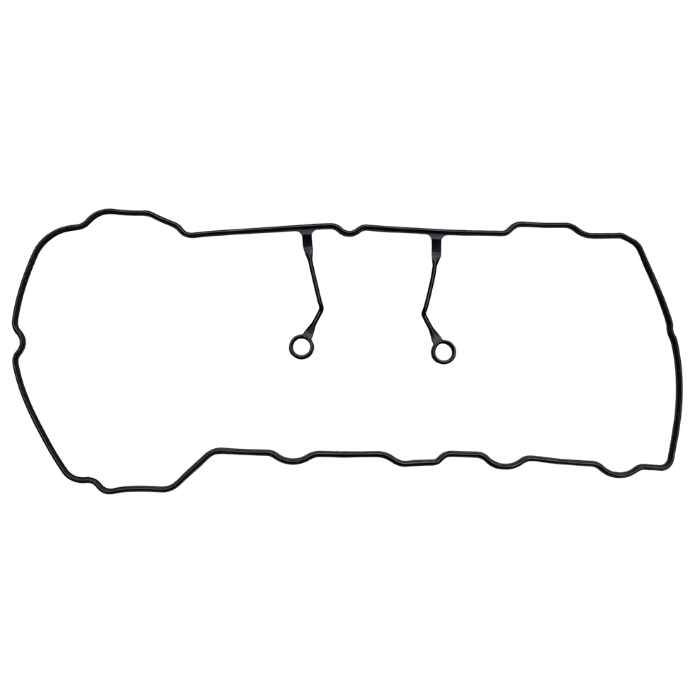
Once you've sourced the appropriate parts, integrating them into your fleet's maintenance routine is vital. Regular inspections should not only focus on engines and brakes but also on components like valve cover gaskets and boots that contribute to NVH levels. This proactive approach can prevent minor issues from escalating into major repairs.
Budgeting for NVH Enhancements
It’s essential to factor in the cost of NVH reduction when budgeting for fleet maintenance. While investing in quality components might initially seem expensive, consider the long-term savings. Reduced wear and tear means fewer breakdowns and lower operational costs over time. Plus, happier drivers can lead to lower turnover and training expenses.
Leveraging Technology for NVH Monitoring
Modern technology offers tools for monitoring NVH levels in real-time. By employing diagnostic software and sensors, fleet managers can gain insights into how well their vehicles perform under different conditions. Identifying patterns and areas of concern allows for more strategic maintenance scheduling and targeted interventions.
Final Thoughts on NVH Reduction Strategies
In summary, focusing on NVH reduction is a smart strategy for any commercial fleet manager looking to enhance performance, reduce costs, and increase driver satisfaction. By collaborating with reputable manufacturers, staying informed about emerging technologies, and adopting a proactive maintenance culture, fleets can achieve exceptional results. Investing in components like CV Joint Boots or Shock Absorber Boots will certainly pay off in the long run—both in maintenance efficiency and fleet longevity.







