Understanding Suspension Rubber Parts
The performance of a vehicle is often directly linked to the quality and condition of its suspension system. Among the crucial components in this system are rubber parts, which serve not only as isolators but also as essential connectors that enhance overall handling and stability.
The Role of Rubber in Suspension Systems
Rubber components, such as boots and gaskets, play a pivotal role in ensuring that various suspension elements function optimally. For instance, CV Joint Boots protect the constant velocity joints from dirt and moisture, extending their lifespan significantly. Similarly, Steering Rack Boots safeguard the steering mechanism from contaminants, which can lead to premature wear and tear.
Types of Essential Suspension Rubber Components
- Shock Absorber Boots : These are essential for protecting shock absorbers from debris and dirt, thereby maintaining their efficiency.
- O-Rings & Rubber Sealing Rings: Used extensively in hydraulic systems, they provide tight seals that prevent leaks and maintain pressure.
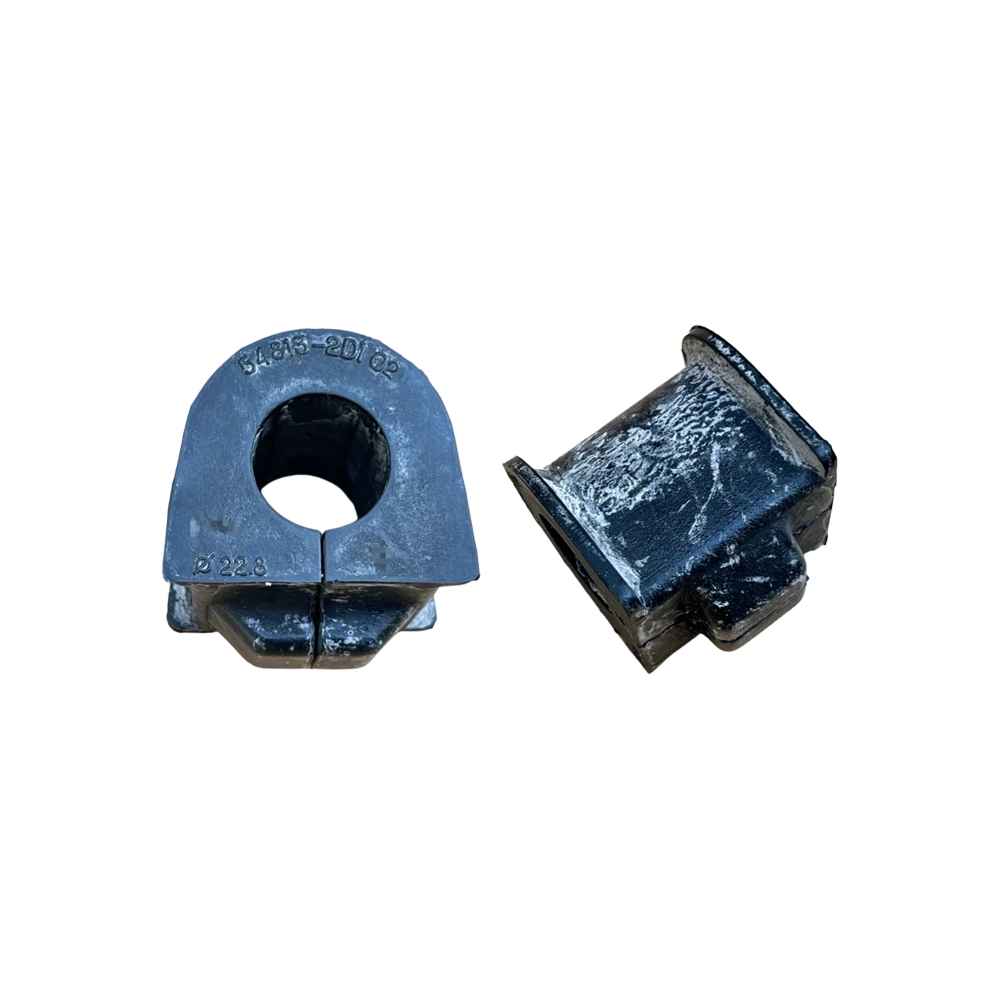
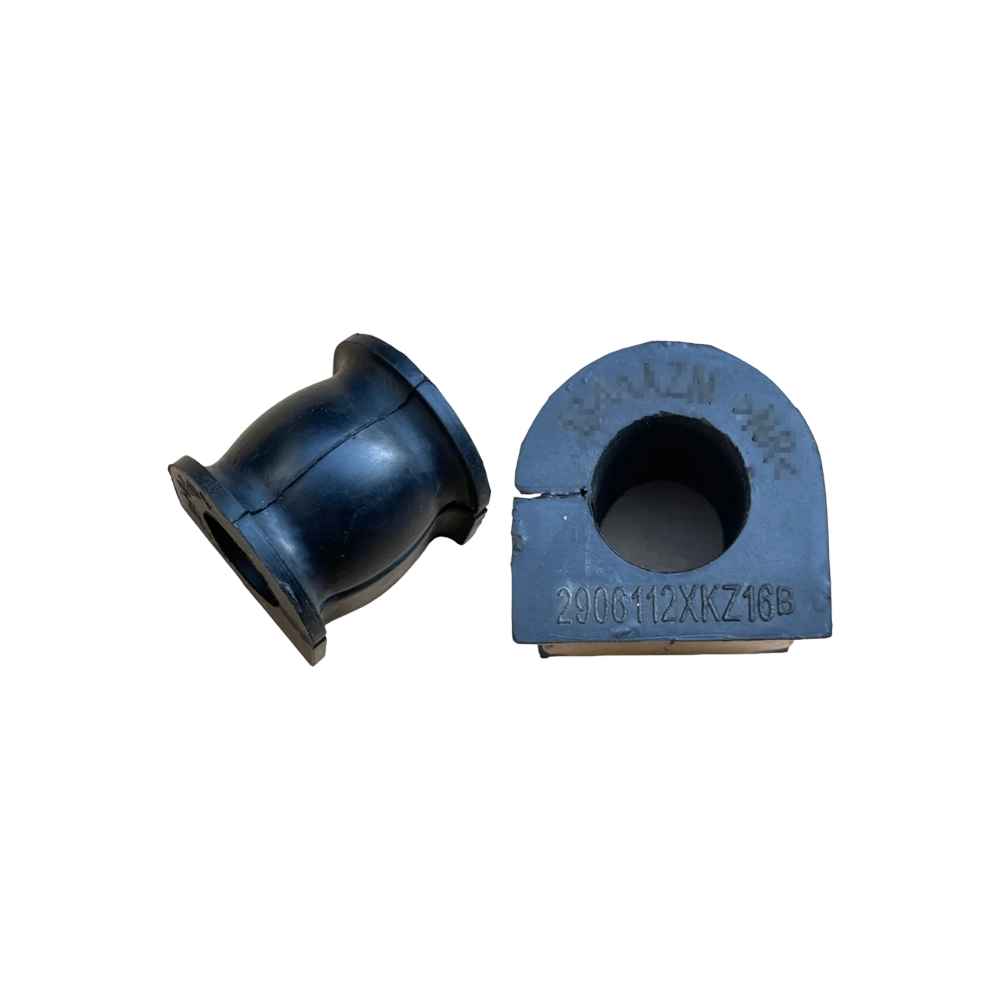
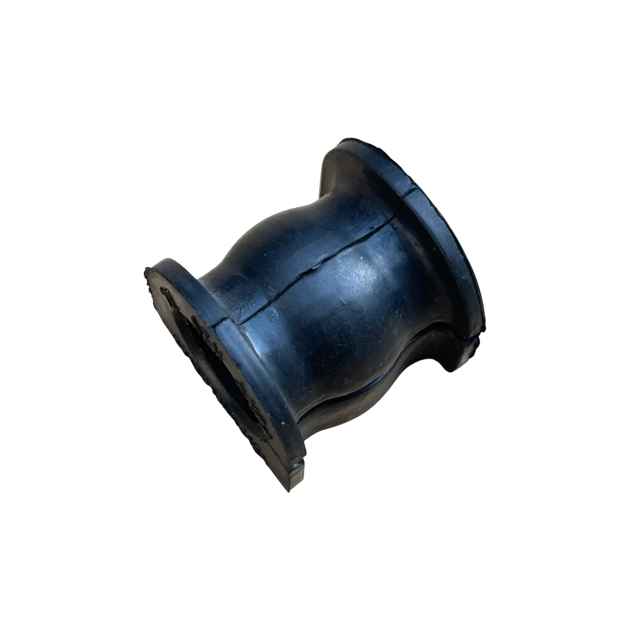
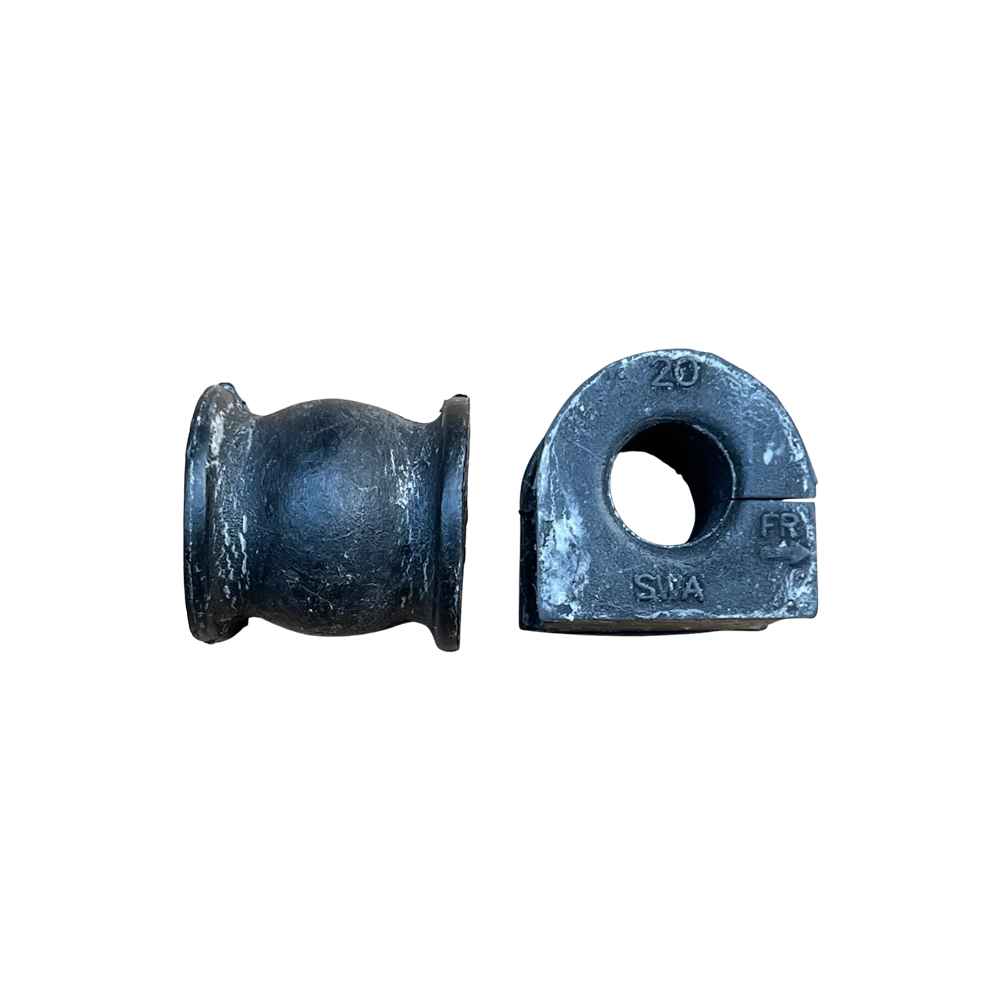
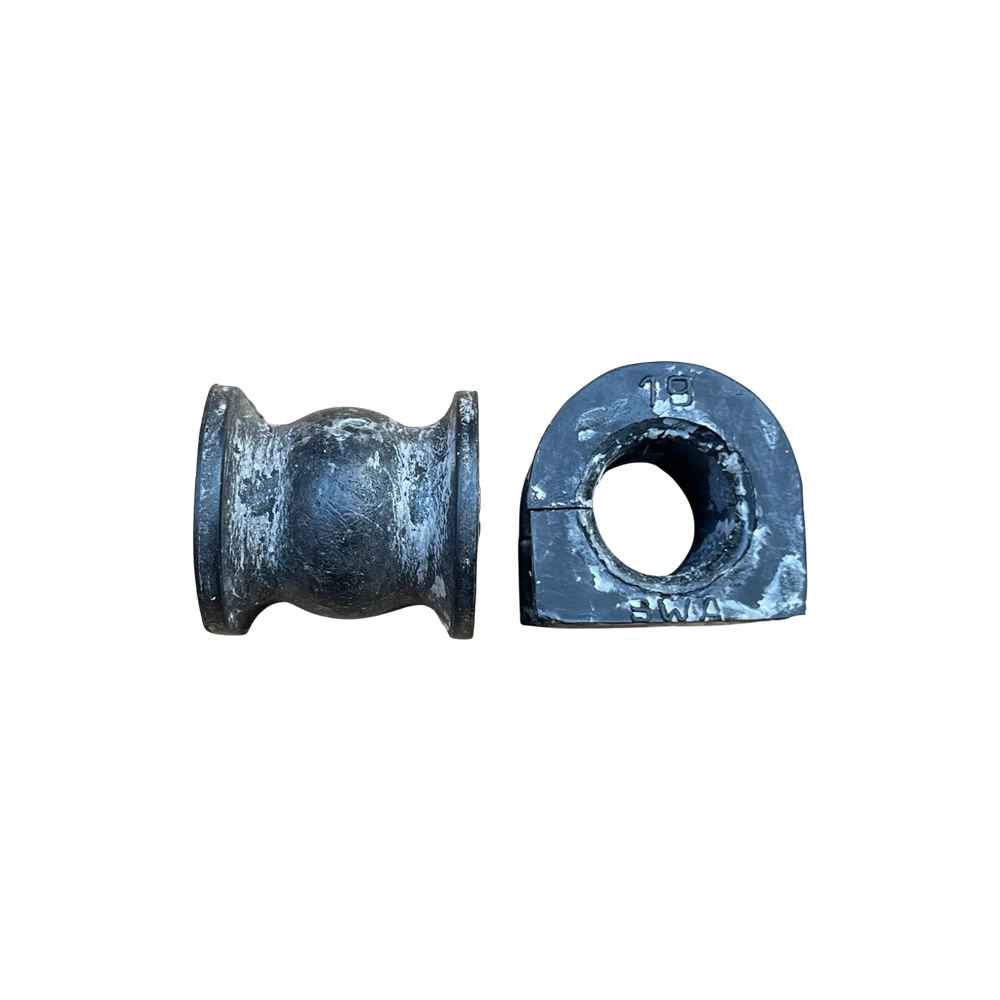
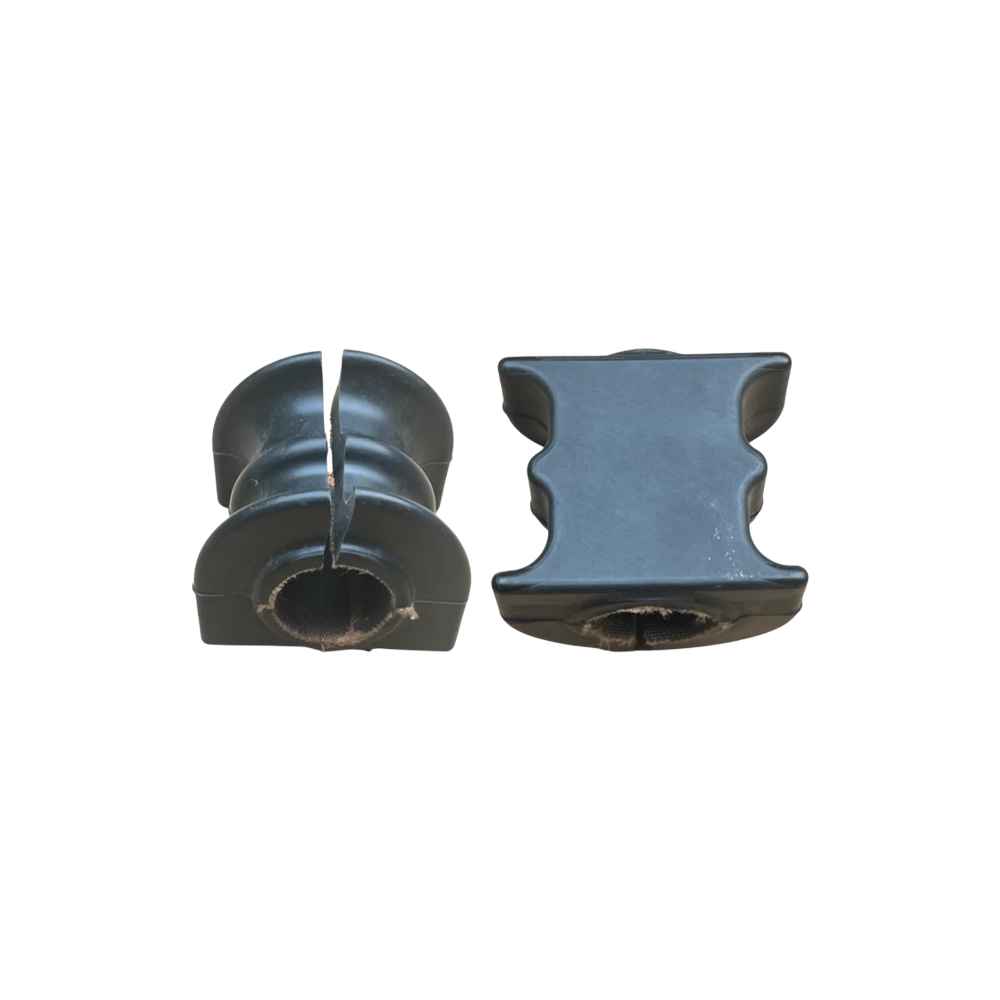
- Stabilizer Bar Bushings: These components reduce friction between the stabilizer bar and the chassis, enhancing ride comfort and vehicle control.
- Valve Cover Gasket: While slightly outside the suspension realm, it's worth noting that these gaskets prevent oil leaks and can impact engine performance indirectly.
Sourcing Quality Rubber Parts
When upgrading or maintaining your suspension system, sourcing high-quality rubber parts is paramount. The marketplace offers a myriad of options, but distinguishing between premium products and subpar imitations can be daunting.
Trusted Brands and Suppliers
Brands like Guanghua have gained a reputation for providing durable rubber components that withstand the rigors of high-performance applications. Their commitment to quality ensures that every part, from boots to bushings, meets stringent industry standards.
Evaluating Material Quality
The material used in rubber parts significantly affects their longevity and performance. High-grade synthetic rubbers are typically more resistant to temperature fluctuations, UV exposure, and chemical degradation compared to lower-quality alternatives. When examining rubber components, look for those that offer enhanced elasticity and resilience.
Installation Considerations
The installation of suspension rubber parts should not be taken lightly. Proper installation techniques ensure optimal performance and longevity. It is advisable to follow manufacturer guidelines meticulously and, when in doubt, consult with a professional mechanic.
Common Installation Mistakes
- Improper Alignment: Failing to align parts correctly can lead to uneven wear and compromised functionality.
- Neglecting Lubrication: Some rubber components require lubrication during installation to ensure smooth operation and prevent tearing.
- Over-tightening Fasteners: This can lead to deformation of rubber parts, reducing their effectiveness and lifespan.
Maintenance Tips
Regular maintenance of rubber suspension components is crucial for sustaining performance. Inspecting for cracks, tears, and signs of wear should become a routine practice. Additionally, applying protective treatments can extend the life of these rubber parts, keeping your suspension system functioning at peak performance.
Performance Benefits of Upgraded Rubber Parts
Upgrading to high-quality rubber components can yield substantial benefits in terms of performance. Enhanced responsiveness, improved control, and increased durability are just a few advantages that come from investing in superior suspension rubber parts.
Impact on Driving Experience
An optimized suspension system contributes not only to better handling but also to an overall enhanced driving experience. Drivers will notice improved stability during cornering and a reduction in road noise, leading to a more comfortable journey.

Conclusion on Performance Gains
Organizations and individuals looking to bolster their vehicle's performance should recognize the critical role of rubber parts in suspension systems. With diligent sourcing, proper installation, and regular maintenance, one can significantly boost their edge in performance—ensuring reliability and enjoyment on the road.