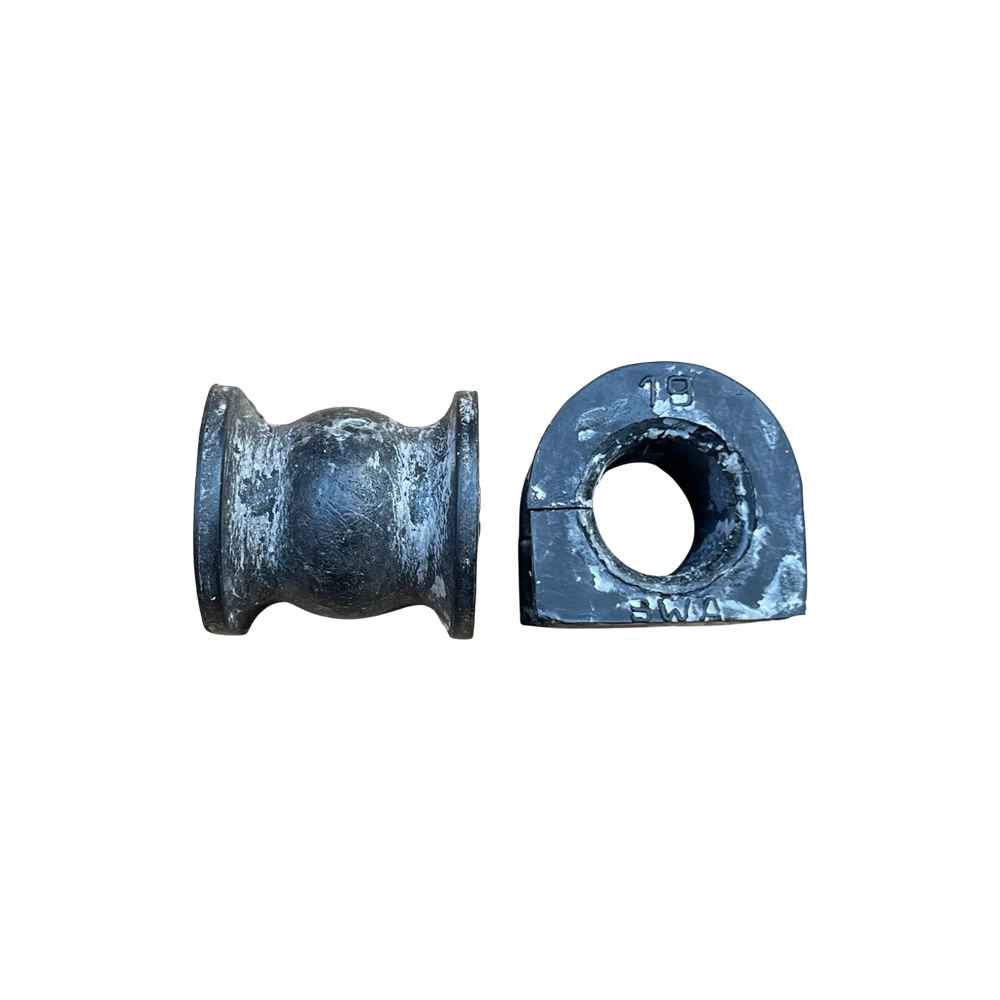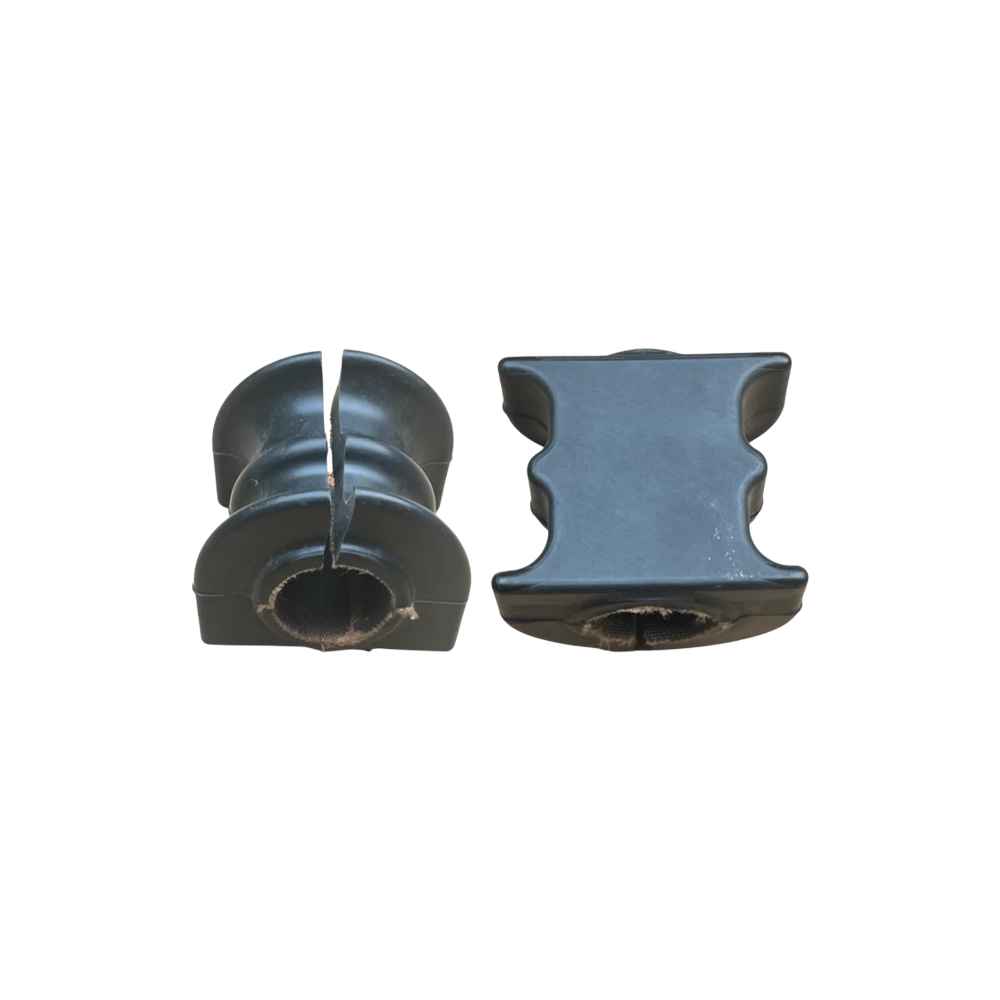
Understanding Anti-roll Bar Bushings
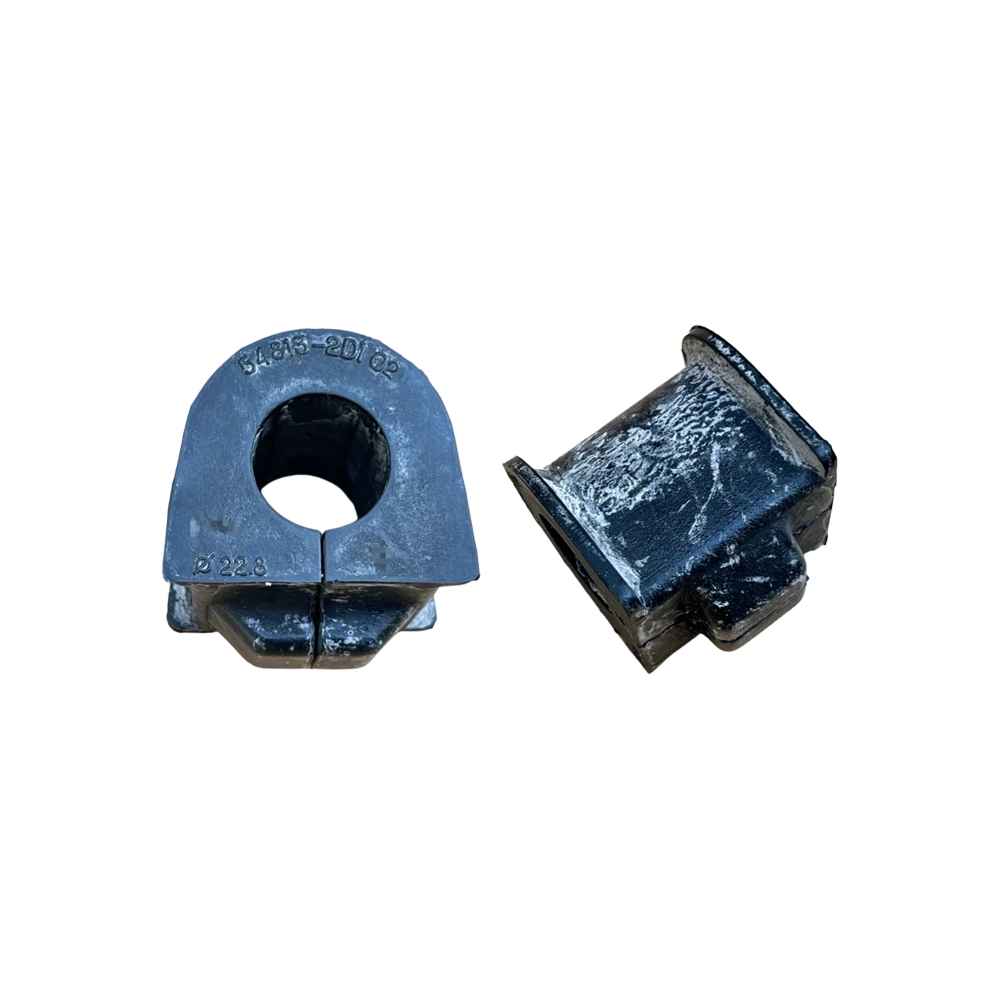
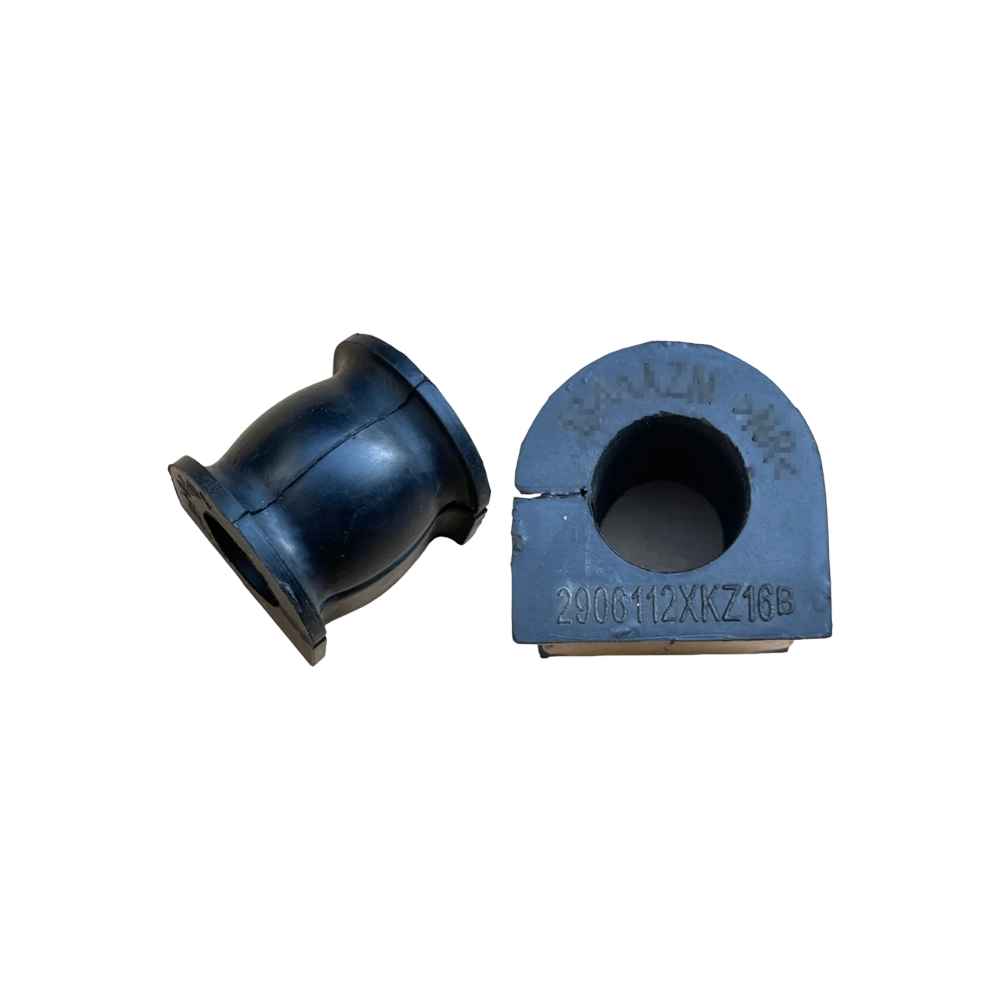
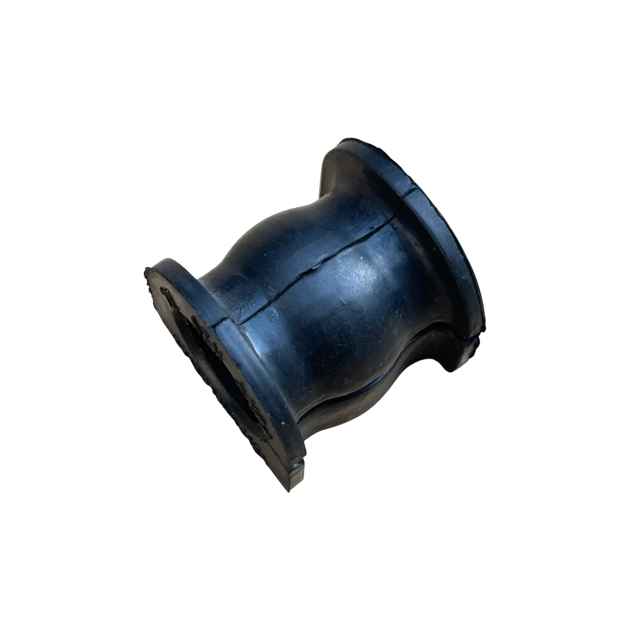
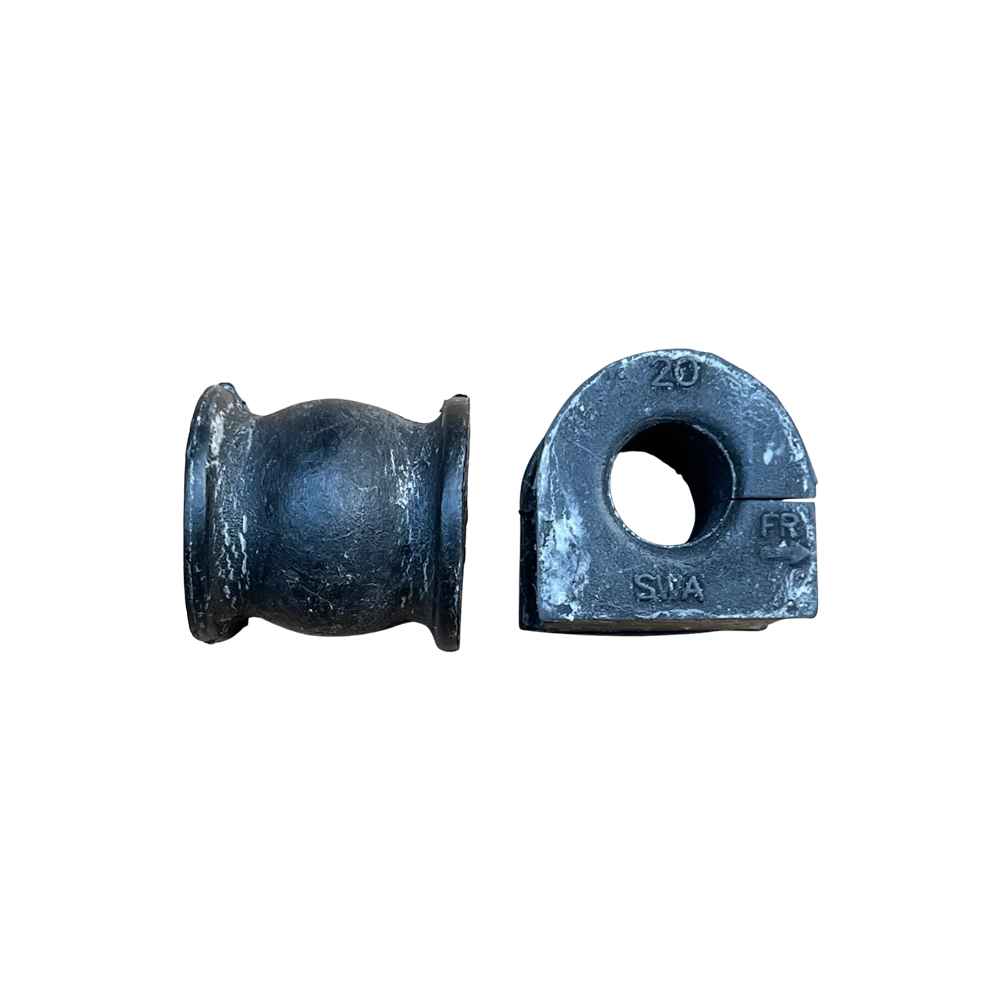
Anti-roll bar bushings, often an overlooked component in the realm of vehicle driveline and axle repair, play a pivotal role in maintaining stability and handling. These bushings act as cushions, allowing for controlled movement between the anti-roll bar and the vehicle's chassis. A proper selection can significantly enhance vehicle performance and safety.
Key Factors to Consider When Choosing Anti-roll Bar Bushings
When selecting the most suitable anti-roll bar bushings, several critical factors should be taken into account:
- Material Composition: The material used in the bushing affects not only durability but also flexibility. Rubber and polyurethane are common choices, each with distinct advantages.
- Size Compatibility: Ensuring that the bushings fit the specific model of your vehicle is essential; improper sizing can lead to inadequate performance or premature wear.
- Performance Needs: Depending on whether you're seeking enhanced comfort for daily driving or performance for racing applications, different bushings will cater to varying needs.
- Brand Reliability: Opting for reputable brands such as Guanghua can provide assurance regarding quality and longevity, as established manufacturers typically offer better warranties.
Material Choices Explained
The choice between rubber and polyurethane bushings often arises during selection. Rubber bushings, known for their noise-dampening capabilities, typically offer more comfort and a softer ride. Conversely, polyurethane provides increased stiffness, which can lead to improved handling and responsiveness, albeit at the cost of some ride comfort.
Importance of Size Compatibility
Correct sizing cannot be overstated; bushings that do not fit well can cause alignment issues, excessive wear, and even catastrophic failure. Take precise measurements of the existing components, and always cross-check with the manufacturer’s specifications before making a purchase.
Installation Tips for Anti-roll Bar Bushings
Proper installation of anti-roll bar bushings is crucial to achieving optimal performance. Here are expert tips to ensure effective fitting:
- Clean the Area: Before installation, thoroughly clean the area where the bushings will sit to remove any debris or corrosion.
- Use Proper Tools: Employing the right tools, such as a bushing press or socket set, will facilitate easier installation and avoid damage to the new bushings.
- Torque Specifications: Always adhere to the manufacturer's torque specifications to prevent over-tightening, which can lead to premature wear or damage.
Maintaining Your Anti-roll Bar Bushings
Once installed, regular maintenance checks can prolong the life of your bushings. It is advisable to inspect them periodically for signs of wear, such as cracks or deterioration. Replacing worn bushings promptly can help maintain optimal vehicle handling and reduce stress on other suspension components.
Signs of Worn Bushings
Several symptoms may indicate that your anti-roll bar bushings require attention:

- Loose steering or increased play in the steering wheel.
- Unusual noises during turns or when driving over bumps.
- Uneven tire wear, which may suggest alignment issues caused by worn bushings.
Conclusion: Making Informed Decisions
Choosing the best anti-roll bar bushings requires careful consideration of materials, size, and performance objectives. Relying on trusted suppliers like Guanghua can enhance confidence in your selections, ensuring that you acquire high-quality bushings tailored for your vehicle's specific needs. By following the outlined guidelines and regularly maintaining the bushings, you optimize your vehicle's driveline and axle system, thus ensuring a safer and more comfortable ride.