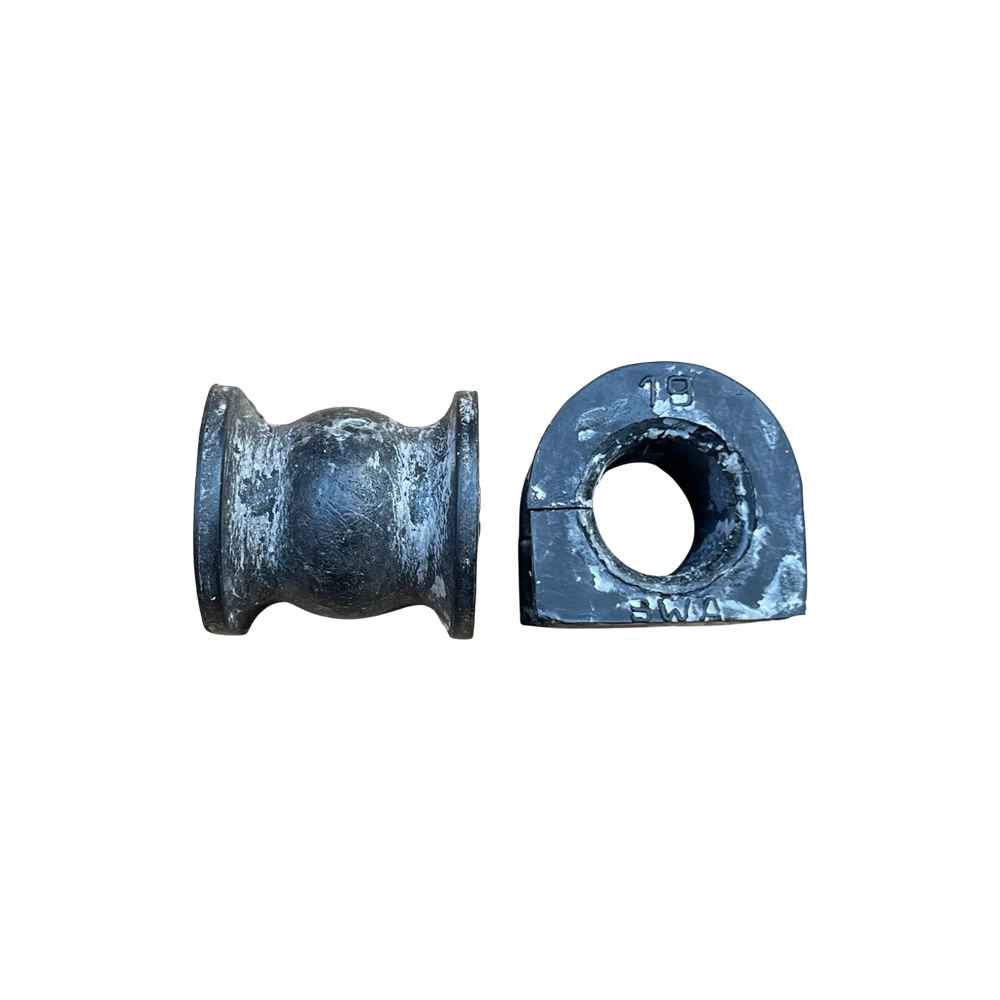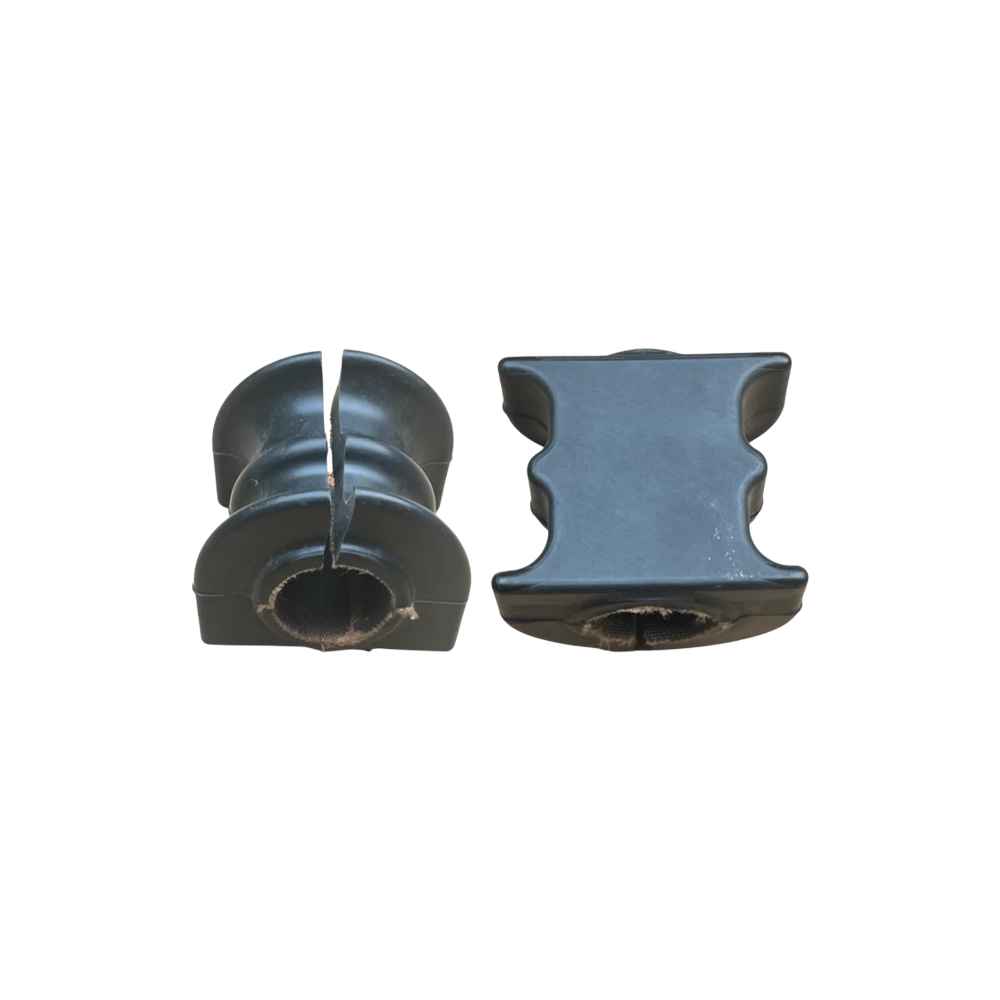
Understanding Sway Bars in Automotive Hydraulic Systems
Sway bars, also known as stabilizer bars, play a critical role in the handling and stability of vehicles. These components are essential in reducing body roll during cornering, improving overall ride quality, and maintaining tire contact with the road surface. Proper selection of sway bars—both front and rear—is crucial to optimizing your automotive hydraulic system's performance.
Factors to Consider When Choosing Sway Bars
Selecting the right sway bar involves multiple considerations that can affect the vehicle's dynamics. Here are some key factors:
- Vehicle Type: The weight and design of the vehicle significantly influence the required sway bar stiffness.
- Intended Use: Whether you're using the vehicle for daily commuting or high-performance racing will alter your choice. A more rigid sway bar may be suitable for racing, while a softer one might work better for everyday driving.
- Material Quality: Look for sway bars made from high-quality materials that ensure durability and effectiveness. Steel is often used, but advanced materials like aluminum can offer less weight with similar strength.
- Compatibility: Ensure that the selected sway bar fits well with your existing suspension setup, including other components such as CV Joint Boots and Steering Rack Boots .
The Importance of Adjustability
One of the emerging trends in sway bar technology is adjustability. Adjustable sway bars allow you to change the stiffness settings according to your needs. This feature can be particularly beneficial for enthusiasts who want to fine-tune their vehicle's balance and handling characteristics.
Many modern sway bars come equipped with settings that let you switch between soft and hard configurations, making them versatile across different driving conditions. If you're looking for top-notch solutions, brands like Guanghua have been recognized for their innovative designs in this area.
Assessing Size and Geometry
The size and geometry of sway bars can dramatically impact a vehicle's responsiveness. Larger diameter bars tend to be stiffer and provide better performance during sharp turns. However, there's a trade-off; too stiff a sway bar may lead to a harsh ride on uneven surfaces.
Consider your specific driving conditions when selecting the diameter. For example, if you frequently drive on bumpy roads, you might opt for a slightly smaller diameter to maintain comfort without compromising too much on performance.
Installation Considerations
Proper installation is vital for sway bar functionality. Even the best sway bar won't perform correctly if not installed properly.
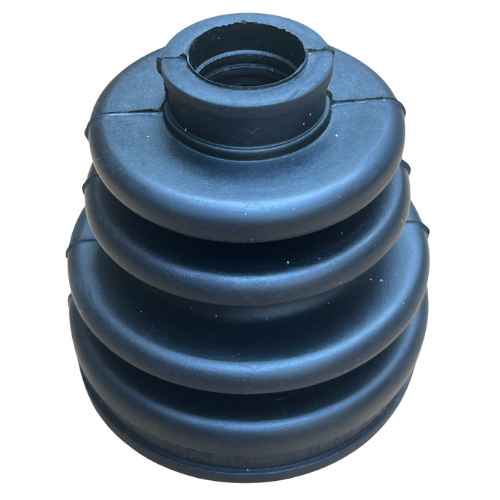
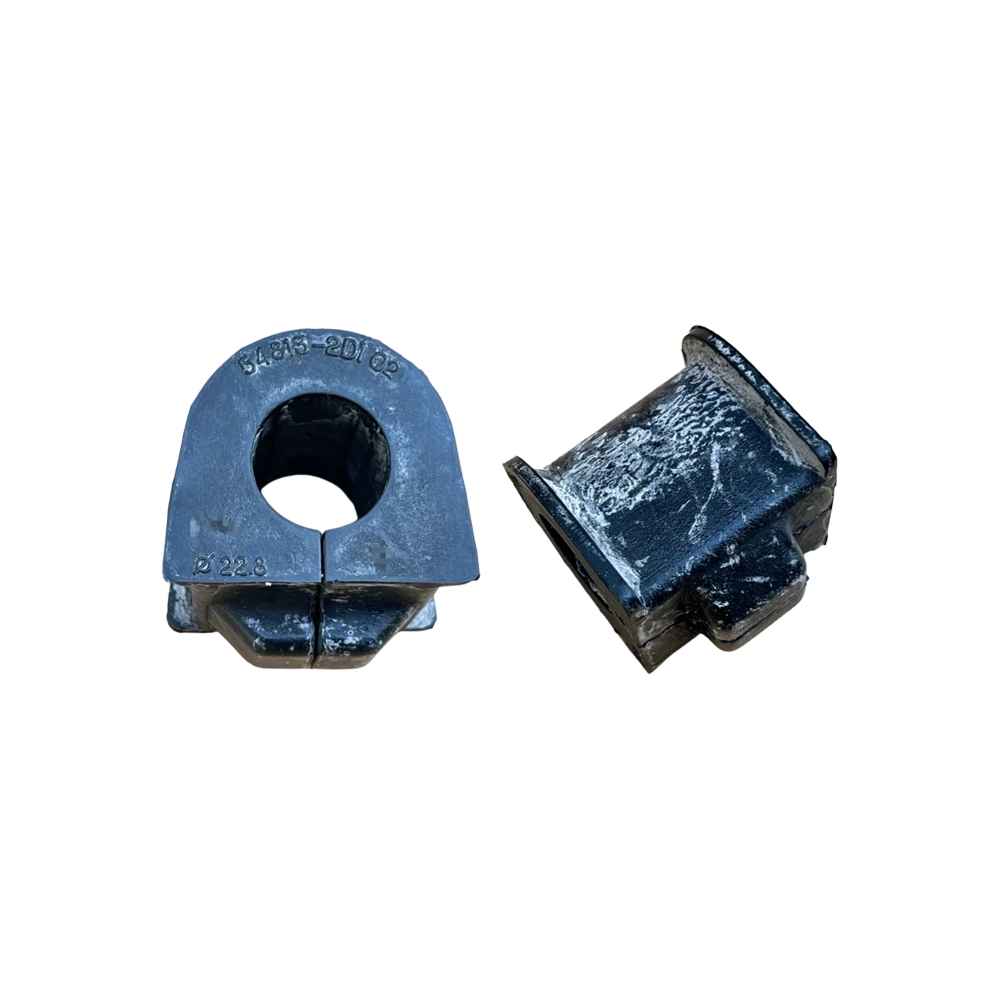
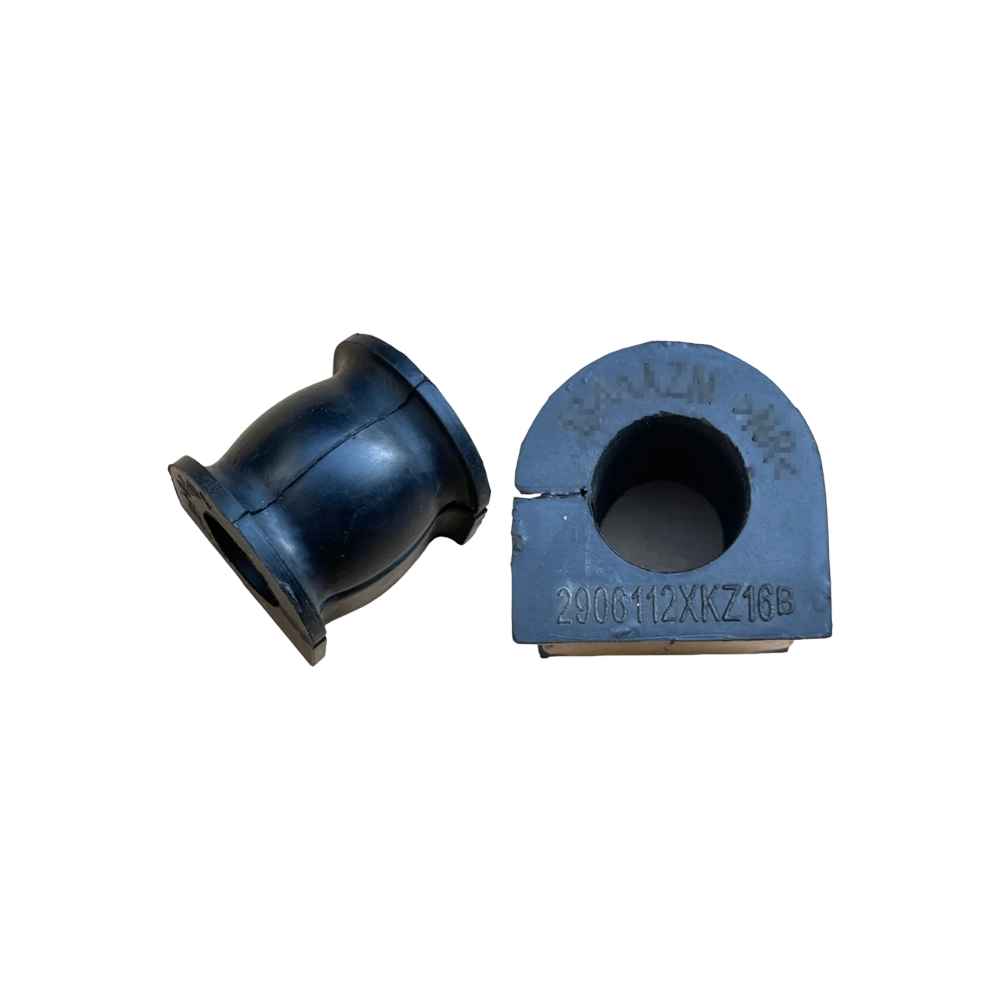
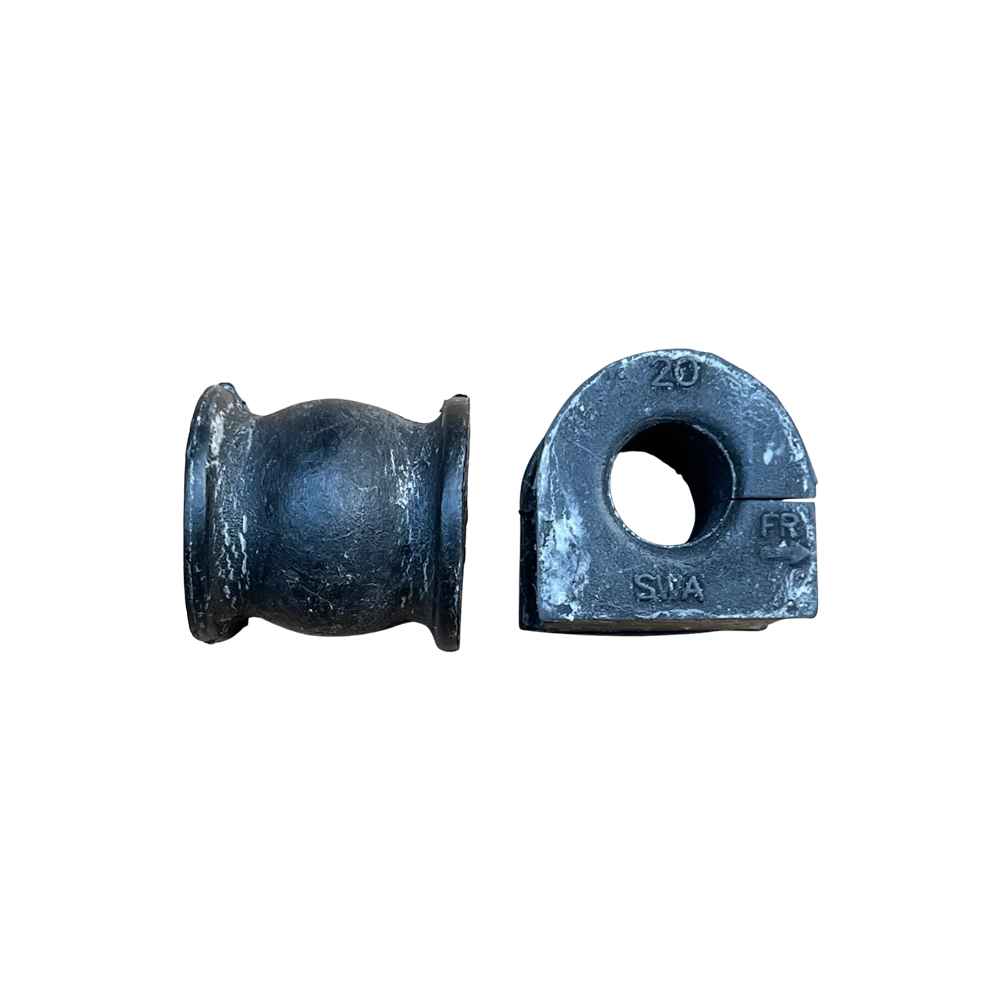
- Professional Installation: If you’re not comfortable doing it yourself, considering hiring a professional. They’ll ensure that all components, such as rubber sealing rings and bushings, are correctly set up.
- Regular Maintenance: Post-installation, keep an eye on wear and tear. Components like Shock Absorber Boots should be checked regularly for signs of degradation.
Longevity Through Quality Components
The longevity of your sway bar is closely tied to the quality of its components. Investing in premium parts can save you money in the long run by minimizing the need for replacement.
Look for sway bars that utilize high-quality O-rings and rubber sealing rings to prevent moisture and debris intrusion. These small details can make a significant difference in extending the lifespan of your sway bar assembly.
Testing Your Setup
Once you've chosen and installed the appropriate sway bar, it's important to test your setup. Take your vehicle out for a drive under various conditions to assess how well it responds to turns and how stable it feels at higher speeds. Listen for any unusual noises that could indicate improper installation or component failure.
Additionally, consider getting feedback from a trusted mechanic who understands the nuances of automotive hydraulic systems. Their insights can help you identify any potential issues early on.
Conclusion
Choosing the best front or rear sway bar for your automotive hydraulic system in 2026 involves careful consideration of various factors, including intended use, material quality, and compatibility with existing components. By focusing on these areas, and considering flexibility and testing post-installation, you'll be well-equipped to enhance your vehicle's performance. Don't forget the importance of quality rubber sealing solutions like those offered by brands such as Guanghua to ensure your components function effectively over time.