Understanding Sway Bars: Why They Matter
When you're diving into the world of vehicle driveline and axle repair, sway bars are a crucial element that often gets overlooked. These components play a vital role in your vehicle's handling and stability, especially when cornering. If you're wondering how to choose the best front or rear sway bar for your car, listen up! Let’s break down some expert tips that will make your selection process a whole lot easier.
Know Your Vehicle Type
The first step is understanding your vehicle type. Are we talking about a sporty coupe, a rugged SUV, or maybe a family sedan? Different vehicles have different requirements. A performance car might benefit from stiffer sway bars to enhance cornering capability, while an SUV could need something more flexible to handle off-road terrains without sacrificing comfort. Keep this in mind as you browse through options!
Material Counts
Materials used in sway bars can drastically affect their performance. Typically, you'll find sway bars made from steel or aluminum. Steel offers strength and durability but can be heavier, which might not be ideal for performance-driven cars. On the other hand, aluminum sway bars are lighter and can help improve your vehicle's weight distribution. Just remember, don’t compromise on quality here; cheap materials can lead to premature wear and tear, which brings us back to square one.
Stiffness Matters
You might have heard the term "spring rate" thrown around. This refers to the stiffness of the sway bar. Generally speaking, a stiffer sway bar will reduce body roll during sharp turns, making your ride feel sportier. However, too much stiffness can lead to a bumpy ride. It's all about finding that sweet spot where the ride remains comfortable while still providing enhanced handling. So, test drive if you can before making a final decision!
Compatibility with Existing Suspension Components
Before picking out a sway bar, consider the existing suspension setup on your vehicle. If you've upgraded to performance shocks or springs, you might also need a sway bar that complements those modifications. It's like building a puzzle; every piece needs to fit perfectly for optimal performance. Brands like Guanghua offer various options designed with compatibility in mind, so keep an eye on their catalog.
Installation Ease
Alright, let’s talk installation. Some sway bars come with a simple bolt-on design, while others may require welding or significant modification. If you're planning to tackle the installation yourself, go for something user-friendly. But if you're not up for the challenge, it might be wise to consult a professional. No one wants to end up with a half-installed sway bar!

Cost vs. Quality
Let’s face it, everyone loves a good deal, but don’t let the price tag dictate your purchase too heavily. Sometimes spending a little more upfront can save you money down the line. High-quality sway bars might cost a bit more, but they often come with better warranties and longer life spans. Plus, they’ll do a far better job at keeping you safe on the road. So, weigh your options carefully!
Choosing Between Front and Rear Sway Bars
Deciding whether to upgrade your front or rear sway bar can depend on what you’re looking to achieve. Upgrading the front sway bar usually improves handling and reduces understeer, while upgrading the rear sway bar can help manage oversteer and enhance traction. Many performance enthusiasts opt for a balanced approach by upgrading both, but of course, it comes down to personal preference.
Inspect Before You Invest
Finally, always inspect your current sway bar and related components before making a purchase. Look out for any signs of wear such as cracks or rust. If your sway bar boots – like Steering Rack Boots or Shock Absorber Boots – look worse for wear, it’s probably time to replace them alongside your sway bar. After all, a solid driveline is only as good as its weakest link!
- Check for rust or damage on sway bar boots.
- Consider compatibility with O-Rings & Rubber Sealing Rings .
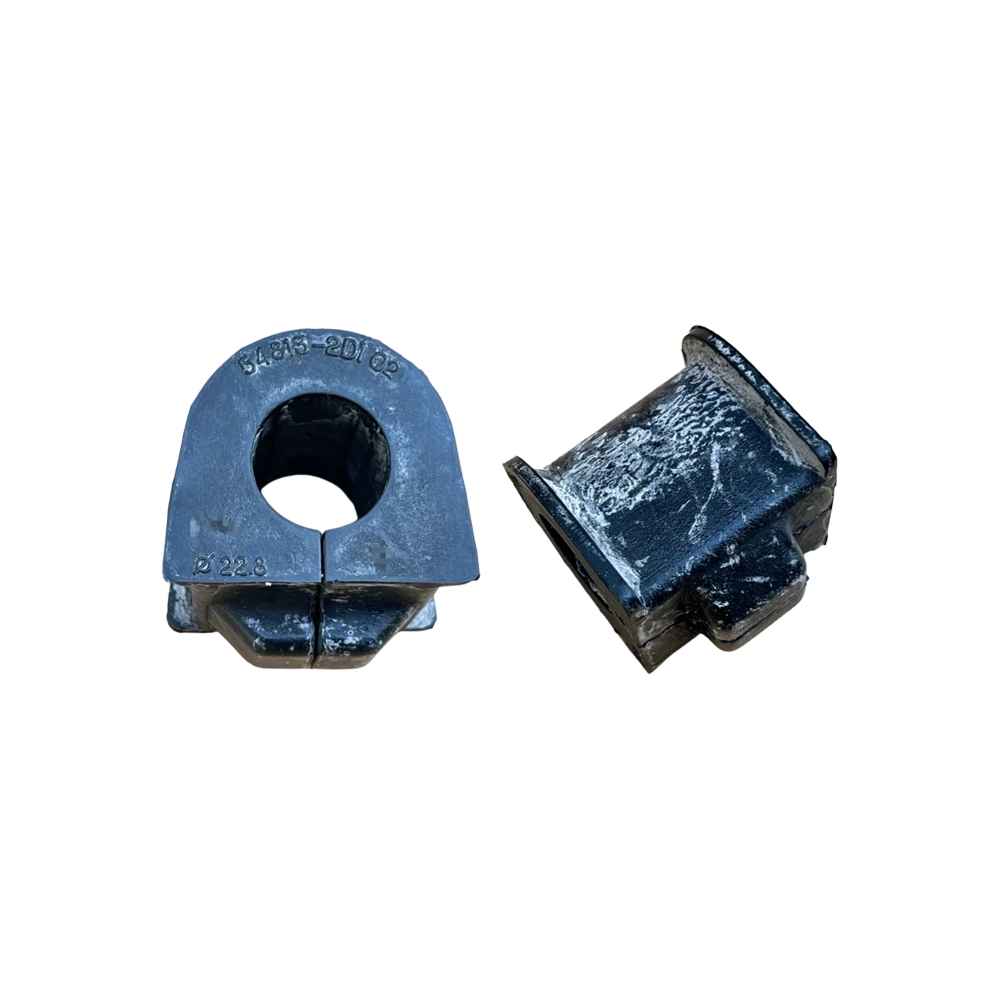
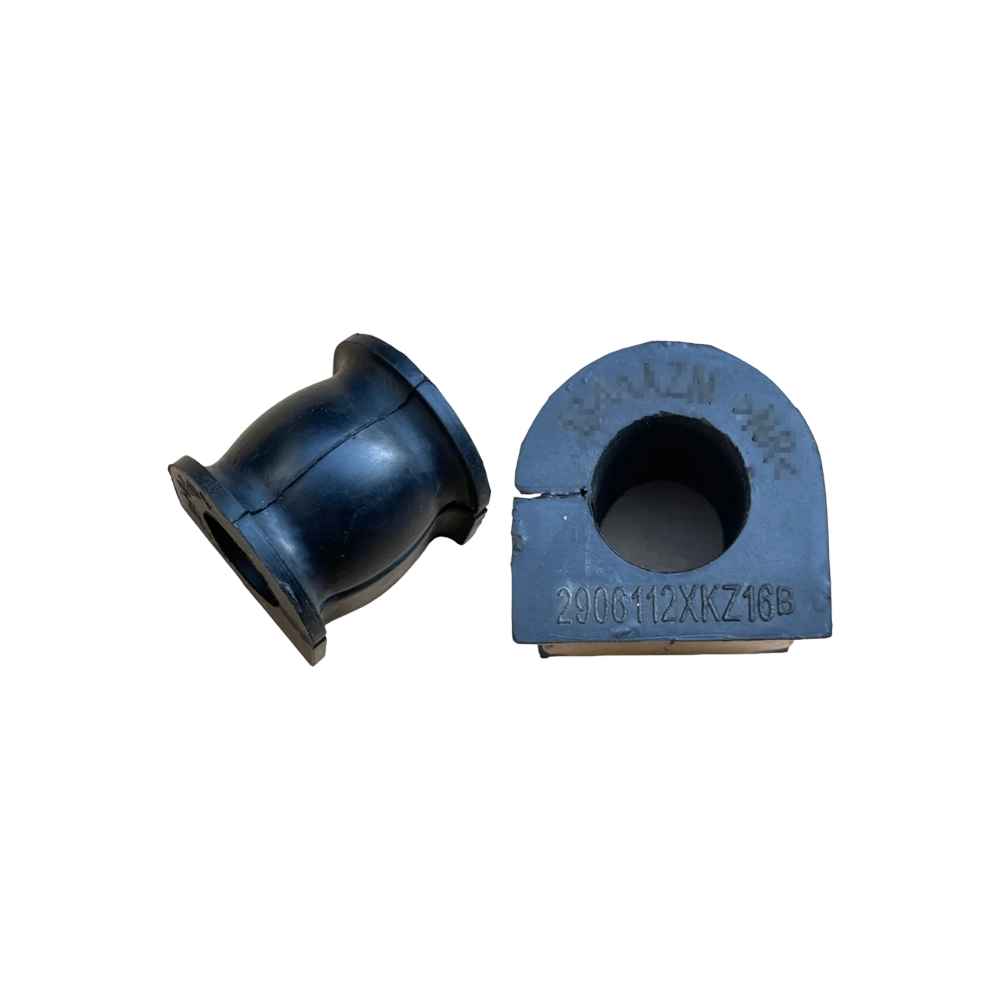
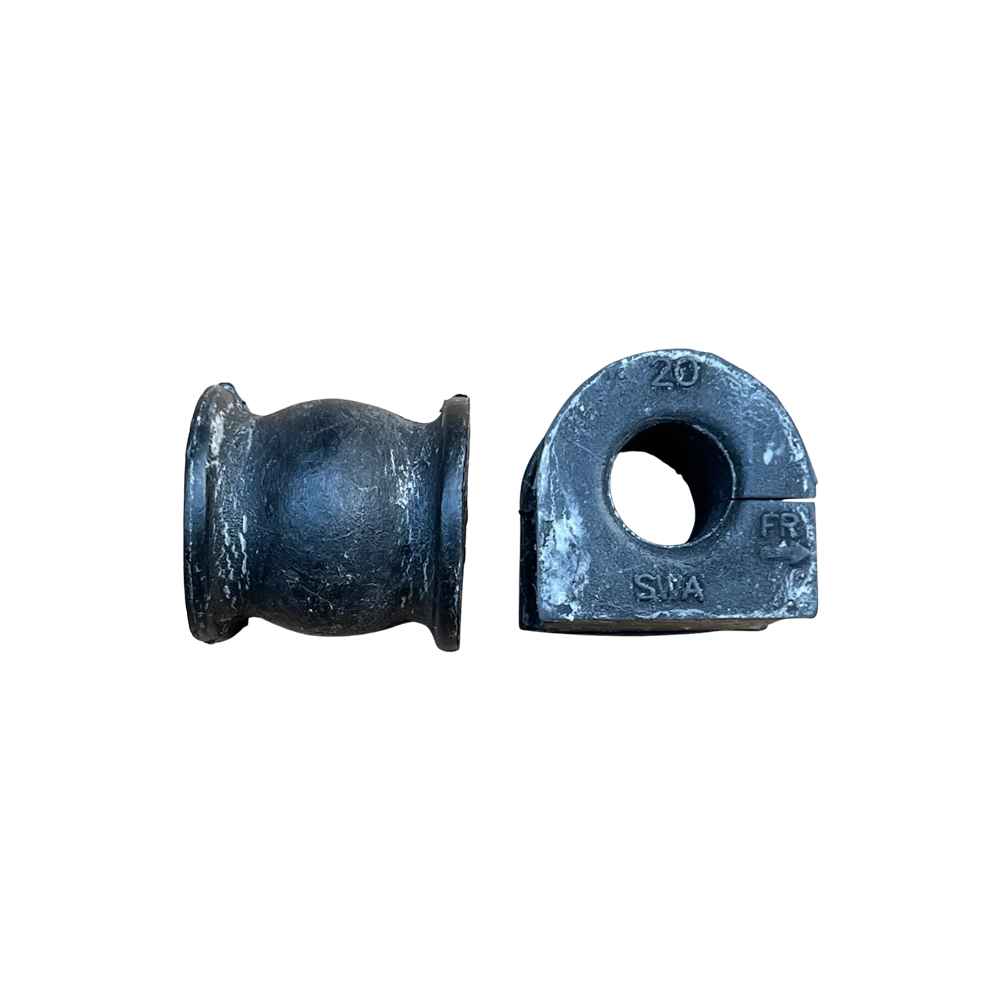
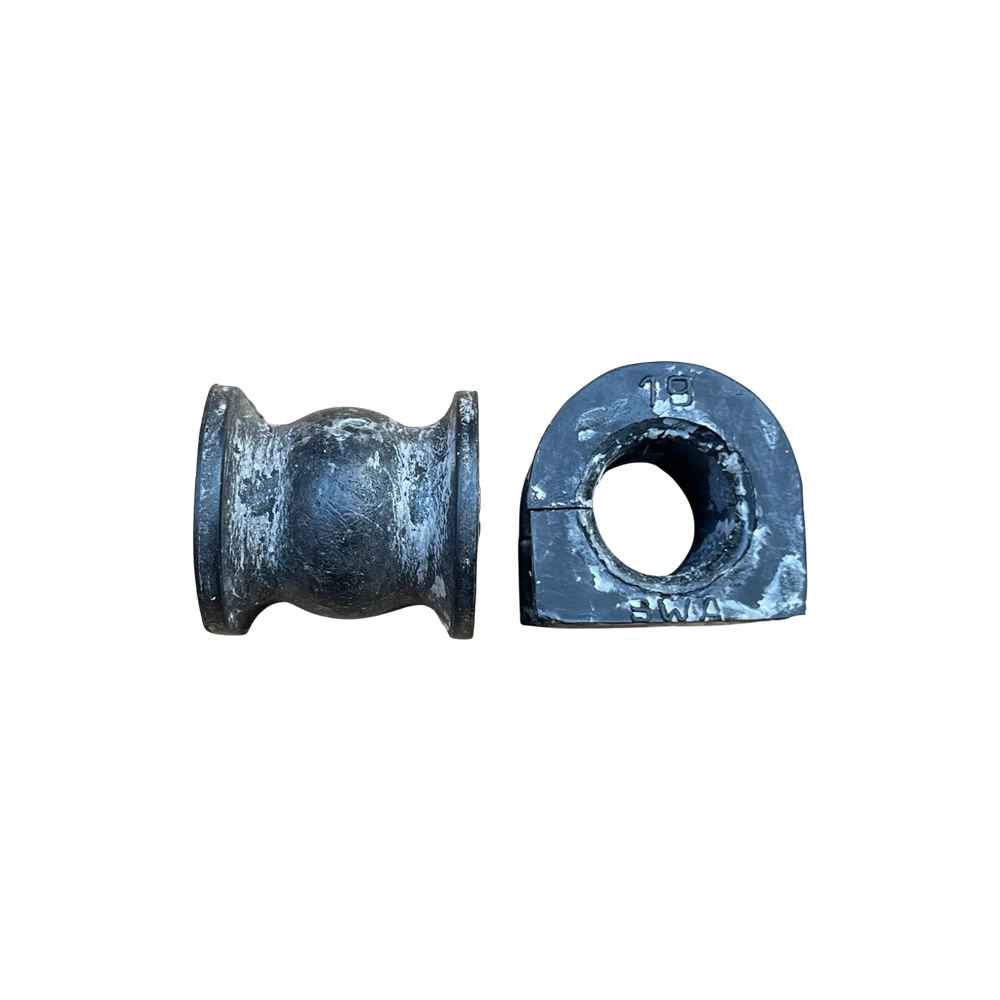
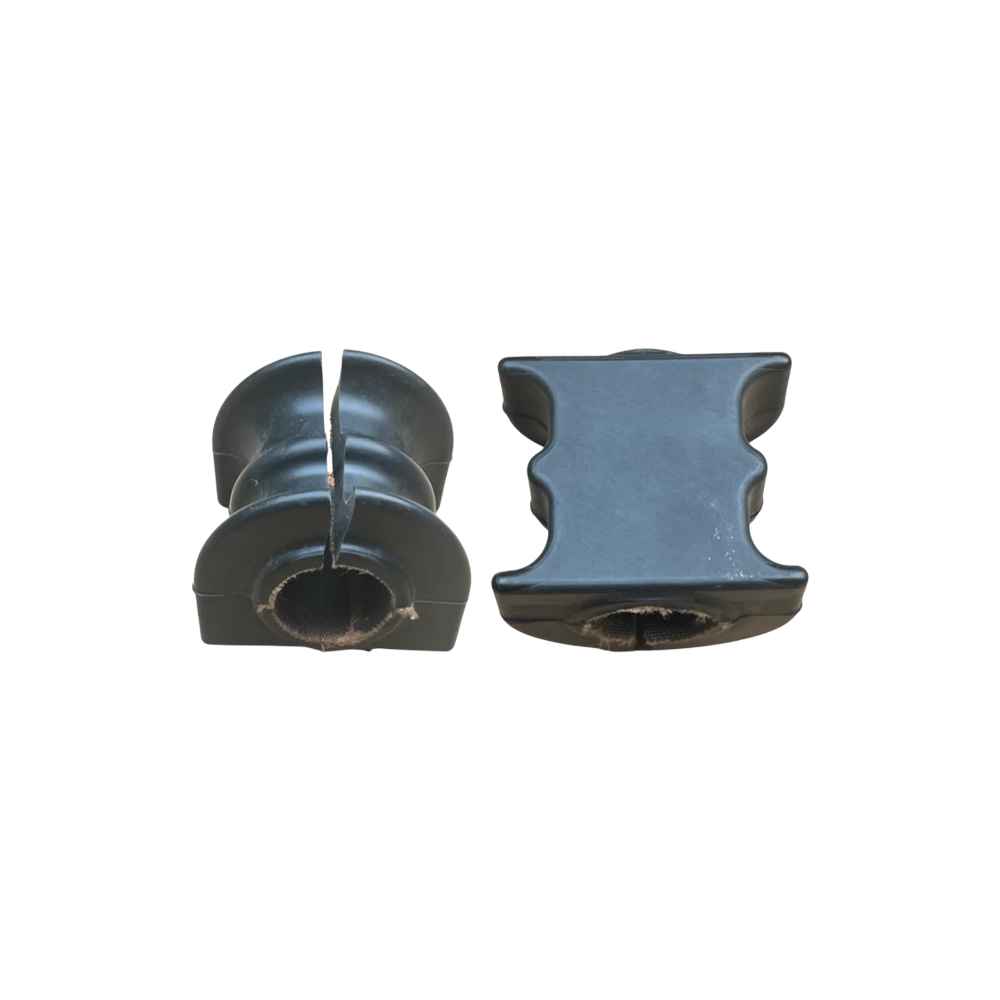
- Don't forget stabilizer bar bushings; they play an important role too.
So there you have it! With these expert insights, you’re well-equipped to choose the best front or rear sway bar for your vehicle. Whether you're hitting the streets or taking on rough terrain, the right sway bar can make all the difference in your driving experience.