Understanding Sway Bars
Sway bars, also known as anti-roll bars or stabilizer bars, play a crucial role in enhancing a vehicle's cornering stability and reducing body roll during turns. Their primary function is to connect the left and right wheels, creating a force that helps to maintain balance while navigating curves. Understanding the differences between front and rear sway bars is essential for optimizing performance and comfort.
Front vs Rear Sway Bars
When considering sway bar installation or replacement, one must understand how front and rear sway bars operate differently. Each type serves various purposes and significantly impacts handling dynamics.
- Front Sway Bars: Typically found in most vehicles, these bars are designed to reduce body roll during cornering by connecting the two front wheels. This configuration ensures a more stable steering response, especially when taking sharp turns.
- Rear Sway Bars: Commonly used in sports cars and performance vehicles, rear sway bars help manage oversteering tendencies. By stiffening the rear suspension, they can provide improved traction and control under dynamic driving conditions.
Factors to Consider When Choosing a Sway Bar
Selecting the best sway bar requires a careful examination of several factors that influence vehicle performance and comfort.
Vehicle Type and Purpose
The intended use of the vehicle greatly influences sway bar choice. For instance, daily drivers may benefit from softer sway bars to enhance ride comfort, while performance enthusiasts may prefer stiffer options to maximize handling capabilities.
Material Composition
Sway bars are typically made from materials such as steel, aluminum, or composite materials. Steel offers durability and strength but comes with added weight, whereas aluminum provides a lighter alternative but may lack some stiffness. Composite materials can offer a balance between weight and flexibility.
Bar Diameter and Thickness
The diameter and thickness of the sway bar directly affect its performance characteristics. A thicker bar generally increases stiffness, leading to less body roll; however, this may compromise ride quality on rough surfaces. It’s imperative to find the right balance between stiffness and comfort, depending on personal preferences and driving style.
Compatibility with Other Suspension Components
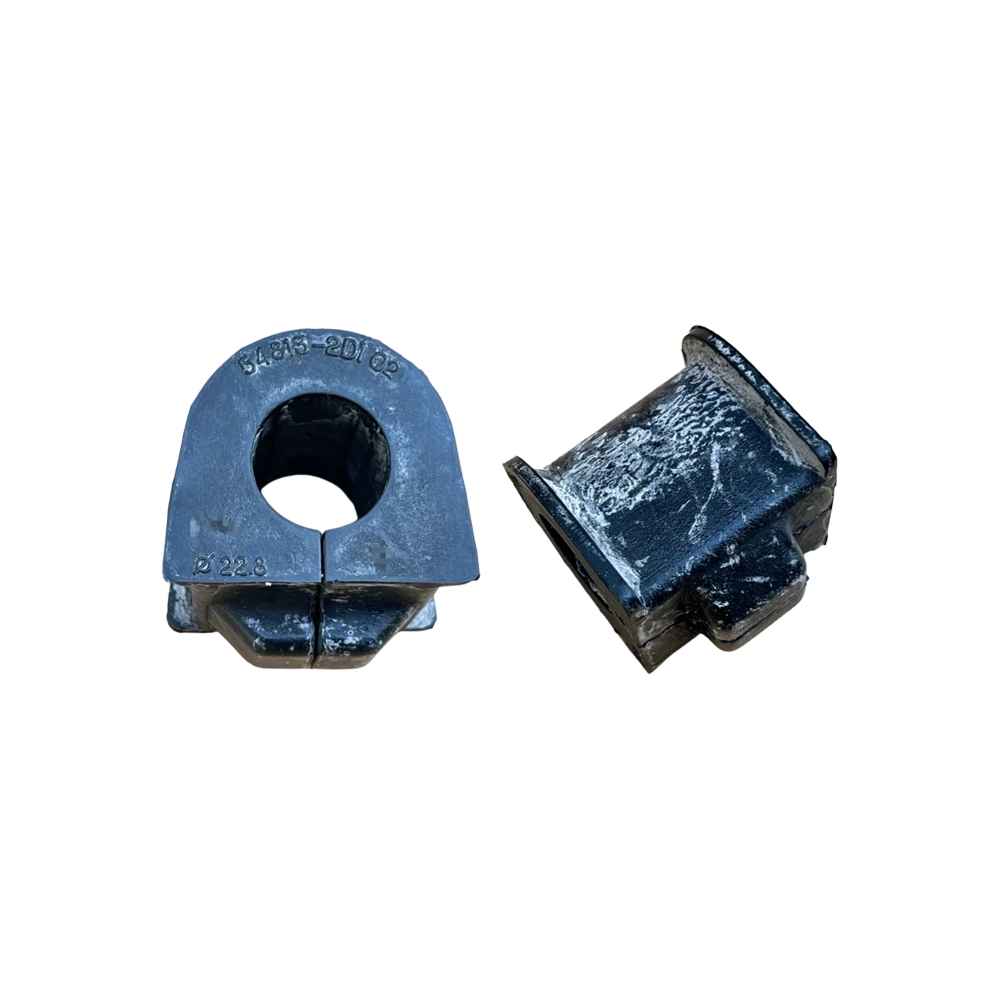
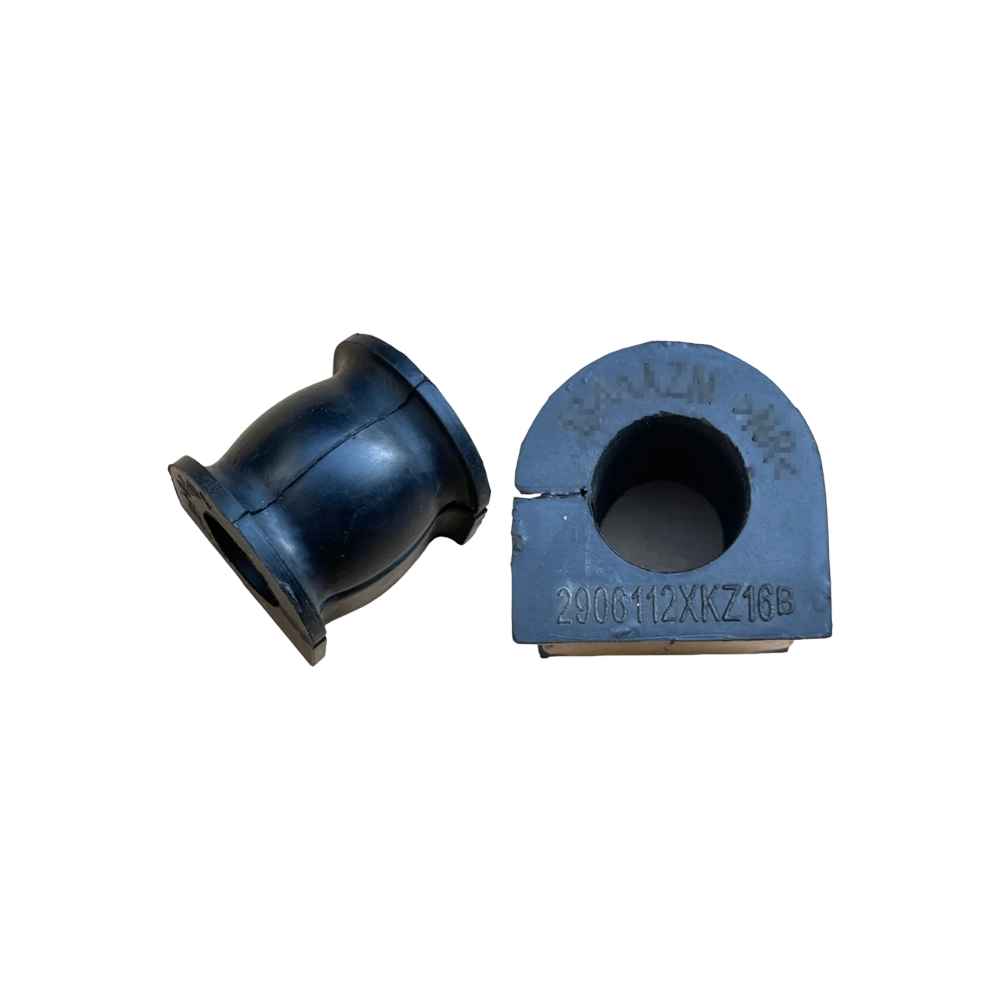
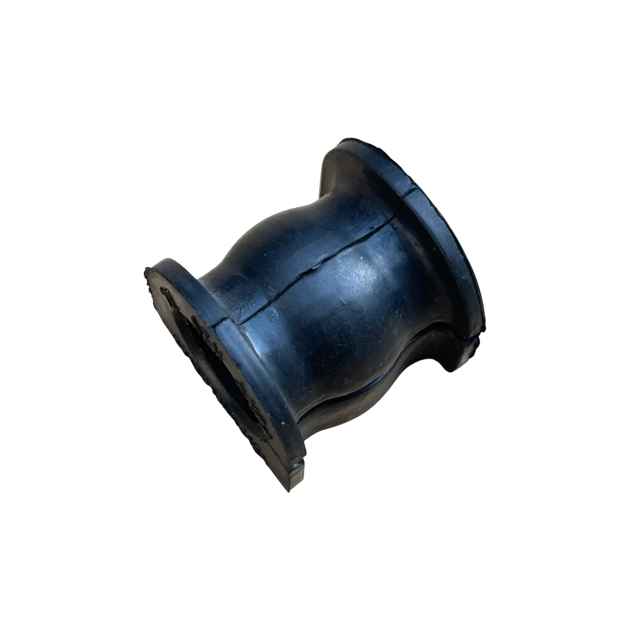
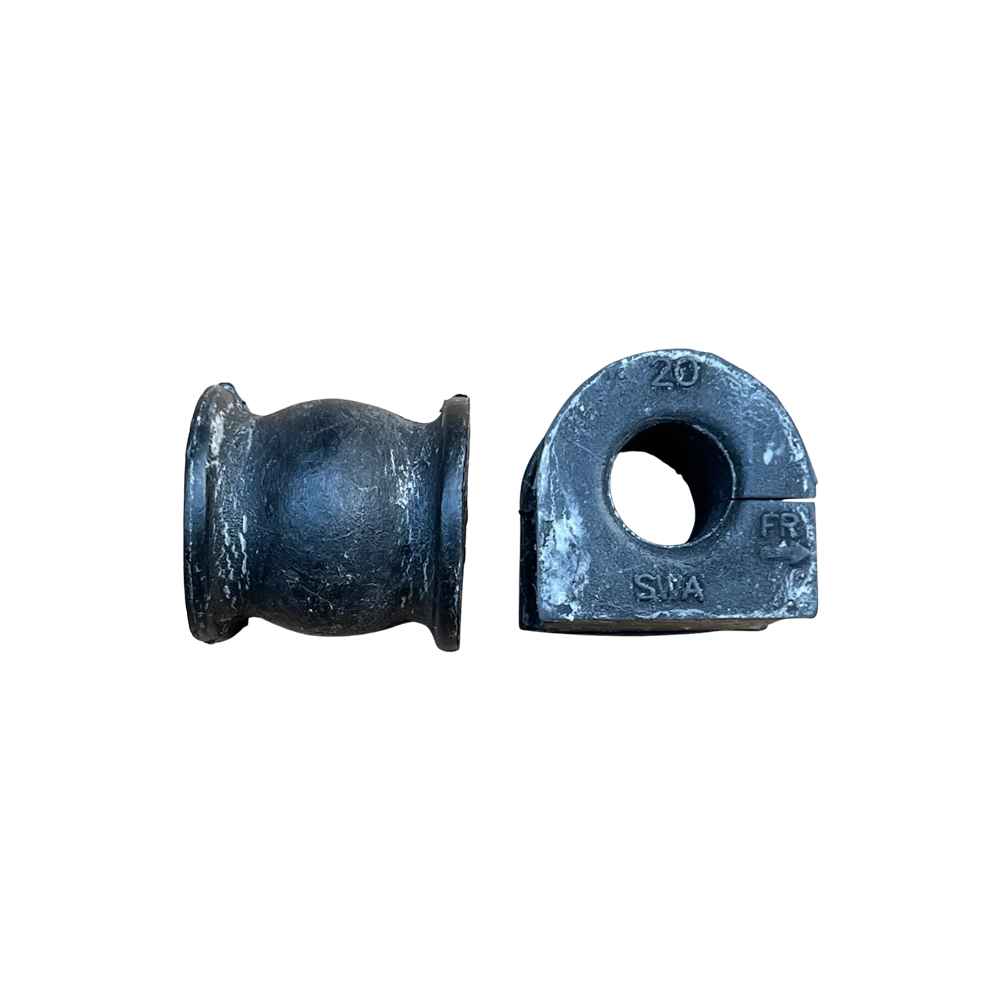
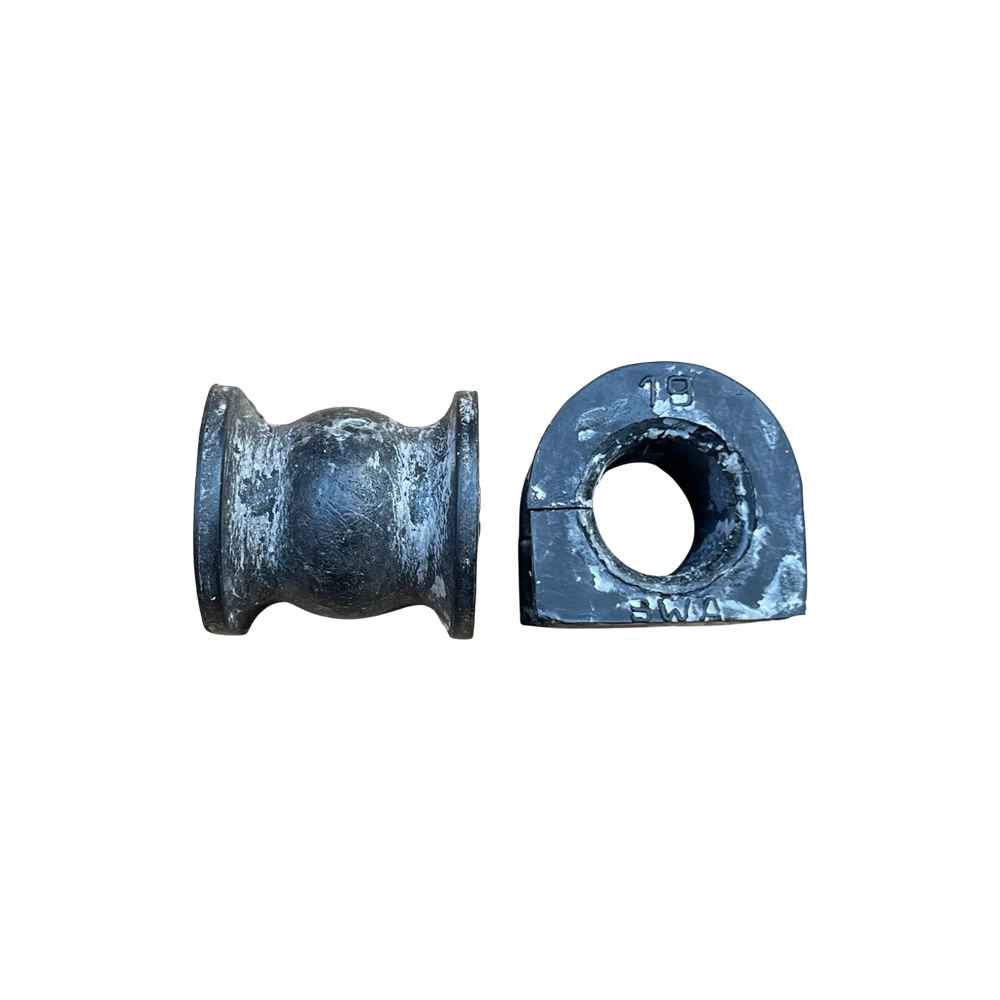
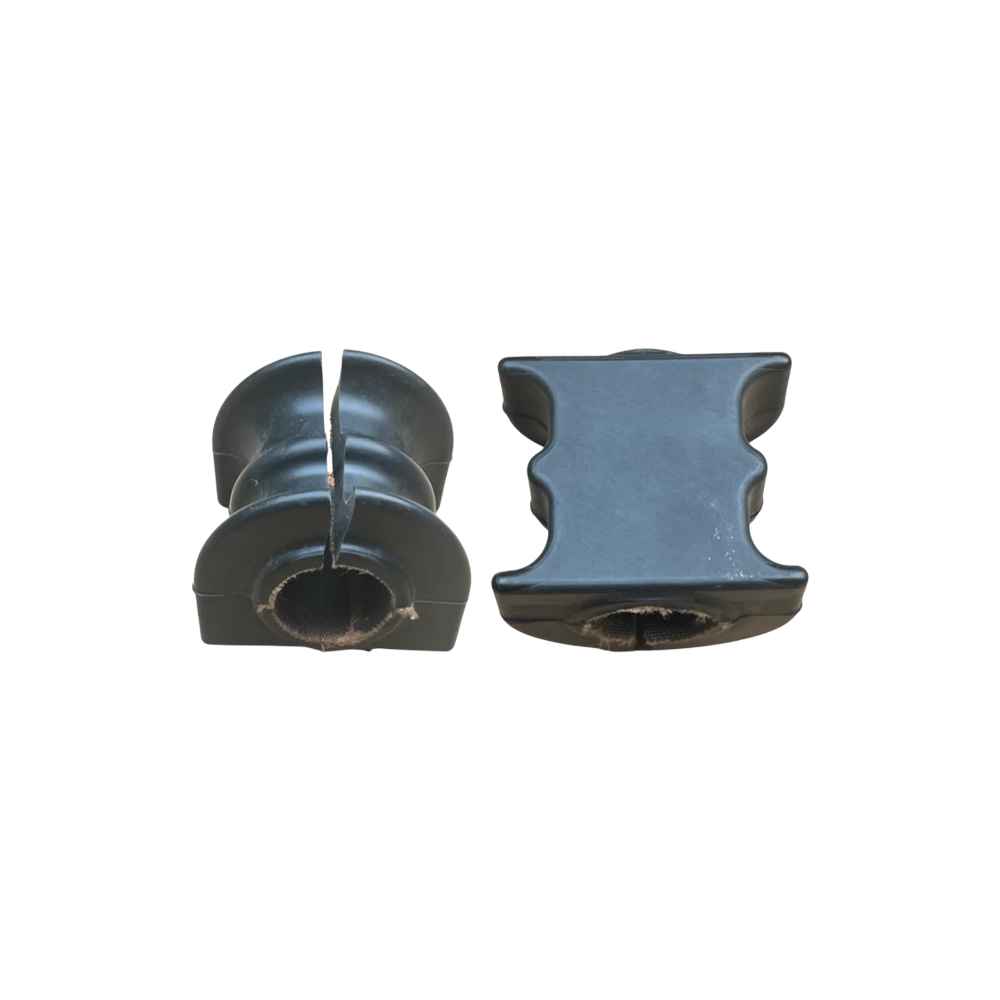
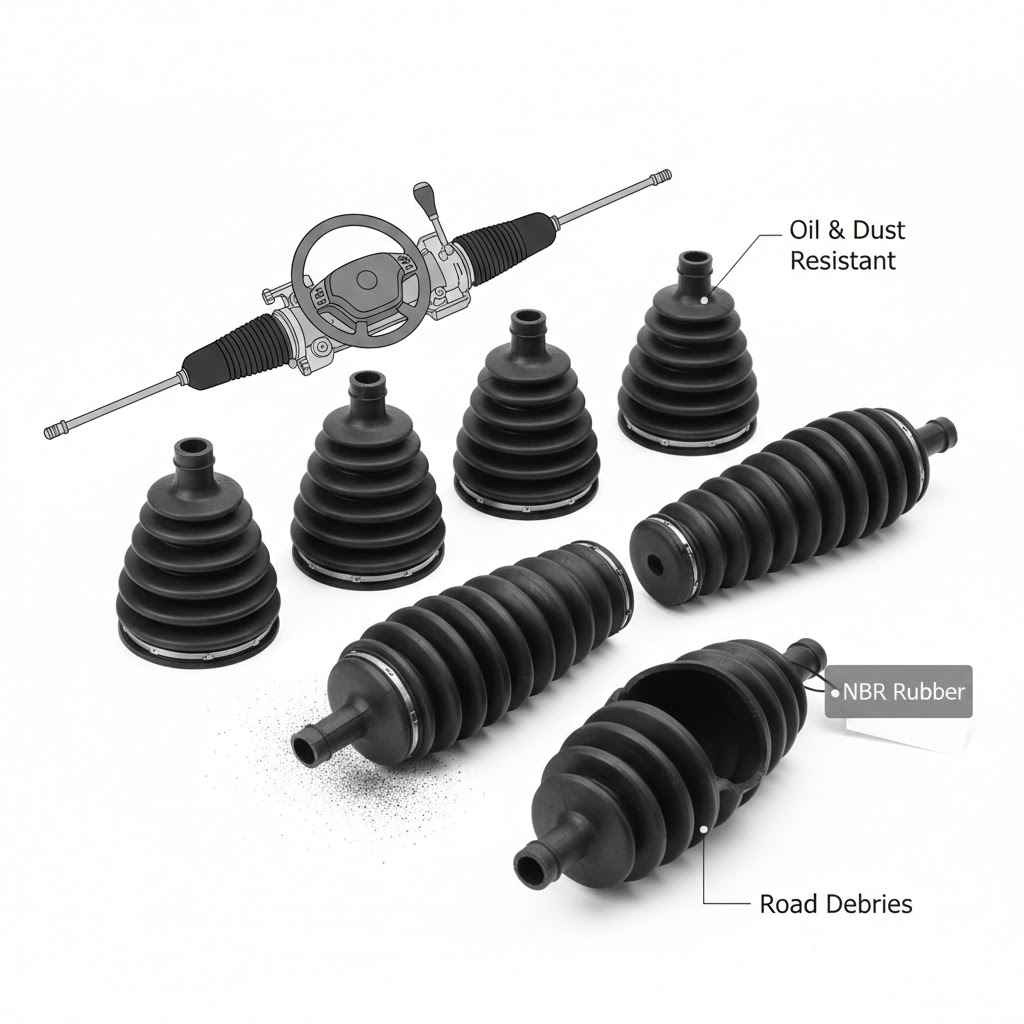
Integrating a sway bar into an existing suspension system necessitates consideration of compatibility with other components like shock absorbers and bushings. For example, if you install a stiffer sway bar, it might be beneficial to replace old Shock Absorber Boots and Stabilizer Bar Bushings to fully realize the potential enhancements in handling.
NVH Reduction Considerations
Noise, Vibration, and Harshness (NVH) significantly impact the driving experience. As such, choosing a sway bar should also take NVH reduction into account. The incorporation of high-quality O-Rings & Rubber Sealing Rings or boot designs can effectively minimize vibrations transmitted to the cabin.
Impact of Stiffer Sway Bars on NVH
While stiffer sway bars improve vehicle handling, they may inadvertently increase NVH levels. This occurs because a firmer suspension translates road imperfections more acutely to the vehicle’s occupants. Therefore, one must consider whether the handling benefits outweigh potential discomfort from increased noise and vibration.
Benefits of Upgraded Bushings
Upgrading bushings related to sway bars can yield significant NVH reductions. Enhanced components, such as those offered by brands like Guanghua, can absorb shocks better than standard rubber bushings, thereby reducing noise and improving overall ride quality.
Testing and Tuning Your Setup
After selecting and installing the appropriate sway bar, testing the setup becomes vital. Evaluating handling through various driving scenarios—such as hard cornering or uneven road surfaces—will provide insights into performance improvements and NVH levels.
Fine-Tuning Adjustments
Many aftermarket sway bars come with adjustable settings, allowing users to fine-tune the stiffness according to preference and driving conditions. Experimentation with settings can lead to optimal performance without excessive NVH.
Professional Assessment
For individuals uncertain about their choices, consulting with a suspension specialist can offer valuable insights and tailored recommendations. Such expertise is particularly useful for those who are upgrading multiple components simultaneously, ensuring all parts work harmoniously.
Conclusion
Choosing the best front or rear sway bar while balancing NVH reduction involves a thorough understanding of vehicle dynamics, component compatibility, and personal preferences. By thoughtfully considering factors such as material composition, bar diameter, and the integration of upgraded bushings, one can enhance both performance and comfort. Ultimately, a well-selected sway bar can significantly transform the driving experience, making it smoother and more enjoyable.