Understanding Hydraulic Steering Systems
Hydraulic steering systems have become a pivotal component in high-performance off-road vehicles, providing enhanced control and responsiveness. As enthusiasts look for ways to upgrade their vehicles, understanding the fundamental principles of hydraulic steering is essential.
The Mechanics Behind Hydraulic Steering
At its core, a hydraulic steering system operates using hydraulic fluid to assist the driver in turning the vehicle’s wheels. This system typically includes a steering gear, hydraulic pump, and various hoses that connect these components. When the driver turns the steering wheel, the hydraulic pump generates pressure in the fluid, which then aids in the movement of the steering gear, enabling smoother navigation over rough terrains.
Factors to Consider When Choosing Hydraulic Steering
Selecting the appropriate hydraulic steering system involves several key considerations that cater to both the vehicle's specifications and the intended use. Below are some of the major factors to keep in mind:
- Vehicle Compatibility: It is crucial to ensure that the hydraulic steering system is compatible with your specific vehicle model. Some systems may only fit certain makes or require additional adapters for proper installation.
- Performance Requirements: High-performance off-road upgrades demand greater responsiveness and durability. Consider systems that offer variable assist options, which can adapt to different driving conditions.
- Size and Weight: The dimensions and weight of the steering components can affect overall vehicle performance. A lighter system could enhance agility, whereas larger systems might provide more stability at high speeds.
- Quality of Components: Look for hydraulic systems that incorporate high-quality materials such as durable O-Rings & Rubber Sealing Rings , ensuring longevity even under extreme conditions.
Recommended Brands and Products
Many brands provide reliable hydraulic steering systems, but some stand out due to their innovation and customer satisfaction. For instance, Guanghua has established a reputation for offering robust solutions tailored specifically for off-road applications. Their systems integrate advanced engineering that maximizes performance while minimizing maintenance needs.
Installation Tips for Hydraulic Steering Systems
Installing a hydraulic steering system can be a complex process, requiring precision and attention to detail to ensure optimal functionality. Here are some expert tips to guide you through the installation:
- Read the Instructions: Carefully review the manufacturer's installation manual before beginning the process. Each system may have unique requirements that must be adhered to for proper functionality.
- Gather Necessary Tools: Ensure you have all the necessary tools readily available, including wrenches, screwdrivers, and hydraulic fluid. Having everything on hand can streamline the installation process.
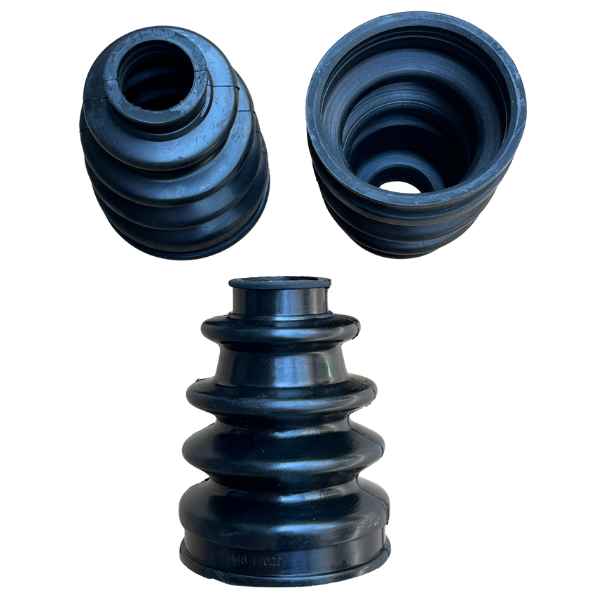
- Check for Leaks: After installation, thoroughly inspect all connections for potential leaks. Using components like Steering Rack Boots can help prevent any hydraulic fluid loss during operation.
- Test Drive: Once installed, conduct a test drive in a safe environment. Pay attention to steering responsiveness and check for any unusual noises that could indicate installation issues.
Maintenance of Hydraulic Steering Systems
To ensure the longevity and reliability of your hydraulic steering system, regular maintenance is paramount. Here are a few key maintenance tasks:
- Fluid Level Checks: Regularly monitor the hydraulic fluid levels to prevent any air from entering the system, which could result in erratic steering behavior.
- Inspect Hoses and Fittings: Inspect the hoses and fittings for any signs of wear or damage. Replacing worn components promptly can prevent further issues down the line.
- Flush the System: Periodic flushing of the hydraulic system is recommended to remove contaminants that could affect performance.
Common Issues and Troubleshooting
Even with regular maintenance, issues may arise within the hydraulic steering system. Knowing how to troubleshoot common problems can save time and resources:
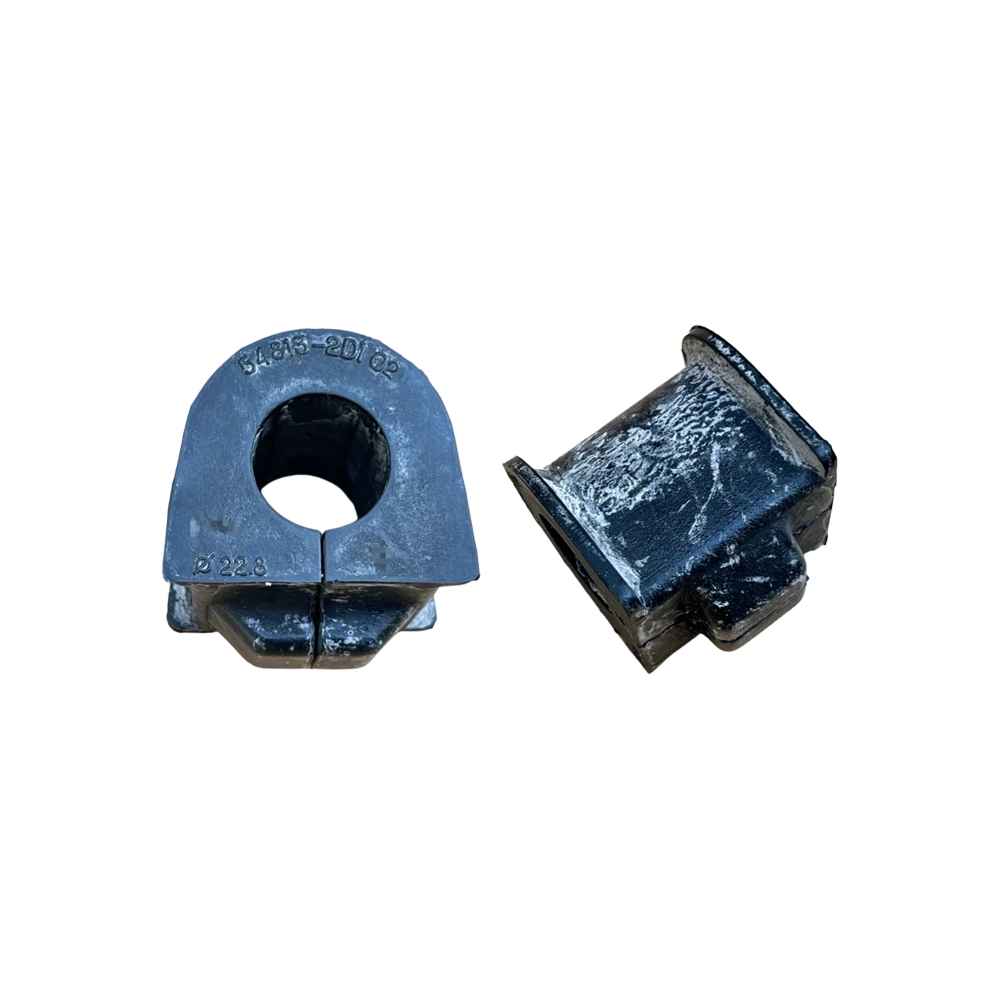
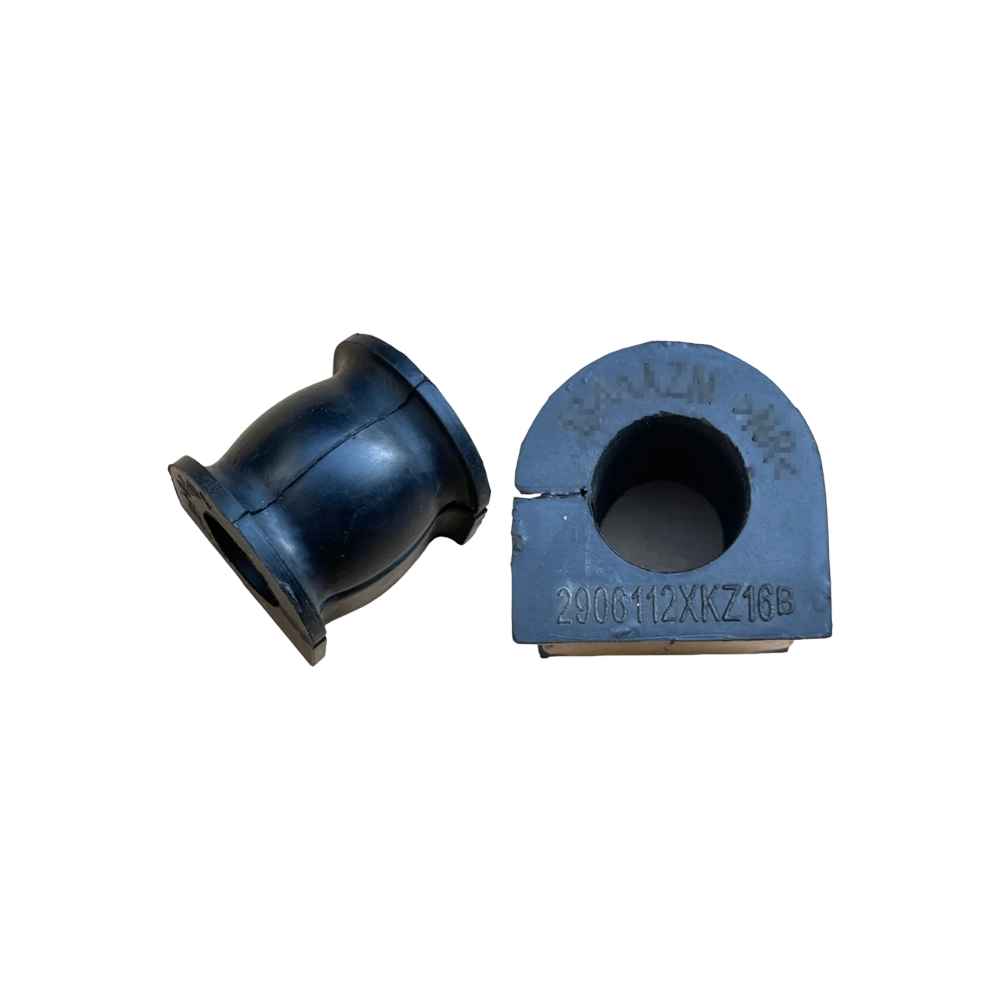
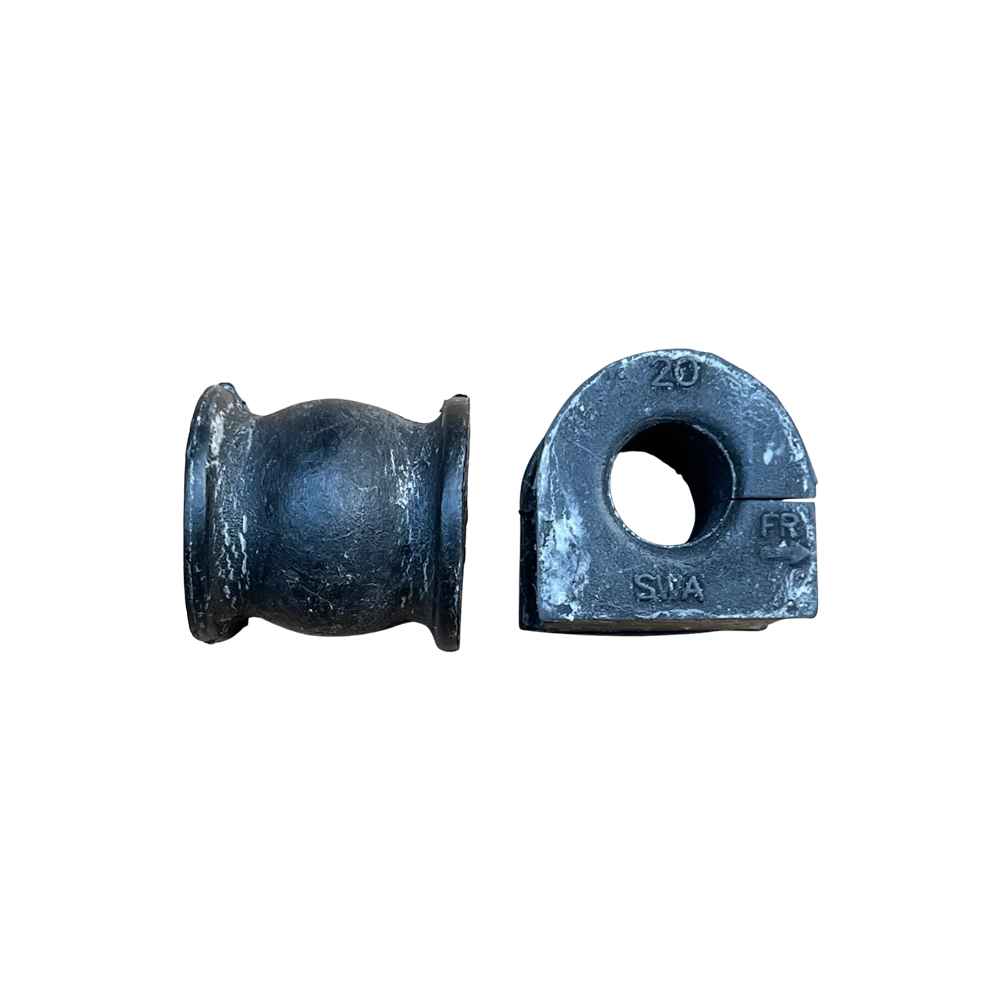
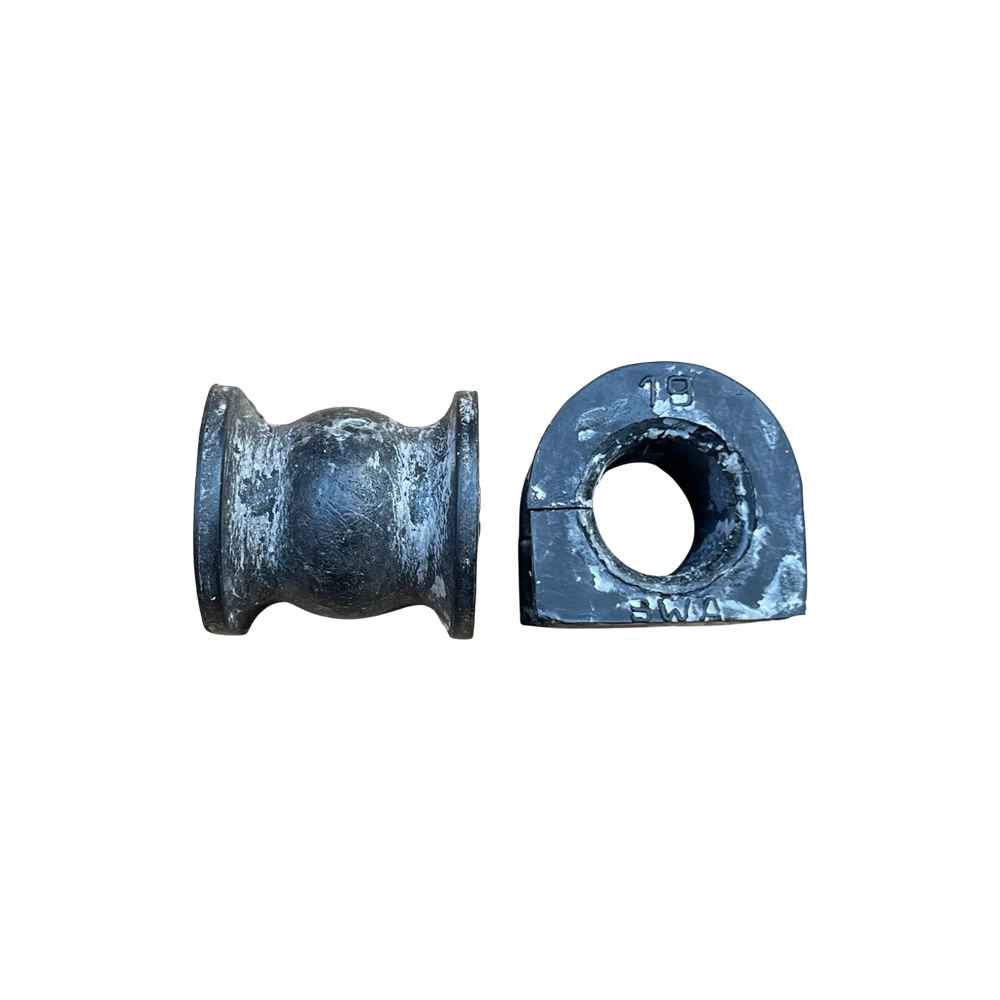
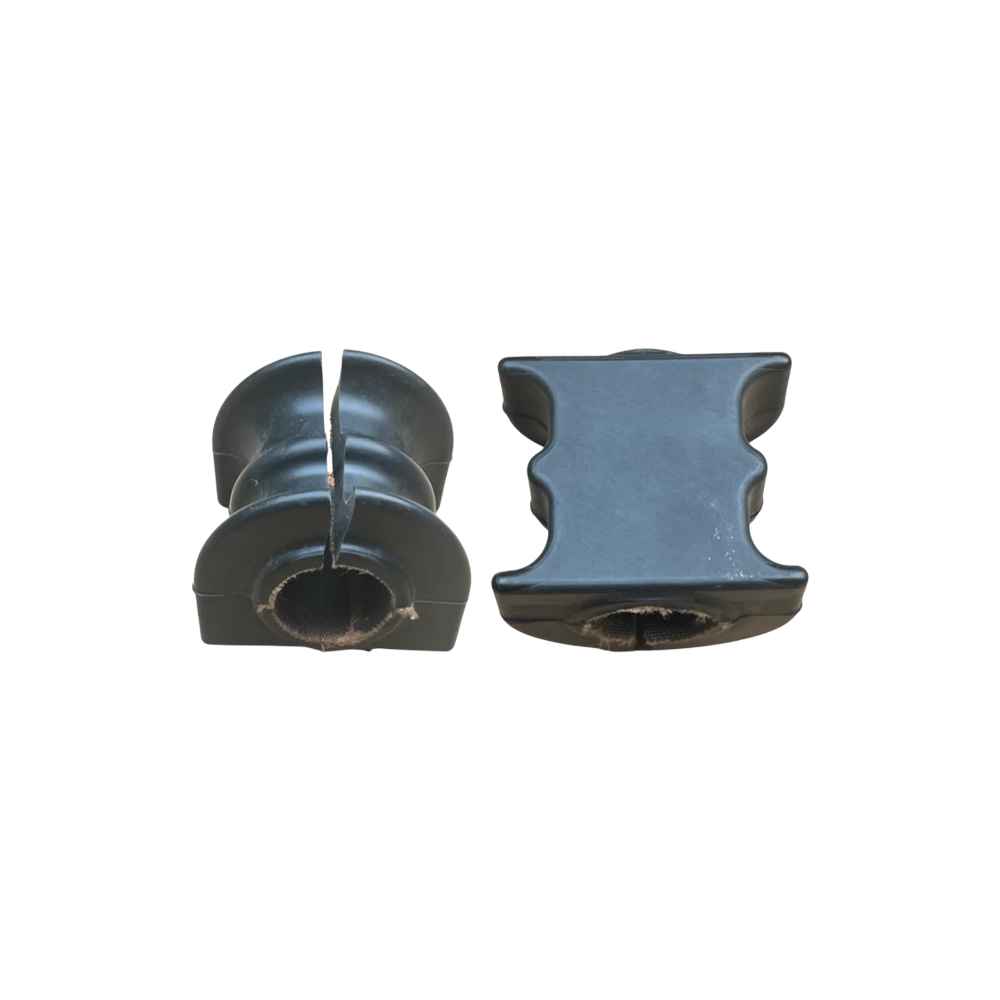
- Steering Wheel Play: Excessive play in the steering wheel may indicate worn components, such as Stabilizer Bar Bushings or a failing steering gear.
- Difficulty Steering: If steering becomes significantly harder, it may suggest low hydraulic fluid levels or a malfunctioning pump.
- Unusual Noises: Any grinding or whining sounds when turning the steering wheel should be investigated, as they may point to failing internal components.
Conclusion
Choosing the best hydraulic steering system for high-performance off-road upgrades in 2026 requires careful consideration of various factors, including compatibility, performance needs, and maintenance. By keeping in mind the insights provided by direct exporters and manufacturers, one can make an informed decision that enhances both vehicle performance and driving experience.