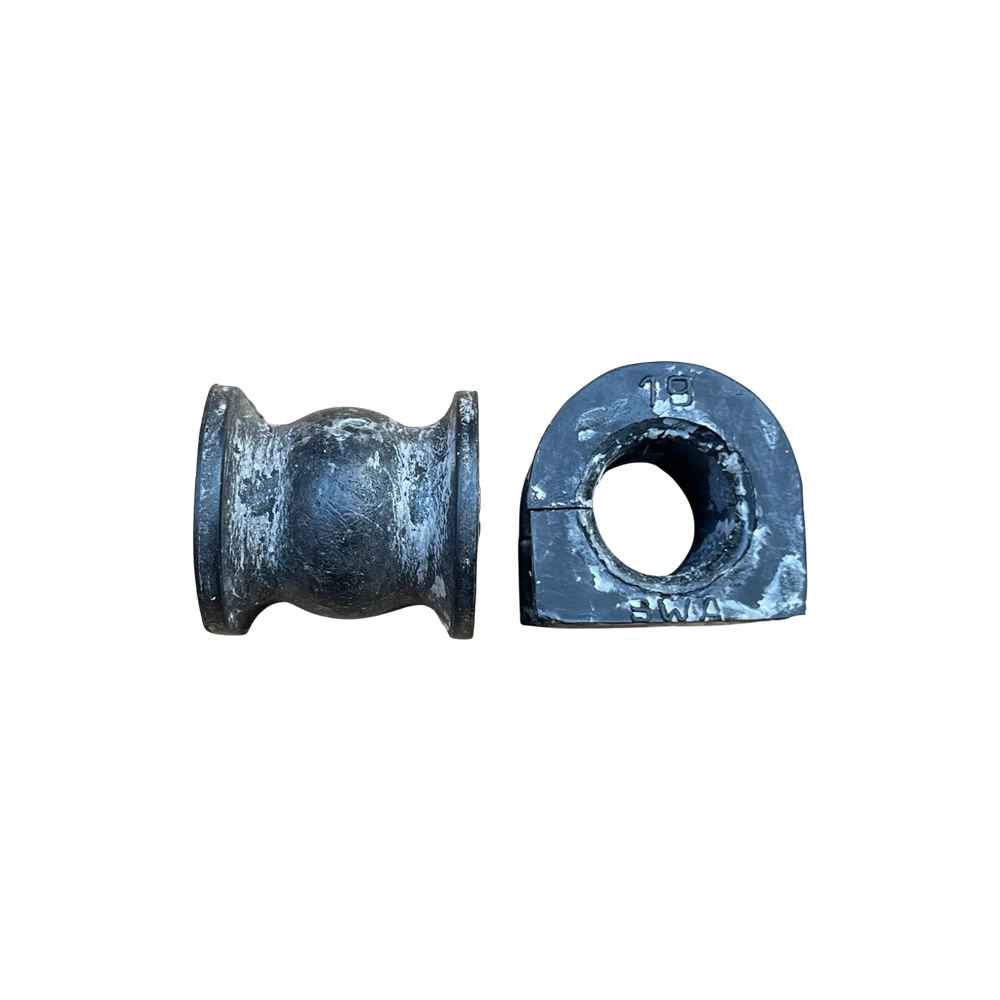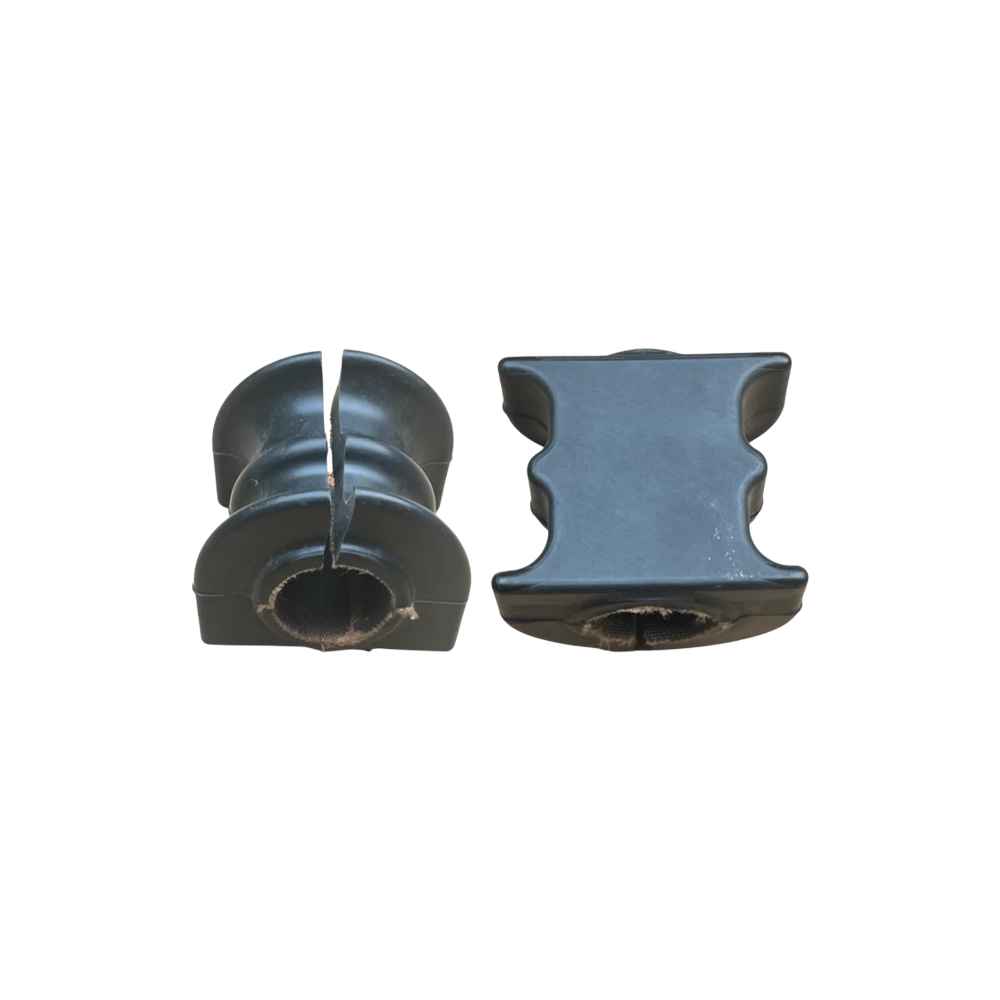
Understanding Gaskets: The Basics
When it comes to automotive engineering, gaskets are crucial components that ensure proper sealing between various engine parts. Whether you're dealing with inner or outer gaskets, understanding their function and how to choose the best ones is essential. A good gasket not only prevents leaks but also helps maintain optimal engine performance.
Types of Gaskets You Should Know
- Inner Gaskets: These are typically found between internal components, like cylinder heads and engine blocks. They’re vital for maintaining pressure within the engine.
- Outer Gaskets: Found on the exterior, these help seal off engine compartments from dirt and moisture.
- Engine Gaskets: This term generally refers to all gaskets within the engine assembly, performing various sealing functions.
Key Considerations When Choosing Gaskets
Choosing the right gaskets can be a daunting task, especially with so many options available. Here are some key factors to keep in mind:
Material Matters
The material used for gaskets significantly impacts their durability and effectiveness. Common materials include rubber, cork, and metal. Rubber gaskets, for example, offer great flexibility and sealing ability but may degrade faster under extreme temperatures. On the other hand, metal gaskets are robust and can withstand high pressures but may require precise fitting.
Compatibility with Engine Components
Not all gaskets fit every engine. Make sure you check the specifications for your vehicle's make and model. For instance, a Valve Cover Gasket designed for a specific engine might not work effectively on another, leading to leaks and other problems.
Certifications and Quality Assurance
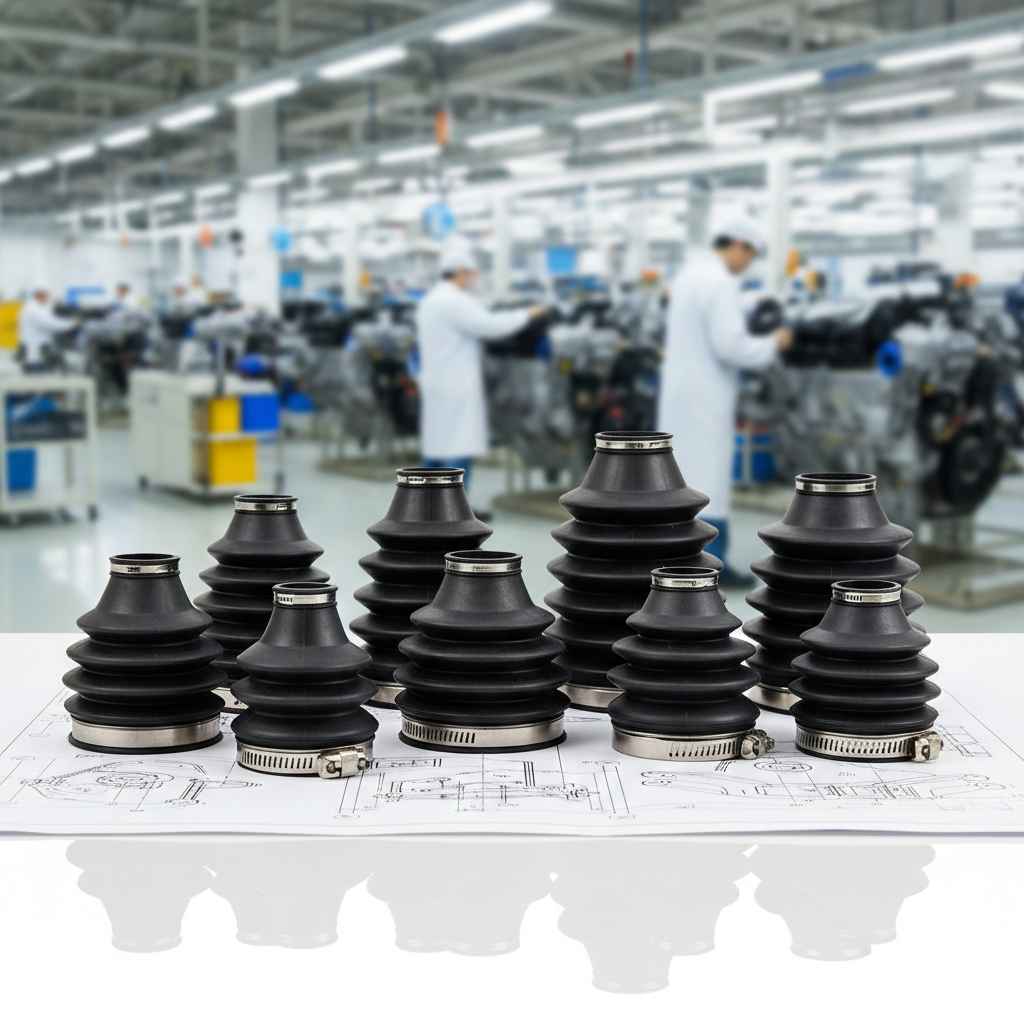
If you’re sourcing gaskets from manufacturers, look for those who are TS16949/ISO certified. Such certifications indicate that the manufacturer adheres to strict quality control protocols, ensuring that their products meet industry standards. One brand that stands out in this regard is Guanghua, known for its commitment to quality and reliability.
Testing and Performance Data
It’s essential to review any testing data or performance reviews related to the gaskets you’re considering. Manufacturers often conduct rigorous tests to determine the longevity and effectiveness of their products. Look for results that showcase resistance to temperature fluctuations and chemical exposure, which are critical in automotive applications.
Common Issues with Gaskets
Even the best gaskets can face issues over time. Here are some common pitfalls:
- Improper Installation: Incorrectly installed gaskets can lead to leaks, which can cause significant engine damage.
- Material Degradation: Exposure to heat and chemicals can wear out gaskets, making them less effective.
- Incompatibility: Using the wrong type of gasket can compromise the integrity of the seal.
Maintenance Tips
To prolong the life of your gaskets, consider regular maintenance checks. Inspecting for signs of wear or leaks can help catch potential issues before they escalate. It’s also wise to replace gaskets during major repairs or engine overhauls to ensure optimal performance.
Conclusion (Just Kidding!)
Well, I've said my piece! Remember, choosing the right inner and outer gaskets isn’t just about grabbing what's available. It's about understanding your engine’s needs, knowing the materials, and ensuring compatibility. So go on, get your hands dirty, and make those informed choices!